Have you ever wondered what keeps the gauge line fitting securely attached to the gauge manifold? If you work with pressure systems or gauges, this connection is crucial for accurate readings and safe operation.
Understanding what fastens the gauge line fitting to the gauge manifold can help you avoid leaks, ensure reliability, and maintain your equipment effectively. You’ll discover the key components and techniques used to make this connection strong and dependable. Keep reading to learn exactly how this small but vital part works and why it matters for your system’s performance.
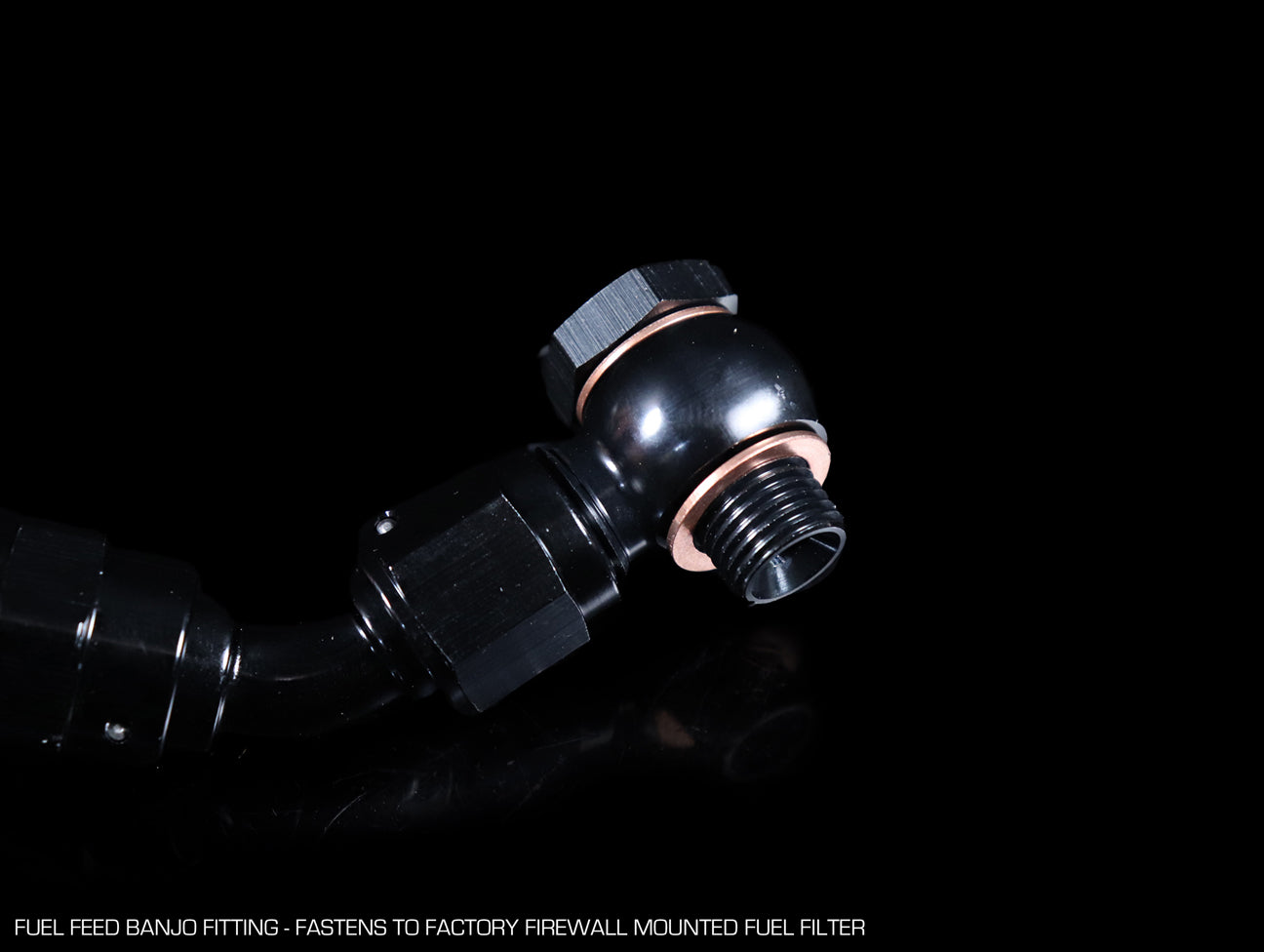
Credit: jhpusa.com
Gauge Line Fitting Basics
Understanding gauge line fitting basics helps ensure proper connection to the gauge manifold. These fittings hold the gauge line firmly in place. They prevent leaks and maintain system accuracy. Choosing the right fitting is key for safety and performance.
Gauge line fittings come in various styles. Each type suits different pressure levels and pipe materials. Knowing their purpose and types helps you pick the correct fitting for your setup.
Purpose Of Gauge Line Fittings
Gauge line fittings connect the gauge line to the manifold securely. They create a tight seal to stop fluid or gas leaks. These fittings also allow easy installation and removal of gauges. They help maintain accurate pressure readings by preventing pressure drops.
Common Types Of Fittings
Compression fittings are popular for their leak-free seal and easy use. Flare fittings use a flared end to create a strong connection. Threaded fittings screw into place for a firm hold. Each type works best with specific materials and pressures.

Credit: tuckerspeed.com
Role Of The Gauge Manifold
The gauge manifold plays an important role in pressure measurement systems. It acts as a central point where the gauge line fitting connects. This connection must be secure and leak-free. The manifold helps control and distribute pressure to the gauge. It also allows for safe isolation of the gauge during maintenance or replacement.
Understanding the manifold’s function helps explain what fastens the gauge line fitting. The material and design of the manifold directly impact the fitting’s stability. The right manifold ensures accurate readings and system safety.
Function In Pressure Measurement
The gauge manifold directs pressure from the process to the gauge. It manages pressure flow and protects the gauge from sudden spikes. The manifold allows technicians to isolate the gauge without stopping the whole system. This isolation helps in maintenance and prevents damage to the gauge. It also helps in venting or draining the system safely.
Material And Design Considerations
The gauge manifold must be made of strong, corrosion-resistant materials. Common materials include stainless steel and brass. These materials ensure durability and long service life. The manifold’s design includes threaded ports or flanges to fasten the gauge line fitting. This design keeps the connection tight and prevents leaks. Proper threading and sealing components like O-rings or gaskets improve the fit. A well-designed manifold supports accurate pressure readings and system reliability.
Fastening Methods
Fastening the gauge line fitting to the gauge manifold requires secure and reliable methods. Proper fastening ensures no leaks and accurate pressure readings. Several common techniques suit different setups and materials. Each method offers unique benefits and fits specific applications.
Threaded Connections
Threaded connections use screw threads to join the fitting and manifold. They provide strong, tight seals that resist pressure well. These connections are easy to install and remove for maintenance. Proper thread sealing with tape or compound prevents leaks. They are common in many industrial and mechanical systems.
Compression Fittings
Compression fittings use a ring or ferrule to seal the connection. Tightening the nut compresses the ring around the tube and manifold. This method works well with metal or plastic tubing. Compression fittings create leak-proof seals without soldering or welding. They offer quick installation and good vibration resistance.
Flare Fittings
Flare fittings use a flared tube end that fits into the manifold. A nut secures the flare tightly against the fitting surface. This method creates a strong, pressure-resistant seal. Flare fittings are common in gas and hydraulic lines. They allow easy disassembly and reuse without damaging parts.

Credit: www.ebay.com
Materials Used For Fasteners
Fasteners hold the gauge line fitting firmly to the gauge manifold. Choosing the right material for these fasteners matters. The material affects strength, durability, and resistance to wear and corrosion. Fasteners must work well in different environments. They must keep the connection secure without leaking or breaking.
Stainless Steel
Stainless steel fasteners resist rust and corrosion. They suit moist or harsh environments. These fasteners stay strong under pressure and heat. Stainless steel also lasts long without losing shape. Their clean look fits many industrial uses. They offer reliable fastening with less maintenance.
Brass
Brass fasteners provide good corrosion resistance too. They are softer than steel but still strong. Brass works well with copper and other non-ferrous metals. It helps prevent galvanic corrosion. Brass fasteners are easy to install and remove. They also have good thermal conductivity.
Other Alloys
Other metal alloys serve special needs. Titanium alloys offer high strength and light weight. Nickel alloys resist extreme heat and chemicals. Aluminum alloys provide lightness and moderate strength. These alloys fit unique or demanding conditions. They keep the gauge line fitting safe and stable.
Installation Techniques
Installing the gauge line fitting to the gauge manifold requires careful steps. Proper installation ensures a secure connection and prevents leaks. Each step in the installation process plays a key role. Follow these techniques to fasten the gauge line fitting correctly.
Proper Torque Application
Applying the correct torque is vital for a strong seal. Too much force can damage threads or deform fittings. Too little force may cause leaks or loosening. Use a calibrated torque wrench to tighten fittings. Follow the manufacturer’s recommended torque values. Tighten fittings evenly and steadily to avoid stress.
Sealant Use
Sealants help prevent leaks by filling tiny gaps. Use thread sealant or Teflon tape on male threads. Apply sealant evenly without blocking the passage. Avoid excess sealant that may enter the system. Choose a sealant compatible with the fluid and fitting material. Proper sealant use extends the life of the connection.
Leak Testing
Leak testing confirms the connection is tight and safe. Use soapy water or a leak detector spray on the joints. Watch for bubbles that show escaping gas or fluid. Apply pressure to the system during testing. Fix any leaks by tightening fittings or reapplying sealant. Leak tests prevent accidents and ensure system reliability.
Common Issues And Solutions
Gauge line fittings attach securely to gauge manifolds to ensure accurate pressure readings. Problems can arise from these connections, causing issues in systems. Understanding common problems helps keep the equipment working well. Here are typical issues and how to fix them.
Leaks And Their Causes
Leaks occur when fittings are not tight or damaged. Loose connections let gas or liquid escape. Dirt or debris can stop fittings from sealing correctly. Worn threads or cracked fittings also cause leaks. Check fittings regularly to spot leaks early.
Corrosion Problems
Corrosion weakens the metal parts of fittings. Moisture and harsh chemicals speed up rust formation. Corroded fittings may crack or break over time. This affects the seal and causes leaks. Use corrosion-resistant materials to prevent damage.
Maintenance Tips
Clean fittings and manifold surfaces before attaching. Tighten connections with the right tools and force. Replace damaged or corroded fittings promptly. Inspect the system often for signs of wear or leaks. Use protective coatings to slow corrosion.
Frequently Asked Questions
What Fastens The Gauge Line Fitting To The Manifold?
The gauge line fitting is fastened using compression nuts and ferrules. These components ensure a tight, leak-proof seal between the gauge line and manifold.
Why Is Proper Fastening Important For Gauge Line Fittings?
Proper fastening prevents leaks and pressure loss. It maintains system accuracy and safety by securing the gauge line firmly to the manifold.
What Materials Are Used For Gauge Line Fittings And Fasteners?
Gauge line fittings and fasteners are typically made from stainless steel or brass. These materials offer durability, corrosion resistance, and strength for reliable connections.
Can Loose Gauge Line Fittings Affect Gauge Readings?
Yes, loose fittings can cause inaccurate pressure readings. They allow air or fluid leaks, which distort gauge measurements and compromise system performance.
Conclusion
Secure fittings keep the gauge line attached to the manifold tightly. Proper fasteners prevent leaks and ensure accurate readings. Choosing the right fitting type matters a lot for safety. Tight connections stop pressure drops and maintain system performance. Always check fittings regularly for wear or damage signs.
Good maintenance helps avoid costly repairs and downtime. Understanding how fittings fasten the gauge line aids proper setup. This knowledge supports safer and more reliable gauge systems. Simple steps make a big difference in system stability and safety.