Are you working on a construction project and wondering how to keep your sheathing secure and strong? Understanding a Sheathing Fastening Schedule is key to making sure your walls and roofs stay safe and sturdy.
This simple guide will help you learn exactly what a sheathing fastening schedule is, why it matters to your project, and how to use it effectively. Keep reading to discover the secrets that can save you time, money, and headaches down the line.
Your build deserves the best foundation—let’s make sure you get it right.
Sheathing Fastening Schedule Basics
Understanding the basics of a sheathing fastening schedule is essential for builders and contractors. This schedule guides the placement and type of fasteners used to secure sheathing materials. Proper fastening ensures the structure’s strength and safety. It also helps avoid costly mistakes and delays during construction.
Purpose And Importance
A sheathing fastening schedule shows where and how to attach panels correctly. It helps maintain the building’s stability and weather resistance. Following the schedule prevents panels from loosening or warping over time. This plan supports code compliance and quality control on site.
Key Components
The schedule lists fastener types, sizes, and spacing. It specifies which nails or screws to use for different sheathing materials. The schedule also details edge and field fastening patterns. Clear instructions reduce confusion and improve construction speed.
Common Materials Used
Fasteners include nails, screws, and staples made of steel or galvanized metal. These resist rust and corrosion for durability. The choice depends on the sheathing material and environmental conditions. Proper materials ensure long-lasting attachment and building performance.
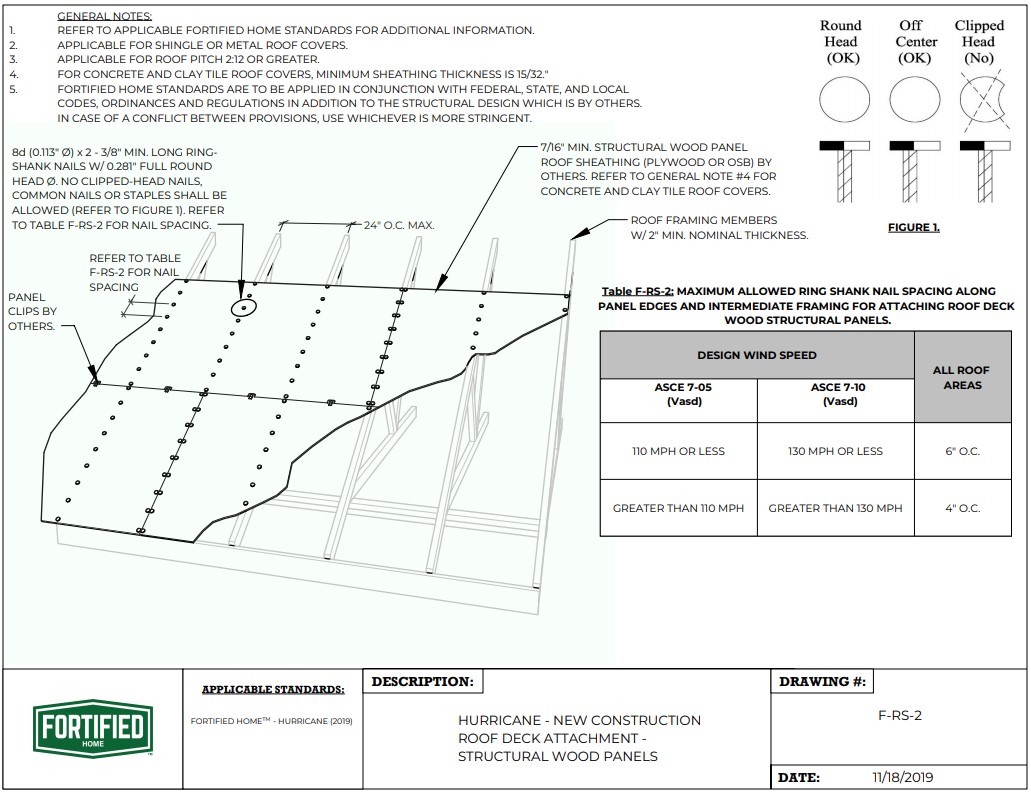
Credit: basc.pnnl.gov
Types Of Fasteners
Choosing the right fastener is key for a strong sheathing fastening schedule. Fasteners hold panels tightly to the framing. Different types serve different purposes. Knowing these types helps in selecting the best fastener for your project.
Nails Vs. Screws
Nails are common in sheathing work. They are quick to install and cost less. Nails hold well but can loosen over time. Screws provide better grip and resist pull-out. They take longer to install but create a stronger bond. Screws are good for areas with high wind or movement.
Fastener Sizes
Fastener size depends on the sheathing thickness and framing. Longer fasteners hold thicker panels better. Short nails or screws may not reach deep enough. Too long fasteners can split the wood. The right size ensures a firm hold without damage.
Coatings And Finishes
Coatings protect fasteners from rust and corrosion. Galvanized nails resist moisture better. Stainless steel fasteners offer the best corrosion resistance. Some finishes improve grip and reduce slipping. Choosing coated fasteners extends the life of your sheathing.
Installation Techniques
Proper installation is key to a strong, durable sheathing fastening schedule. It ensures panels stay secure and walls resist wind and weather. Installation techniques focus on correct fastener placement and using the right tools. These steps protect the structure and improve safety.
Fastener Spacing
Fastener spacing means the distance between nails or screws. It affects the panel’s grip on the frame. Follow the schedule for exact measurements. Usually, fasteners are closer near edges and corners. This prevents panels from lifting or warping. Even spacing in the panel field keeps everything tight and stable.
Edge And Field Nailing
Edge nailing secures panel edges to framing members. These areas need extra strength because edges face more stress. Field nailing covers the middle part of the panel. It holds the flat surface firmly against the frame. Both edge and field nailing must meet the schedule’s rules. This balance helps the panel resist forces like wind pressure.
Tools And Equipment
Use the right tools for fastener installation. A hammer or pneumatic nailer speeds up the process. Screw guns work well for screws, offering better control. Measuring tape ensures fasteners are placed correctly. Safety gear like gloves and glasses protects workers. Good tools and equipment make installation easier and more accurate.
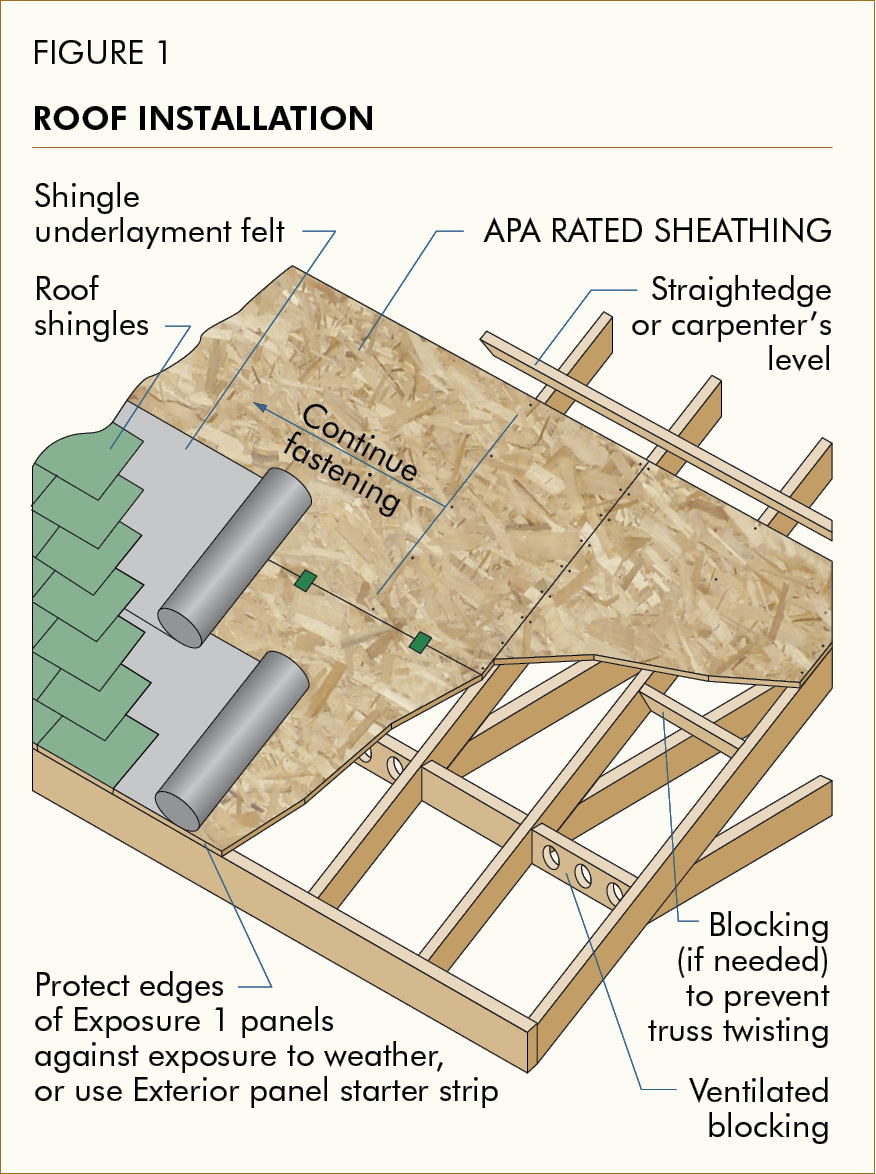
Credit: www.apawood.org
Codes And Standards
Sheathing fastening schedules must follow strict codes and standards. These rules ensure the building is safe and strong. They guide how to attach panels to frames correctly. Without following these, the structure may not hold up well.
Building Code Requirements
Building codes set the minimum rules for fastening sheathing. They specify the type and size of fasteners. Codes also define the spacing between nails or screws. This prevents panels from coming loose in bad weather. Following these codes keeps buildings secure and durable.
Manufacturer Guidelines
Manufacturers provide detailed instructions for fastening their products. These guidelines match the material’s strength and design. Ignoring these can cause damage or reduce lifespan. Use the exact fastener type and spacing recommended. This ensures the sheathing performs as expected.
Inspection Tips
Inspectors check if fastening follows codes and guidelines. They look for correct fastener size and placement. Missing or wrong nails can lead to failed inspections. Use a checklist to verify all fastening points. Proper inspection avoids costly fixes later on.
Common Mistakes To Avoid
Understanding the common mistakes in sheathing fastening schedules helps avoid costly errors. These mistakes can reduce the strength and durability of your structure. Knowing what to watch for ensures a safer and longer-lasting build.
Incorrect Fastener Placement
Placing fasteners in the wrong spots weakens the sheathing. It can cause panels to loosen or warp over time. Follow the schedule closely to place each fastener exactly where it belongs. Avoid placing fasteners too close to edges, which can cause splitting.
Using Wrong Fasteners
Using the wrong type or size of fasteners reduces holding power. Some fasteners may rust or fail under pressure. Choose fasteners that match the material and environmental conditions. Always check the sheathing schedule for the correct fastener specifications.
Ignoring Environmental Factors
Ignoring weather and moisture conditions leads to fastener problems. Fasteners can corrode or lose grip in wet or salty environments. Use corrosion-resistant fasteners in such areas. Adjust the fastening schedule to suit local climate and exposure.
Advanced Tips For Efficiency
Improving efficiency in sheathing fastening schedules saves time and reduces errors. Smart strategies help teams work faster and with better accuracy. Small changes in planning and tools can make a big difference.
Planning Fastening Layouts
Start by mapping out where each fastener goes. Use clear drawings to show exact fastening points. This helps workers know what to do without confusion. Proper layouts reduce wasted materials and rework. Think about material types and wall sizes in your plan.
Using Fastening Schedule Software
Software tools can automate your fastening schedules. They create precise lists and layouts quickly. This cuts down manual errors and saves time. Many programs allow easy updates and sharing with teams. Choose software that matches your project size and budget.
Training And Best Practices
Train workers on correct fastening techniques and schedules. Clear instructions reduce mistakes and improve speed. Regular training keeps skills sharp and consistent. Share best practices about fastener types and spacing. A well-trained team makes the project smoother and safer.
Troubleshooting And Maintenance
Troubleshooting and maintenance of a sheathing fastening schedule ensure the structure stays strong. Regular checks help find problems early. Fixing issues quickly saves time and money. This section explains how to spot fastening failures, repair them, and keep the system in good shape over time.
Identifying Fastening Failures
Look for loose or missing fasteners on sheathing panels. Check for panels that move or bend easily. Listen for unusual noises when the structure shakes. Gaps between panels may show fasteners are failing. Rust or corrosion on fasteners weakens their hold. Watch for water damage, which can loosen fasteners.
Repair Methods
Replace any missing or damaged fasteners immediately. Use the right size and type from the schedule. Tighten loose fasteners with proper tools. If panels are damaged, remove and replace them. Apply sealants around fasteners to stop water leaks. Always follow manufacturer guidelines for repairs.
Long-term Maintenance
Inspect fasteners and panels regularly, especially after storms. Clean off dirt and debris that can cause corrosion. Treat metal fasteners with rust protection. Keep sheathing dry by fixing leaks quickly. Update the fastening schedule if building codes change. Proper care extends the life of your sheathing system.

Credit: www.researchgate.net
Frequently Asked Questions
What Is A Sheathing Fastening Schedule?
A sheathing fastening schedule is a detailed guide specifying nail types, sizes, and spacing for attaching sheathing. It ensures structural integrity and compliance with building codes. Proper fastening prevents issues like wind damage and moisture intrusion, enhancing building safety and durability.
Why Is A Sheathing Fastening Schedule Important?
It ensures correct nail placement and spacing, improving wall strength and resistance. This schedule helps builders meet code requirements and avoid structural failures. Proper fastening reduces risks of sheathing detachment during storms or heavy loads.
How To Read A Sheathing Fastening Schedule?
Identify the nail type, size, and spacing listed for each sheathing material. Follow the specified fastening pattern for walls, roofs, or floors. The schedule provides clear instructions for consistent and code-compliant installation.
What Materials Require A Sheathing Fastening Schedule?
Wood panels, OSB, plywood, and other sheathing materials need fastening schedules. Each material has unique fastening requirements based on thickness and exposure. The schedule guides proper attachment for various construction types.
Conclusion
A sheathing fastening schedule guides the proper nailing pattern. It ensures walls and roofs stay strong and safe. Builders follow it to meet building codes easily. This schedule helps avoid mistakes during construction. Understanding it saves time and prevents damage.
It makes your project more reliable and durable. Use the schedule to check your work step-by-step. Safety and quality depend on proper fastening. Keep this guide handy for every build. Simple, clear, and useful for all construction needs.