When you start working with fasteners, having the right tools can make all the difference. You want the job done quickly, smoothly, and without frustration.
But what tools do you actually need to handle fasteners like a pro? Whether you’re fixing something around the house or tackling a bigger project, knowing the essentials will save you time and effort. Keep reading to discover the must-have tools that will make your fastener tasks faster and easier than ever before.
Types Of Fasteners
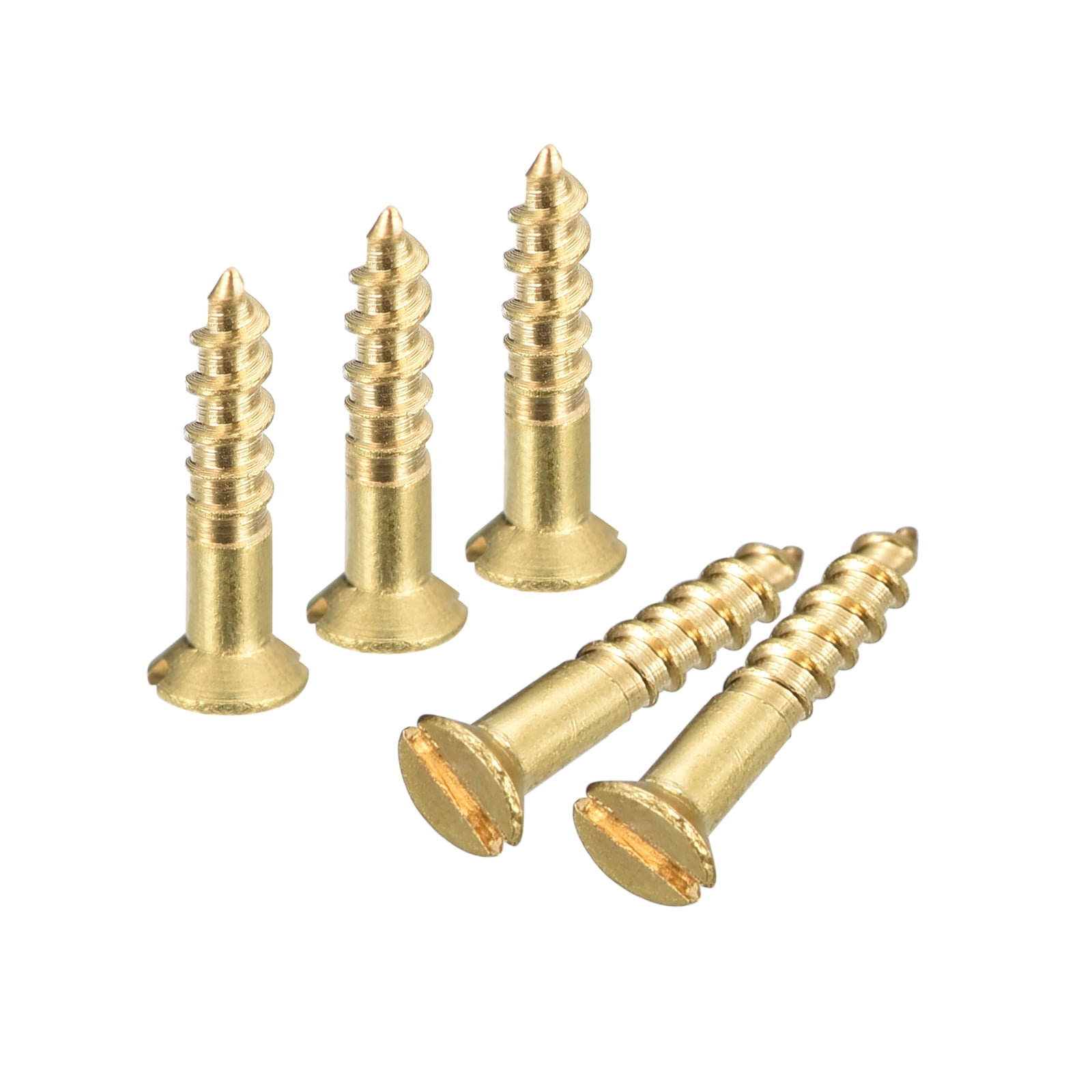
Fasteners join two or more objects together. Different jobs need different fasteners. Knowing the types helps choose the right one for each task. Here are the main types of fasteners used in many projects.
Screws And Bolts
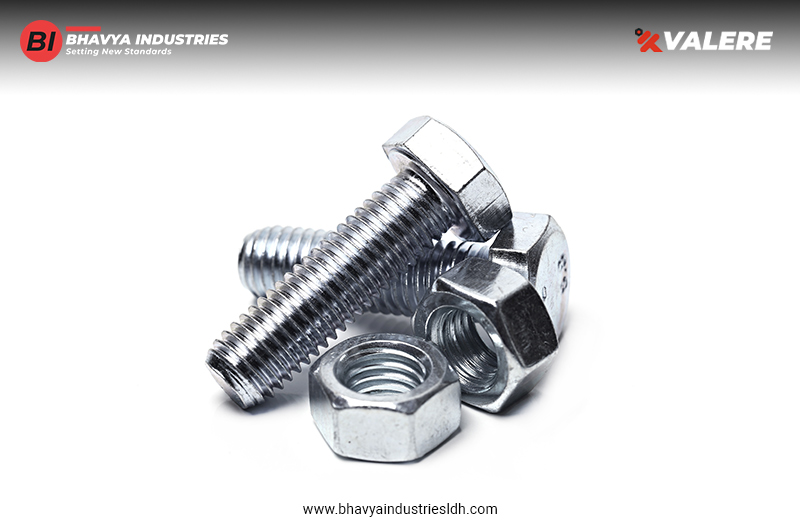
Screws have threads that dig into materials. They hold parts tightly and can be removed easily. Bolts work with nuts to clamp parts together. Both come in many sizes and shapes.
Nuts And Washers
Nuts fit onto bolts to secure joints. Washers sit under nuts or bolt heads to spread pressure. Washers protect surfaces and stop loosening. Using nuts and washers adds strength and stability.
Rivets And Clips
Rivets permanently join parts by deforming their ends. They are strong and reliable for metal or plastic. Clips hold items without tools. They are quick and easy to use for light connections.
Basic Hand Tools
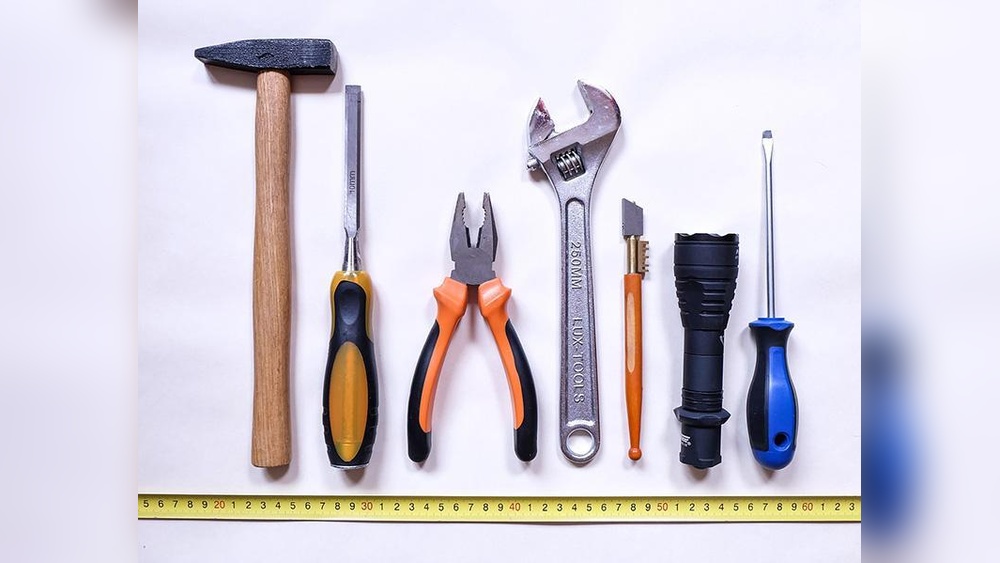
Basic hand tools are essential for working with fasteners. They help tighten or loosen screws, bolts, and nuts. Having the right tools makes the job easier and faster. These tools fit in any toolbox and are simple to use.
Screwdrivers
Screwdrivers turn screws in or out. They come in many types, like flathead and Phillips. Each fits a specific screw shape. Using the correct screwdriver prevents damage to screws and tools. Keep a set with different sizes for various tasks.
Wrenches And Spanners
Wrenches and spanners grip nuts and bolts. They come in fixed or adjustable sizes. Adjustable wrenches fit multiple bolt sizes. These tools help apply strong force to fasteners. Choose the right size to avoid slipping or rounding bolts.
Pliers
Pliers hold, bend, or cut wires and small fasteners. Needle-nose pliers reach tight spaces. Slip-joint pliers adjust to different widths. Pliers provide grip and control for delicate tasks. They are handy for gripping and twisting fasteners.
Power Tools For Fasteners
Power tools make fastener tasks faster and easier. They help drive screws and bolts with less effort. Using the right tool saves time and reduces hand strain. Power tools come in different types for various fasteners. Below are some common power tools for fastener jobs.
Cordless Drills
Cordless drills are versatile and easy to use. They work on screws, bolts, and small holes. Battery-powered drills give freedom to move anywhere. Adjustable speed settings help control the drilling process. They come with different drill bits for many tasks.
Impact Drivers
Impact drivers deliver strong, sudden force to fasteners. They work well with tough or large screws. These tools reduce slipping and stripping of screws. Compact size makes them good for tight spaces. Impact drivers save effort on hard materials.
Electric Screwdrivers
Electric screwdrivers are simple and lightweight tools. They help with quick screw driving in soft materials. These tools are great for small projects or furniture. They use less power than drills or drivers. Easy to handle for beginners and light tasks.

Credit: marshfasteners.com
Measuring And Marking Tools
Measuring and marking tools help ensure fasteners fit perfectly. These tools provide precise measurements and clear marks. Accurate measurement reduces mistakes and saves time. Marking tools guide where to place fasteners for strong holds.
Tape Measures
Tape measures are the most common measuring tools. They come in various lengths, usually 12 to 25 feet. The tape is flexible and easy to use on different surfaces. It helps measure distances quickly and accurately. Tape measures have clear numbers and marks for easy reading.
Calipers
Calipers measure thickness, diameter, and depth. They offer more precision than tape measures. These tools can measure small parts like screws and bolts. Digital calipers show exact numbers on a screen. They help check fastener sizes before use.
Marking Gauges
Marking gauges create straight and precise lines on wood or metal. They help mark the exact spot for drilling or screwing. These tools have adjustable arms for different measurements. Using a marking gauge prevents mistakes during installation. It improves the accuracy of fastener placement.
Specialty Fastening Tools
Specialty fastening tools are designed for specific tasks in fastening projects. They help to secure fasteners accurately and safely. These tools improve efficiency and ensure strong connections. Using the right specialty tool makes work easier and saves time.
Rivet Guns
Rivet guns fasten materials by driving rivets into place. They are essential for joining metal sheets and parts. Rivet guns come in manual, pneumatic, and electric types. Each type suits different project sizes and speeds. Using a rivet gun ensures tight and durable joints.
Torque Wrenches
Torque wrenches apply a precise amount of force to fasteners. This tool prevents over-tightening or under-tightening bolts and nuts. It is important for automotive and machinery work. Torque wrenches have adjustable settings for different torque levels. They protect fasteners and maintain safety.
Nut Drivers
Nut drivers tighten and loosen nuts and bolts quickly. They look like screwdrivers but have a socket tip. Nut drivers fit specific nut sizes for better grip. They reduce hand strain during repetitive tasks. This tool speeds up fastening in electrical and mechanical work.
Credit: www.g-locbrakes.com
Safety Gear And Accessories
Safety gear and accessories protect you while working with fasteners. They reduce the risk of injury and keep your workspace clean. Using the right gear helps you work faster and with more confidence.
Gloves And Eye Protection
Gloves protect your hands from sharp edges and rough surfaces. They also improve your grip on small fasteners. Eye protection shields your eyes from flying debris and dust. Safety glasses or goggles are a must-have in any fastener project.
Work Aprons
Work aprons keep your clothes clean and safe from spills. They provide extra pockets to hold tools and small fasteners. Wearing an apron helps you stay organized and focused on your task.
Storage And Organizers
Storage boxes and organizers keep fasteners sorted by size and type. This saves time and avoids frustration during work. Clear containers make it easy to find what you need fast. A tidy workspace means safer and more efficient work.
Selecting The Right Tools
Selecting the right tools for fasteners is important for any project. Using the correct tool ensures the fastener fits well and works properly. It also saves time and avoids damage to materials or tools. Choosing tools depends on the type of fastener, the job’s difficulty, and your budget. This section helps you make the best choice for your needs.
Matching Tools To Fastener Types
Different fasteners need different tools. Screws need screwdrivers or drill bits. Bolts require wrenches or socket sets. Nails work best with hammers or nail guns. Using the right tool fits the fastener perfectly. This prevents slipping or stripping the fastener head. Always check the fastener type before picking a tool.
Considering Job Complexity
Simple jobs need basic tools. Complex projects may need specialized or power tools. Tight spaces require compact or angled tools. Large jobs might need cordless or heavy-duty tools. Think about the work environment and task difficulty. Choose tools that make the job easier and faster.
Budget And Quality Factors
Set a budget before buying tools. Cheap tools may break or wear out fast. Quality tools last longer and work better. Invest in trusted brands for important projects. Balance cost and quality to get the best value. A good tool saves money in the long run.
Credit: bhavyaindustriesldh.com
Frequently Asked Questions
What Basic Tools Are Needed For Fastener Installation?
Basic tools include screwdrivers, wrenches, pliers, and a hammer. These tools help tighten or loosen various fasteners efficiently and safely. Having the right size and type ensures proper fit and prevents damage to fasteners or materials.
How Do I Choose The Right Screwdriver For Fasteners?
Choose a screwdriver matching the fastener head, like flathead or Phillips. Proper fit reduces slipping and damage. Consider handle comfort and tool durability for better control and longer tool life.
Why Are Torque Wrenches Important For Fastener Work?
Torque wrenches ensure fasteners are tightened to precise specifications. This prevents over-tightening or under-tightening, which can cause damage or failure. They improve safety and maintain the integrity of assemblies.
Can Power Tools Replace Manual Tools For Fasteners?
Power tools speed up fastening but may lack precision. Use them for repetitive tasks but switch to manual tools for delicate or precise work. Proper control prevents stripping or damaging fasteners.
Conclusion
Choosing the right tools makes working with fasteners much easier. Basic tools like screwdrivers, wrenches, and pliers cover most jobs. Power tools speed up larger projects and reduce effort. Always pick tools that fit the fastener size and type. Using proper tools helps avoid damage and saves time.
Keep your tools clean and in good shape for best results. With the right tools, fastening tasks become quick and simple. Getting started is easier than you think.

