Have you ever wondered how decks were attached to houses back in the 1960s? If you’re thinking about the safety and durability of older decks, this question matters more than you might realize.
Knowing whether nails or other fasteners were used can help you understand potential risks and what repairs might be needed for your home. You’ll discover the truth about deck fastening methods from that era and what it means for your deck’s stability today.
Keep reading to protect your investment and ensure your outdoor space stays safe for years to come.
Credit: www.energyvanguard.com
Deck Fastening Methods In The 1960s
Deck fastening in the 1960s followed basic methods and materials common at that time. Builders focused on simple, strong connections to keep decks safe. The choices reflected the tools and supplies available in that era. Understanding these methods helps explain how decks were built and why some last longer than others.
The fastening method shaped the deck’s strength and durability. This section covers the materials used, the debate between nails and screws, and the building codes guiding construction.
Common Materials Used
Wood was the main material for decks in the 1960s. Cedar and redwood were popular for their natural resistance to decay. Pine was also common but needed treatment to resist insects and rot. Fasteners were mostly made of steel, which could rust if not protected. Galvanized nails were sometimes used to slow corrosion but were less common than plain steel nails.
Nails Vs. Screws
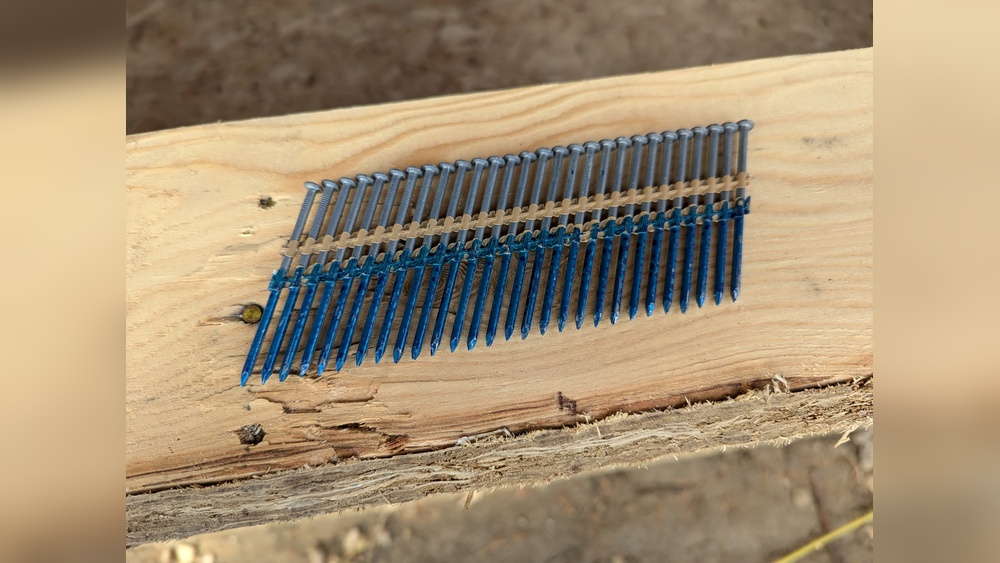
Nails were the primary fasteners for decks in the 1960s. They were quick to install and widely available. Screws existed but were less common and more expensive. Nails could loosen over time due to wood movement. Screws offered better holding power but were rarely used for deck framing. Builders trusted nails for their speed and tradition.
Building Codes And Practices
Building codes in the 1960s were less strict than today. Codes varied by region and often did not specify fastener types. Many decks were built using local customs and experience. Safety standards were simpler, focusing on basic structure and support. Inspectors checked general stability, not specific fastener details. This led to a wide range of fastening quality and methods.
Credit: nhpbs.org
Challenges Of Using Nails For Decks
Using nails to fasten decks to houses in the 1960s posed many challenges. Nails often failed to hold the structure firmly. This created problems for homeowners and builders alike. The way nails reacted to weather and time affected deck safety and lifespan.
Understanding these challenges helps explain why modern fastening methods improved deck construction. Here are the main issues with using nails for decks.
Durability Concerns
Nails could rust and weaken over time. This reduced their ability to hold deck boards tight. Rust also caused stains on wood surfaces. Nails often loosened, making decks unsafe to walk on. Constant repairs were common with nailed decks.
Weather Impact
Rain, snow, and heat affected nails badly. Wet conditions caused nails to corrode faster. Wood expansion and contraction pushed nails out. This made decks wobbly and unstable. Weather changes made nailed decks less reliable over years.
Structural Integrity
Nails did not provide strong, lasting joints. They could pull out under heavy weight or pressure. Decks fastened with nails often showed signs of sagging. This weakened the overall structure. Builders started seeking better fastening options for safety.
Alternatives To Nails In Deck Construction
In deck construction, nails were common but not the only option. Builders used various fasteners to create strong, lasting decks. These alternatives improved deck safety and durability. Understanding these options helps explain how decks were built in the past and how practices have evolved.
Bolts And Lag Screws
Bolts and lag screws offered stronger connections than nails. They held heavy wood pieces firmly together. Builders drilled holes first, then inserted bolts or screws. This method reduced wood splitting and increased stability. Lag screws have deep threads for a tight grip. Bolts require nuts and washers to secure them. These fasteners resisted weather damage better than nails.
Joist Hangers And Metal Connectors
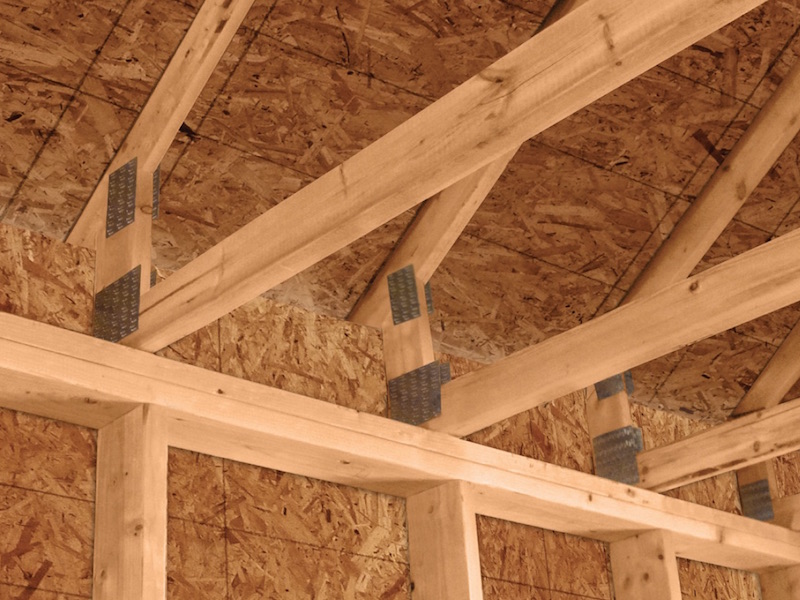
Joist hangers are metal brackets that support wood joists. They attach joists to beams or ledger boards. Metal connectors provide extra strength at joints. These pieces prevent wood movement and twisting. They also protect decks against strong winds and heavy loads. Builders nailed or screwed these connectors in place. Metal connectors helped decks last longer and stay safer over time.
Signs Of Nail Fastening In Older Decks
Older decks built in the 1960s often used nails to fasten the wood to the house. These nails can show clear signs of aging and wear. Knowing these signs helps assess the deck’s condition and safety.
Signs of nail fastening include visible nail heads, rust spots, and wood splitting near nails. These clues reveal how the deck was built and its current stability.
Visual Inspection Tips
Start by looking closely at the deck boards near the house wall. Old nails often stick out or are loose from the wood. Rusty nails leave orange or brown stains around them. Check for small cracks or splits near nail holes. These cracks weaken the wood and can lead to larger damage. Also, tap the wood with a tool. Hollow sounds may mean the wood is loose or damaged around nails.
Common Issues With Nail-fastened Decks
Nail-fastened decks often suffer from loose or popped nails. These nails no longer hold the wood tightly. Wood can shift or lift, creating unsafe spots. Rust from nails can spread and weaken the wood fibers. Moisture can seep through cracks, causing rot near nail holes. Over time, these problems reduce the deck’s strength and safety.
Modern Deck Fastening Improvements
Modern deck fastening has changed a lot from the 1960s. Builders now use stronger and safer methods. These updates help decks last longer and stay safe under all weather conditions.
Fastening is no longer just about nails. New tools and rules guide how decks attach to houses. This makes decks more stable and reduces the risk of accidents.
Advancements In Fastening Technology
Fastening tools have improved significantly. Screws replace many nails because they hold better. Special connectors and brackets add extra strength. These parts resist rust and weather damage. Builders can install decks faster and with more accuracy.
Updated Building Codes
Building codes now require stronger fastening methods. Rules focus on safety and durability. Inspectors check for proper fasteners and connections. Codes also include guidance on materials that resist corrosion. This protects decks from weakening over time.
Best Practices Today
Today, using screws or bolts is standard. Metal connectors secure decks to houses firmly. Builders also use flashing to prevent water damage. Regular inspections keep decks safe for many years. These steps help avoid costly repairs and accidents.

Credit: shop.hancocklumber.com
Frequently Asked Questions
Were Nails Commonly Used To Fasten Decks In The 1960s?
Yes, nails were the primary fasteners for decks in the 1960s. Builders often used common nails, though they lacked the strength of modern screws or bolts. This method was standard but sometimes led to weaker deck connections over time.
What Types Of Nails Were Used For Deck Fastening In 1960s?
In the 1960s, builders mainly used common wire nails or spiral nails for deck fastening. These nails were less corrosion-resistant and had less holding power than today’s specialized deck screws or galvanized fasteners.
How Safe Were Nail-fastened Decks From The 1960s?
Decks fastened with nails in the 1960s were generally safe when properly built. However, nails could loosen over time due to wood movement and weather exposure, potentially compromising deck stability compared to modern fastening methods.
Did Builders Use Screws Instead Of Nails For Decks In 1960s?
Screws were rarely used for deck fastening in the 1960s. Nails were preferred due to cost and availability. Screws became more popular later because they offer better holding strength and durability for outdoor decks.
Conclusion
Decks in the 1960s were often fastened to houses using nails. This method was common but not always the strongest choice. Over time, builders learned that screws or bolts work better for safety. Today, many recommend using bolts for a secure connection.
Understanding old building methods helps when inspecting or fixing older decks. Knowing this can keep your deck safe and stable. Simple changes make a big difference in home safety.


