Are you curious about what holds many things together in your daily life? Whether it’s the metal parts of a bridge, the body of your car, or even your favorite backpack, there’s a strong chance rivets are playing a key role.
But what exactly are rivets, and why are they so important as fasteners? If you want to understand how rivets work and why they might be the perfect choice for your next project, keep reading. This simple yet powerful fastening method could change the way you think about building and fixing things.
What Are Rivets
Rivets are small mechanical fasteners used to join two or more materials. They create a permanent bond that holds parts tightly together. You see rivets in many products, from airplanes to bridges and even clothing.
These fasteners have a simple design. A rivet consists of a smooth cylindrical shaft with a head on one end. The other end is deformed after insertion to hold materials firmly.
Rivets work by passing through holes in the materials to be joined. Once inserted, the tail end is hammered or pressed to form a second head. This process clamps the materials between the two heads, locking them together.
There are many types of rivets. Common ones include solid rivets, blind rivets, and tubular rivets. Each type serves different purposes based on strength and ease of installation.
Materials Used For Rivets
Rivets come in various materials such as aluminum, steel, copper, and brass. The choice depends on the application and required strength. Aluminum is popular for lightweight uses.

Credit: www.amazon.com
Types Of Rivets
Rivets are simple tools used to hold two materials tightly. Different types of rivets serve various purposes. Each type fits specific needs in construction and repair work. Understanding these types helps choose the right rivet for the job.
Solid Rivets
Solid rivets are strong and reliable. They have no hollow parts and need hammering or pressing to set. Used in aircraft, bridges, and heavy structures. They create a permanent bond that resists vibration and stress.
Blind Rivets
Blind rivets work well when you can access only one side. They have a pin inside that pulls and locks the rivet in place. Common in automotive and home repair. Easy to install and fast to use.
Drive Rivets
Drive rivets are set by hitting the head with a hammer. The impact spreads the tail, holding materials together. Used in light-duty applications like metal sheets and panels. They do not need special tools to install.
Tubular Rivets
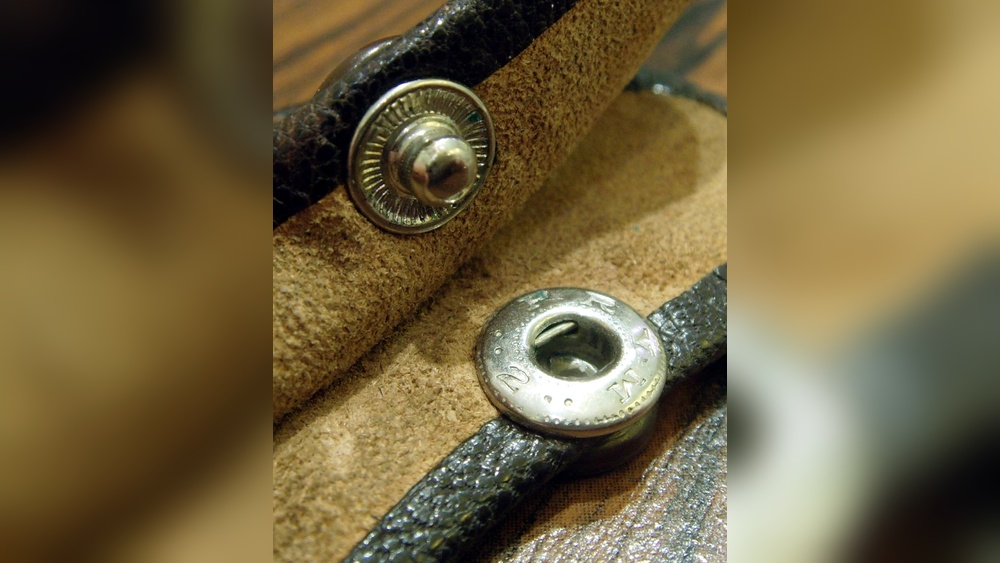
Tubular rivets have a hollow shaft. They require less force to set than solid rivets. Often used in leather, fabric, and light metal work. Easy to install with simple tools and provide a neat finish.
Materials Used In Rivets
Rivets come in different materials to suit many uses. The choice depends on strength, weight, and environment. Each material offers unique benefits for fastening.
Aluminum Rivets
Aluminum rivets are light and resistant to rust. They work well in aircraft and boats. These rivets are easy to install and ideal for light-duty tasks. They do not corrode easily in wet conditions.
Steel Rivets
Steel rivets are strong and durable. They can hold heavy parts tightly. Steel rivets are common in construction and machinery. They may rust if not coated or painted.
Copper Rivets
Copper rivets are soft and flexible. They provide good electrical conductivity. Copper is often used in electrical and decorative projects. These rivets resist corrosion in salty air.
Stainless Steel Rivets
Stainless steel rivets resist rust and stains well. They last long in harsh environments. These rivets are perfect for outdoor and marine use. They maintain strength without corroding over time.
How Rivets Work
Rivets are simple yet strong fasteners used to join materials together. They work by creating a permanent bond that holds parts tightly. Understanding how rivets work helps to see why they remain popular in many industries.
What Happens When You Insert A Rivet
A rivet is placed through aligned holes in two or more pieces. One end, called the head, stays visible outside the materials. The other end is soft and unshaped before setting.
Deforming The Rivet To Lock It
The soft end is pushed and shaped by a tool. This forms a second head inside the materials. The result is a clamp that holds the pieces tightly together.
Why Rivets Are Strong
Because the rivet spreads inside the joint, it resists pulling apart. It also spreads the load evenly across the materials. This makes the connection very durable and stable.
Tools Used To Set Rivets
Common tools include a hammer or a rivet gun. These tools apply force to shape the rivet end quickly. This process is called “setting” the rivet.
Permanent And Reliable Connections
Once set, rivets cannot be removed without damage. This makes them ideal for permanent joints. They provide a reliable and lasting fastening solution.
Advantages Of Rivet Fastening
Rivet fastening offers many benefits for joining materials. It creates a strong and lasting connection. This makes it popular in construction, manufacturing, and other industries. Rivets are simple to install and work well with different materials. Their unique properties make rivets reliable for many projects.
Below are some key advantages of using rivet fasteners.
Strength And Durability
Rivets provide excellent strength to joints. They hold materials tightly together. This strength lasts even under heavy loads. Rivets resist wear and tear over time. They keep the connection secure for years.
Resistance To Vibrations
Rivets perform well in environments with constant movement. They do not loosen easily from vibrations. This makes them ideal for machines and vehicles. The joint stays stable and safe.
Permanent Bonding
Rivet fastening creates a permanent bond. Once installed, rivets do not come apart. This ensures long-term reliability. It prevents the joint from failing or slipping.
Cost-effectiveness
Rivets are affordable and save money. They require simple tools for installation. The process is quick and reduces labor costs. Rivets also lower maintenance expenses over time.
Credit: www.scottsdalesteelframes.com
Common Applications Of Rivets
Rivets are simple yet strong fasteners used in many industries. They join materials by creating a permanent bond. This makes them ideal for structures requiring lasting strength. Their wide use comes from reliability and ease of installation. Below are some common applications where rivets play a key role.
Aerospace Industry
Rivets hold aircraft parts together securely. They withstand high pressure and vibration during flight. Lightweight metals like aluminum are often joined using rivets. This helps keep the aircraft light and strong. Safety standards in aerospace rely heavily on rivet fasteners.
Automotive Manufacturing
Cars use rivets to connect body panels and frames. They provide stable joints that resist movement and wear. Rivets are also common in attaching interior parts. Their durability improves the vehicle’s lifespan and safety. Fast assembly is another benefit in car production.
Construction And Infrastructure
Steel beams and metal structures are often joined with rivets. They create strong connections that support heavy loads. Bridges, buildings, and towers use rivets for long-lasting stability. Rivets resist loosening from vibrations and weather changes. This makes them trusted in construction projects.
Electronics And Appliances
Small rivets connect parts inside electronic devices. They hold circuit boards and metal casings together. Rivets also secure components in household appliances. Their compact size fits well in tight spaces. Reliable fastening ensures device durability over time.
Rivets Vs Other Fasteners
Rivets are a popular type of fastener used in many industries. They hold materials together by creating a permanent bond. Rivets differ from other fasteners in many ways. Understanding these differences helps you pick the right fastener for your project.
Below, we compare rivets with screws, bolts, and welding. Each method has its own strengths and weaknesses.
Comparison With Screws And Bolts
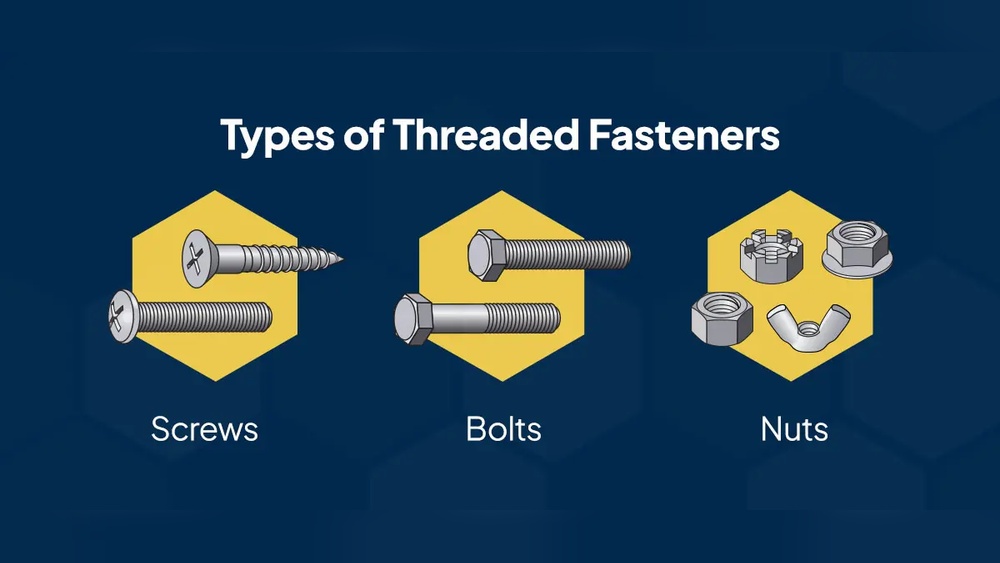
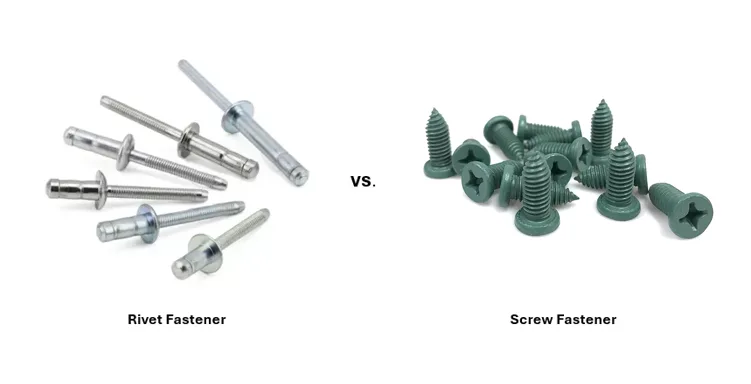
Screws and bolts are threaded fasteners. They can be removed and reused. Rivets are not removable once installed. Screws and bolts require pre-made holes and tools like wrenches. Rivets use a special tool that deforms the rivet to hold materials. Screws and bolts work well for parts that need frequent disassembly. Rivets suit permanent joints and thin materials.
When To Choose Rivets Over Welding
Welding joins metals by melting them together. Rivets join without heat. Rivets are better for thin or heat-sensitive materials. Welding requires skilled labor and special equipment. Riveting is quicker and simpler on the job site. Rivets also avoid warping or weakening metals. Choose rivets for lightweight structures and when heat could damage parts.
Limitations Of Rivets
Rivets cannot be undone easily. This limits their use in adjustable assemblies. They may not hold as much weight as bolts or screws. Rivets require access to both sides of the material. They can cause stress points or cracks if installed incorrectly. Rivets are less suitable for thick or heavy-duty applications. Proper tool use and material choice are important.

Credit: baitalnuhas.com
Installation Techniques
Rivets are simple, strong fasteners used in many industries. Installing rivets requires specific techniques. These methods ensure a secure hold and long-lasting joints. The choice of installation depends on the project size and tools available.
Manual Riveting
Manual riveting uses hand tools like a hammer and rivet gun. This method works well for small jobs and tight spaces. It needs skill and steady hands to set rivets properly. Manual riveting is low-cost and requires little equipment.
Hydraulic And Pneumatic Tools
Hydraulic and pneumatic tools make riveting faster and easier. These tools use air or fluid pressure to pull the rivet tight. They reduce physical effort and improve consistency in large projects. Many industries prefer these tools for their speed and power.
Automated Riveting Systems
Automated systems use machines to install rivets quickly and precisely. These systems are common in car and airplane manufacturing. They increase production speed and reduce human error. Automated riveting works best for high-volume, repetitive tasks.
Maintenance And Inspection
Maintenance and inspection keep rivet fasteners safe and strong. Regular checks help find small problems early. This saves time and money by avoiding big repairs. Proper care extends the life of rivets and the structures they hold together.
Checking For Wear And Tear
Look closely at rivets for signs of wear. Rust, cracks, or loose heads show damage. Use a flashlight to see hidden spots. Test rivets by gently tapping with a hammer. Listen for unusual sounds that mean weakness.
Replacing Damaged Rivets
Remove rivets that show damage or looseness. Use the right tools to avoid harming the material. Replace with new rivets that match size and type. Secure the new rivets tightly for a strong bond. Check the surrounding area for other weak points.
Ensuring Bond Integrity
Check the connection between rivets and materials. Look for gaps or movement in the joint. Tight rivets keep parts firmly connected. Clean the area to prevent dirt from causing damage. Regular inspection keeps the bond reliable and safe.
Frequently Asked Questions
What Are Rivets Used For In Fastening?
Rivets are permanent mechanical fasteners used to join materials. They provide strong, durable bonds in metal, wood, and plastic assemblies. Rivets are commonly used in construction, automotive, and aerospace industries for secure, vibration-resistant connections.
How Do Rivets Differ From Screws And Bolts?
Unlike screws and bolts, rivets create a permanent joint. Screws and bolts can be removed easily, but rivets require drilling to remove. Rivets are ideal for applications needing a strong, tamper-proof bond.
Are Rivets Considered Fasteners In Manufacturing?
Yes, rivets are classified as fasteners in manufacturing. They securely hold parts together, ensuring structural integrity. Rivets are essential for assembling components where welding or adhesives are unsuitable.
What Materials Are Rivets Commonly Made From?
Rivets are typically made from aluminum, steel, copper, or brass. The material choice depends on the application’s strength, corrosion resistance, and weight requirements. Aluminum rivets are lightweight, while steel rivets offer higher strength.
Conclusion
Rivets fasteners hold materials firmly together. They provide strong, lasting connections. Rivets work well in many industries and projects. They resist vibration and do not loosen easily. Using rivets often saves time and effort. Simple tools can install rivets quickly.
Choosing the right type ensures the best results. Rivets remain a reliable choice for many tasks. Understanding their benefits helps you decide wisely. Rivets truly play an important role in fastening.