Have you ever wondered if there are times when you don’t need to fasten your seatbelt as a passenger? You probably know that buckling up is crucial for safety, but are there exceptions?
Understanding when your seatbelt isn’t required can save you confusion and help you stay compliant with the rules. Keep reading to discover the surprising situations where you might not need to buckle up—and why it matters for your safety and peace of mind.

Credit: apnews.com
Seatbelt Laws Around The World
Seatbelt laws differ greatly worldwide. Each country sets its own rules about who must wear a seatbelt and when.
These rules aim to protect passengers and reduce injuries during accidents. Still, there are times when passengers do not need to fasten their seatbelts. Understanding these exceptions helps travelers and locals stay safe and legal.
Variations In Regulations
Some countries require seatbelts for all vehicle passengers at all times. Others allow exceptions based on road type or speed. For example, in certain rural areas, seatbelt use might not be mandatory.
Rules can also differ between front and back seats. In many places, front-seat passengers must wear seatbelts, but back-seat passengers may have more leniency.
Age And Vehicle Type Exceptions
Young children often have special rules. Many countries require child safety seats instead of regular seatbelts. Babies in rear-facing seats may not use seatbelts at all.
Older adults or people with medical conditions sometimes get exemptions. They might carry official documents to prove this.
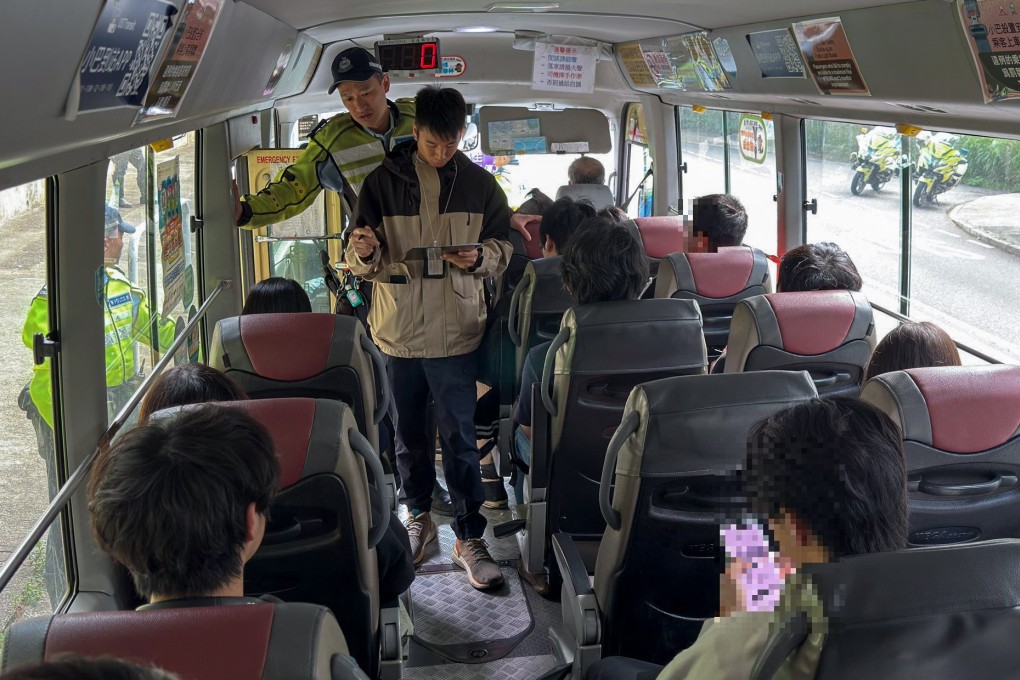
Certain vehicles, like taxis or buses, may have different rules. Passengers in these vehicles sometimes do not need to wear seatbelts, depending on local laws.
Credit: www.scmp.com
Medical Exemptions
Medical exemptions allow some passengers to skip fastening seatbelts. These rules help people with certain health issues stay safe without discomfort. Airlines and regulators set clear guidelines on when exemptions apply. Knowing these rules helps avoid trouble during travel.
Common Medical Conditions
Some health problems make seatbelts unsafe or painful. People with severe skin conditions may find belts irritating. Those with recent surgery or medical devices might need to avoid pressure. Certain heart or lung conditions can worsen with tight belts. Each case is unique and needs careful consideration.
Obtaining Medical Certificates
Passengers must get a medical certificate for exemption. A doctor must confirm the condition and need for no seatbelt. Certificates usually state the exemption duration and any special instructions. Airlines may ask to see this paper before boarding. Keeping the certificate handy ensures smooth travel.
Special Vehicle Situations
Some vehicles have special rules about seatbelt use. These rules depend on the vehicle type and its purpose. Understanding these exceptions helps you know when seatbelts are not required.
Special vehicle situations focus on safety and function. The law often allows passengers not to wear seatbelts in specific cases. These exceptions include emergency vehicles and certain public transport vehicles.
Emergency Vehicles
Emergency vehicles like ambulances, fire trucks, and police cars have different rules. Passengers and drivers may not need to wear seatbelts during urgent missions. The focus is on quick action and saving lives.
Seatbelt use in these vehicles depends on the situation. When responding to emergencies, seatbelt use may be unsafe or impractical. The law usually grants exceptions to help emergency workers perform their duties.
School Buses And Public Transport
School buses often do not require seatbelts for passengers. These vehicles have special safety designs like high padded seats. These designs help protect children without seatbelts.
Public transport vehicles like city buses also follow different rules. Passengers are usually not required to wear seatbelts. These vehicles focus on quick stops and frequent passenger movement.
Short Distance And Low-speed Exceptions
Passengers usually must fasten their seatbelts for safety. Yet, some short distance and low-speed situations allow exceptions. These exceptions vary by law and location. Understanding these rules helps passengers stay safe and legal.
When It Might Be Permissible
Some places allow passengers to skip seatbelts inside private property. Examples include driving slowly in a driveway or parking lot. Short rides at very low speeds may also be exceptions. Certain vehicles, like buses or taxis, might have different rules. Always check local laws before deciding not to wear a seatbelt.
Risks Involved
Not wearing a seatbelt increases injury risk, even at low speeds. Sudden stops or turns can cause falls or hits inside the vehicle. In collisions, unbelted passengers face higher chances of serious harm. Laws exist to reduce these risks for all passengers. Wearing a seatbelt remains the safest choice in nearly every case.
Child Seatbelt Rules
Child seatbelt rules are very important for safety on the road. Children need special care because their bodies are smaller and more fragile. The right seatbelt or safety device helps protect them in case of a crash. Understanding these rules keeps children safer during every trip.
Age And Weight Considerations
Children under a certain age must use child safety seats. Usually, kids younger than 8 years old need special seats. Weight also matters. A child must fit the seat’s weight limit to use it safely. Booster seats help older children who are too small for regular seatbelts. These rules prevent injuries and keep children secure.
Alternative Safety Devices
Sometimes, other safety devices replace seatbelts for young kids. Car seats with harnesses offer extra protection. These seats hold children firmly in place. Some vehicles have built-in child restraints for easier use. Parents should always choose devices approved by safety authorities. These devices provide extra care beyond regular seatbelts.

Credit: www.reddit.com
Legal Consequences Of Non-compliance
Not fastening a seatbelt can lead to serious legal trouble. Laws require passengers to wear seatbelts for safety. Breaking these laws causes penalties and other issues.
Fines And Penalties
Authorities often fine passengers who do not fasten their seatbelts. These fines vary by location but can be costly. Some places add points to the driver’s license too. Repeated offenses can increase the fines and penalties. Law enforcement takes seatbelt rules seriously to protect everyone.
Impact On Insurance
Insurance companies may refuse to pay full claims if seatbelts are not used. This can lead to higher out-of-pocket costs after accidents. Some policies have clauses that reduce coverage for non-compliance. Insurance premiums can rise after a ticket for not wearing a seatbelt. Using seatbelts helps avoid these financial risks.
Safety Recommendations Despite Exceptions
There are rare moments when passengers do not need to fasten their seatbelts. These exceptions exist for specific situations, such as during certain medical conditions or in some emergency cases. Still, safety experts strongly advise keeping seatbelts on during most parts of the trip. The risks of not wearing a seatbelt often outweigh the rare exceptions.
Why Seatbelts Are Still Important
Seatbelts save lives by holding passengers in place during sudden stops. They prevent passengers from hitting hard surfaces inside the vehicle. Even at low speeds, accidents can cause serious injuries without seatbelts. Seatbelts also reduce the chance of being thrown out of the vehicle. Wearing a seatbelt is a simple step to protect yourself every time you travel.
Best Practices For Passenger Safety
Always fasten your seatbelt as soon as you sit down. Make sure the belt fits snugly across your chest and lap. Avoid placing the belt behind your back or under your arm. Children should use appropriate car seats or booster seats. Stay seated and keep your seatbelt on until the vehicle stops completely. These habits keep everyone safer on the road.
Frequently Asked Questions
When Are Passengers Allowed To Remove Seatbelts?
Passengers may remove seatbelts when the vehicle is parked or stationary for extended periods. Also, during emergencies or medical conditions, removal might be permitted. However, seatbelt use is mandatory during transit for safety and legal reasons.
Are Seatbelts Required On Short Trips?
Yes, seatbelts are required on all trips, regardless of distance. Even short trips carry risks of sudden stops or accidents. Wearing seatbelts ensures maximum protection and complies with traffic laws.
Can Children Ride Without Seatbelts?
Children must always use appropriate car seats or seatbelts based on age and size. Regulations vary, but safety guidelines strongly recommend proper restraint to prevent injury during travel.
When Do Flight Passengers Not Need Seatbelts?
Flight passengers can remove seatbelts only when the seatbelt sign is off, and the plane is cruising without turbulence. They must fasten seatbelts during takeoff, landing, and turbulence for safety.
Conclusion
Passengers usually must wear seatbelts for safety. Exceptions exist but are rare and specific. Babies in car seats don’t wear regular seatbelts. Some medical conditions may allow a waiver. Emergency vehicles might have different rules. Always follow local laws and airline policies.
Safety comes first, so use seatbelts when needed. Knowing the rules helps avoid fines and risks. Stay safe, stay informed, and buckle up when required.