Do you ever find yourself puzzled by the numbers and letters on fasteners? Knowing how to read fastener sizes can save you time, money, and frustration.
Whether you’re fixing something at home or working on a big project, understanding these sizes helps you pick the right part every time. You’ll discover simple tips to quickly decode fastener sizes like a pro. Keep reading to unlock the secrets that will make your next repair or build smoother and more efficient.
Types Of Fasteners
Fasteners hold parts together in many projects. They come in many types. Each type serves a different purpose. Knowing the types helps you choose the right one.
Fasteners vary by shape, size, and use. Some are simple, others more complex. Understanding these types makes reading fastener sizes easier.
Common Fastener Varieties
Screws are popular fasteners. They have threads that grip materials tightly. Nails are simpler, with smooth shafts and sharp points. Bolts look like screws but need nuts to hold parts. Washers add strength and protect surfaces. Rivets join materials permanently. Clips and pins hold parts without threads. Each variety fits different tasks and materials.
Material And Finish
Fasteners come in different materials. Steel is strong and common. Stainless steel resists rust and lasts longer. Brass looks nice and resists corrosion. Aluminum is light but less strong. Finishes protect fasteners from rust and wear. Zinc coating stops rust. Black oxide adds mild protection and a dark look. Choose material and finish based on your needs and environment.
Credit: www.youtube.com
Fastener Size Basics
Understanding fastener sizes helps you pick the right part for your project. Fasteners come in many shapes and sizes. Knowing the basics makes your work easier and safer. Size tells you about the fastener’s fit and strength. Two main size details are diameter and length. These details guide you to the perfect fastener.
Diameter Measurements
Diameter is the width of the fastener’s shaft. It tells how thick the fastener is. Diameter is usually measured in millimeters or inches. For screws and bolts, it means the outer thread width. A bigger diameter means a stronger fastener. Diameter size helps match the fastener with the hole or nut.
Length Specifications
Length shows how long the fastener is from end to end. It affects how deep the fastener goes into the material. For screws, length is measured from the tip to under the head. For bolts, it measures from under the head to the tip. Choosing the right length keeps the parts tight and secure.
Thread Details
Thread details are key to understanding fastener sizes. They tell you how the fastener screws into a material or another part. Knowing thread details helps choose the right fastener for your project.
Thread Pitch And Count
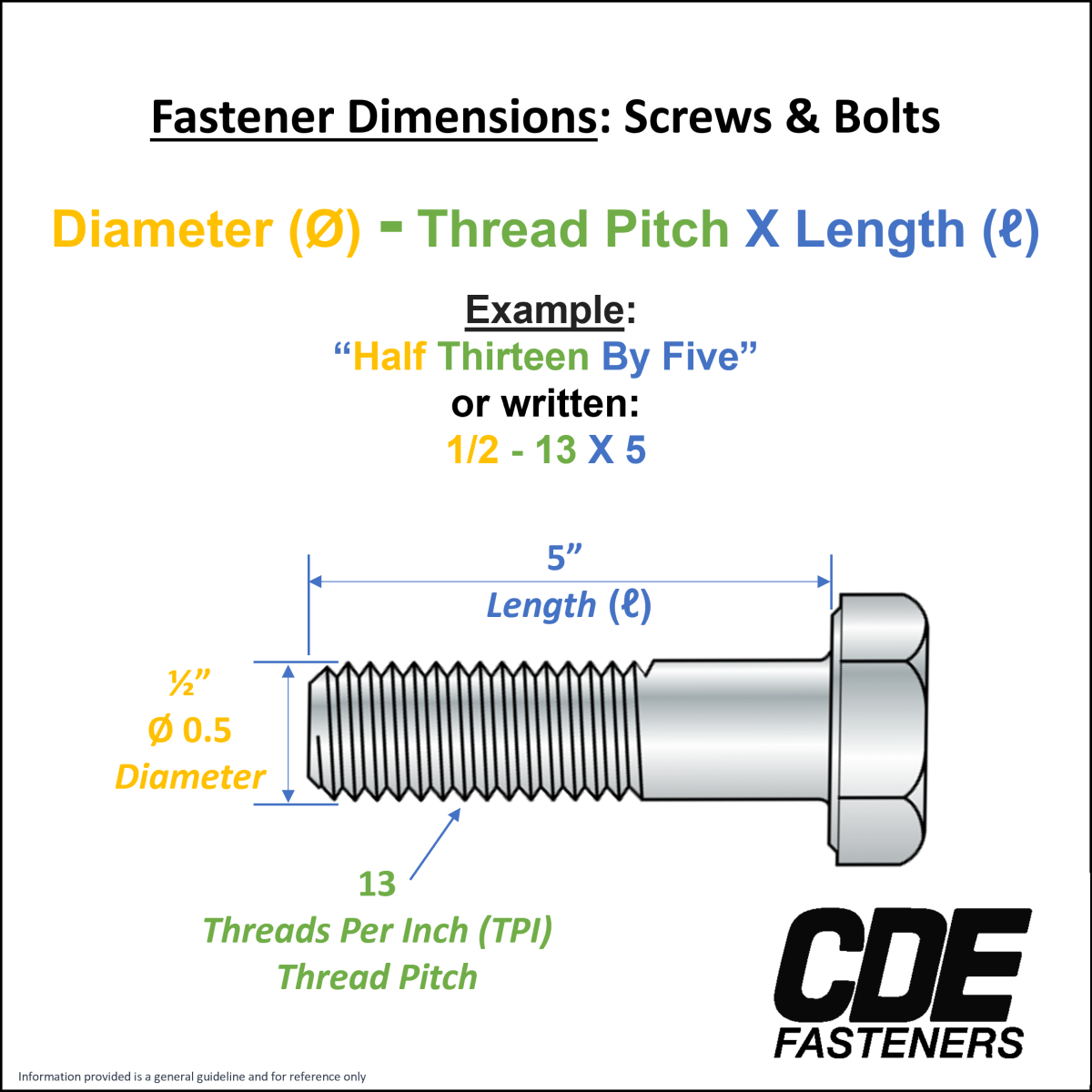
Thread pitch means the distance between threads. It is usually measured in millimeters or threads per inch. A smaller pitch means threads are closer together. Larger pitch means threads are farther apart. Thread count is the number of threads in one inch. Both pitch and count affect how tight a fastener fits.
Coarse Vs Fine Threads
Coarse threads have fewer threads per inch. They are thicker and stronger. Coarse threads are good for soft materials and quick assembly. Fine threads have more threads per inch. They are thinner and provide better grip. Fine threads work well in hard materials and precision tasks.
Credit: cdefasteners.com
Markings And Codes
Fasteners carry important markings and codes. These help identify their size, strength, and type. Understanding these marks saves time and prevents errors. It also ensures you pick the right fastener for your project.
Head Stamps And Symbols
Head stamps appear on the fastener’s top surface. They show key details like grade and material. Symbols may include numbers, letters, or shapes. For example, a triangle might mean a specific steel grade.
These marks help tell the fastener’s strength class. They also show the manufacturer’s quality standards. Checking head stamps is quick and easy. It helps avoid using weak or wrong fasteners.
Manufacturer Codes
Manufacturer codes identify who made the fastener. These codes are often letters or short numbers. They track production batches and quality control.
Knowing the manufacturer code helps trace product origin. It also confirms the fastener meets industry standards. This information is useful for warranty and safety checks.
Tools For Measuring
Measuring fastener sizes needs the right tools. Accurate tools help you find the exact size. This avoids mistakes and ensures a proper fit. Two common tools are calipers and thread gauges. Each tool has a unique role in measuring fasteners.
Calipers And Micrometers
Calipers measure the outer diameter of bolts and screws. They can also measure inside diameters and depths. Digital calipers show quick and clear readings. Micrometers give even more precise measurements. They work well for small fasteners. Both tools are easy to use with a little practice.
Thread Gauges
Thread gauges check the thread pitch of screws and bolts. They help identify thread size and type. Using a thread gauge avoids mismatching threads. It fits into the threads to measure their spacing. Thread gauges come in different styles for various fasteners. This tool is essential for choosing the right nut or bolt.

Credit: www.essentracomponents.com
Interpreting Fastener Labels
Reading fastener labels can feel confusing. Labels show the size and type of the fastener. They help you pick the right one for your project. Understanding these labels saves time and avoids mistakes. Let’s break down how to read these labels clearly.
Standard Size Labels
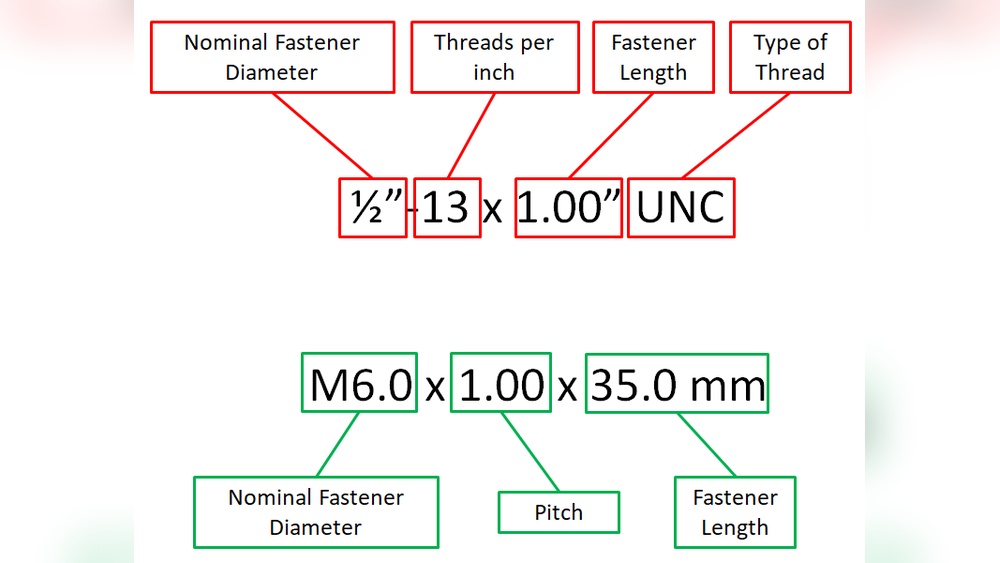
Standard fastener labels use numbers and letters. The number usually shows the diameter or width. Letters might tell the thread pitch or material type. For example, a label like “8-32” means size 8 with 32 threads per inch. The first number gives the size, and the second shows the thread count. This system works well for screws and bolts in the U.S.
Sometimes, labels include length after the size. A label like “1/4-20 x 1” means a quarter-inch diameter, 20 threads per inch, and 1 inch long. This format helps you quickly find the right fastener without guessing.
Metric Vs Imperial Units
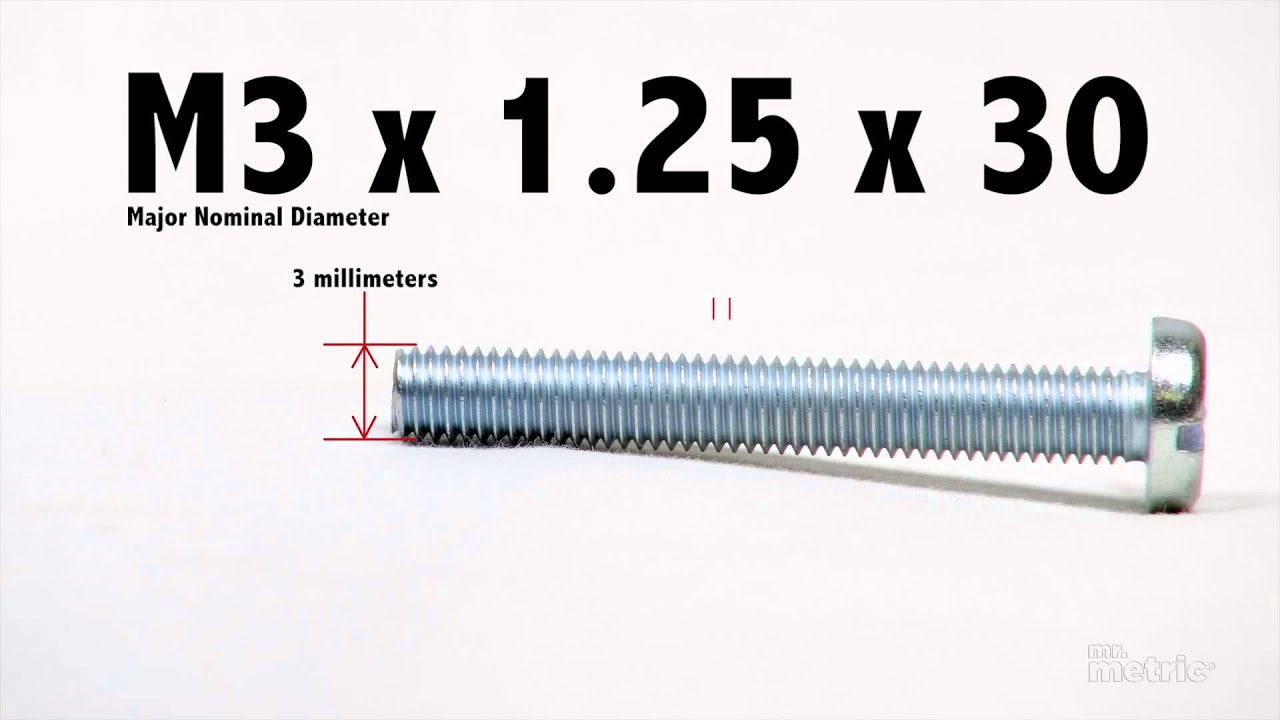
Fasteners use two common measurement systems: metric and imperial. Metric sizes use millimeters for diameter and length. For example, “M6 x 20” means 6 mm diameter and 20 mm length. Thread pitch is also metric, shown as millimeters between threads.
Imperial sizes use inches. They may show diameter in fractions or numbers and threads per inch. For example, “1/4-20” means a 0.25-inch diameter with 20 threads per inch. Knowing which system the label uses is important. Mixing these up can cause fitting problems.
Look for the letter “M” for metric labels. Imperial labels usually have a number or fraction without “M.” This helps you tell them apart quickly.
Common Mistakes To Avoid
Reading fastener sizes correctly is important for any project. Mistakes can cause problems with fit and function. Avoid these common errors to ensure you pick the right fastener every time.
Misreading Thread Size
Thread size tells you the diameter and pitch of the fastener. Confusing these numbers can lead to wrong fits. Always check the thread pitch carefully. Use the right tools to measure it. Don’t guess based on appearance alone.
Ignoring Tolerance Differences
Tolerances show how much a size can vary. Overlooking these can cause parts to be too tight or loose. Know the tolerance class for your fastener. This helps match parts that fit well together. Small differences matter in tight assemblies.
Frequently Asked Questions
What Do Fastener Sizes Mean?
Fastener sizes indicate the diameter, length, and thread pitch of a screw or bolt. These measurements help you select the right fastener for your project. Proper sizing ensures a secure fit and prevents damage to materials.
How Do I Measure Fastener Thread Size?
Use a thread gauge or caliper to measure the thread diameter and pitch. Count the number of threads per inch or millimeter. This helps identify the correct size and ensures compatibility with nuts or tapped holes.
Why Is Fastener Length Important?
Fastener length determines how deep it goes into materials. Choosing the right length avoids weak joints or material damage. Always measure the combined thickness of materials before selecting the fastener length.
How To Read Metric Fastener Sizes?
Metric fasteners use millimeters to specify diameter and length. Thread pitch is measured in millimeters between threads. For example, M6x20 means a 6mm diameter and 20mm length bolt with standard pitch.
Conclusion
Reading fastener sizes is easier with practice and attention to detail. Remember the key measurements: diameter, length, and thread count. Use charts and guides to help identify sizes quickly. Knowing these basics saves time and avoids mistakes during projects. Keep tools and charts handy for quick reference.
Soon, reading fastener sizes will feel natural and clear. This skill helps in repairs, building, and more. Trust yourself and keep learning step by step.