When you’re working with fasteners, one tool can make all the difference in keeping things steady and secure. Have you ever struggled with a fastener slipping or spinning out of control while you try to tighten or loosen it?
Knowing exactly what wrench to use to hold a fastener in place can save you time, frustration, and even damage to your project. You’ll discover the best type of wrench designed specifically for holding fasteners firmly, so you can work with confidence and ease.
Keep reading to find out which tool will become your new go-to in every repair or build.
Types Of Wrenches For Holding Fasteners
Wrenches are essential tools for holding fasteners in place during tightening or loosening. Different wrench types fit various fasteners and tasks. Choosing the right wrench improves grip and prevents damage. This section explores common wrenches designed to hold fasteners securely.
Adjustable Wrenches
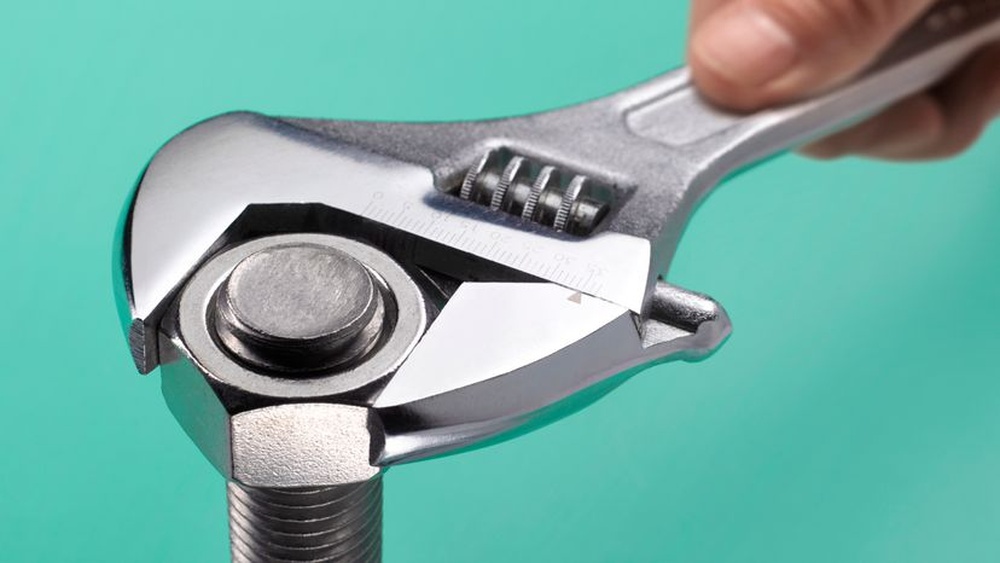
Adjustable wrenches have a movable jaw. They fit many fastener sizes. This makes them versatile for different jobs. The jaw tightens around the fastener to hold it firmly. They work well when you need one tool for many fasteners.
Box-end Wrenches
Box-end wrenches fully encircle the fastener head. This gives a strong grip and reduces slipping. They come in fixed sizes to match fasteners perfectly. Box-end wrenches are great for tight spaces and hard-to-turn bolts.
Open-end Wrenches
Open-end wrenches have two U-shaped jaws. They slide onto fasteners from the side. This allows quick placement and removal. Open-end wrenches fit fasteners with flat sides. They work best for fasteners easy to reach.
Combination Wrenches
Combination wrenches offer two tools in one. One end is an open-end wrench. The other end is a box-end wrench. This design lets you switch grips without changing tools. Combination wrenches save time and space in your toolkit.
Locking Pliers And Wrenches
Locking pliers clamp tightly on fasteners. They lock in place to hold fasteners firmly. These tools suit odd-shaped or damaged fasteners. Locking wrenches provide extra grip when regular wrenches slip. They are handy for tough, stubborn bolts.
Choosing The Right Wrench Size
Choosing the right wrench size is key to holding a fastener firmly. The correct fit prevents damage and makes work easier. Using the wrong size can strip the fastener or slip off during use. Knowing how to measure and match sizes helps select the best wrench every time.
Measuring Fastener Dimensions
Start by measuring the fastener’s width across the flats. This is the distance between two opposite sides of the fastener head. Use a caliper or ruler for an accurate measurement. Knowing this size helps find a wrench that fits snugly. Avoid guessing, as even small size errors cause slipping.
Standard Vs Metric Sizes
Fasteners come in two main size systems: standard and metric. Standard sizes use inches, while metric sizes use millimeters. A wrench for a 10 mm fastener will not fit a 3/8 inch fastener properly. Identify the size system before picking a wrench. Using the matching system avoids damage and improves grip.
Specialized Wrenches For Holding
Specialized wrenches help hold fasteners tightly during various tasks. These tools provide better grip and control than regular wrenches. They prevent fasteners from slipping or loosening while you work. Each type has a specific use to match different fasteners and jobs.
Torque Wrenches
Torque wrenches apply a precise amount of force to a fastener. They ensure the fastener is tight enough without over-tightening. This control is important for safety and performance. Mechanics often use torque wrenches on cars and machines. They have a scale or click to show the correct torque.
Crowfoot Wrenches
Crowfoot wrenches fit into tight spaces where regular wrenches cannot reach. They attach to a ratchet or torque wrench for extra leverage. Their open design grips fasteners with limited access. Crowfoot wrenches work well on bolts near walls or inside engines. They hold fasteners securely while allowing precise turns.
Strap Wrenches
Strap wrenches use a strong strap to hold round or smooth objects. The strap wraps around the fastener and tightens as you turn. This design prevents damage to delicate surfaces. Strap wrenches are ideal for plumbing pipes and filter housings. They provide firm grip without scratching or marring the fastener.

Credit: www.wideworldofindoorsports.com
Techniques To Secure Fasteners
Securing fasteners properly is key to strong and safe assemblies. Using the right techniques helps hold fasteners in place firmly. It also prevents slipping and damage during tightening or loosening. This section covers simple ways to keep fasteners secure using wrenches.
Using Two Wrenches Simultaneously
Holding a fastener often needs two wrenches. One wrench holds the fastener steady. The other turns the nut or bolt. This stops the fastener from moving or twisting. It works well on bolts with a nut on the other side. Using two wrenches keeps the fastener tight and safe.
Preventing Fastener Damage
Fasteners can get damaged if tools slip. Always pick the right wrench size for the fastener. A wrench that fits well grips better. Avoid using worn or rounded wrenches. Apply steady pressure, not sudden force. This protects the fastener’s shape. It also makes it easier to remove later.
Maintaining Proper Grip
Good grip is important to hold fasteners firmly. Position the wrench so it fits snugly around the fastener. Pull the wrench handle toward you, not push it away. This gives better control and reduces slipping. Keep your hands dry and clean for a strong hold. A proper grip ensures safe and effective fastening.
Common Mistakes To Avoid
Holding a fastener in place requires the right technique and tools. Many people make simple mistakes that cause damage or poor results. Avoiding these errors helps keep your fasteners secure and your work safe.
Over-tightening
Applying too much force can strip threads or break the fastener. Tighten only as much as needed to hold parts firmly. Over-tightening can also damage the tool or the surface.
Using Incorrect Tools
Using the wrong wrench size or type can slip and round off the fastener. Always match the wrench to the fastener shape and size. This prevents damage and makes the job easier.
Ignoring Fastener Condition
Rusty or worn fasteners do not hold well. Check fasteners before use and replace if damaged. Holding a bad fastener can cause failure later on.
Credit: www.pawnamerica.com
Maintenance And Care Of Wrenches
Wrenches are tools used to hold fasteners firmly. Keeping these tools in good shape is important. Proper care helps wrenches last longer and work better. Small steps can prevent damage and rust. This section explains how to clean, store, and check your wrenches regularly.
Cleaning Tips
After use, wipe the wrench with a dry cloth. Remove dirt, grease, and oil from the surface. Use mild soap and water for tough grime. Dry the wrench fully to stop rust. Avoid harsh chemicals that can damage metal parts.
Storage Recommendations
Store wrenches in a dry, cool place. Use a toolbox or tool rack to keep them organized. Keep wrenches separated to avoid scratches. Avoid leaving tools on damp floors or surfaces. A clean storage space stops rust and wear.
Regular Inspection
Check your wrenches often for signs of wear or damage. Look for cracks, bends, or rust spots. Test the wrench’s grip to ensure it holds fasteners well. Replace any wrench that looks unsafe or worn out. Regular checks keep your work safe and smooth.

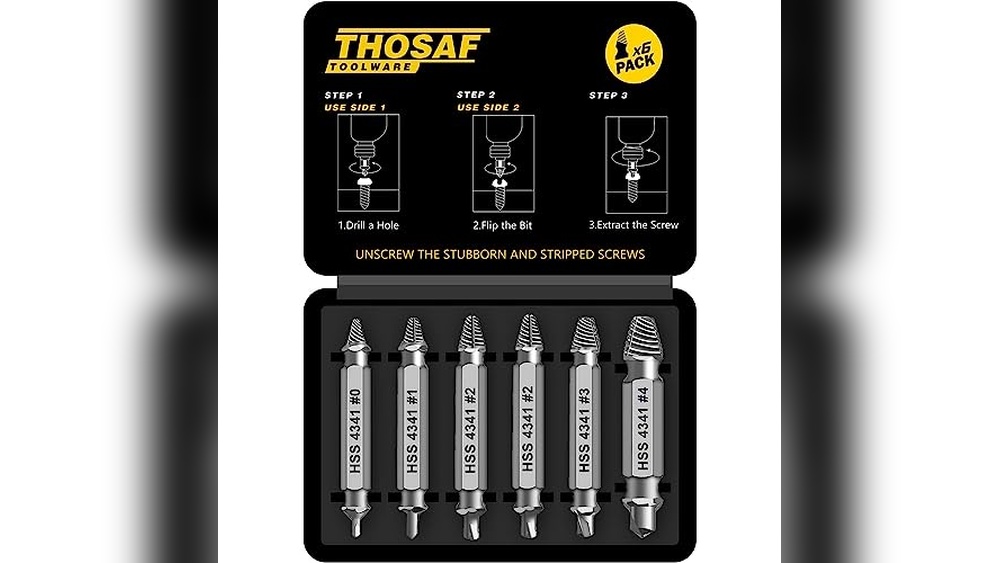
Credit: www.amazon.com
Frequently Asked Questions
What Wrench Is Best To Hold A Fastener In Place?
A locking wrench, like a locking plier or adjustable wrench, is best. It grips tightly to prevent fastener movement during work.
How Does A Locking Wrench Hold Fasteners Securely?
Locking wrenches have adjustable jaws that clamp firmly on fasteners. This prevents slipping and holds the fastener steady for tightening or loosening.
Can An Adjustable Wrench Hold A Fastener Firmly?
Yes, adjustable wrenches can hold fasteners firmly if properly adjusted. Tightening the jaw ensures a secure grip and minimizes slippage.
Why Use A Box-end Wrench To Hold Fasteners?
Box-end wrenches fully encircle the fastener head, offering a strong grip. This design prevents rounding and holds fasteners firmly in place.
Conclusion
Choosing the right wrench helps keep fasteners tight and secure. A holding wrench stops fasteners from moving while you work. Using the correct tool saves time and prevents damage. Always match the wrench size to the fastener for best results.
Keep your tools clean and in good shape. This way, your repairs and projects go smoothly every time. Simple steps make a big difference in your work quality. Trust the right wrench to hold things firmly in place.