If you’ve ever struggled to keep materials firmly together, corrugated fasteners could be the simple solution you need. But how do you use them correctly with a hammer to ensure a strong, lasting hold?
You might think it’s just about pounding nails, but there’s a technique that makes all the difference. You’ll discover easy steps to master the use of corrugated fasteners with a hammer. By the end, you’ll feel confident tackling your projects faster and with better results.
Keep reading, and turn your next repair or build into a success story.
Choosing The Right Corrugated Fasteners
Choosing the right corrugated fasteners is key to a strong hold. These fasteners join wood or other materials firmly. Picking the correct type and size prevents damage and ensures safety. This section helps you understand what to select for your project.
Types Of Corrugated Fasteners
Corrugated fasteners come in several types. Common ones include flat, twisted, and ring-shank fasteners. Flat fasteners are simple and used for light tasks. Twisted fasteners offer extra grip in wood. Ring-shank fasteners resist pulling out, ideal for heavy loads. Choose based on how much strength your project needs.
Material And Size Considerations
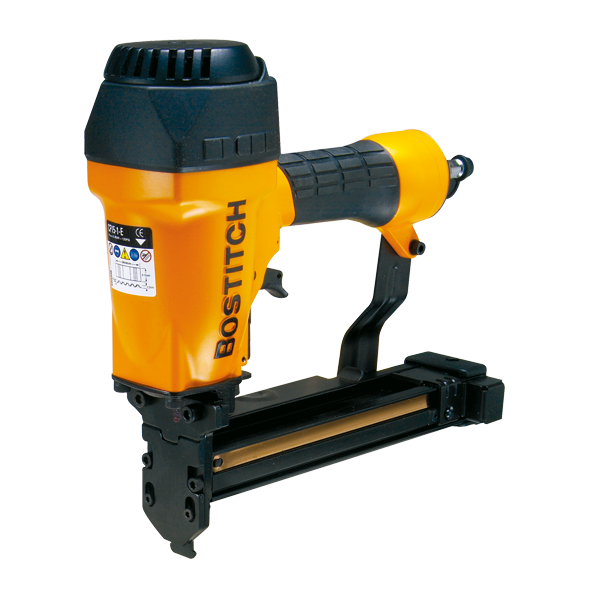
Fasteners vary in material, such as steel or galvanized steel. Steel is strong but may rust over time. Galvanized steel resists rust and lasts longer outdoors. Size matters too. Longer fasteners hold thicker materials better. Thicker fasteners provide extra strength but need more force to drive. Match the size to your materials for the best fit.
Credit: www.betcofasteners.com
Tools Needed For The Job
Using corrugated fasteners with a hammer requires the right tools. Choosing proper tools makes the job easier and safer. This section explains which tools you need to complete the task well.
Selecting The Best Hammer
Pick a hammer with a comfortable handle. A claw hammer or a carpenter’s hammer works well. The hammer should have enough weight to drive fasteners without much effort. Avoid very heavy hammers; they can cause mistakes or damage. A hammer with a smooth face prevents marks on the fastener and surface.
Additional Helpful Tools
Besides a hammer, use a pair of pliers to hold small fasteners. A tape measure helps position fasteners accurately. Safety glasses protect your eyes from flying debris. Gloves keep your hands safe and improve grip. A pencil or chalk marks fastener spots before hammering.
Preparing The Surface
Preparing the surface is the first step for using corrugated fasteners with a hammer. A clean and properly aligned surface helps fasteners hold strong. It also makes the work easier and safer. Take your time at this stage to get good results.
Cleaning And Aligning Materials
Clear away dust, dirt, and debris from the materials. Use a brush or cloth to wipe surfaces clean. Clean surfaces help fasteners grip better. Next, align the materials carefully so edges match perfectly. Proper alignment prevents gaps and weak joints. Check the fit before moving to the next step.
Marking Fastener Positions
Mark where to place each fastener using a pencil or chalk. Space marks evenly for balanced support. Consistent spacing stops materials from warping or bending. Marking also speeds up the nailing process. Make sure marks are easy to see but not too large.
Step-by-step Fastener Installation
Installing corrugated fasteners with a hammer is simple and effective. Follow these clear steps for the best results. This guide helps you place and secure fasteners correctly. Proper installation increases the strength and durability of your project.
Positioning The Fastener
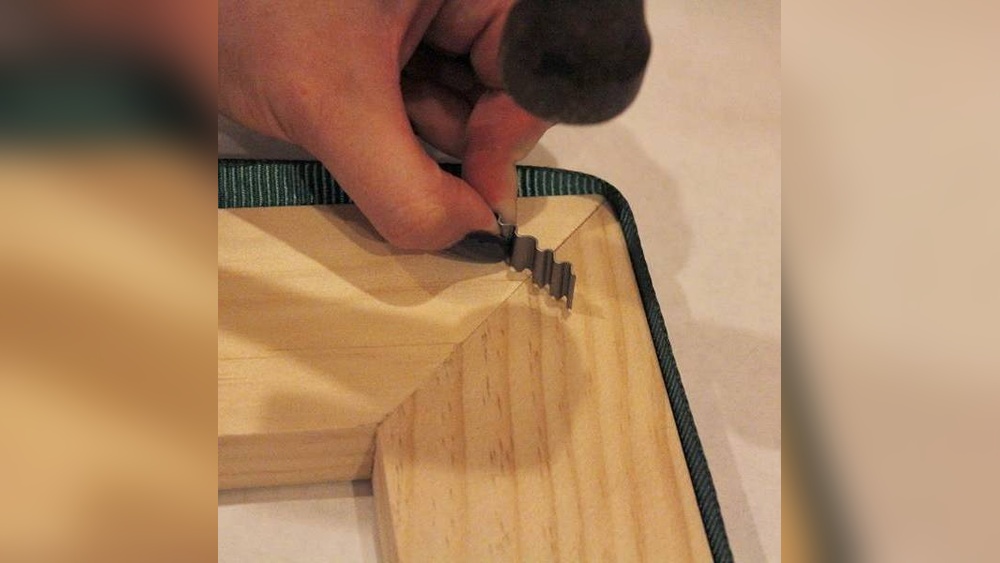
Place the fastener at the edge of the corrugated material. Align it with the ridges to prevent damage. Hold the fastener steady with your fingers. Make sure it is straight before you start hammering.
Hammering Techniques
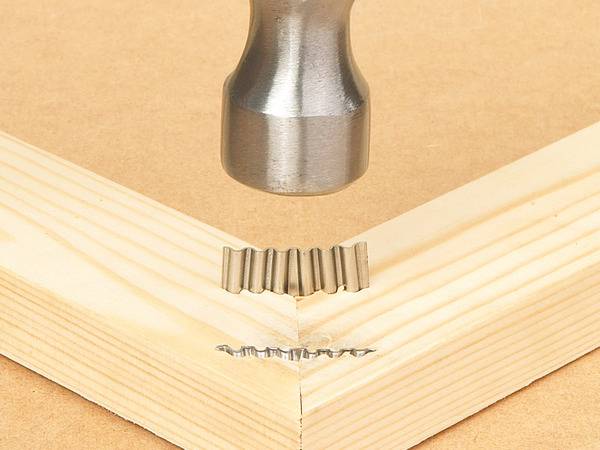
Use a hammer with a smooth face to avoid marks. Tap the fastener gently at first to set it in place. Increase force gradually to drive it fully. Keep your wrist steady and use controlled swings.
Ensuring Secure Attachment
Check that the fastener sits flush with the surface. It should not be loose or tilted. Tap around the edges to tighten if needed. Test by gently pulling to confirm a firm hold.
Common Mistakes To Avoid
Using corrugated fasteners with a hammer requires care. Many beginners make simple mistakes that affect the strength and appearance of their work. Avoiding common errors helps get the best results. Focus on accuracy and control during each step.
Overdriving Fasteners
One common mistake is hitting the fastener too hard. Overdriving can bend or break the fastener. It also damages the material around the fastener, weakening the hold. Use steady, controlled taps instead of strong blows. Stop when the fastener sits flush with the surface.
Misalignment Issues
Placing the fastener at an angle weakens the connection. Misalignment causes uneven pressure and may loosen over time. Always start the fastener straight and check its position before hammering. Hold the fastener steady and adjust if it begins to tilt.

Credit: www.youtube.com
Maintenance Tips For Longevity
Maintaining corrugated fasteners is key to keeping your projects strong and safe. Proper care helps fasteners last longer and work better. Regular checks and timely replacements keep your work secure.
Checking Fastener Integrity
Look at fasteners often for signs of wear or damage. Check for rust, bending, or loose nails. Use a bright light to see small cracks. Tighten any loose fasteners by tapping them gently with a hammer. Replace any fastener that looks weak or broken.
Replacing Damaged Fasteners
Remove damaged fasteners carefully with a claw hammer or pry bar. Avoid hurting the wood or material around the fastener. Choose new fasteners of the same size and type for replacement. Drive the new fastener straight in with a hammer. Make sure it sits flush with the surface for best hold.
Credit: www.ironwirenails.com
Frequently Asked Questions
What Are Corrugated Fasteners Used For?
Corrugated fasteners join wood pieces securely. They provide strong, hidden connections in furniture and construction projects. Using a hammer ensures tight fitting.
How Do I Hammer Corrugated Fasteners Correctly?
Place the fastener in the joint. Use a hammer to tap it evenly. Drive it flush without bending or splitting the wood.
Can I Reuse Corrugated Fasteners After Removal?
No, corrugated fasteners lose grip after removal. They are designed for one-time use to maintain strong, permanent joints.
What Tools Work Best With Corrugated Fasteners?
A standard claw hammer is ideal. It offers control and force without damaging the fastener or wood surface.
Conclusion
Using corrugated fasteners with a hammer is simple and effective. Hold the fastener steady and tap gently at first. Increase force as needed, but avoid bending the fastener. This method keeps materials secure and strong. Practice on scrap wood to gain confidence.
Soon, you will complete projects faster and cleaner. Remember, patience and care lead to the best results. Keep your hammer and fasteners handy for easy repairs. This basic skill helps in many home and craft tasks. Give it a try, and see the difference yourself.