Choosing the right size for your cabinet hardware might seem simple, but it can completely change the look and feel of your space. If you pick handles or knobs that are too big or too small, your cabinets won’t look balanced.
You might even find them uncomfortable to use. But don’t worry—this guide will help you understand exactly what size works best for your cabinets. By the end, you’ll feel confident making the perfect choice that suits both your style and your needs.
Keep reading to discover how easy it is to get your cabinet hardware just right.

Credit: porchdaydreamer.com
Types Of Cabinet Hardware
Choosing the right cabinet hardware starts with knowing the types available. Hardware not only helps open doors and drawers but also adds style to your space.
Cabinet hardware mainly comes in two types: knobs and pulls. Each type offers a different look and feel. Knowing their differences helps you pick the best fit for your cabinets.
Knobs Vs Pulls
Knobs are small and round or square. They attach with one screw. Knobs work well on smaller cabinets and drawers.
Pulls are longer and require two screws. They provide a better grip for larger drawers or doors. Pulls come in many shapes like bars, handles, and arches.
Knobs give a simple and classic look. Pulls offer a modern or traditional style depending on shape. Consider the size of your cabinet doors and drawers to choose wisely.
Styles And Finishes
Cabinet hardware comes in various styles. You can find modern, vintage, rustic, and more. Pick a style that matches your room’s design.
Finishes affect the look and feel too. Popular finishes include brushed nickel, chrome, bronze, and matte black. Some finishes show fingerprints less than others.
Think about the color of your cabinets and the room’s lighting. Choose a finish that complements these elements for a balanced look.
Measuring For Cabinet Hardware
Measuring for cabinet hardware is the first step to a perfect fit. Accurate measurements ensure handles and knobs look balanced and work well. Taking the time to measure correctly helps avoid returns and extra costs. It also makes installation smoother and faster. This section guides you through key measurements for hardware selection.
Determining Hole Spacing
Hole spacing is the distance between screw holes on a handle or pull. Use a ruler or tape measure to find this space. Measure from the center of one hole to the center of the other. Common sizes include 3, 4, and 5 inches. Knowing this size helps you pick hardware that fits existing holes or plan new ones.
Measuring Cabinet Door Thickness
Door thickness affects the length of screws needed for hardware. Measure the door edge with a tape measure or caliper. Most cabinet doors are between 3/4 inch and 1 inch thick. Choose screws long enough to hold hardware securely, but not too long to damage the door. Correct screw length keeps hardware tight and safe.
Choosing The Right Size
Choosing the right size for cabinet hardware is key to both function and style. The hardware should feel right in your hand and look right on your cabinets. Hardware that is too big or too small can throw off the whole look of your kitchen or bathroom. It can also make your cabinets harder to use.
Focus on how the size of the hardware matches your cabinet size. Think about the balance between the hardware and the cabinet surface. These points help you pick hardware that fits well and looks great.
Matching Pull Length To Cabinet Size
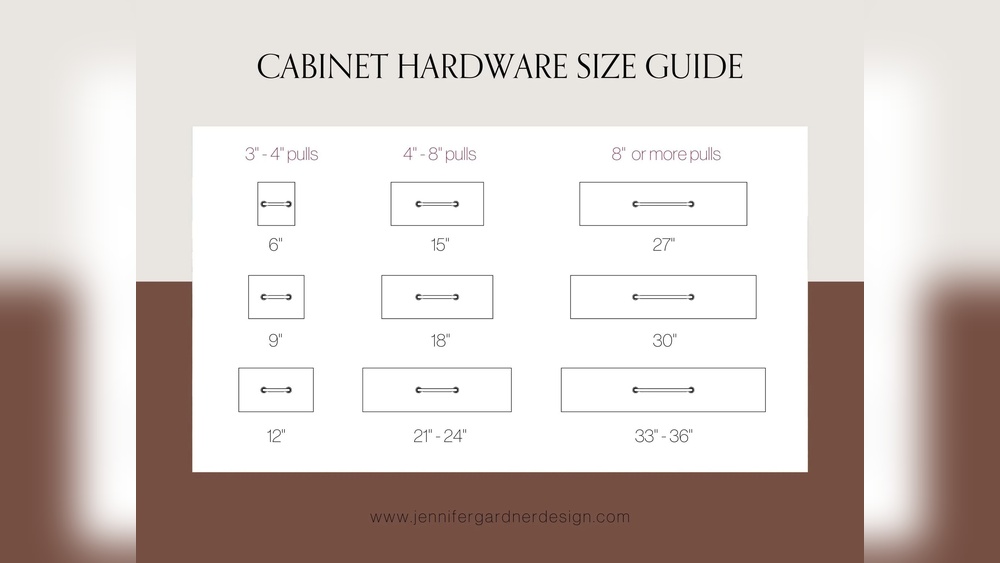
Pulls come in many lengths. Small cabinets work best with shorter pulls. Large cabinets need longer pulls for easy grip. The pull length should be about one-third to one-half the width of the cabinet door or drawer. This rule helps keep the hardware proportional. It also makes opening the cabinet smooth and comfortable.
Considering Proportion And Balance
Proportion means hardware size fits the cabinet size well. Balance means hardware does not look too heavy or too light on the cabinet. If the cabinet is tall or wide, choose hardware that has a strong presence. For small or thin cabinet doors, pick slim or delicate hardware. This balance makes the entire cabinet look neat and stylish.
Installation Tips
Installing cabinet hardware correctly makes a big difference in the final look. Careful installation keeps handles and knobs secure and neat. Follow simple tips to make your work easier and avoid mistakes.
Marking Drill Holes Accurately
Measure twice before marking any hole. Use a ruler or tape measure for exact spots. Mark with a pencil so you can erase if needed. Check alignment by holding hardware against the cabinet. Use a template if you have many holes to mark. This keeps spacing even and consistent.
Tools Needed For Installation
Gather all tools before starting. A drill with the right drill bit is essential. Choose a bit size that fits the screws. A screwdriver helps tighten screws without damage. A level can check if hardware is straight. Have a pencil and measuring tape handy too. These tools make the job faster and neater.
Common Mistakes To Avoid
Choosing the right size for cabinet hardware is important. Many people make simple mistakes that affect both look and use. Avoiding these errors saves time and money. It also makes your cabinets look better and work well.
Using Hardware That’s Too Large Or Small
Hardware that is too big can look bulky and awkward on cabinets. It may also get in the way of opening doors or drawers. Small hardware, on the other hand, can seem weak or out of place. It might be hard to grip and use. Choose hardware that fits the size of your cabinet doors and drawers well. Balance is key for both style and function.
Ignoring Cabinet Style And Function
Every cabinet has a style and purpose. Using hardware without thinking about these can cause problems. For example, a modern cabinet may need sleek, simple pulls. Traditional cabinets often look best with ornate knobs. Also, consider how often you open the cabinet. Heavy-use cabinets need sturdy, easy-to-grip hardware. Match the hardware style and strength to your cabinets’ look and use.

Credit: porchdaydreamer.com
Trends In Cabinet Hardware
Cabinet hardware trends change often. Choosing the right size and style is key. Trends mix style with function. They help cabinets look fresh and modern. Knowing current trends guides smart hardware choices.
Popular Sizes And Styles
Small knobs around 1 to 1.5 inches stay popular. They fit most cabinet doors and drawers. Larger pulls, 3 to 5 inches long, work well on bigger drawers. Simple shapes like circles and bars remain common. Matte black, brushed nickel, and antique brass lead in finish choices.
Mixing And Matching Hardware
Mixing different hardware styles adds interest. Use knobs on doors and pulls on drawers. Keep finishes the same for a clean look. Or try two finishes for subtle contrast. Mixing sizes can highlight cabinet features. Balance is important to avoid a cluttered feel.

Credit: doorcorner.com
Frequently Asked Questions
What Size Cabinet Hardware Fits Standard Cabinet Doors?
Standard cabinet doors usually need hardware sized between 3 to 5 inches. Choose based on door width and style for best fit.
How To Measure For Cabinet Hardware Size?
Measure the distance between screw holes or the cabinet door width. Use these measurements to pick hardware that fits comfortably and looks balanced.
Does Cabinet Hardware Size Affect Functionality?
Yes, the right size ensures easy grip and smooth operation. Oversized or tiny hardware can be awkward and reduce cabinet usability.
Can Hardware Size Impact Cabinet Aesthetics?
Absolutely. Proportionate hardware enhances cabinet design. Too large or small hardware can disrupt the visual harmony of your cabinets.
Conclusion
Choosing the right cabinet hardware size makes a big difference. It helps your cabinets look balanced and work well. Measure your drawers and doors carefully before buying hardware. Think about how you use your cabinets every day. Small details like size can improve your kitchen or bathroom’s feel.
Take time to pick sizes that fit your style and needs. Good hardware brings both beauty and function to your space. Simple choices create a neat and comfortable home environment. Your cabinets deserve hardware that fits just right.