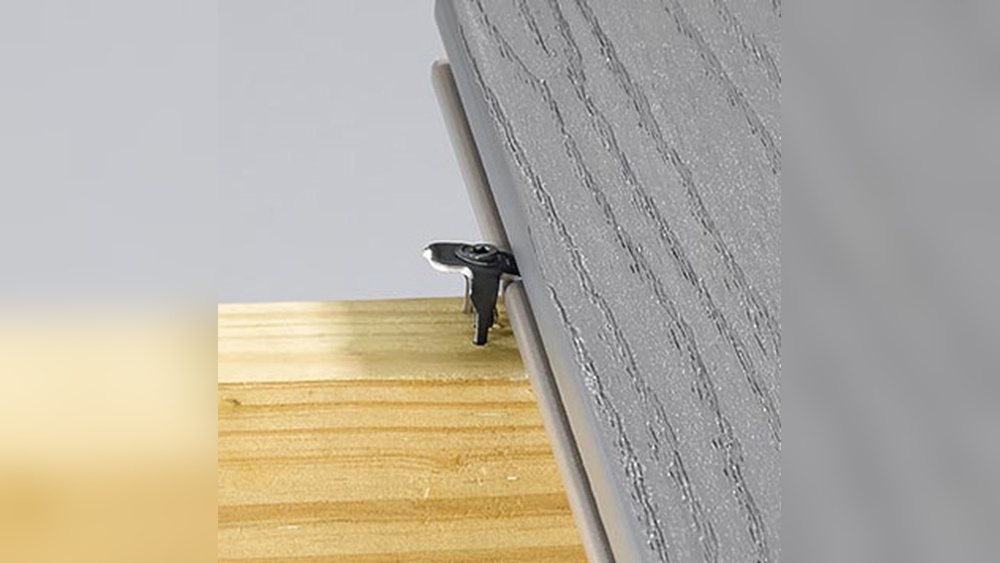
Are you tired of struggling with loose parts or weak joints? Knowing how to use screw fasteners the right way can make all the difference in your projects.
Whether you’re fixing furniture, building something new, or handling small repairs, the right technique saves time and ensures a strong hold. You’ll discover simple steps and expert tips that anyone can follow to get screws in perfectly every time. Get ready to boost your skills and tackle your next project with confidence!
Types Of Screw Fasteners
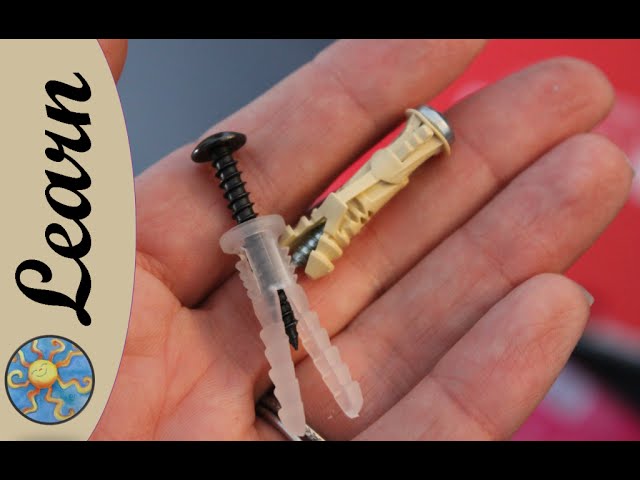
Screw fasteners come in many types. Each type serves a specific purpose. Knowing these types helps you pick the right screw for your project. This section explains the common types of screw fasteners.
Wood Screws
Wood screws are made for joining pieces of wood. They have sharp threads that grip the wood firmly. Their tapered shafts help prevent splitting. Wood screws often have a flat or oval head.
Machine Screws
Machine screws fit into pre-tapped holes or nuts. They have uniform threads along the shaft. These screws join metal parts tightly. Machine screws come in many sizes and head types.
Sheet Metal Screws
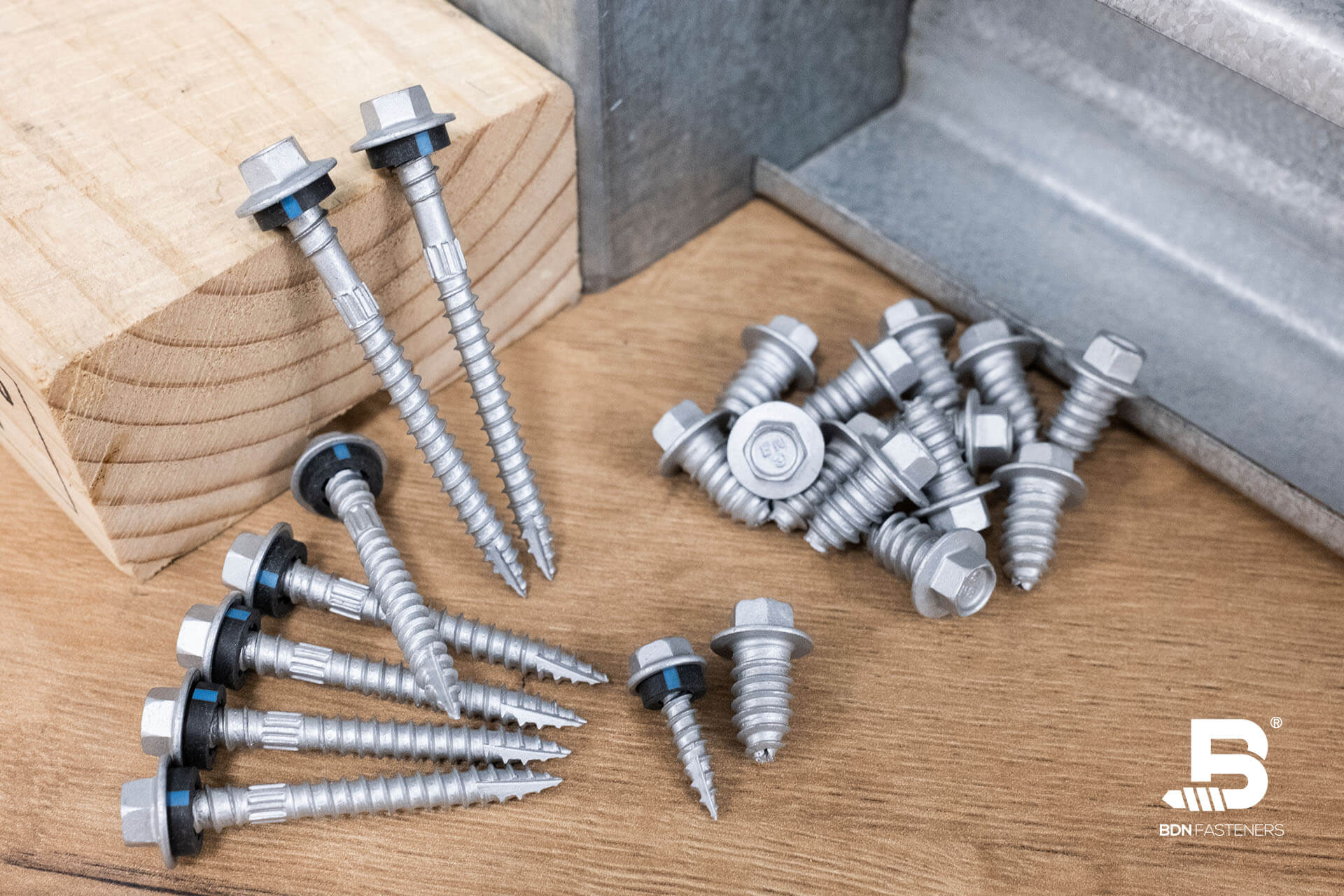
Sheet metal screws fasten thin metal sheets. Their sharp threads cut into metal or plastic. These screws can also work with wood or fiberglass. They usually have pointed ends for easy insertion.
Self-tapping Screws
Self-tapping screws create their own thread when driven in. This removes the need for pre-drilling. They are useful for metal, plastic, and wood. Self-tapping screws save time and effort in fastening.
Credit: www.youtube.com
Choosing The Right Screw
Choosing the right screw is important for a strong hold. The right screw keeps parts together safely. It stops damage to materials and tools. This guide helps pick screws that fit your project well.
Material Compatibility
Screws must fit the materials you join. Wood screws work best in wood. Metal screws suit metal parts. Using the wrong screw can cause rust or weak joints. Match screws to the material type for long-lasting results.
Size And Length
Pick a screw size that fits the job. Too short screws may not hold well. Too long screws can damage material or pass through. The screw’s diameter matters for strength. Use a screw long enough to go deep but not too long to cause harm.
Thread Type
Screw threads grip the material. Coarse threads work great in soft materials like wood. Fine threads fit better in metal or hard plastic. Thread shape affects how easily the screw turns. Choose thread types that match your materials for easier installation and better grip.
Tools For Screw Assembly
Using the right tools for screw assembly makes the job easier and faster. Different tools fit different screws and tasks. Choosing the correct tool helps avoid damage to screws and surfaces. It also ensures a strong and secure fit. Below are key tools needed for screw assembly.
Screwdrivers And Drivers
Screwdrivers are basic hand tools for turning screws. They come in many types to match screw heads, like flat, Phillips, or Torx. Drivers are power tools that speed up the process. Using the right size and type prevents stripping the screw head. Hand screwdrivers work well for small jobs and tight spaces.
Drills And Bits
Drills make driving screws faster, especially for many screws. Drill bits match the screw size and type for a perfect fit. Special screwdriver bits fit power drills to turn screws smoothly. Pre-drilling holes helps avoid wood or material splitting. Choose the correct bit for the material and screw size.
Torque Wrenches
Torque wrenches control the force used to tighten screws. They prevent over-tightening, which can break screws or damage materials. Torque settings ensure screws hold securely without extra stress. These tools are important for precise assembly and safety. Use torque wrenches in mechanical or delicate projects.
:max_bytes(150000):strip_icc()/how-to-use-and-discard-anchor-screws-1822671-003-06-fb50737ae9234d2290a1c9d0ebc08a91.jpg)
Credit: www.thespruce.com
Preparing The Work Surface
Preparing the work surface is the first key step in using screw fasteners. A clean, well-measured surface ensures screws fit tightly and hold parts together firmly. Taking time here saves effort and prevents mistakes later.
Marking And Measuring
Start by marking the exact spot for each screw. Use a pencil or a marker with clear, visible lines. Measure twice to avoid errors. Accurate marks help guide the screws and keep parts aligned.
Pre-drilling Holes
Drill pilot holes before driving screws. These holes prevent wood or material from splitting. Choose a drill bit slightly smaller than the screw’s diameter. Drill straight to keep screws secure and stable.
Cleaning And Aligning Parts
Clear dust and debris from the surface before assembly. Use a brush or cloth for cleaning. Align parts carefully to fit together without gaps. Proper alignment ensures a strong, neat finish.
Techniques For Perfect Screw Driving
Getting the screw perfectly driven makes your work strong and neat. It needs some simple but important techniques. These tips help keep the screw tight and avoid damage to the material.
Correct Angle And Pressure
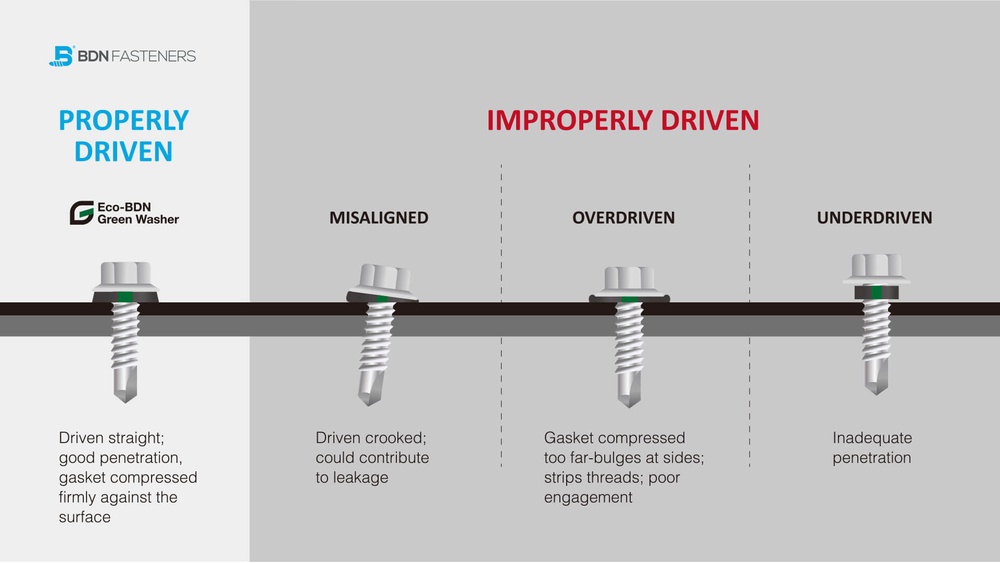
Hold the screwdriver straight. The screw goes in better when the tool is at a 90-degree angle to the surface. Apply steady, firm pressure. Too little pressure can strip the screw head. Too much pressure can break the screw or damage the wood.
Avoiding Over-tightening
Stop turning the screw once it feels tight. Over-tightening can strip the screw hole or crack the wood. Use a screwdriver with a clutch or a torque setting if possible. This helps control how tight the screw gets. Remember, tight is good, too tight is bad.
Using Pilot Holes
Drill a small hole before driving the screw. This pilot hole guides the screw in straight. It reduces the chance of the wood splitting. Pilot holes also make screwing easier and faster. Choose a drill bit slightly smaller than the screw’s diameter.
Common Mistakes To Avoid
Using screw fasteners seems simple but often leads to common mistakes. These errors can damage your project and waste time. Avoiding these pitfalls helps ensure a strong and lasting hold.
Stripping Screw Heads
Stripping happens when the screwdriver slips inside the screw head. This makes the screw hard to turn or remove. Use the right size screwdriver that fits the screw perfectly. Apply steady pressure and turn slowly to keep the grip tight. Avoid using worn-out tools that can slip easily.
Using Wrong Tools
Different screws need different tools. Using a flathead screwdriver on a Phillips screw can cause damage. A drill with the wrong bit size can also ruin the screw or material. Always match the tool to the screw type and size. Proper tools save effort and protect both screw and surface.
Ignoring Material Properties
Materials like wood, metal, and plastic require different screw types and techniques. Hard materials need pilot holes to prevent splitting. Soft materials need gentle screwing to avoid cracking. Know the material before starting. This knowledge helps pick the right screw and method for a secure fit.
Maintenance And Removal Tips
Proper maintenance and removal of screw fasteners keep your projects strong and safe. Regular care prevents damage and makes future work easier. Knowing how to handle stuck or damaged screws saves time and effort.
Lubricating Screws
Lubricate screws before installation or removal. Use a small amount of oil or grease. This reduces friction and prevents rust. It helps screws turn smoothly without stripping the head. Lubrication also protects metal parts from wear.
Removing Stuck Screws
Use the correct screwdriver size to avoid slipping. Apply steady pressure while turning. Try tapping the screwdriver gently with a hammer to loosen the screw. Heat can help; warm the screw with a heat gun or hairdryer. Use penetrating oil to break rust bonds. Work the screw back and forth slowly.
Replacing Damaged Fasteners
Remove old screws carefully to avoid damaging the material. Inspect the hole for cracks or damage. Choose a new screw of the same size and type. Replace damaged screws promptly to maintain strength. Use a screwdriver with a good grip to avoid further damage.
Credit: bdnfasteners.com
Frequently Asked Questions
What Types Of Screw Fasteners Are Commonly Used?
Common screw fasteners include wood screws, machine screws, sheet metal screws, and self-tapping screws. Each type suits specific materials and tasks. Choosing the right screw fastener ensures strong and lasting joints in your projects.
How Do I Select The Right Screw Size?
Select screw size based on material thickness and load requirements. Measure diameter and length carefully. Using the correct size prevents damage and ensures secure fastening.
What Tools Are Needed To Use Screw Fasteners?
You need a screwdriver or drill with compatible bits. Additional tools may include a pilot drill and a wrench. Proper tools make screw installation easier and more efficient.
Can Screw Fasteners Be Reused Safely?
Reusing screw fasteners is possible if they are undamaged. Inspect for stripped heads or worn threads before reuse. Using intact screws maintains joint strength and safety.
Conclusion
Screw fasteners hold materials tightly and securely. Choosing the right type helps your project last longer. Always match the screw size with your material. Use the proper tools to avoid damage or slipping. Tighten screws firmly but avoid over-tightening. Practice makes handling screws easier and faster.
With these tips, your work will stay strong and neat. Keep learning and experimenting with different screws. Small details make a big difference in your projects.