When you pick up a wrench or a screwdriver, do you ever wonder what those numbers and letters on the tool really mean? Or when you grab a bolt or a nail, how do you know if it’s the right size for your project?
Understanding the designations that identify the size of hand tools and fasteners can save you time, frustration, and even costly mistakes. You’ll discover simple ways to decode these markings so you can choose the perfect tool or fastener every time.
Keep reading, and you’ll never second-guess your hardware choices again.

Credit: www.theengineeringchoice.com
Hand Tool Sizes
Hand tools come in many sizes to fit different jobs. Knowing the size helps you pick the right tool fast. Size also affects how well the tool works. This guide explains how hand tool sizes are measured and labeled. It also covers the difference between metric and imperial units.
Measuring Tools Dimensions
Tool size often means the length or width of parts you use. For example, a wrench size shows the width across the jaws. Screwdrivers are sized by the blade width or tip size. Tape measures and rulers help find exact tool dimensions. Accurate measurement is key to matching tools with tasks.
Standard Size Labels
Many hand tools use standard size labels to simplify choice. These labels show common sizes like 8-inch or 12-millimeter. Labels may appear on the tool handle or packaging. They help users quickly find the right tool without guessing. Standard labels also make buying and selling easier.
Metric Vs Imperial Units
Hand tools come in two main unit systems: metric and imperial. Metric sizes use millimeters and centimeters. Imperial sizes use inches and fractions. Some tools show both units on the same scale. Knowing which system a tool uses avoids mistakes. Metric is common worldwide, but imperial is still popular in some places.
Fastener Size Types
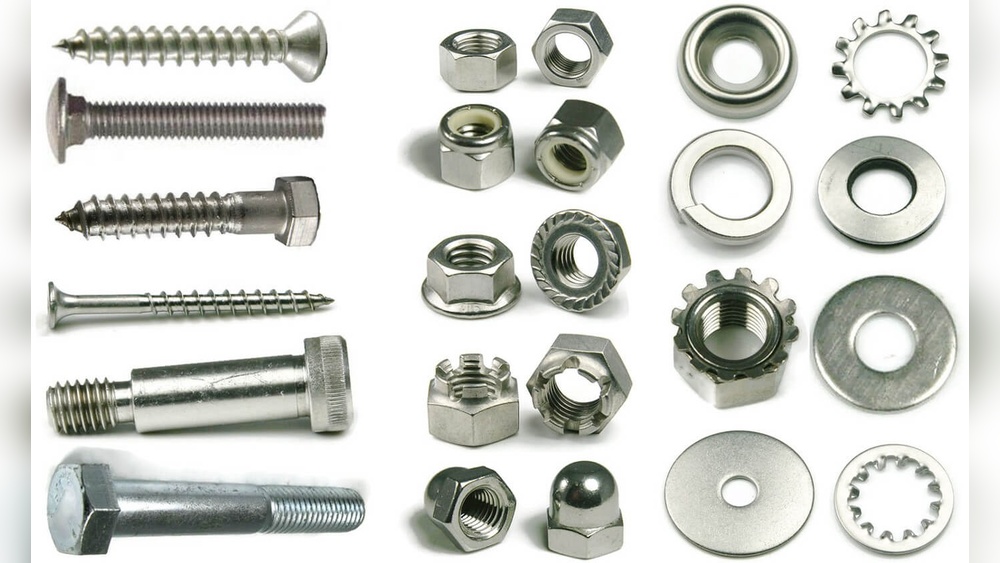
Fasteners come in many sizes. Knowing the right size helps you pick the correct fastener for your project. Fastener size types include diameter, length, thread pitch, and head style. Each type affects how the fastener works and fits.
Diameter And Length
Diameter measures the thickness of the fastener’s shaft. It is usually given in inches or millimeters. Length is the distance from the fastener’s tip to the base of the head. Both diameter and length must match the materials being joined.
Thread Pitch And Count
Thread pitch shows the distance between thread peaks. It helps determine how tightly the fastener will hold. Thread count measures the number of threads per inch. Fine threads have more threads per inch, coarse threads have fewer.
Head And Drive Styles
Head style shapes the top of the fastener. Common types include flat, round, and hex heads. Drive style refers to the tool needed to turn the fastener. Examples are Phillips, slotted, and Torx drives. Choosing the right head and drive improves installation and removal.
Size Marking Systems
Size marking systems help users quickly identify the dimensions of hand tools and fasteners. These markings ensure the right tool fits the right job. Various methods exist to mark sizes clearly and consistently. Each system offers unique benefits and makes work easier. Understanding these systems helps you choose tools and fasteners with confidence.
Number And Letter Codes
Number and letter codes are common for marking sizes on tools and fasteners. Numbers usually show measurements like diameter or length. Letters often indicate a range or type of size. For example, screwdriver sizes might be labeled with letters like “S” or “M.” Fasteners use numbers to show thread size or gauge. These codes are simple and easy to read.
Color Coding Techniques
Color coding helps identify tool sizes without reading small text. Different colors represent different sizes or types. For example, a wrench handle might have a red stripe for size 10. Fasteners can have colored heads to show size or strength. This system speeds up tool selection and reduces mistakes. It works well in busy workshops.
Manufacturer Standards
Many manufacturers follow standards for size markings. These standards make sizes consistent across brands. For example, ISO and ANSI set rules for fastener sizes. Tools from top brands use these standards for easy matching. This consistency helps users find replacements and compatible parts. It also improves safety and efficiency on the job.
Common Size Standards
Common size standards help identify the size of hand tools and fasteners. They make sure parts fit and work well together. These standards guide manufacturers, engineers, and users worldwide. Understanding them helps select the right tool or fastener for any job.
Ansi And Asme
ANSI stands for the American National Standards Institute. It sets standards for tools and fasteners used in the United States. ASME, the American Society of Mechanical Engineers, creates standards for mechanical parts. Both ensure sizes are consistent across many industries. ANSI and ASME standards often overlap and work together.
Iso And Din
ISO means the International Organization for Standardization. It creates global standards for tools and fasteners. DIN is the German Institute for Standardization. It sets standards mostly used in Europe. ISO and DIN help manufacturers produce parts that fit worldwide. Their standards cover metric sizes and thread types.
Sae And Jis
SAE stands for the Society of Automotive Engineers. It focuses on inch-based sizes common in the USA. JIS means Japanese Industrial Standards. It sets rules for tools and fasteners used in Japan. SAE and JIS differ in size units and shape details. Knowing these standards avoids confusion in international projects.
Choosing The Right Size
Choosing the right size for hand tools and fasteners is essential for any project. The size affects how well the tool or fastener performs. Using the wrong size can cause damage or make work harder. Knowing the correct size saves time and effort. It also ensures the safety and durability of your work.
Application Considerations
Think about what the tool or fastener will do. Different tasks need different sizes. Small fasteners suit delicate work. Large tools fit heavy-duty jobs. Match the size to the material you work with. Soft materials often need smaller fasteners. Hard materials may require bigger tools. Consider the force you will apply. The right size prevents tool slipping or breaking.
Compatibility Checks
Check if the fastener fits the parts well. Size markings help match tools and fasteners correctly. Use size charts or guides for accurate selection. Measure bolts and nuts to ensure they fit. Tools must fit snugly to avoid damage. Verify thread type and pitch for fasteners. Proper compatibility makes assembly easier and safer.
Safety Factors
Using the correct size reduces accidents. Too small tools can break under pressure. Too large tools may slip and cause injury. Properly sized fasteners hold parts firmly. This prevents loosening or failure over time. Always inspect tools and fasteners before use. Safety depends on the right size and good condition.

Credit: webstore.ansi.org
Tools For Size Measurement
Measuring the size of hand tools and fasteners is key to ensuring a perfect fit and proper use. Different tools help measure length, diameter, thread pitch, and other important dimensions. Each tool serves a specific purpose and offers precise results.
Calipers And Micrometers
Calipers measure the distance between two opposite sides of an object. They are easy to use and show measurements in millimeters or inches. Micrometers offer higher precision. They measure small distances, such as the thickness of a fastener or the diameter of a wire. Both tools are essential for accurate size checking.
Thread Gauges
Thread gauges check the pitch and size of screw threads. They help identify the number of threads per inch or millimeter. This tool ensures that fasteners fit tightly without damaging the material. Thread gauges are simple and reliable for matching bolts and nuts.
Rulers And Tape Measures
Rulers and tape measures provide quick length measurements. Rulers are perfect for small objects, while tape measures are better for longer distances. Both tools use clear markings to measure in inches and centimeters. They are basic but necessary for many size checks.
Tips For Accurate Sizing
Getting the right size for hand tools and fasteners is important. Accurate sizing ensures tools fit well and fasteners hold securely. Small mistakes can lead to damaged parts or loose fittings. Follow simple tips to measure correctly every time.
Avoiding Common Mistakes
Measure tools and fasteners carefully. Don’t guess sizes or rely on memory. Always check the size markings on tools. Avoid mixing metric and imperial units. Use the right tool for measuring. Avoid using worn or broken tools for sizing.
Maintaining Measurement Tools
Keep rulers, calipers, and tape measures clean and free of rust. Store them in a dry place. Check for damage before use. Replace tools that give inaccurate readings. Regular maintenance keeps measurements accurate and reliable.
Cross-referencing Sizes
Compare measurements with size charts or manufacturer guides. Use multiple tools to confirm dimensions. Check fastener threads and diameter carefully. Cross-referencing helps avoid buying wrong sizes. It saves time and reduces errors on the job.

Credit: www.ebay.com
Frequently Asked Questions
What Do Designations For Hand Tools Indicate?
Designations identify the size, type, and purpose of hand tools. They help users select the correct tool for specific tasks efficiently.
How Are Fastener Sizes Designated?
Fastener sizes are marked by diameter, thread pitch, and length. These measurements ensure proper fit and strength for assembly needs.
Why Are Tool Size Designations Important?
Size designations prevent mismatches and damage. They ensure tools and fasteners fit correctly, improving safety and work quality.
What Symbols Represent Hand Tool Sizes?
Symbols like inches, millimeters, and gauge numbers commonly represent tool sizes. These standard markings aid quick and accurate identification.
Conclusion
Understanding designations helps you choose the right tool or fastener size. Sizes appear in numbers, letters, or fractions. These labels make work easier and more precise. Always check the size before starting any project. This prevents mistakes and saves time.
Knowing these marks also improves safety. Keep this guide handy for quick reference. It makes your tasks smoother and more efficient. Size designations matter, even for simple jobs. Use the right size every time.