Have you ever wondered how Jesus was fastened to the cross? It’s a question that sparks curiosity and raises many images in your mind.
Understanding this detail can bring you closer to the story and make it feel more real. You’ll discover the methods used to secure Jesus during the crucifixion, why those methods mattered, and what they reveal about the event. Keep reading, and you’ll see the crucifixion in a new light—one that connects deeply with your thoughts and emotions.

Credit: en.wikipedia.org
Methods Of Crucifixion
Crucifixion was a brutal form of punishment used by the Romans. The method of fastening the victim to the cross varied. This section explores how Jesus was fastened during crucifixion. Understanding these methods helps us grasp the severity of the event.
Nailing Vs. Binding
The victim could be nailed or tied to the cross. Nailing involved driving iron spikes through the hands and feet. Binding meant using ropes to tie the person to the wood. Nails caused more pain and ensured the victim stayed fixed. Ropes allowed some movement but were quicker to apply. Some crucifixions used a combination of nails and ropes.
Historical Evidence On Fastening
Roman writings and archaeological finds give clues about fastening. One famous discovery is the skeleton of a crucified man. His heel bone still had a nail through it. Ancient texts describe nails placed through wrists or hands. Scholars believe Jesus was nailed rather than only tied. This was common for Roman executions of that time.
Materials Used For Fastening
Iron nails were the primary tool for fastening by nailing. These nails were long and sharp, designed to hold weight. Ropes made from plant fibers or leather strips were used for binding. The wood of the cross was typically rough and heavy. These materials combined to make the crucifixion both painful and deadly.
Credit: www.independent.co.uk
Anatomical Considerations
Understanding how Jesus was fastened to the cross involves looking at the body’s anatomy. The placement of nails and their effects reveal much about the process. This helps us see the physical pain and suffering he endured.
The human body reacts strongly to injury. Knowing where the nails were placed shows the kind of damage and pain caused. It also explains how the body held up during crucifixion.
Where Nails Were Placed
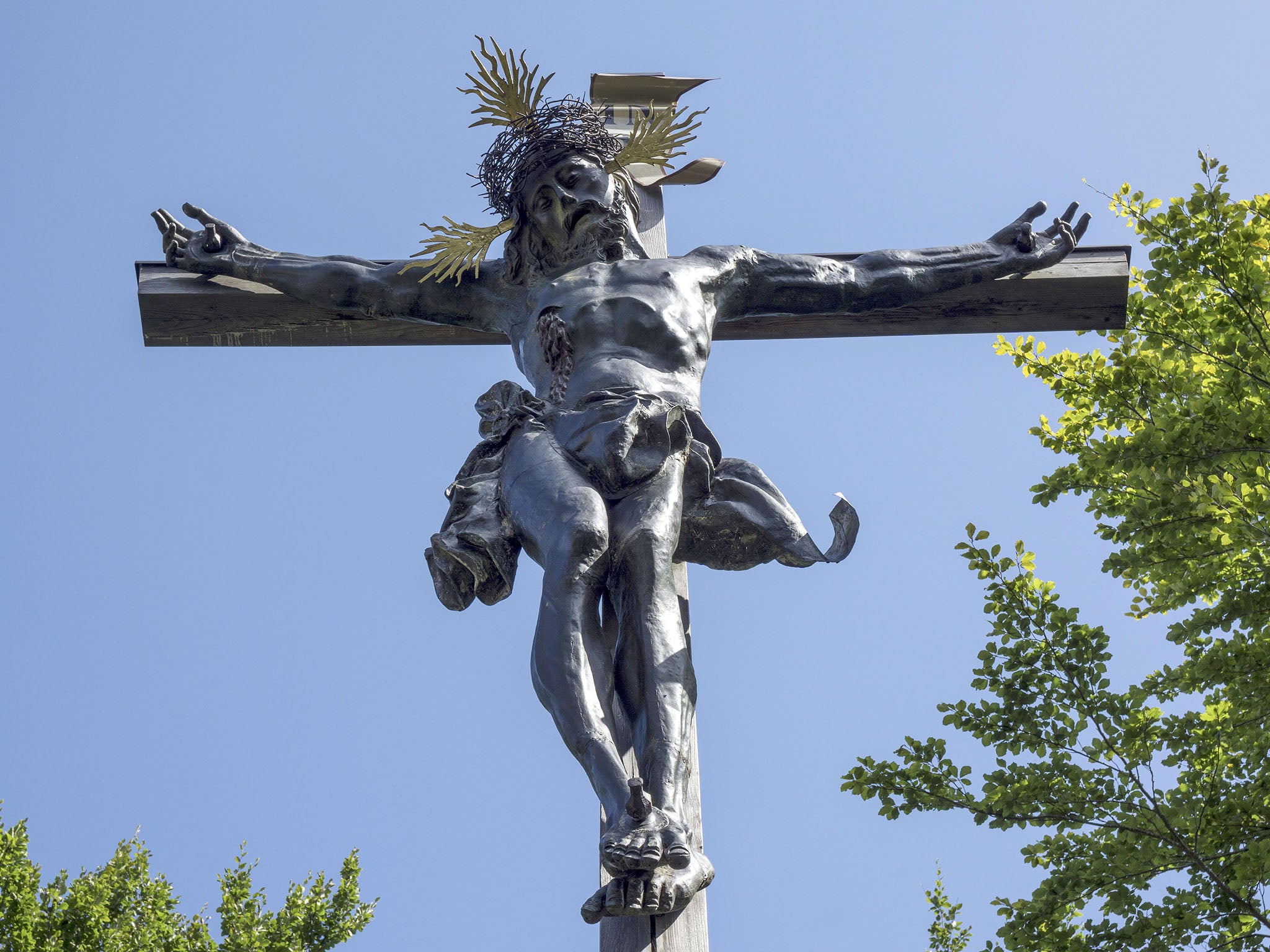
Experts believe nails went through Jesus’ wrists, not the palms. The wrists can hold a person’s weight better. Nails through the palms would tear under weight.
The feet were nailed either together or separately to the cross. This made it hard to move or escape. The nails caused deep damage to nerves and bones.
Impact On The Body
Nailing the wrists and feet caused severe damage to bones and nerves. The arms and legs were stretched, causing extreme pain. Breathing became difficult as the chest muscles strained.
The body slowly weakened from blood loss and shock. Nerve damage caused sharp, burning pain. The heart had to work harder to pump blood.
Pain And Suffering
The pain was intense and constant. Nerve endings in the wrists and feet sent sharp signals to the brain. Muscle cramps and spasms added to the agony.
Breathing pain came from the stretched chest and crushed lungs. The body went into shock from pain and blood loss. This suffering lasted for hours before death.
Historical Accounts
The way Jesus was fastened to the cross is a subject of study in history and religion. Various sources give insight into the practices and details of crucifixion. Understanding these helps us imagine the event more clearly.
Historical accounts come from Roman records, biblical texts, and archaeological discoveries. Each source adds a piece to the puzzle.
Roman Practices
The Romans used crucifixion to punish criminals and rebels. It was a slow and painful death. Victims were usually tied or nailed to a wooden cross. Nails were driven through the wrists or hands and feet. Sometimes ropes were used instead of nails. The cross was then raised upright, leaving the person to hang and suffer.
Biblical Descriptions
The Bible tells us Jesus was nailed to the cross. It mentions nails placed in his hands and feet. The Gospels describe Jesus carrying the cross before being nailed. They show the crucifixion as a public event. The texts focus on the suffering and sacrifice of Jesus. They do not give many technical details about the nailing process.
Archaeological Findings
Archaeologists found evidence of crucifixion in ancient graves. One famous discovery showed a heel bone with a nail still inside. This confirmed that nails were used in the feet. Other finds revealed marks on bones from ropes or nails. These findings support descriptions from Roman and biblical sources. They help confirm how crucifixion was done in that era.
Symbolism Of The Cross
The cross is one of the most powerful symbols in Christianity. It represents much more than just the shape or the event of Jesus’ crucifixion. The way Jesus was fastened to the cross holds deep meaning. It reminds believers of sacrifice, love, and hope. Understanding the symbolism of the cross helps us grasp its true importance in faith and culture.
Religious Significance
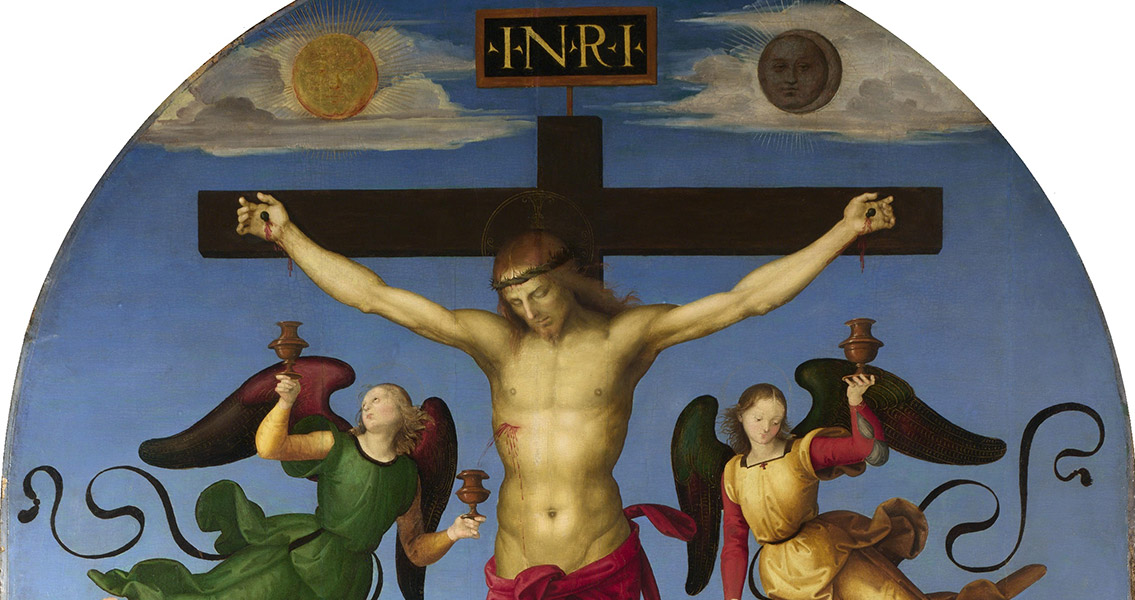
The cross symbolizes Jesus’ sacrifice for humanity’s sins. It shows God’s love and forgiveness. The nails and the wood represent pain and suffering Jesus endured. At the same time, the cross offers hope for new life after death. It stands as a sign of faith and salvation for Christians worldwide.
Cultural Impact
The cross has influenced art, literature, and traditions for centuries. It appears in churches, jewelry, and public spaces. Many cultures use the cross as a symbol of protection and strength. It connects people through shared beliefs and history. The image of the cross has shaped societies and their values deeply.
Modern Interpretations
Today, the cross means different things to different people. For some, it is a symbol of peace and unity. Others see it as a reminder to be kind and forgiving. Many use it as a personal sign of faith and identity. The cross continues to inspire and guide millions around the world.
Credit: www.newhistorian.com
Frequently Asked Questions
How Was Jesus Physically Fastened To The Cross?
Jesus was most likely nailed through his wrists and feet. Nails were driven into his wrists to hold his body securely. His feet were either nailed together or separately to the cross. This method ensured he remained fixed during crucifixion.
What Materials Were Used To Fasten Jesus To The Cross?
Roman soldiers used iron nails and wooden beams. The nails were thick and sharp, designed for crucifixion. The cross was made from sturdy wood. These materials caused intense pain and ensured Jesus stayed on the cross.
Were Nails Or Ropes Used In Jesus’ Crucifixion?
Historical evidence points to nails being used. Nails caused quicker immobilization and were common in Roman crucifixions. Ropes might have been used initially, but nails were the primary fastening method. This increased the victim’s suffering and ensured death.
Why Were Nails Placed In Jesus’ Wrists, Not Hands?
Nailing through wrists provided stronger support than hands. Hands couldn’t hold the body weight effectively. Nails in wrists prevented the body from tearing free. This placement caused extreme pain and prolonged suffering.
Conclusion
Jesus was fastened to the cross with nails through his hands and feet. Roman soldiers carried out this act quickly and with force. This method caused great pain and suffering. The cross held Jesus upright while he hung there. Understanding this helps us see the harsh reality of the crucifixion.
It shows the sacrifice made and the strength shown. This story remains important to many people today. It reminds us of courage, faith, and hope. The way Jesus was fastened reveals a powerful part of history.