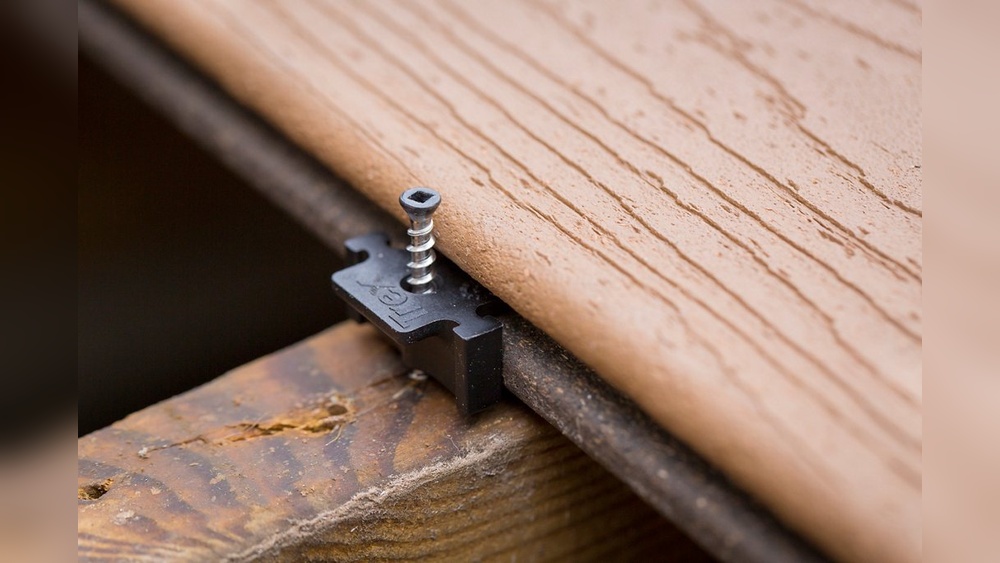
If you’re working with cedar, choosing the right fasteners is key to making your project last. Using the wrong nails or screws can cause your wood to split, stain, or even weaken over time.
But don’t worry—this guide will help you pick the best fasteners to keep your cedar looking great and holding strong. Keep reading to discover simple tips that will save you time, money, and frustration on your next cedar project.
Credit: sbccedar.com
Types Of Cedar Wood
Cedar wood is popular for its beauty and durability. Different types of cedar offer unique features. These differences affect the choice of fasteners to use with each type. Understanding cedar varieties helps select the right materials for lasting results.
Western Red Cedar
Western Red Cedar is known for its rich color and straight grain. It resists decay and insects well. This wood is soft, making it easy to work with. Stainless steel or coated fasteners work best. They prevent rust and stains on the wood.
Eastern White Cedar
Eastern White Cedar is lighter in color and weight. It has a fine texture and is very stable. This wood is less oily than other cedars. Galvanized or stainless steel fasteners suit this type. They hold tight and resist corrosion effectively.
Alaska Yellow Cedar
Alaska Yellow Cedar is strong and dense. It has a pale yellow color and smooth finish. This wood is tougher to drive fasteners into. Use high-quality stainless steel screws or nails. They ensure a secure hold and avoid rust marks.
Challenges With Cedar Fastening
Working with cedar wood presents unique challenges for fastening. Cedar’s natural properties affect how nails and screws hold over time. Using the wrong fasteners may cause damage or weak joints. Understanding these challenges helps choose the right fasteners and protect your project.
Wood Movement And Expansion
Cedar wood expands and shrinks with changes in humidity. This movement can loosen nails or screws. Fasteners must allow some flexibility to avoid splitting the wood. Choosing the correct size and type helps keep the wood stable. Proper spacing of fasteners also reduces stress on the cedar.
Natural Oils And Their Effects
Cedar contains natural oils that protect it from insects and decay. These oils can react with some metals, causing stains or corrosion. Using fasteners made of stainless steel or coated materials prevents damage. Avoid regular steel nails, which can rust and ruin the wood’s appearance. The right fastener maintains cedar’s natural beauty.
Resistance To Corrosion
Cedar’s moisture and oils create a tough environment for fasteners. Corrosion can weaken nails and screws over time. Fasteners must resist rust to last longer in cedar wood. Galvanized or stainless steel fasteners provide strong corrosion resistance. This ensures your cedar project stays secure for years.
Best Fastener Materials For Cedar
Choosing the right fasteners for cedar wood is important. Cedar is a softwood with natural oils. These oils protect it but can react with some metals. This reaction can cause staining or corrosion. Picking the best fastener material keeps your cedar project strong and looking good.
Stainless Steel Fasteners
Stainless steel is the top choice for cedar. It does not rust or stain the wood. This metal works well outdoors and in wet places. Stainless steel fasteners last a long time. They hold tight and resist corrosion effectively.
Hot-dipped Galvanized Fasteners
Hot-dipped galvanized fasteners have a thick zinc coating. This protects them from rust and corrosion. They are less expensive than stainless steel. Suitable for many outdoor cedar projects. The coating may wear over time in harsh conditions.
Silicon Bronze Fasteners
Silicon bronze is a strong, corrosion-resistant metal. It works well with cedar and other woods. This metal avoids dark stains on cedar surfaces. Used often in marine and high-end woodworking. Silicon bronze fasteners provide durability and a nice finish.
Credit: www.lowes.com
Fastener Types Suitable For Cedar
Cedar is a beautiful and durable wood. Choosing the right fasteners helps keep it strong and looking good. The fasteners must resist rust and prevent wood damage. Some fasteners work better with cedar than others. Understanding the types of fasteners helps in making the right choice for any cedar project.
Nails Vs Screws
Nails are quick to install and hold well in cedar. They work best for framing and larger projects. Screws offer stronger holding power. They prevent wood from pulling apart over time. Screws are ideal for decking and furniture made from cedar. Both nails and screws have a place in cedar work.
Coated Vs Uncoated Fasteners
Coated fasteners resist rust and last longer outdoors. Common coatings include galvanized and stainless steel. Uncoated fasteners can cause rust stains on cedar. They also weaken faster when exposed to moisture. Choosing coated fasteners protects cedar and keeps projects looking clean. Stainless steel is the best choice for coastal or wet environments.
Specialty Fasteners For Cedar Projects
Some fasteners are made just for cedar and other softwoods. Ring shank nails grip wood fibers tightly to prevent loosening. Trim nails have small heads for a neat finish on cedar siding. Hidden fasteners keep decks smooth without visible screws or nails. Specialty fasteners improve both the strength and appearance of cedar projects.
Preventing Staining And Corrosion
Cedar wood looks beautiful but can stain easily from metal fasteners. Corrosion from fasteners also damages the wood over time. Using the right methods helps keep cedar clean and strong. Protecting cedar means choosing the correct fasteners and handling them properly. Simple steps can prevent rust and dark stains on your wood.
Use Of Barrier Coatings
Barrier coatings stop metal from touching cedar directly. They keep moisture away and reduce staining. Applying a thin layer of paint or sealant on fasteners works well. Some use special tape or plastic washers as barriers. These coatings slow down corrosion and protect wood’s natural color.
Proper Fastener Placement
Place fasteners where water does not collect. Avoid tight spots that trap moisture around screws or nails. Leaving space between fasteners and wood edges helps air circulate. This reduces rust and keeps cedar dry. Drive fasteners straight to avoid cracking the wood.
Maintenance Tips
Check fasteners regularly for rust or damage. Replace any corroded screws or nails immediately. Clean the wood surface to remove dirt and moisture. Reapply barrier coatings every few years for long-lasting protection. Proper care extends the life of cedar projects.

Credit: www.youtube.com
Installation Tips For Cedar Fasteners
Installing fasteners in cedar requires care to keep the wood strong and beautiful. Proper techniques reduce damage and ensure long-lasting results. Follow these tips to get the best hold and avoid common problems.
Pre-drilling Techniques
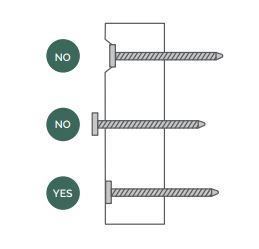
Always drill pilot holes before inserting fasteners in cedar. Use a drill bit slightly smaller than the fastener’s diameter. This prevents the wood from cracking or splitting. Drill straight and deep enough to guide the screw or nail easily.
Correct Fastening Angles
Insert fasteners at a slight angle to increase grip. For nails, drive them in at a 45-degree angle. Screws work best when driven straight but not too tight. Avoid over-driving, which can damage the cedar surface.
Avoiding Wood Splitting
Start fasteners away from edges and ends of cedar boards. Keep a distance of at least 1 inch from edges. Slow and steady fastening reduces pressure on the wood. Use corrosion-resistant fasteners to prevent stains and wood damage over time.
Fastener Selection For Different Cedar Applications
Selecting the right fasteners for cedar projects is essential for durability and appearance. Cedar wood contains natural oils that can react with some metals. This reaction can cause staining or corrosion over time. Choosing fasteners that resist these effects helps keep the wood strong and looking good. Different cedar applications need different types of fasteners to perform well and last longer.
Outdoor Decks And Fencing
Use stainless steel or hot-dipped galvanized fasteners for decks and fences. These resist rust and corrosion in wet conditions. Avoid regular steel nails or screws that may stain cedar. Spiral-shank or ring-shank nails hold the wood firmly in place. Screws with a corrosion-resistant coating work well for stronger joints. These fasteners keep decks and fences safe and stable for years.
Siding And Paneling
For siding and paneling, choose corrosion-resistant nails or screws. Stainless steel or coated fasteners prevent rust marks on cedar. Use finish nails with small heads for a neat look. Screws provide a tight hold but may require pre-drilling to avoid splitting. Proper fasteners help siding stay secure and protect your home from weather damage.
Furniture And Decorative Projects
Brass or stainless steel screws are ideal for cedar furniture. These fasteners resist corrosion and look attractive. Small gauge screws or nails suit delicate decorative pieces. Pre-drilling holes prevents cracking in thin cedar parts. Using the right fasteners ensures your furniture stays sturdy and beautiful over time.
Frequently Asked Questions
What Types Of Fasteners Work Best With Cedar Wood?
Stainless steel and hot-dipped galvanized fasteners work best with cedar. They resist corrosion and prevent staining. These fasteners ensure durability and maintain cedar’s natural beauty over time.
Can I Use Regular Nails With Cedar Wood?
Regular nails can cause rust and discoloration on cedar. It’s better to use corrosion-resistant nails like stainless steel or coated nails. This protects the wood and ensures a long-lasting hold.
Why Avoid Black Iron Fasteners On Cedar?
Black iron fasteners rust quickly and leave ugly stains on cedar. They also degrade the wood’s integrity. Using stainless steel or galvanized fasteners prevents these issues and keeps cedar looking clean.
Are Stainless Steel Screws Necessary For Outdoor Cedar Projects?
Yes, stainless steel screws are essential outdoors. Cedar contains natural oils that react with metals. Stainless steel prevents corrosion and staining, ensuring strong, lasting connections in all weather conditions.
Conclusion
Choosing the right fasteners keeps cedar strong and lasting. Stainless steel or coated screws stop rust and damage. Nails can work but may not hold as well. Always pick fasteners made for outdoor use and wood. This helps protect cedar’s natural beauty and strength.
Small choices make big differences in your project. Use the best fasteners to ensure your cedar stays safe. Simple steps bring great results every time.