Have you ever wondered who invented the hook and loop fastener that you use every day? This simple yet clever invention is hidden in plain sight, making your life easier without you even noticing.
From shoes to backpacks and even space suits, hook and loop fasteners play a vital role. You’ll discover the surprising story behind this invention and the genius mind that brought it to life. Keep reading—you won’t believe how this everyday item came to be and how it changed the world.
Early Inspirations
The idea behind hook and loop fasteners came from simple observations. Early inventors found inspiration in the world around them. They noticed how nature solved problems with clever designs. These early inspirations helped shape the fastener we use today.
Before hook and loop fasteners, people struggled with many types of closures. These early ideas set the stage for a new kind of fastening solution. Understanding these roots helps us appreciate the invention more.
Nature’s Influence
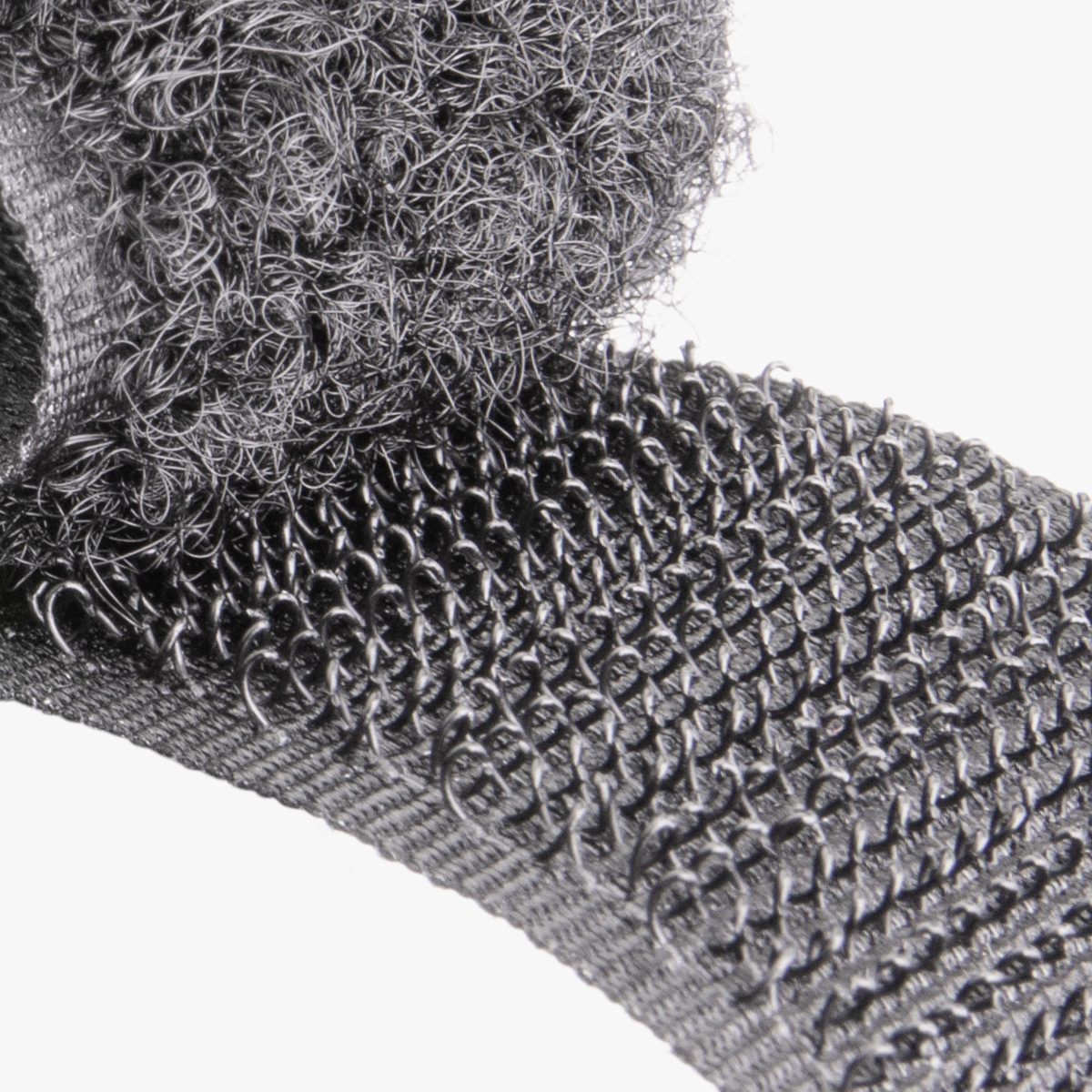
Nature inspired the invention of hook and loop fasteners. Inventors saw how burrs stuck to animal fur and clothes. Burrs have tiny hooks that catch on loops in fabric. This natural hook and loop system sparked the idea for a new fastener. It showed how simple shapes could create strong bonds.
Challenges Of Traditional Fasteners
Before hook and loop fasteners, closures had many problems. Buttons and zippers could be hard to use. They often broke or took extra time to fasten. People needed a faster, easier way to close things. This need drove inventors to find a better solution. Hook and loop fasteners answered this call with ease and speed.
Credit: www.velcro.com
The Inventor’s Journey
George de Mestral invented the hook and loop fastener in 1941. He got the idea after noticing burrs stuck to his clothes. This simple design changed how we fasten shoes, bags, and clothes.
Background And Motivation
George de Mestral was a Swiss engineer and inventor. He loved nature and often went on walks with his dog. One day, he noticed burrs stuck to his clothes and his dog’s fur. This sparked his curiosity. He wanted to find a way to recreate this natural sticking method. His goal was to develop a fastener that was easy to use and reusable. This desire grew from a simple walk into a mission to create something new.
Initial Experiments
De Mestral examined the burrs under a microscope. He saw tiny hooks on the burrs that caught on fabric loops. This observation gave him an idea. He tried to copy the hook-and-loop system with fabric and wire. At first, his attempts were rough and not very strong. He kept testing different materials and designs. After many tries, he succeeded in making a practical fastener. This fastener worked well and could be opened and closed many times.
The Breakthrough Moment
The breakthrough moment in the story of hook and loop fasteners changed how we fasten clothes and objects. It began with a simple observation of nature and ended with a practical invention. This invention made daily tasks easier and faster.
Understanding this moment helps us see how small ideas can lead to big changes in everyday life.
Discovery Of Hook And Loop Mechanism
A Swiss engineer named George de Mestral made the key discovery in 1941. After a walk in the woods, he noticed burrs sticking to his clothes and his dog’s fur. Curious, he examined the burrs under a microscope.
He saw tiny hooks on the burrs that caught onto loops in the fabric and fur. This natural hook and loop system inspired him to create a new fastener. He wanted a product that would stick and unstick easily.
Patent And Recognition
George de Mestral worked for years to develop his idea into a useful product. In 1955, he received a patent for his invention. He named it “Velcro,” combining “velvet” and “crochet.”
The fastener gained attention for its strength and simplicity. It found use in clothing, shoes, and many other items. De Mestral’s invention earned him recognition as the creator of the hook and loop fastener.
Evolution Of The Fastener
The hook and loop fastener has a fascinating story. It began as a simple idea and grew into a widely used product worldwide. Its evolution shows how a clever invention can change everyday life. From early experiments to modern designs, the fastener improved step by step. Each stage added new features and made it easier to use.
From Prototype To Mass Production
The first prototype appeared in the 1940s. A Swiss engineer named George de Mestral noticed burrs stuck to his clothes. He studied the burrs under a microscope. He saw tiny hooks that caught on loops of fabric. This inspired him to create a fastener that worked the same way.
De Mestral made the first hook and loop fastener by hand. It took many tries to get the right shape. After improving the design, he started small-scale production. By the 1950s, machines made the fastener faster and cheaper. Factories began producing it in large amounts. It soon became popular for clothes, shoes, and more.
Improvements And Variations
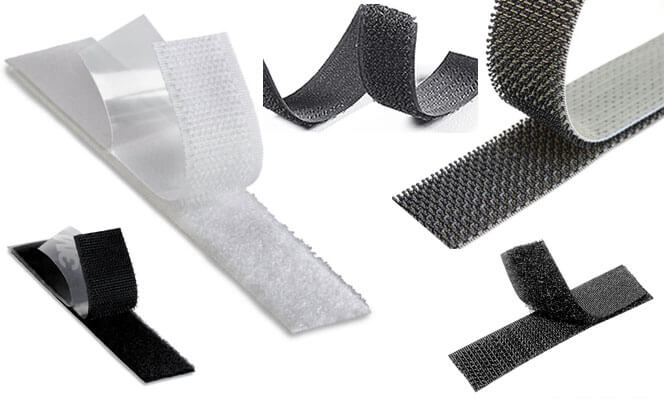
Over time, many changes improved the fastener. New materials made it stronger and longer-lasting. Some versions use nylon, while others use polyester. The hook and loop sizes vary for different uses. Small hooks suit delicate fabrics. Large hooks work well for heavy items.
Designers also created colored and patterned fasteners. This made them more attractive for fashion and decoration. Variations include waterproof and fire-resistant types. These meet special needs in sports and safety gear. The fastener’s simple idea grew into a flexible tool for many jobs.
Impact On Industries
The invention of hook and loop fasteners has changed many industries. This simple idea created new ways to fasten things quickly and safely. Its impact stretches across fields like medicine, sports, and fashion. Businesses and consumers benefit from its ease and reliability.
Medical And Sports Applications
In medical settings, hook and loop fasteners secure bandages and braces. Doctors use them to adjust support devices without tools. Patients can easily tighten or loosen straps on their own. Sports gear also uses these fasteners for comfort and safety. Athletes wear shoes and gloves that fit well and stay in place. The fasteners help protect from injuries during physical activity.
Fashion And Everyday Use
Fashion designers add hook and loop fasteners to shoes, bags, and clothes. They replace buttons and zippers for faster dressing. Children find these fasteners easy to use on their shoes. Many everyday items like wallets and phone cases use them. Their convenience makes daily tasks simpler and faster. The fasteners also allow creative designs and styles.
Credit: www.bondproducts.com
Fun Facts And Myths
Hook and loop fasteners have an interesting story full of fun facts and myths. Many people know about their use but not their origin or the tales around them. Let’s explore some common misconceptions and curious anecdotes about this simple yet clever invention.
Common Misconceptions
Many think hook and loop fasteners were invented recently. Actually, they date back to the 1940s. Some believe the inventor was a famous scientist or company. The truth is, it was a Swiss engineer named George de Mestral. He got the idea from burrs sticking to his clothes and his dog’s fur. Another myth says the fastener is only for shoes or clothes. It is used in many fields like space travel, medicine, and sports.
Interesting Anecdotes
George de Mestral spent years perfecting his invention. He tested thousands of burrs to understand how they stick. At first, his idea was not taken seriously. People thought it was just a simple toy. The fastener was even used by NASA in the 1960s for space suits. Soldiers also used it during wars for easy-to-use gear. This small invention has a big story behind it.

Credit: www.hookandloop.com
Frequently Asked Questions
Who Invented The Hook And Loop Fastener?
George de Mestral, a Swiss engineer, invented the hook and loop fastener in 1941. He got the idea from burrs sticking to his clothes during a walk.
When Was The Hook And Loop Fastener Invented?
The hook and loop fastener was invented in 1941 and patented in 1955 by George de Mestral, revolutionizing fastening methods.
How Does A Hook And Loop Fastener Work?
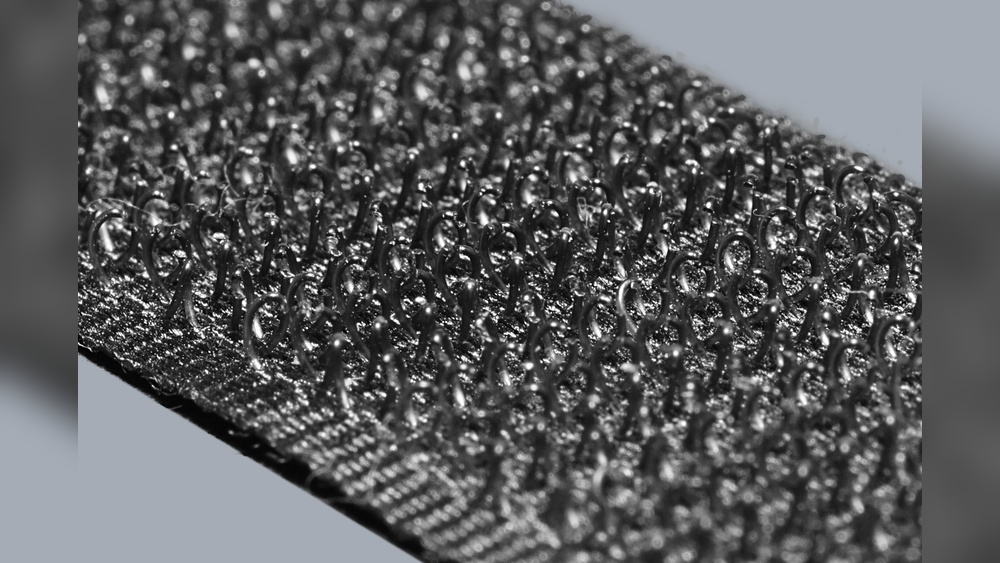
It works by interlocking tiny hooks with loops, creating a secure yet easily detachable bond between two surfaces.
What Materials Are Used In Hook And Loop Fasteners?
Typically, nylon or polyester fibers are used to create the hooks and loops in these fasteners, ensuring durability and flexibility.
Conclusion
George de Mestral invented the hook and loop fastener in 1941. He got the idea from burrs sticking to his clothes. This simple invention changed how we fasten items every day. You see it in shoes, clothes, and many tools.
Its design is easy to use and strong. The hook and loop fastener saves time and effort. It remains popular because it works well. Thanks to de Mestral, fastening became faster and simpler. This invention shows how nature can inspire useful ideas.