Have you ever struggled with stubborn cam lock fasteners that just won’t come apart? Whether you’re fixing furniture or working on a DIY project, removing these fasteners can be tricky if you don’t know the right steps.
But don’t worry—this guide will walk you through simple, effective methods to get the job done quickly and without damage. Keep reading, and you’ll gain the confidence to handle cam lock fasteners like a pro in no time.
Tools Needed
Removing cam lock fasteners requires the right tools. The correct tools make the job easier and faster. Using the wrong tools can damage the fastener or the furniture. This section explains the tools needed for removal. It covers common tools and specialized equipment.
Common Tools For Removal
Screwdrivers are the most common tools used. A flathead or Phillips screwdriver often fits the cam lock slot. A small wrench or pliers helps turn the fastener if it is tight. Sometimes, a hammer is useful to tap the fastener gently. These tools are easy to find and simple to use.
Specialized Equipment
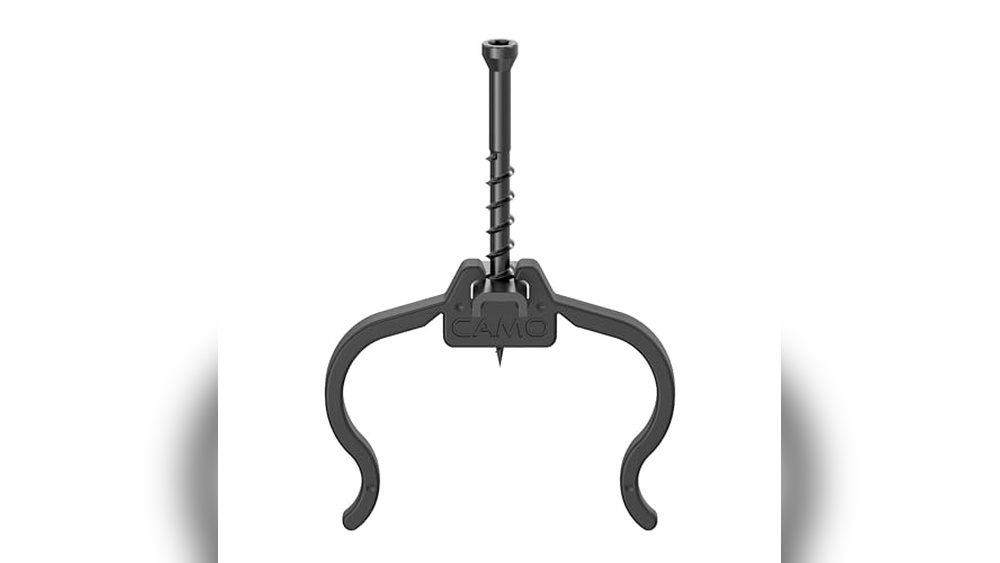
Specialized tools make removal smoother for tricky fasteners. A cam lock removal tool is designed to fit perfectly. It grips the fastener without slipping. An electric screwdriver speeds up the process for many fasteners. These tools are handy for frequent or large projects. They reduce effort and prevent damage.

Credit: www.lockmanage.com
Identifying Cam Lock Fasteners
Identifying cam lock fasteners is the first step to removing them safely. These fasteners are common in flat-pack and ready-to-assemble furniture. They hold panels tightly together and are hidden from view. Knowing how to spot them saves time and effort.
Types Of Cam Locks
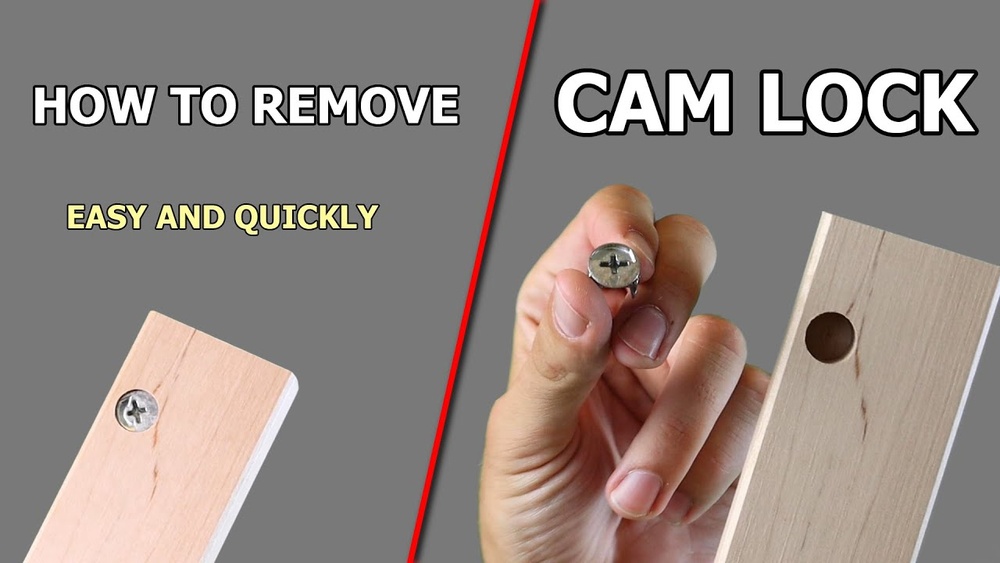
Cam locks come in different shapes and sizes. The most common type has a round, flat head with a slot or cross. Some have a small metal pin or a raised edge inside. Others may be plastic but work the same way. Recognizing these types helps you choose the right tool.
Locating Fasteners In Furniture
Cam lock fasteners usually sit inside small holes along the edges of furniture parts. Look near corners or where two panels meet. They often hide behind covers or stickers. Check inside cabinets, drawers, or under shelves for better access. Spotting the fasteners early makes removal easier and safer.
Preparing For Removal
Preparing for the removal of cam lock fasteners is an important first step. It helps make the process safer and easier. Taking time to prepare can prevent damage and injury.
Safety Precautions
Wear safety glasses to protect your eyes from debris. Use gloves to avoid cuts and scrapes. Ensure you have good lighting in your workspace. Avoid loose clothing that can get caught in tools. Keep a first aid kit nearby in case of minor injuries.
Clearing The Work Area
Remove all unnecessary items from the area around the fastener. This gives you enough space to work comfortably. Clean dust and dirt to see the fastener clearly. Organize tools and materials within easy reach. A tidy workspace helps you focus and work faster.

Credit: www.youtube.com
Step-by-step Removal Process
Removing cam lock fasteners requires a clear and careful approach. Follow each step to avoid damage and ensure smooth removal. This guide breaks down the process into easy parts for better understanding.
Loosening The Cam Lock
Start by locating the cam lock. Use a screwdriver that fits the slot perfectly. Turn the screwdriver gently in the correct direction. This action loosens the cam lock. Avoid forcing it to prevent stripping the slot.
Removing The Fastener
Once loose, pull the cam lock fastener out slowly. If it moves smoothly, continue until fully removed. Check for any attached parts to avoid losing them. Keep the fastener safe for later use or replacement.
Handling Stubborn Fasteners
Sometimes fasteners get stuck due to dirt or tight fitting. Apply a small amount of lubricant around the cam lock area. Let it sit for a few minutes. Use gentle taps with a rubber mallet to loosen the fastener. Repeat loosening steps carefully until it comes free.
Troubleshooting Common Issues
Troubleshooting common issues with cam lock fasteners can save time and frustration. Problems often arise during removal. Knowing how to handle these problems helps avoid damage and keeps your project smooth. This section covers two main problems: stripped cam locks and damaged surrounding materials.
Dealing With Stripped Cam Locks
Stripped cam locks lose their grip, making removal hard. Use a rubber band for extra traction. Place it over the cam lock and turn with a screwdriver. The rubber band fills gaps and improves grip.
If the rubber band does not work, try pliers. Grip the cam lock carefully and twist it out. Avoid using too much force to prevent further damage.
Fixing Damaged Surrounding Materials
Removing cam locks can sometimes harm the wood or panel around them. Small cracks or chips may appear. Use wood filler to fix minor damage. Apply it smoothly and let it dry before sanding.
For larger damage, replace the panel or reinforce it. This keeps the structure strong and ready for new fasteners. Always handle materials gently to reduce risk during removal.

Credit: diy.stackexchange.com
Tips For Reassembly
Reassembling cam lock fasteners requires care and attention. Proper steps ensure a strong and lasting hold. Small details make a big difference during reassembly. Follow these tips to keep your fasteners tight and secure.
Ensuring Secure Fits
Check each part before reassembling. Clean the holes and fastener surfaces well. Dirt or dust can prevent tight fits. Align parts carefully to avoid misplacement. Turn the cam lock gently but firmly. Avoid forcing it, which can damage parts. Test the connection by pulling lightly. A secure fit should feel snug and stable.
Replacing Worn Fasteners
Old fasteners may lose strength or shape. Look for cracks, bends, or stripped threads. Replace any worn or damaged parts. Use matching sizes and types for best results. New fasteners improve safety and performance. Keep spare fasteners handy for quick fixes. Regular checks help catch wear early. Replacing worn fasteners saves time and effort later.
Frequently Asked Questions
What Tools Do I Need To Remove Cam Lock Fasteners?
You need a flathead screwdriver or a cam lock removal tool. A gentle grip and steady hand help avoid damage. Having the right tools ensures a smooth removal process without harming the furniture.
How Can I Safely Remove Cam Lock Fasteners?
Turn the cam lock counterclockwise using a screwdriver. Avoid forcing it to prevent stripping the lock. Work slowly and apply gentle pressure for safe and effective removal.
Can I Reuse Cam Lock Fasteners After Removal?
Yes, cam lock fasteners can be reused if undamaged. Inspect them for wear before reassembly. Proper handling during removal preserves their functionality for future use.
Why Are Cam Lock Fasteners Hard To Remove?
Cam locks often fit tightly to secure furniture panels. Over-tightening or debris can make removal difficult. Using correct tools and techniques reduces the challenge significantly.
Conclusion
Removing cam lock fasteners is simple with the right steps. Always use the correct tools and work carefully. Take your time to avoid damage to your furniture. Practice makes the process easier and faster. Keep these tips in mind for smooth removal every time.
This skill helps with repairs and furniture changes. You can handle cam lock fasteners with confidence now.