Are you looking to refresh your kitchen with a style that feels both timeless and modern? Understanding what a transitional kitchen cabinet is can help you create a space that perfectly balances classic charm with contemporary simplicity.
Pairing these cabinets with the right transitional cabinet hardware design can elevate your kitchen’s look, making it feel inviting and stylish without overwhelming your senses. If you want your kitchen to be both functional and beautiful, keep reading—this guide will show you how to achieve that perfect blend effortlessly.
Transitional Kitchen Cabinets Explained
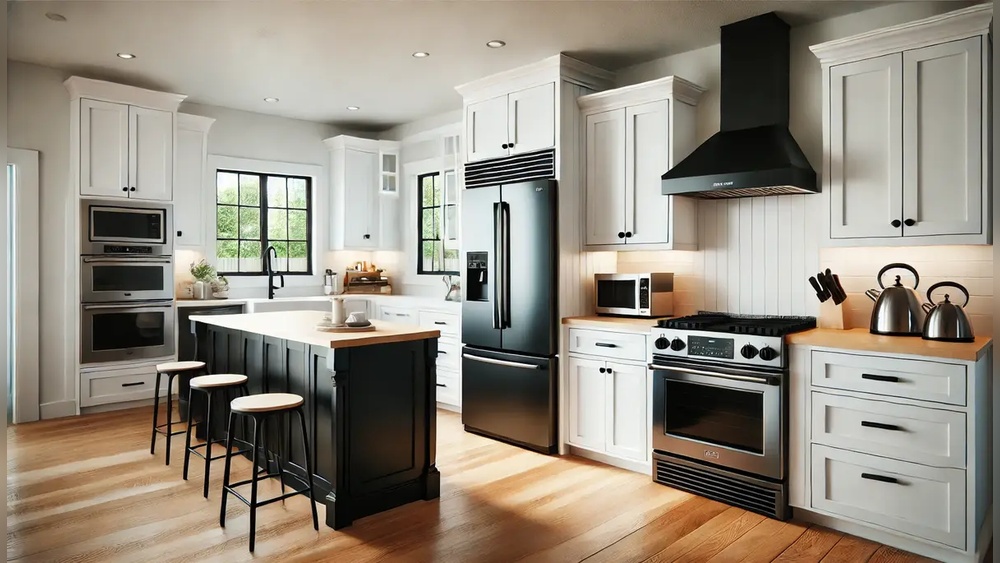
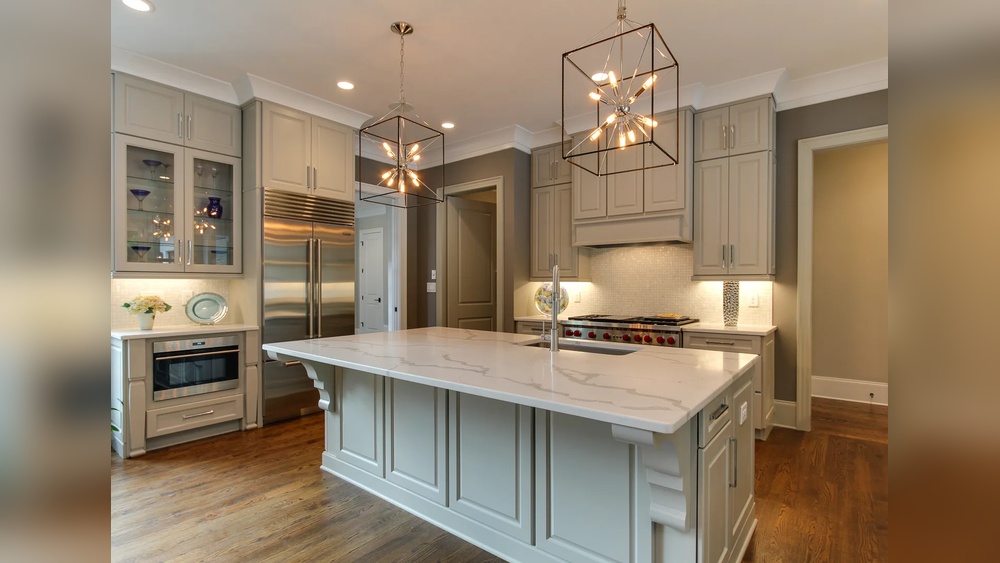
Transitional kitchen cabinets blend traditional and modern styles. They offer a balanced look that fits many kitchen designs. These cabinets bring warmth without feeling too old or too new. They create a cozy yet fresh space that many homeowners love.
Transitional cabinets focus on clean lines but keep some classic details. This mix makes kitchens feel inviting and stylish. They work well with different colors and materials. These cabinets adapt to many tastes and room sizes.
Key Features Of Transitional Cabinets
Transitional cabinets have simple, straight lines. They avoid heavy ornamentation seen in classic styles. The design often includes subtle details like recessed panels or slight molding.
Hardware on these cabinets is sleek but not flashy. Handles and knobs usually have smooth shapes and soft finishes. This style balances comfort with a modern look.
Materials And Finishes
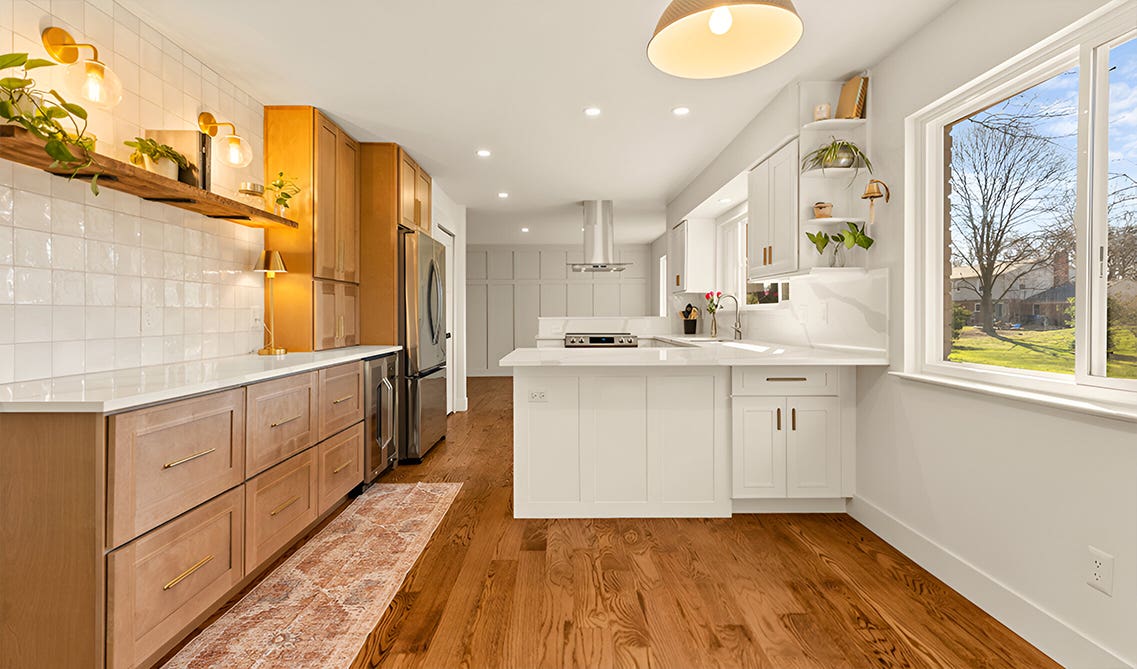
Wood is the most common material for transitional cabinets. Oak, maple, and cherry are popular choices. These woods provide durability and a warm feel.
Finishes range from matte to semi-gloss. Painted cabinets in soft whites and grays are common. Natural wood stains that highlight grain patterns also work well.
Popular Color Palettes
Neutral colors rule in transitional kitchens. Whites, creams, and light grays create a calm background. Soft blues and greens add gentle color without overwhelming.
Darker shades like navy or charcoal can be used for contrast. These colors give depth while keeping the look balanced and refined.

Credit: www.huntskitchendesigns.com
Benefits Of Transitional Cabinets
Transitional cabinets blend modern and traditional styles smoothly. They offer many benefits that suit various kitchen designs and lifestyles. Their appeal lies in their balance of form and function, making kitchens both beautiful and practical.
Versatility In Design
Transitional cabinets fit many kitchen styles. They mix clean lines with classic shapes. This makes them easy to match with different decor. You can pair them with various colors and materials. They adapt well to changes in your home’s look.
Timeless Appeal
These cabinets never go out of style. Their simple yet elegant design stays fresh over time. This keeps your kitchen looking good for years. You avoid frequent updates and save money. Their classic look appeals to many people.
Functionality And Storage
Transitional cabinets offer smart storage solutions. They use space efficiently with shelves and drawers. This helps keep kitchens organized and clutter-free. The hardware designs are easy to use and durable. They support daily kitchen activities without trouble.
Choosing Transitional Cabinet Hardware
Transitional kitchen cabinets blend traditional and modern styles for a balanced look. Transitional cabinet hardware complements this by combining simple and elegant designs. This style offers versatility and timeless appeal for any kitchen.
Styles That Complement Transitional Cabinets
Choosing hardware for transitional cabinets means finding a style that blends both classic and modern looks. Simple shapes with clean lines work well. Look for handles and knobs that are not too fancy but not too plain either. Curved edges mixed with straight lines create balance. This subtle mix helps the cabinet hardware fit smoothly in any kitchen.Common Materials And Finishes
Metal is the most popular choice for transitional cabinet hardware. Brushed nickel and oil-rubbed bronze offer soft, muted tones. These finishes do not shine too much but still add a touch of elegance. Satin brass is gaining popularity for a warm, inviting feel. Choose materials that resist fingerprints and wear to keep your kitchen looking fresh.Mixing Traditional And Modern Elements
Transitional design blends old and new. Hardware can have classic shapes but with a modern twist. For example, a traditional knob with a matte finish adds a fresh look. Pairing sleek pulls with vintage-style hinges brings harmony. This mix creates a kitchen that feels familiar but also current. It invites comfort and style at the same time.Top Trends In Transitional Hardware
Transitional kitchen cabinets blend classic and modern styles. The hardware used plays a big role in this look. Choosing the right pulls and knobs can make your kitchen feel fresh and inviting. Below are the top trends in transitional hardware that add style without overdoing it.
Matte Black And Brushed Nickel
Matte black hardware creates a bold, clean look. It works well with light or dark cabinets. Brushed nickel offers a softer, warm shine. This finish fits perfectly in kitchens with neutral colors. Both finishes are popular choices for a modern yet timeless feel.
Minimalist Pulls And Knobs
Simple shapes and clean lines define minimalist hardware. Thin bar pulls and small round knobs keep cabinets elegant. Minimalist designs avoid extra decoration or patterns. This trend supports the calm and balanced style of transitional kitchens.
Decorative Accents
Small decorative touches add character without overwhelming. Look for subtle patterns or unique shapes in pulls and knobs. These accents bring a personal touch to your kitchen. They highlight the blend of traditional and modern styles in transitional design.
Installation Tips For Hardware
Installing hardware on transitional kitchen cabinets requires care and precision. Proper installation improves both function and style. Follow these tips to get the best results for your cabinet hardware.
Measuring And Placement
Measure carefully before drilling any holes. Mark the exact spot for handles or knobs. Use a ruler or tape measure for accuracy. Keep placement consistent across all doors and drawers. Align hardware at the same height for a neat look. Double-check your measurements to avoid mistakes.
Tools And Techniques
Use the right tools to make installation easier. A drill with a small bit helps create pilot holes. Pilot holes prevent the wood from splitting. A screwdriver fits screws tightly but avoid over-tightening. Use a level to keep hardware straight. Take your time to ensure each piece fits well.
Maintaining Hardware Longevity
Clean hardware regularly with a soft cloth. Avoid harsh chemicals that can damage finishes. Tighten screws if they become loose over time. Check for signs of rust or wear. Replace damaged hardware promptly to keep cabinets looking fresh. Proper care extends the life of your hardware.

Credit: busbycabinets.com
Styling Ideas For Transitional Kitchens
Styling a transitional kitchen blends old and new styles smoothly. This design mixes classic charm with modern simplicity. The goal is creating a balanced look that feels fresh yet timeless. Each element plays a key role in achieving this harmony.
Choosing the right features brings the kitchen together. The style should feel warm and inviting. Smart choices in cabinets, lighting, and surfaces make a big difference. These tips help create a kitchen that fits the transitional style perfectly.
Balancing Classic And Contemporary
Start with cabinets that have clean lines but soft details. Simple shaker-style doors work well. Use neutral colors like white, gray, or beige. Add subtle molding to keep classic touches. Avoid too much ornament or heavy decoration.
Hardware should be sleek but with a hint of vintage. Brushed nickel or matte black knobs fit nicely. Mixing straight and curved shapes adds interest. Keep the look uncluttered and smooth.
Complementary Lighting Choices
Choose lighting that blends style and function. Pendant lights with simple shapes and soft finishes are ideal. Warm bulbs create a cozy feel. Recessed lights add brightness without drawing attention.
Use layered lighting for flexibility. Combine overhead lights with under-cabinet fixtures. This mix helps highlight key areas and adds depth. Lighting should support both work and mood.
Coordinating With Countertops And Backsplashes
Countertops should balance the cabinet colors. Quartz or granite in soft tones work well. Marble-look surfaces add elegance without feeling too formal. Keep patterns subtle to avoid clashing.
Backsplashes can be simple subway tiles or natural stone. Choose colors that complement both cabinets and countertops. Matte finishes often suit transitional kitchens best. This keeps the overall look calm and unified.
Common Mistakes To Avoid
Choosing the right transitional kitchen cabinet and hardware design can be tricky. Mistakes can make your kitchen look messy or mismatched. Avoiding common errors helps create a balanced, stylish space. Focus on simplicity, size, and matching finishes for the best results.
Overcomplicating The Design
Transitional design blends traditional and modern styles. Adding too many details confuses this balance. Simple cabinet shapes work best. Avoid busy patterns or too many colors. Keep hardware sleek and straightforward. This approach ensures a clean, elegant look.
Ignoring Scale And Proportion
Cabinets and hardware must fit the kitchen size. Large knobs look odd on small drawers. Tiny handles get lost on big doors. Measure carefully before buying. Proper scale keeps the kitchen comfortable and attractive. Every element should feel right in size and placement.
Choosing Incompatible Hardware Finishes
Hardware finish affects the cabinet’s style. Mixing shiny chrome with warm bronze creates confusion. Pick finishes that match or complement each other. Consistency ties the whole design together. Test samples in your kitchen light before deciding.
Credit: www.lilyanncabinets.com
Frequently Asked Questions
What Defines A Transitional Kitchen Cabinet Style?
A transitional kitchen cabinet style blends traditional and modern elements. It offers clean lines with subtle decorative details. This style suits various kitchen designs, balancing warmth and simplicity. It appeals to homeowners seeking timeless, versatile cabinetry.
How Does Transitional Cabinet Hardware Differ?
Transitional cabinet hardware combines classic shapes with contemporary finishes. It often features simple, sleek designs in brushed nickel or bronze. This hardware style enhances the cabinet’s balanced look. It complements both traditional and modern kitchen aesthetics.
Why Choose Transitional Kitchen Cabinets?
Transitional kitchen cabinets offer flexibility and timeless appeal. They work well with diverse interior styles. Their neutral design ensures longevity and easy updates. Homeowners favor them for blending comfort with modern trends.
Can Transitional Cabinets Fit Small Kitchens?
Yes, transitional cabinets suit small kitchens by maximizing space. Their clean lines prevent visual clutter. Light colors and minimalist hardware create an open feel. This style improves functionality without sacrificing style.
Conclusion
Transitional kitchen cabinets blend classic and modern styles well. They bring warmth and clean lines into your kitchen space. Choosing the right cabinet hardware adds charm and function. Simple knobs or sleek pulls can change the room’s look. This design suits many homes and tastes easily.
It offers balance without feeling too old or too new. Exploring these options helps create a kitchen that feels just right. A cozy, stylish kitchen is possible with thoughtful choices. Try mixing styles to find your perfect fit.