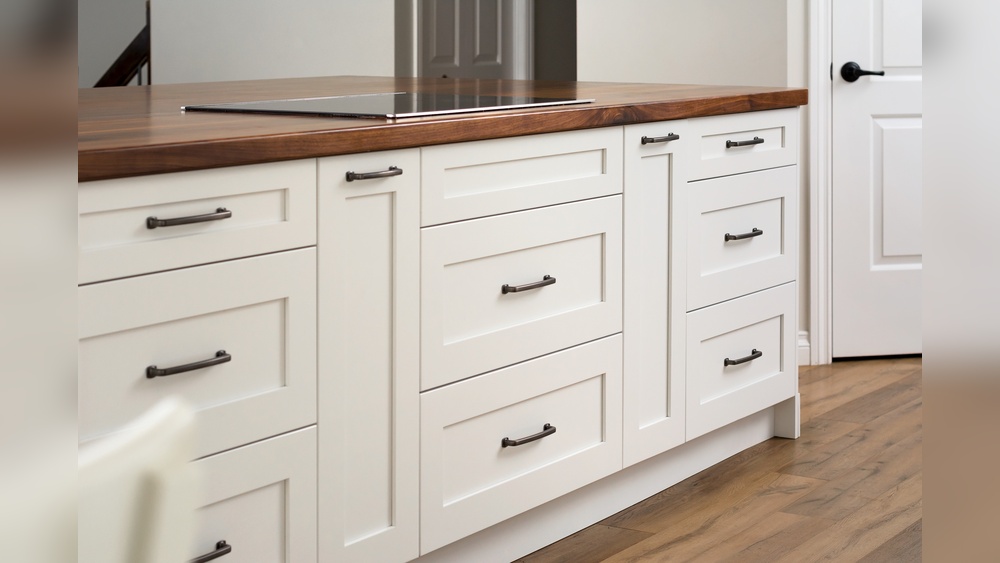
When you’re installing cabinet hardware, drilling the perfect hole is key to a clean, professional look. But have you ever wondered how much room for error you actually have?
Knowing the right tolerance—the small margin of difference allowed when drilling—can save you from costly mistakes and frustrating do-overs. You’ll discover exactly how precise you need to be, why it matters, and simple tips to get it right every time.
Stick with me, and you’ll gain the confidence to tackle your cabinet hardware installation like a pro.

Credit: www.reddit.com
Tolerance Basics For Cabinet Hardware
Understanding tolerance is key to drilling holes for cabinet hardware. Tolerance refers to the allowed difference between the planned hole size and the actual hole size. It ensures hardware fits well and works smoothly.
Accurate tolerance helps avoid problems like loose handles or misaligned knobs. It guides both professionals and DIYers in making precise installations. Knowing tolerance basics saves time and improves cabinet appearance.
What Tolerance Means In Drilling
Tolerance in drilling means the small variation allowed in hole size or position. No drilling process is perfect, so a tiny difference is normal. Tolerance lets you accept these small differences without issues.
If the hole is too big or too small, hardware will not fit properly. A good tolerance level keeps the hole close to the correct size. It also controls how far the hole can move from the planned spot.
Common Tolerance Ranges
For cabinet hardware holes, tolerance usually ranges from 0.5 mm to 1 mm. This means the hole size or position can change by this amount. Staying in this range helps hardware fit tightly and work well.
Smaller tolerance values are needed for delicate or precise hardware. Larger tolerances might be okay for simple handles or knobs. Always check hardware instructions for the recommended tolerance.

Credit: www.reddit.com
Factors Affecting Drill Hole Tolerance
Drill hole tolerance is the allowed difference in hole size and position when installing cabinet hardware. Several factors affect this tolerance and determine how precise the holes will be. Understanding these factors helps achieve a clean and professional look. It also prevents hardware misalignment and damage.
Material Type And Thickness
The type of material influences drill hole tolerance. Harder materials like hardwood require more care to avoid cracks. Softer materials like plywood allow for slight adjustments during drilling. Thickness also matters. Thicker materials can cause the drill to wander, affecting hole accuracy.
Drill Bit Quality And Size
High-quality drill bits cut cleaner and stay sharp longer. This precision reduces hole size variations. The drill bit size must match the hardware screw size exactly. Using a bit that is too large or small lowers tolerance and weakens the fit.
Tool Calibration And Stability
Properly calibrated tools ensure consistent hole placement. Loose or worn drill chucks cause wobbling, which increases hole size errors. Using clamps and guides improves drill stability. Stable tools help maintain tight tolerance for every hole drilled.
Measuring And Maintaining Accuracy
Measuring and maintaining accuracy is key when drilling holes for cabinet hardware. Small errors can cause misaligned handles or knobs. This affects the cabinet’s look and function. Precision helps achieve a professional finish and saves time. Use the right tools and methods to keep measurements exact.
Using Templates And Jigs
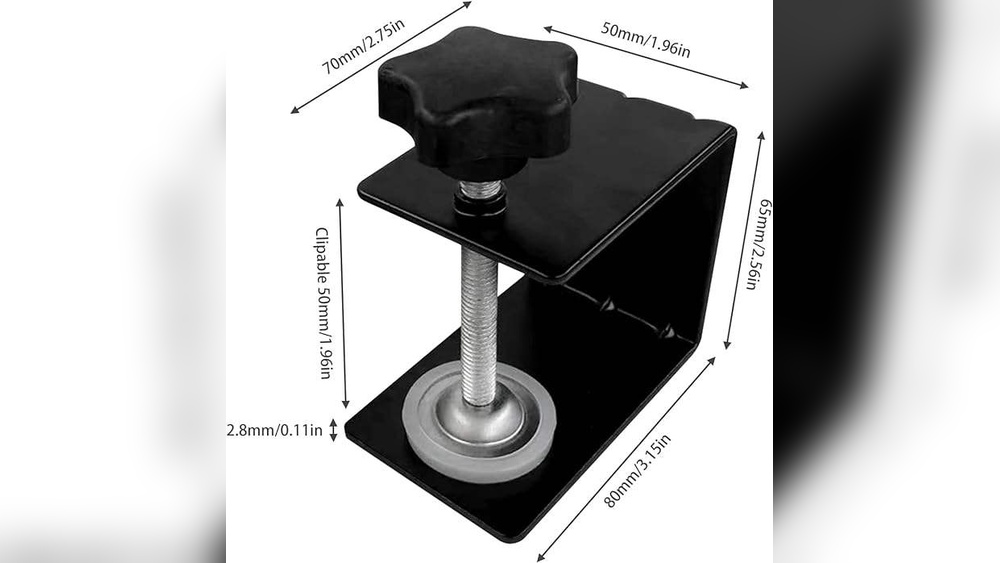
Templates and jigs help drill holes evenly and in the right spot. They guide the drill and prevent mistakes. You can buy ready-made templates or make your own. Place the template on the cabinet and clamp it tightly. This keeps the drill steady and consistent for each hole.
Marking Techniques For Precision
Mark the hole spots clearly before drilling. Use a pencil or a fine-tip marker. Measure twice, mark once. Use a ruler or tape measure for exact distances. Small marks are easier to follow and reduce errors. A center punch can make a small dent to guide the drill bit.
Checking Hole Alignment
Check the hole alignment before and after drilling. Use a level or straight edge to see if holes line up. Compare holes on both sides of the cabinet door. Misaligned holes cause hardware to look crooked. Fix mistakes early to avoid damage or extra work.
Impact Of Tolerance On Hardware Fit
Tolerance in drilling holes for cabinet hardware affects how well the hardware fits. A hole too large or too small changes the way handles and knobs sit on the cabinet. Precision in tolerance ensures the hardware looks good and works properly.
Even a small difference in hole size can cause problems. Loose holes make hardware wobble or feel weak. Tight holes can make installation hard and may damage the hardware or cabinet.
Loose Vs Tight Fits
Loose fits happen when the hole is bigger than the hardware screw or pin. This causes the handle or knob to move or shake. Loose fits may also cause noise and wear out parts fast.
Tight fits happen when the hole is too small. Installing hardware becomes difficult and may cause cracks. Tight fits can also strip screws or break hardware parts.
Choosing the right tolerance avoids both loose and tight fits. It keeps hardware stable and easy to install.
Adjusting For Handle And Knob Types
Different hardware types need different hole sizes and tolerances. Handles with wide bases need larger holes and more tolerance. Small knobs need tighter tolerance for a firm fit.
Metal hardware may expand or contract with temperature. Wood cabinets can swell or shrink. Adjusting hole size for these changes helps maintain a good fit over time.
Always check the hardware design before drilling. Adjust tolerance to match the specific handle or knob style.
Tips For Drilling Perfect Holes
Drilling perfect holes for cabinet hardware is key to a clean, professional look. Small mistakes can cause misaligned handles or loose fittings. Follow simple steps to improve accuracy and avoid damage. These tips help create precise holes every time.
Focus on control, preparation, and support. Each factor makes a big difference in your final result.
Pre-drilling Pilot Holes
Start by drilling small pilot holes. These guide the larger drill bit and prevent wood from splitting. Use a drill bit slightly smaller than your hardware screws. Pilot holes make the drilling process smoother and more accurate.
Drill Speed And Pressure Control
Use moderate drill speed to avoid overheating the bit. Too fast can cause rough edges. Apply steady, light pressure. Pressing too hard may crack the wood or bend the drill bit. Keep a firm grip and let the drill do the work.
Using Clamps For Stability
Secure the cabinet piece with clamps before drilling. This stops movement and keeps holes straight. Clamps also protect your hands from slipping. Always check the piece is stable before starting to drill.
Common Mistakes And How To Avoid Them
Drilling holes for cabinet hardware requires care. Small errors can cause big problems. Knowing common mistakes helps avoid damage and saves time. This section highlights frequent errors and simple ways to fix them.
Ignoring Material Variations
Different cabinet materials react differently when drilled. Soft wood can split easily. Hard wood may need more pressure. Metal and MDF require special drill bits. Not adjusting for material causes poor hole quality. Always check your material before drilling. Use the right drill speed and bit type for each material.
Skipping Measurement Checks
Accurate measurements ensure hardware fits perfectly. Skipping checks leads to misplaced holes. Use a ruler and pencil to mark spots. Double-check measurements before drilling. Measure twice, drill once. Small errors can ruin the cabinet’s look and function. Take time to verify every mark.
Using Dull Or Incorrect Drill Bits
Dull drill bits make rough holes and damage surfaces. Using the wrong bit size or type affects hole size. Choose bits designed for your cabinet material. Replace bits often to keep sharpness. Sharp bits cut clean holes quickly. Proper bits reduce splintering and improve hardware fit.
Tools To Improve Drilling Tolerance
Drilling holes for cabinet hardware requires high precision. Even a small error can affect the look and function of your cabinets. Tools that improve drilling tolerance help you drill holes in the right place. They make the process easier and more accurate.
Drill Guides And Bushings
Drill guides and bushings keep your drill bit steady. They stop the bit from moving side to side. This ensures the hole is straight and in the right spot. Using these tools reduces mistakes and saves time. They work well for both small and large projects.
Digital Measuring Devices
Digital measuring devices give precise measurements. These tools show the exact distance to drill holes. They are easy to read and reduce guesswork. You can measure multiple points quickly. This helps keep all holes aligned perfectly.
Laser Leveling Tools
Laser leveling tools project a straight line on your cabinet surface. This line guides where to drill holes. It helps keep hardware level across doors and drawers. Laser tools are simple to use and improve accuracy. They are ideal for projects needing perfect alignment.

Credit: www.reddit.com
Frequently Asked Questions
What Is The Standard Tolerance For Drilling Cabinet Hardware Holes?
The standard tolerance for drilling cabinet hardware holes is typically ±1/32 inch. This small margin ensures proper alignment and fitting of handles or knobs. Maintaining this precision avoids hardware misalignment and guarantees a professional finish.
How Does Tolerance Affect Cabinet Hardware Installation?
Tolerance affects cabinet hardware installation by determining hole alignment accuracy. Tight tolerance prevents misfit and hardware damage. Loose tolerance causes uneven spacing and poor aesthetics. Correct tolerance ensures smooth installation and long-lasting hardware performance.
Why Is Precise Hole Drilling Important For Cabinet Hardware?
Precise hole drilling ensures hardware fits securely and functions properly. It prevents wobbling or loosening over time. Proper hole placement also enhances the cabinet’s overall appearance and user experience. Accuracy reduces installation errors and hardware replacement needs.
Can Improper Tolerance Damage Cabinet Hardware?
Yes, improper tolerance can damage cabinet hardware by causing misalignment or forcing hardware into the hole. This leads to scratches, stripped screws, or broken parts. Maintaining correct tolerance protects both the cabinet and hardware’s integrity.
Conclusion
Drilling holes with the right tolerance keeps cabinet hardware secure. Small errors can cause handles to sit crooked or loose. Measure carefully and use a proper drill guide for best results. This helps your cabinets look neat and last longer.
Taking time with each hole saves you future repairs. Precision matters more than speed here. Keep your tools steady and double-check measurements. Good habits make installation easier and your cabinets stronger.