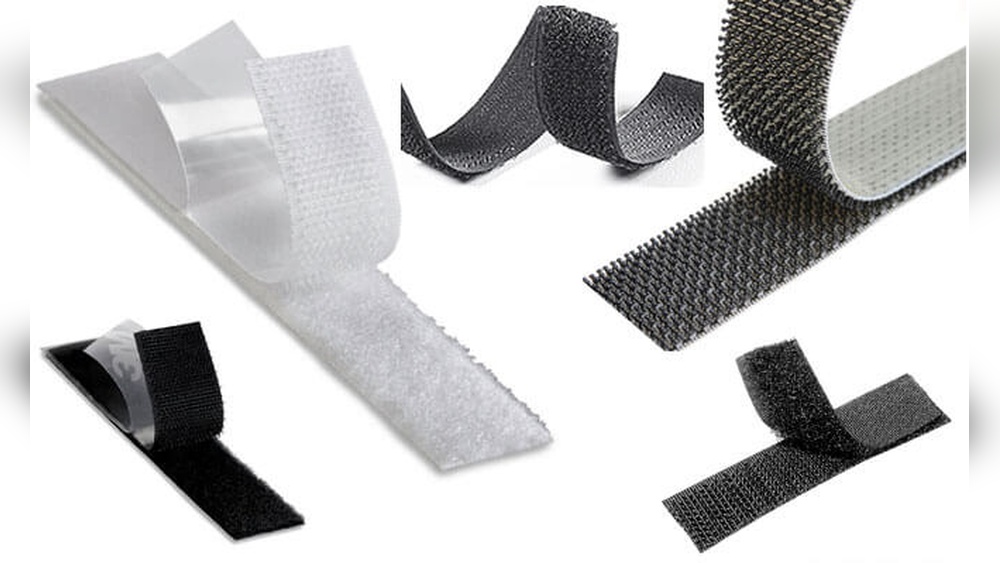
Have you ever wondered who came up with the clever idea behind the hook and loop fastener that you use every day? Whether it’s on your shoes, clothes, or even gadgets, this simple invention makes your life easier without you even thinking about it.
But who is the genius responsible for this handy solution? Keep reading, and you’ll discover the surprising story behind the invention that changed the way you fasten things forever. Your next “aha” moment is just a few lines away.

Credit: en.wikipedia.org
Early Inspirations
The invention of the hook and loop fastener did not appear out of nowhere. It grew from many ideas and observations over time. Early inspirations show how nature and earlier tools guided its design. These roots helped shape the fastener we use today.
Nature’s Influence On Design
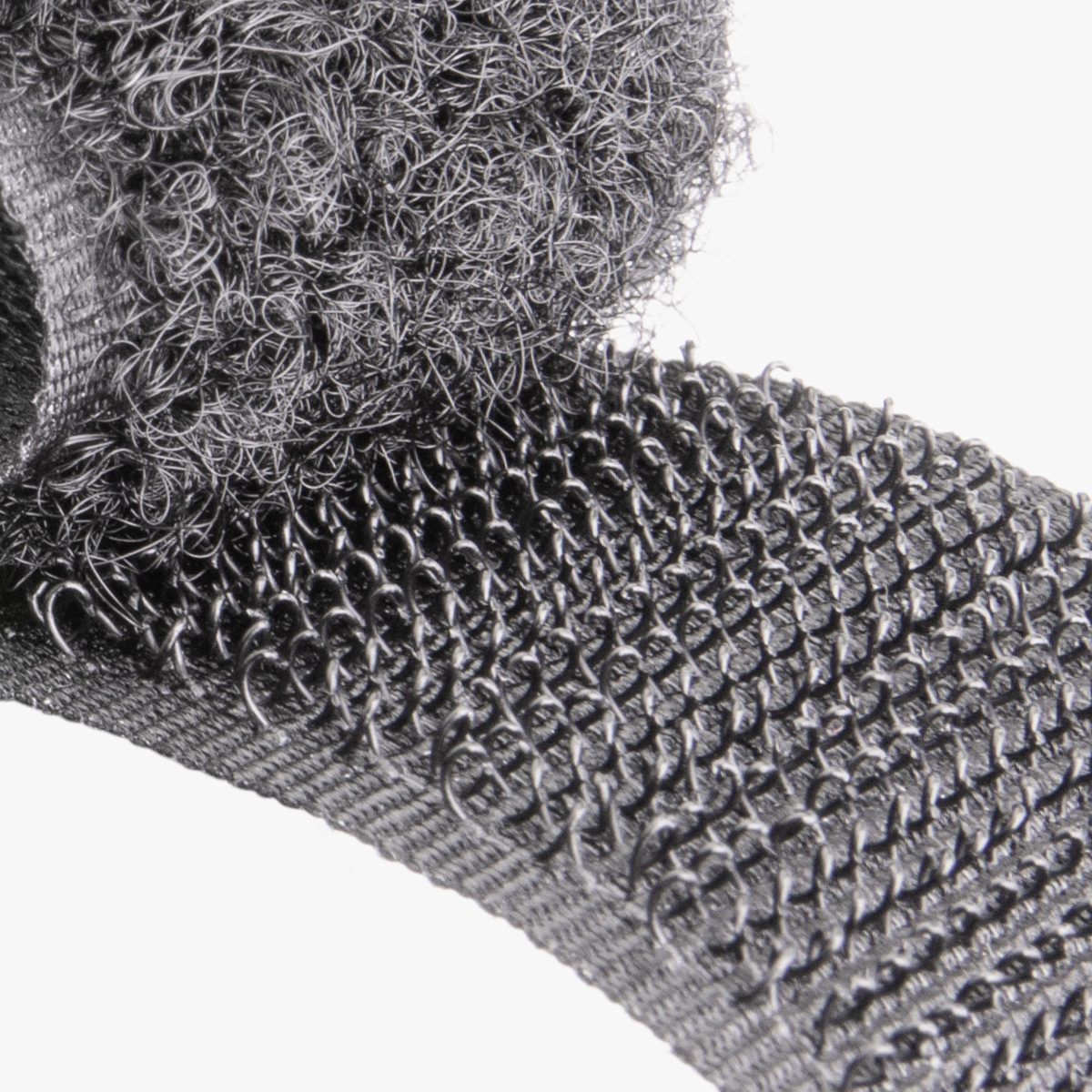
Nature often inspires human inventions. The hook and loop fastener is no different. The idea came from a simple plant seed called burdock. Its tiny hooks cling tightly to animal fur and clothes. This natural hook system gave a clear example of how hooks and loops work together. The seed’s ability to attach and detach easily sparked the idea for a new fastener.
Predecessors To Modern Fasteners
Before the hook and loop, people used many ways to join things. Buttons, zippers, and snaps all helped close clothes and bags. These tools had limits. They were either slow or hard to use. Some ancient fasteners used natural materials like bone or wood. These early attempts showed a need for something simple and quick. The hook and loop fastener filled that gap perfectly.
Credit: www.velcro.com
The Inventor’s Background
The inventor of the hook and loop fastener had a unique background that shaped his creativity. Understanding his early life and career helps us see how he came up with this simple yet useful invention. His story shows how curiosity and hard work lead to innovation.
Childhood And Curiosity
He grew up in a small town with a strong interest in nature. As a child, he loved exploring outdoors and observing plants and animals. This curiosity helped him notice details others missed. He often experimented with different materials and tools. These early experiences sparked his inventive spirit.
Professional Journey
He trained as an engineer, learning about mechanics and materials. His job involved solving practical problems for factories and companies. He spent many years testing ideas and prototypes. During this time, he focused on creating fasteners that were easy to use and strong. His persistence led to the hook and loop fastener patent in 1948.
The Spark Of Innovation
The hook and loop fastener is a simple idea with a big impact. It changed how people use clothes, shoes, and many other items. This invention started from a small but clever thought. It needed patience and testing to become what it is today.
The inventor’s journey shows how small ideas can grow. It all began with a need to fix things quickly and easily. This need led to a new way of joining materials without buttons or zippers.
Initial Idea And Experimentation
The inventor noticed burrs sticking to clothes after a walk. This sparked the idea to use hooks and loops to hold things together. He started to study the burrs closely under a microscope.
He tried to copy the burr structure using nylon threads. Many trials were done to make the hooks and loops strong enough. The first samples were rough, but the idea worked.
Challenges Faced
Making the fastener strong and easy to use was difficult. The hooks had to catch the loops firmly but also release easily. Early versions wore out quickly and lost grip.
Finding the right materials took time. Machines had to be created to produce the fastener. The inventor kept improving until the fastener was practical and durable.
Development Process
The development process of the hook and loop fastener was careful and creative. It involved testing many ideas and materials. The goal was to create a simple, strong, and easy-to-use fastening system. The inventor focused on making something practical for everyday use. The process had two main stages: selecting the right materials and creating prototypes.
Material Selection
The inventor studied many materials to find the best ones. Nylon was chosen for its strength and flexibility. It could hold hooks without breaking. The loops needed to be soft but strong enough to catch the hooks. Different fabrics were tested to find the perfect balance. The materials had to last through repeated use. This step was key to making a reliable fastener.
Prototype Creation
After choosing materials, the inventor made the first models. These prototypes had tiny hooks and loops. The hooks were stiff and could catch the loops easily. The loops were soft and could release when pulled. Testing showed how well the fastener worked. Adjustments were made to improve grip and durability. Many versions were made before the final design.
Patent And Recognition
The story of the hook and loop fastener includes a key moment of legal protection and public awareness. The patent and recognition phase marked the invention’s official entry into the world. It helped secure rights and spread knowledge about this useful fastening system.
Filing The Patent
In 1955, the inventor filed a patent for his fastening idea. The patent described the hooks and loops design clearly. This legal step protected the concept from being copied. It gave the inventor exclusive rights to produce and sell the fastener. The patent also allowed him to license the technology to companies.
Public Reception
The public first met the fastener with curiosity. Some people doubted its strength and usefulness. Over time, users saw its convenience and ease. The fastener became popular in clothes, shoes, and other goods. Its simple design made it a favorite for many applications. Today, it is a common part of daily life.
Impact On Industries
The invention of the hook and loop fastener brought changes across many industries. Its simple design offers a strong, reusable bond. This fastener is easy to use and saves time. Many sectors found new ways to apply it. The impact is clear in fashion, healthcare, and beyond.
Fashion And Apparel
Clothing brands use hook and loop fasteners for convenience. Shoes, jackets, and bags benefit from quick closures. Kids’ clothes often have it for easy dressing. It replaces buttons and zippers in many items. This fastener helps designers create adjustable fits. It also supports creative styles with varied textures.
Medical And Safety Uses
Hospitals rely on hook and loop fasteners for patient care. They secure bandages and braces quickly and safely. Medical devices use it to hold parts without tools. Safety gear like helmets and gloves use it for fast fitting. It allows easy adjustments while maintaining safety. This fastener improves comfort for patients and workers alike.
Other Applications
Sports equipment often uses hook and loop fasteners. Outdoor gear like tents and backpacks depend on it. It helps organize cables and tools in workshops. Electronics use it to keep parts in place. Even space missions use this fastener for secure holding. Its wide use proves its value across many fields.
Legacy Of The Fastener
The hook and loop fastener has left a strong mark on the world. It changed how people close shoes, bags, and clothes. This simple invention made daily life easier for millions. Its impact goes beyond just convenience. It shaped industries and sparked creativity in many fields.
The legacy of the fastener shows how a small idea can grow. It keeps evolving and affecting culture and technology. The story of this fastener is not just about invention. It is about constant improvement and influence.
Ongoing Innovations
New versions of the hook and loop fastener keep appearing. Scientists and designers work to make it stronger and softer. They create fasteners that stick better and last longer. Some fasteners now resist water and heat. These improvements help in sports, medicine, and space travel. The fastener adapts to meet changing needs. It stays useful through constant innovation.
Cultural Significance
The fastener has become part of many cultures worldwide. Children’s shoes often use it for easy fastening. It helps people with limited hand strength or mobility. The fastener appears in art, fashion, and design. It symbolizes simplicity and practicality. Many recognize it instantly by touch or sound. This small invention connects people in daily life.

Credit: www.hookandloop.com
Frequently Asked Questions
Who Invented The Hook And Loop Fastener?
The hook and loop fastener was invented by Swiss engineer George de Mestral in 1941. He created it after observing burrs sticking to his clothes and dog’s fur during a walk in the woods.
When Was The Hook And Loop Fastener Invented?
George de Mestral invented the hook and loop fastener in 1941. It took several years of development before it became commercially available in the 1950s.
What Inspired The Invention Of Hook And Loop Fasteners?
George de Mestral was inspired by burrs clinging to his clothing and his dog’s fur. This natural mechanism led him to design the hook and loop fastener.
How Did George De Mestral Create The Fastener?
He studied burrs under a microscope and replicated their hook and loop structure using nylon. This innovation resulted in a reusable and strong fastening system.
Conclusion
George de Mestral invented the hook and loop fastener in 1948. He got the idea from burrs sticking to his clothes during a walk. This invention changed how we fasten things every day. From shoes to bags, it makes life easier.
The simple design works well and lasts long. Today, many people use this fastener worldwide. It shows how nature can inspire useful ideas. Understanding its origin helps us appreciate small inventions. Hook and loop fasteners remain a smart, practical solution.

