Choosing the right fastener size can make or break your project. If you pick one that’s too big or too small, your work won’t hold up the way you want.
But how do you know which size is the perfect fit? This guide will show you simple, clear steps to measure and select fasteners with confidence. By the end, you’ll feel ready to tackle any job without second-guessing your choices.
Ready to get it right the first time? Let’s dive in.

Credit: www.essentracomponents.com
Types Of Fasteners
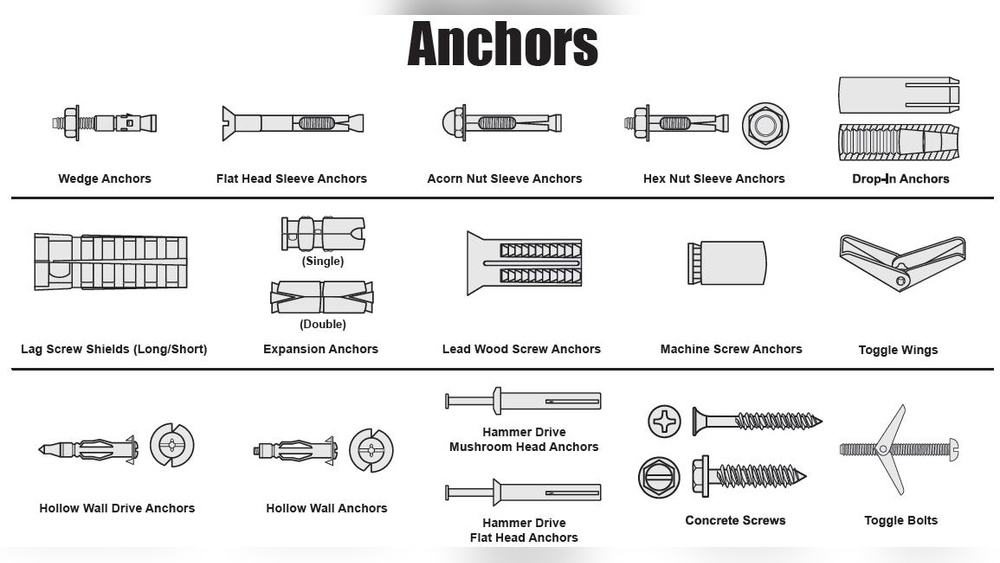
Fasteners are small but essential parts for many projects. They hold things together tightly. Choosing the right type helps ensure strength and safety. Different fasteners serve different purposes. Knowing their types helps in picking the correct size and material.
Common Fastener Categories
Fasteners come in many forms. Screws, bolts, nuts, and washers are common types. Screws have threads that dig into materials. Bolts use nuts to secure parts firmly. Nails are simple fasteners driven by force. Each type fits specific tasks and materials.
Material Considerations
Fasteners are made from different materials. Steel is strong and widely used. Stainless steel resists rust and works well outdoors. Brass offers good corrosion resistance and looks nice. Plastic fasteners are light and resist chemicals. Choose material based on where and how it will be used.

Credit: www.fivetk.com
Measuring Fastener Dimensions
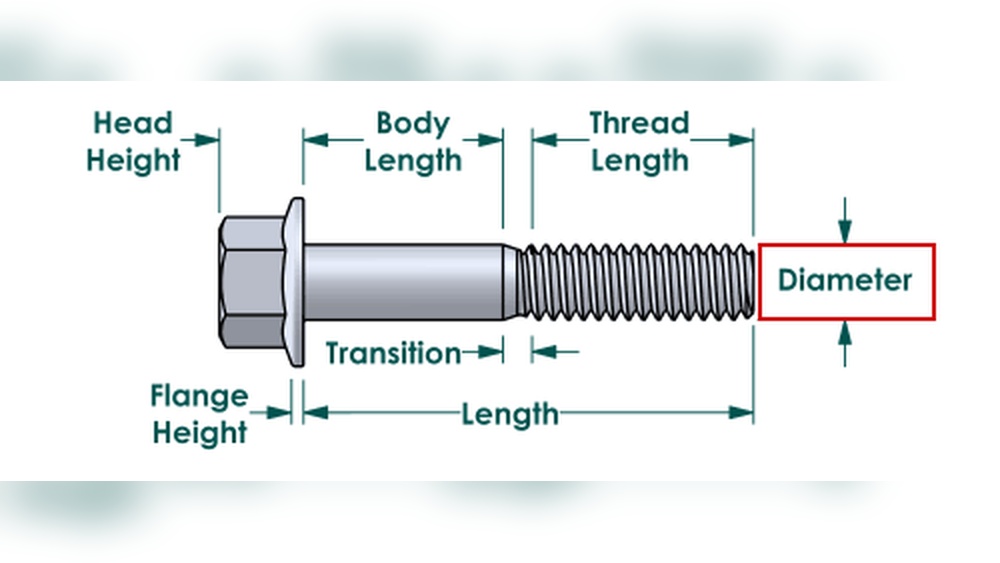
Measuring fastener dimensions is key for choosing the right size. Accurate measurements ensure the fastener fits and works well. This process involves checking length, diameter, and thread details. Each part plays a role in proper fastening and strength.
Length And Diameter
Length is the distance from the fastener’s head to its tip. Use a ruler or caliper for exact measurement. Measure the full length for bolts. For screws, measure from under the head to the tip.
Diameter is the width across the fastener’s body. Use a caliper for precise diameter reading. Measure the thickest part of the shank for bolts. For screws, measure the outer edge of the threads.
Thread Pitch And Count
Thread pitch is the space between threads. It tells how tight or loose the threads are. Use a thread gauge or ruler to find the pitch. Count how many threads fit in one inch or one centimeter.
Thread count means the number of threads per inch or centimeter. Higher count means finer threads. Lower count means coarser threads. Knowing pitch and count helps match fasteners correctly.
Tools For Accurate Measurement
Accurate measurement tools are essential for determining fastener size. They help ensure the right fit and secure fastening. Using proper tools reduces mistakes and saves time. This section covers key tools for precise fastener measurement.
Calipers And Micrometers
Calipers and micrometers measure fastener dimensions accurately. Calipers can measure outside diameter, inside diameter, and depth. They are easy to use and read. Micrometers provide even finer measurements with high precision. Both tools help find the exact size of bolts and screws. Use calipers for quick checks and micrometers for detailed measurement.
Thread Gauges
Thread gauges identify the pitch and size of fastener threads. They match the fastener’s threads to a standard gauge. This confirms the thread count and angle. Thread gauges come in various types, such as pitch and screw thread gauges. Using them ensures compatibility between fasteners and nuts. They prevent errors in thread matching that cause loose or tight fits.
Matching Fasteners To Materials
Choosing the right fastener size depends on the material you use. Fasteners must fit well and hold materials tightly. Different materials need different fasteners. Matching fasteners to materials helps avoid damage and ensures strong connections. Understanding these differences helps you pick the best fastener for your project.
Metal Vs. Wood Applications
Metal requires strong fasteners with fine threads. These threads grip tightly in metal surfaces. Steel or stainless steel screws often work best. They resist corrosion and handle heavy loads. Wood needs fasteners with coarse threads. Coarse threads dig into wood fibers firmly. Nails or wood screws are common choices. Avoid metal screws for wood; they can loosen over time.
Plastic And Composite Considerations
Plastics and composites are softer than metal or wood. Fasteners must not crack or split these materials. Use screws with wide, shallow threads. These spread pressure and reduce damage. Self-tapping screws work well for plastics. Avoid over-tightening; it can cause cracks. Choose fasteners made for plastics to ensure a good fit.
Standards And Specifications
Understanding fastener size starts with knowing the standards and specifications. These rules guide how sizes are measured and labeled. They help ensure fasteners fit and work correctly. Following standards avoids mistakes and wasted materials. Every project benefits from clear size definitions.
Metric Vs. Imperial Sizes
Fastener sizes come in two main systems: metric and imperial. Metric sizes use millimeters to measure diameter and length. Imperial sizes use inches. Metric fasteners have numbers like M6 or M10. Imperial fasteners have sizes like 1/4 inch or 3/8 inch.
Choosing the right system depends on your location or industry. Metric is common worldwide and in science. Imperial is common in the United States and older projects. Mixing these can cause confusion. Always check which size system is needed before buying fasteners.
Industry Standards To Follow
Several organizations set fastener standards. The International Organization for Standardization (ISO) is well-known globally. ISO standards cover metric fasteners and their measurements. The American National Standards Institute (ANSI) sets standards for imperial fasteners in the U.S.
Other important bodies include ASTM International and SAE International. They define material strength, thread types, and dimensions. Using these standards ensures fasteners meet safety and quality needs. Always refer to relevant standards for your industry or project.

Credit: www.wikihow.com
Common Sizing Mistakes
Choosing the right fastener size is important. Many people make simple mistakes. These errors can cause problems in projects. It is helpful to know common sizing mistakes. Avoiding these ensures a strong and safe hold.
Choosing Incorrect Length
Selecting the wrong fastener length is a frequent error. Too short fasteners do not hold materials well. They can slip or come loose easily. Too long fasteners may damage parts or stick out. Always measure the material thickness first. Then pick a fastener that fits perfectly.
Ignoring Thread Compatibility
Thread size and type must match exactly. Using fasteners with mismatched threads can strip the hole. This weakens the joint and causes failure. Check if the thread is coarse or fine. Make sure the pitch matches the nut or hole. Proper thread compatibility creates a secure connection.
Tips For Selecting The Right Fastener
Choosing the right fastener is key to a strong and lasting connection. The correct size and type prevent damage and ensure safety. A few simple tips help pick the best fastener for any job.
Consider what the fastener must hold. Think about the forces and conditions it will face. These details guide the choice and size of the fastener.
Assessing Load Requirements
Know the weight and pressure the fastener will carry. Heavy loads need larger or stronger fasteners. Light loads allow smaller sizes. Choose fasteners that handle more than the expected stress. This avoids failures and keeps parts secure.
Considering Environmental Factors
Think about where the fastener will be used. Moist or wet places need rust-resistant materials like stainless steel. Hot environments require heat-proof fasteners. Outdoor use calls for weather-resistant options. The right material extends the life of the fastener and the project.
Verifying Fit Before Installation
Verifying the fit of a fastener before installation saves time and prevents damage. It ensures the fastener fits the parts perfectly. Checking the fit early avoids problems during assembly. This step helps maintain the strength and safety of the final product.
Trial Assembly Techniques
Trial assembly means putting parts together without full tightening. This method checks if the fastener fits smoothly. Insert the fastener by hand to feel resistance or misalignment. Use this step to spot thread damage or wrong sizes. A smooth trial fit shows the fastener matches the hole well.
Adjusting For Tolerances
Tolerances are small differences allowed in sizes. Measure holes and fasteners with tools like calipers. Compare these measurements to standard sizes. If the fastener is too tight, consider a slightly smaller size. If too loose, a larger or different type might work better. Proper adjustment prevents loose or forced fits.
Frequently Asked Questions
What Tools Are Needed To Measure Fastener Size?
To measure fastener size, use a caliper, ruler, or thread gauge. These tools help determine diameter, length, and thread pitch accurately for proper fitting.
How Do I Identify Fastener Thread Size?
Identify thread size by measuring the diameter and counting threads per inch or millimeter. Use a thread gauge to match the pitch precisely.
Why Is Knowing Fastener Size Important?
Knowing fastener size ensures compatibility, strength, and safety in assemblies. It prevents damage, loosening, and failure by selecting the correct fastener for the application.
Can I Measure Fastener Length Without Tools?
You can estimate length using a ruler, but accuracy suffers. Precise measurement requires proper tools like calipers for reliable fastener sizing.
Conclusion
Choosing the right fastener size is simple with the right steps. Measure carefully and check the fastener type. Match size to your project needs for safety. Using the correct size saves time and effort. Avoid mistakes by double-checking your measurements.
This ensures strong and lasting connections every time. Remember, small details make big differences. Keep your tools ready and work with care. Accurate sizing helps your project succeed without issues.