Are you struggling with damaged or worn-out deck boards and wondering how to remove blind fasteners without causing more harm? You’re not alone.
Removing these hidden fasteners can feel tricky, especially if you want to keep your deck looking its best. But don’t worry—this guide will walk you through simple, step-by-step methods to remove blind fasteners safely and efficiently. By the end, you’ll have the confidence and know-how to tackle your deck repair like a pro.
Keep reading to discover the easiest way to get the job done right.
Credit: www.deckwise.com
Types Of Blind Fasteners
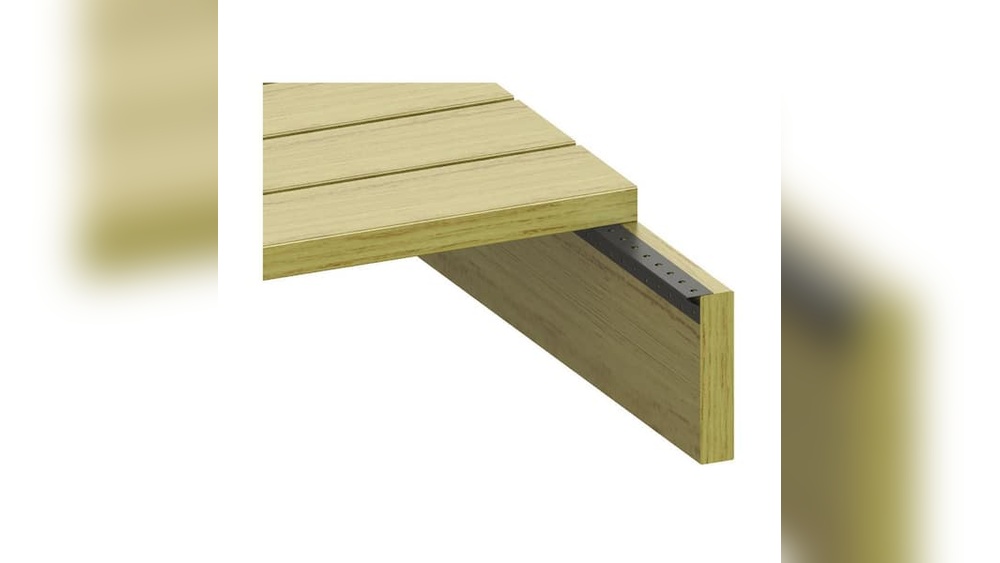
Blind fasteners are essential for securing deck boards without visible screws. They create a smooth, clean surface on your deck. Knowing the types of blind fasteners helps you choose the right one for removal or replacement. Fasteners differ in materials and design. Understanding these differences makes the removal process easier and safer.
Common Materials
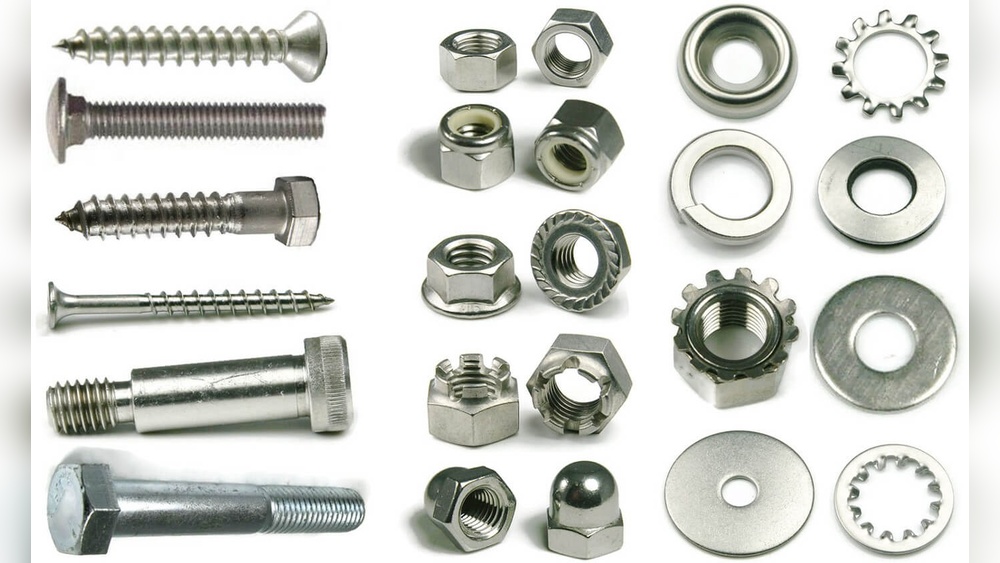
Blind fasteners come in various materials. Stainless steel is popular for its strength and rust resistance. Aluminum fasteners are lightweight and resist corrosion. Plastic fasteners are less common but useful for specific deck types. The material affects durability and removal tools needed. Choose the right tools for each material to avoid damage.
Design Variations
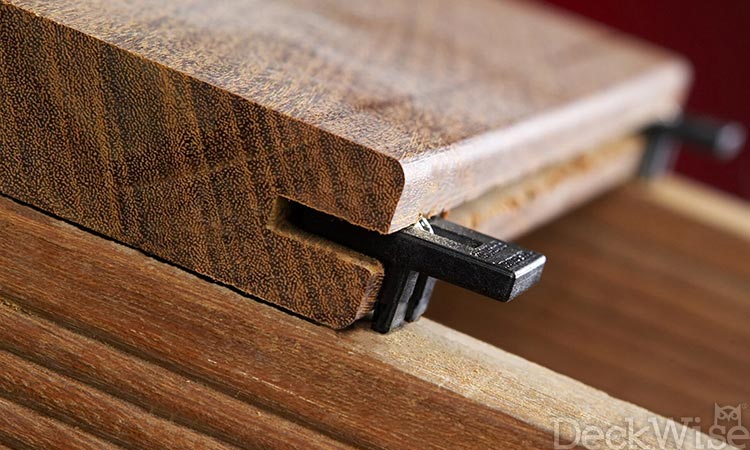
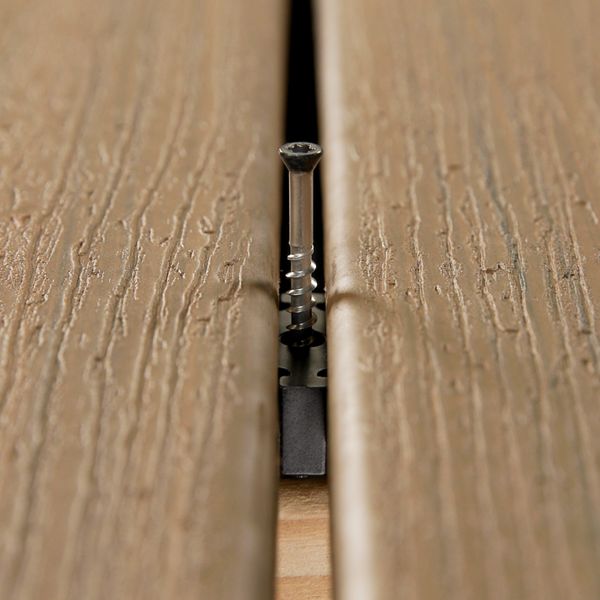
Designs vary to suit different deck styles and needs. Some fasteners use clips hidden under the boards. Others have headless screws that lock into place. Some feature a special cap to cover the screw hole. Certain fasteners require a unique tool for removal. Knowing the design helps you prepare the correct removal method.
Tools Needed
Removing blind fasteners from deck boards requires specific tools. Having the right tools makes the job easier and safer. This section covers the tools needed for this task.
Essential Hand Tools
A flat-head screwdriver helps pry fasteners gently. Use a pair of pliers to grip and twist fasteners. A hammer assists in loosening stuck fasteners carefully. A utility knife can cut through any sealant or paint. These tools are basic but very effective for small jobs.
Power Tools Options
An electric drill with a screwdriver bit speeds up fastener removal. An impact driver offers more power for tight fasteners. Use a rotary tool with a cutting disc to trim damaged fasteners. Power tools save time and reduce effort, especially on large decks.
Preparing The Deck
Preparing the deck is the first step to removing blind fasteners from deck boards. A well-prepared work area helps make the task easier and safer. Taking time to clear and organize the deck will save effort later. Safety is also very important before starting any work.
Clearing The Work Area
Remove all furniture, plants, and decorations from the deck. Clear away any loose debris like leaves, dirt, or small stones. This creates space to move freely and handle tools without obstacles. Check for nails or screws sticking out that could cause injury. A clean deck surface makes it easier to spot and remove blind fasteners.
Safety Precautions
Wear safety goggles to protect your eyes from dust and debris. Use gloves to avoid cuts and splinters while handling boards and tools. Make sure the work area is well-lit to see fasteners clearly. Keep children and pets away during the work. Use tools carefully and follow instructions to prevent accidents.
Step-by-step Removal Process
Removing blind fasteners from deck boards can seem hard at first. Following a clear step-by-step process makes it easier. This guide breaks down each step to help you remove fasteners safely and efficiently. Focus on locating, loosening, and extracting the fasteners carefully.
Locating Fasteners
Start by finding the exact spots of the blind fasteners. These are usually hidden under the deck boards or caps. Use a flashlight to see better in dark areas. Sometimes, tapping gently helps identify the fastener locations. Mark each spot with chalk or tape to keep track.
Loosening Techniques
Next, loosen the fasteners without damaging the wood. Use a screwdriver or a drill with the right bit size. Turn slowly to avoid stripping the fastener heads. If they are tight, apply a few drops of penetrating oil. Let it sit for a few minutes before trying again.
Extracting Fasteners
After loosening, carefully pull out the fasteners. Use pliers or a fastener removal tool for a better grip. Pull straight up to avoid breaking the fastener. If stuck, gently wiggle the fastener while pulling. Keep the deck board steady to prevent cracks or splits.
Handling Stubborn Fasteners
Removing blind fasteners from deck boards can be tough, especially when the fasteners won’t budge. These stubborn fasteners need careful handling to avoid damage to your deck. Using the right methods helps loosen them without extra effort. Let’s explore simple ways to handle these tricky fasteners.
Using Penetrating Oils
Penetrating oils can loosen stuck fasteners effectively. Apply a small amount directly onto the fastener. Let it sit for 10 to 15 minutes. The oil seeps into rust and tight spots. It makes turning the fastener easier. Use a brush or cloth to spread the oil. Repeat if the fastener stays stuck after the first try.
Applying Heat
Heat can expand metal, breaking rust bonds. Use a heat gun or propane torch carefully. Heat the fastener for a short time. Avoid overheating to protect the deck wood. Heat makes old paint and rust softer. This helps the fastener turn or pull out smoothly. Wear gloves and eye protection for safety.
Alternative Removal Methods
Sometimes oils and heat are not enough. Try tapping the fastener gently with a hammer. This can break rust or dirt holding it tight. Use pliers or locking grips for better hold. Drill out the fastener if it won’t move. Choose the right drill bit size to avoid wood damage. Always work slowly to protect your deck boards.
Credit: www.trex.com
Preventing Damage To Deck Boards
Removing blind fasteners from deck boards requires care to avoid damage. Deck boards can crack, splinter, or weaken if handled roughly. Taking steps to protect the wood keeps your deck strong and looking good. Small actions during removal can save time and money on repairs later.
Protective Measures
Start by using the right tools for the job. A soft cloth or wood block placed between the tool and board prevents scratches. Work slowly and gently to reduce pressure on the wood. Avoid forcing the fastener out, which can cause cracks. Keep the work area clean to spot any damage early.
Repair Tips
Minor damage can be fixed with wood filler or putty. Match the filler color to your deck for a natural look. Sand the area lightly after the filler dries to smooth the surface. Use a sealant to protect the repair from water and weather. Replace any boards that show deep cracks or rot for safety.
Replacing Blind Fasteners
Replacing blind fasteners on deck boards is an important step to maintain deck strength and appearance. Old or damaged fasteners can cause boards to loosen or shift. Proper replacement ensures safety and extends deck life.
Choosing the right fasteners and installing them carefully makes the process smooth. It helps keep the deck stable and looking good for years.
Choosing New Fasteners
Select fasteners made of corrosion-resistant materials like stainless steel or coated alloys. These resist rust and last longer outdoors.
Pick fasteners designed for blind installation. They hold boards securely without visible screws on the surface.
Match the size and type to your deck board thickness and material. This ensures a tight, safe fit.
Installation Tips
Clean the deck board holes before installing new fasteners. Remove dirt and debris for better grip.
Use the correct tool for the fasteners. It prevents damage during installation.
Drive fasteners straight and flush with the board surface. This avoids board damage and ensures a neat look.
Check each fastener after installation. Make sure all are secure and boards are tight.
Maintaining Deck Fasteners
Maintaining deck fasteners is key to a long-lasting deck. Proper care keeps the boards tight and safe. It also prevents costly repairs in the future. Regular attention to fasteners helps avoid damage from weather and wear.
Regular Inspections
Check fasteners often for signs of rust or loosening. Look closely at blind fasteners, as they hide beneath the deck surface. Tighten any loose fasteners with the right tool. Replace damaged or corroded fasteners quickly to keep the deck secure.
Cleaning And Upkeep
Keep fasteners clean from dirt and debris. Use a soft brush or cloth to wipe them down. Avoid harsh chemicals that may weaken the fastener material. Clean fasteners help prevent rust and extend their life. Regular upkeep ensures your deck stays strong and stable.

Credit: www.grkfasteners.com
Frequently Asked Questions
How Do You Remove Blind Fasteners From Deck Boards?
To remove blind fasteners, use a pry bar or drill to loosen them carefully. Avoid damaging the boards by working slowly and applying even pressure.
What Tools Are Needed To Remove Blind Fasteners?
You need a drill, pry bar, screwdriver, and pliers. These tools help safely loosen and extract blind fasteners without harming the deck boards.
Can Blind Fasteners Be Reused After Removal?
Reusing blind fasteners is not recommended. They may lose strength or get damaged, risking deck stability. Always use new fasteners for secure installation.
How To Prevent Damage When Removing Blind Fasteners?
Work slowly and use the right tools. Apply gentle pressure to avoid cracking or splitting deck boards during fastener removal.
Conclusion
Removing blind fasteners from deck boards does not have to be hard. Use the right tools and take your time. Start by loosening the fasteners carefully to avoid damage. Work step-by-step, checking your progress often. Clean the area after removal to prepare for new boards.
This process helps keep your deck safe and strong. With patience, you can complete this task well. Keep these tips in mind for smooth removal next time.