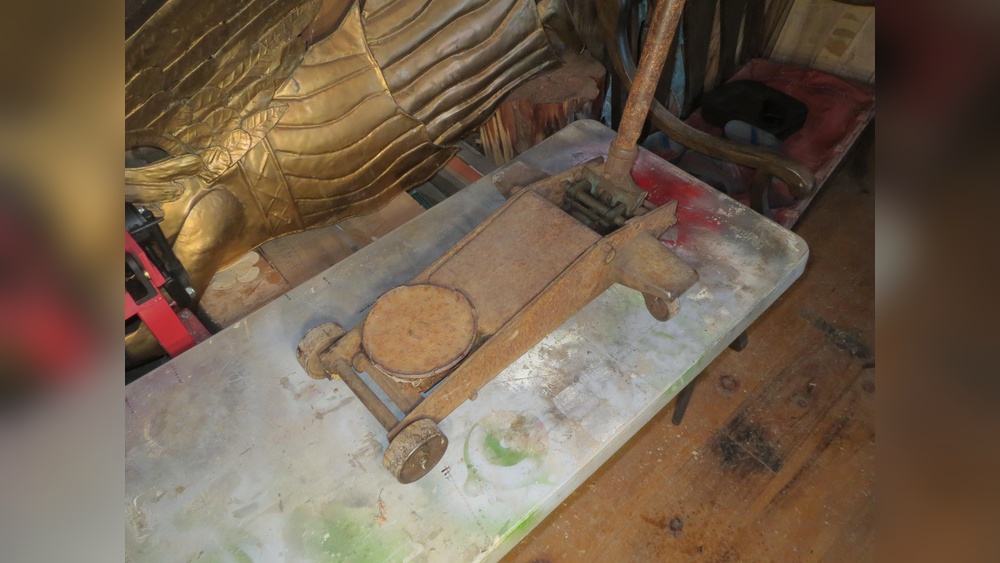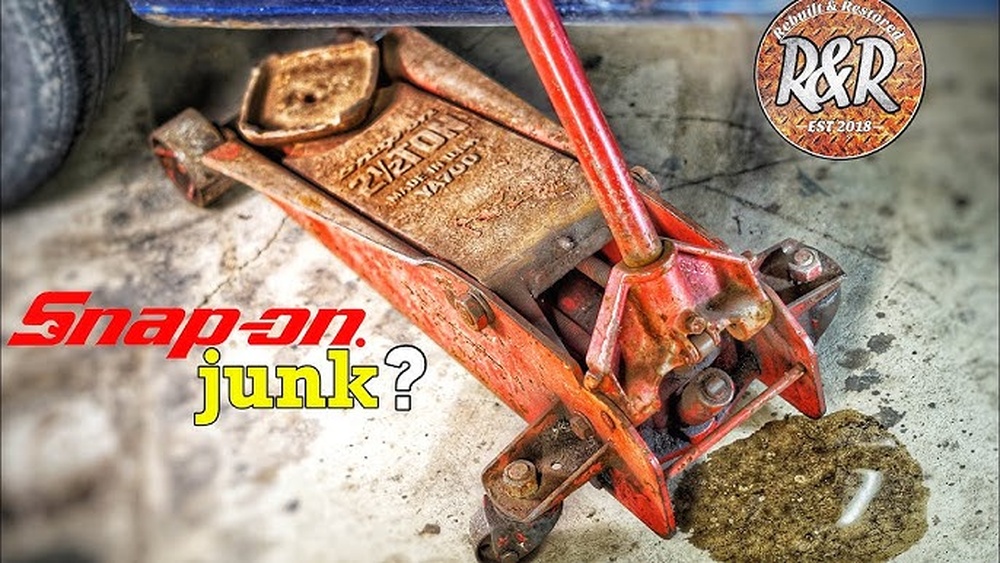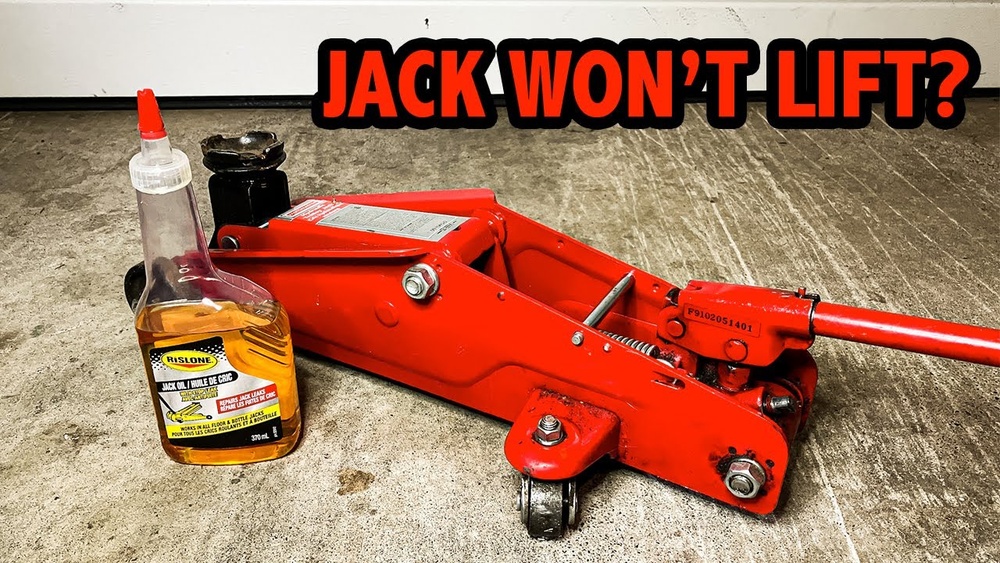
Is your floor jack refusing to lift when you need it most? It’s frustrating, especially when you’re right in the middle of a job.
But don’t worry—you can fix it. Understanding why your floor jack won’t jack up can save you time, money, and stress. In this guide, you’ll learn simple steps to get your jack working smoothly again. Keep reading, and by the end, you’ll feel confident tackling the problem yourself.
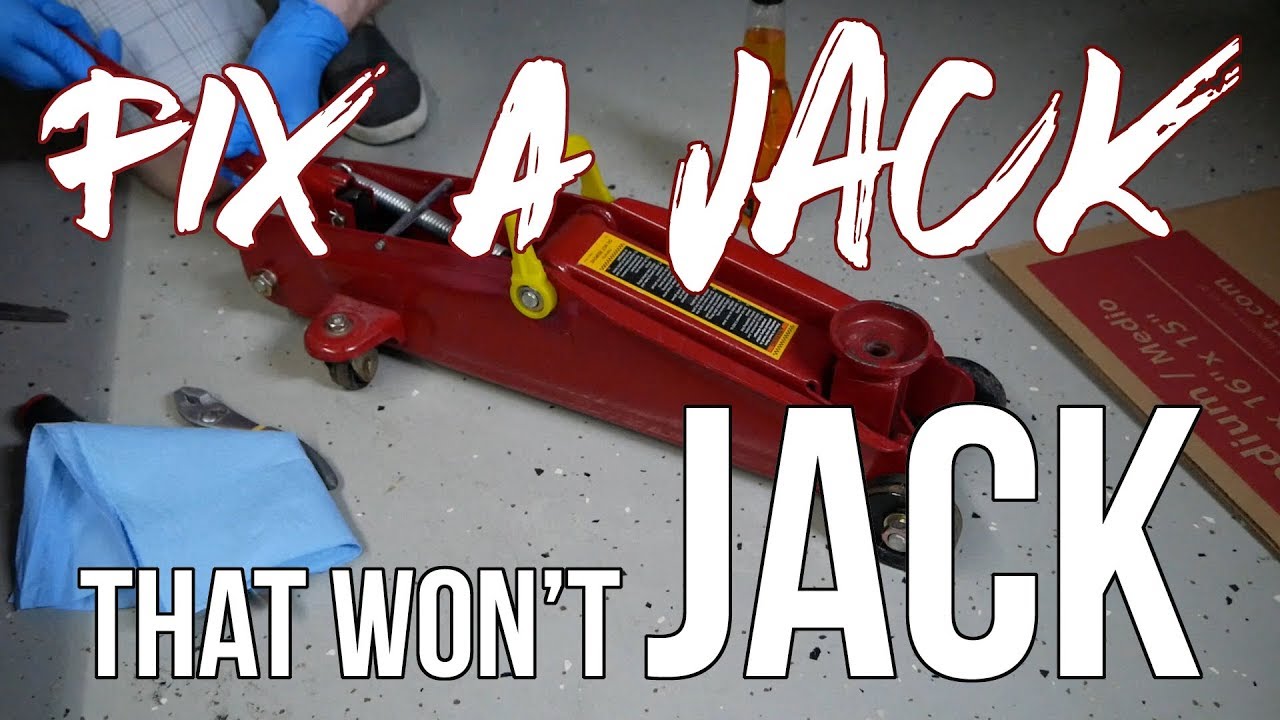
Credit: www.youtube.com
Common Reasons Floor Jacks Fail
Floor jacks may stop working for several common reasons. Knowing these issues helps fix the problem faster. Most problems relate to the hydraulic system or mechanical parts.
Hydraulic Fluid Issues
Hydraulic fluid keeps the jack lifting smoothly. Low or dirty fluid causes poor performance. Check fluid levels regularly and replace dirty fluid to keep the jack working well.
Air In The Hydraulic System
Air inside the hydraulic system stops the jack from lifting properly. Air bubbles reduce pressure needed for lifting. Bleed the system to remove trapped air and restore proper function.
Worn Or Damaged Seals
Seals hold hydraulic fluid inside the jack. Worn or damaged seals cause leaks. Leaks lower hydraulic pressure and stop the jack from working. Inspect seals and replace if needed.
Faulty Release Valve
The release valve controls fluid flow inside the jack. A stuck or broken valve stops the jack from rising. Test the valve and fix or replace it to regain control over lifting.
Mechanical Wear And Tear
Parts like hinges and pistons wear out over time. Worn parts cause the jack to jam or fail. Regularly check mechanical parts and replace damaged components to keep the jack reliable.
Credit: www.reddit.com
Tools Needed For Repairs
Fixing a floor jack that won’t lift requires some specific tools. Having the right tools makes the repair process easier and faster. These tools help you open, clean, and replace parts safely.
Gathering these tools before starting saves time. It also ensures you do the job correctly without damage.
Basic Hand Tools
Basic hand tools include wrenches, screwdrivers, and pliers. These help remove bolts and screws holding the jack together. You might also need a hammer to tap stuck parts gently. Clean rags are useful for wiping dirt and grease from parts.
Hydraulic Fluid
Hydraulic fluid is essential for a floor jack’s lifting function. Old or dirty fluid can stop the jack from working. Use the fluid type recommended in your jack’s manual. Pour the fluid carefully to avoid spills and keep the system clean.
Seal Replacement Kits
Seals inside the jack prevent hydraulic fluid from leaking. Over time, seals can wear out and cause problems. A seal replacement kit contains new seals and instructions. Replacing seals restores the jack’s pressure and lifting power.
Step-by-step Fixes
Fixing a floor jack that won’t jack up can feel tricky. The good news: many problems have simple solutions. Follow these step-by-step fixes to get your jack working again. Each step targets a common issue that stops the jack from lifting properly.
Checking And Refilling Hydraulic Fluid
Hydraulic fluid powers the jack’s lifting ability. Low fluid means low pressure. Open the fluid reservoir cap carefully. Check the fluid level inside. If it’s low, add the correct hydraulic fluid. Avoid overfilling to prevent leaks. Close the cap tightly after refilling.
Bleeding Air From The System
Air trapped inside the hydraulic system blocks pressure. This stops the jack from lifting. To remove air, locate the bleed valve. Open it slightly while pumping the jack. Watch for air bubbles in the fluid. Close the valve once no bubbles appear. Pump the jack to check for improvement.
Replacing Worn Seals
Seals keep hydraulic fluid inside the jack. Worn or damaged seals cause leaks and pressure loss. Inspect seals around the piston and cylinder. Remove old seals carefully. Replace them with new, compatible seals. Proper seal replacement restores pressure and stops leaks.
Adjusting Or Replacing The Release Valve
The release valve controls fluid flow inside the jack. If stuck open, the jack won’t lift. Locate the valve and check its position. Tighten or adjust the valve screw gently. If damaged, remove and replace the valve. Test the jack after adjustment for proper lifting.
Lubricating Moving Parts
Moving parts must glide smoothly. Dry or rusty parts cause resistance. Use a light oil or grease on joints and hinges. Avoid over-lubricating to prevent dirt buildup. Regular lubrication keeps the jack working smoothly and extends its life.
Preventive Maintenance Tips
Preventive maintenance helps keep your floor jack working well. It stops problems before they start. Small checks and care save money and time. Follow easy steps to keep your jack strong and safe.
Regular Fluid Checks
Check the hydraulic fluid often. Low fluid causes the jack to stop lifting. Use the right type of oil for your model. Fill the tank carefully, avoiding overflows. Clean fluid keeps the jack smooth and powerful.
Proper Storage Practices
Store the jack in a dry place. Avoid damp areas to stop rust and damage. Keep the jack lowered when not in use. Cover it with a cloth to keep dust away. Good storage extends the life of your jack.
Routine Inspections
Look over your jack before each use. Check for leaks, cracks, or broken parts. Test the lifting and lowering function. Tighten loose bolts and nuts. Fix small issues quickly to avoid big repairs later.
When To Seek Professional Help
Knowing when to seek professional help for a floor jack that won’t jack up is important. Some problems are simple to fix, but others need expert care. Trying to fix serious issues alone can be unsafe and cause more damage.
Signs Of Major Hydraulic Failure
One key sign is when the jack won’t lift at all. Also, if the jack slowly lowers by itself, the hydraulic system may leak. A spongy or soft handle can mean air entered the system. Rust or visible damage on the hydraulic cylinder shows serious wear. Strange noises during use could mean internal parts are broken. These signs suggest major hydraulic failure.
Cost Vs. Replacement Considerations
Repairing a hydraulic floor jack can be costly. The price of new seals, pumps, or cylinders adds up fast. Sometimes, the repair costs approach or exceed a new jack’s price. New jacks come with warranties and guaranteed safety. Weigh repair costs against buying new. Choose the option that saves money and ensures safety over time.
Credit: www.sviinternational.com
Frequently Asked Questions
Why Won’t My Floor Jack Lift The Car?
The floor jack may have low hydraulic fluid or air trapped inside. Check the fluid level and bleed the jack to remove air. Also, inspect for leaks or damaged seals that might prevent lifting.
How Do I Bleed Air From A Floor Jack?
Locate the release valve, open it slightly, and pump the handle several times. This action forces trapped air out. Close the valve and test the jack to ensure it lifts properly.
Can Low Hydraulic Fluid Cause Jack Failure?
Yes, low hydraulic fluid reduces pressure needed to lift. Always check and refill fluid with the manufacturer’s recommended type to ensure smooth operation.
What Maintenance Keeps A Floor Jack Working Well?
Regularly check hydraulic fluid, lubricate moving parts, and inspect for leaks or damage. Proper storage and cleaning extend your jack’s lifespan and reliability.
Conclusion
Fixing a floor jack that won’t lift is easier than you think. Check for common issues like air in the system or worn seals. Use the right tools and follow safety steps carefully. Regular maintenance helps keep the jack working well.
Now, you can get your floor jack back in action quickly and safely. Don’t let a stuck jack slow you down. Keep it ready for your next job. Simple fixes save time and money.