You want to keep your home safe, and knowing how to lock a deadbolt is one of the easiest ways to do that. But are you sure you’re using it right?
A simple mistake can leave your door less secure than you think. You’ll learn clear, step-by-step tips to lock your deadbolt quickly and correctly every time. By the end, you’ll feel more confident protecting your space and loved ones. Let’s get started!
Choosing The Right Deadbolt
Choosing the right deadbolt is key for home safety. It helps protect your family and belongings. Selecting a suitable deadbolt means understanding its types, materials, and security levels. This guide breaks down what to check before buying.
Types Of Deadbolts
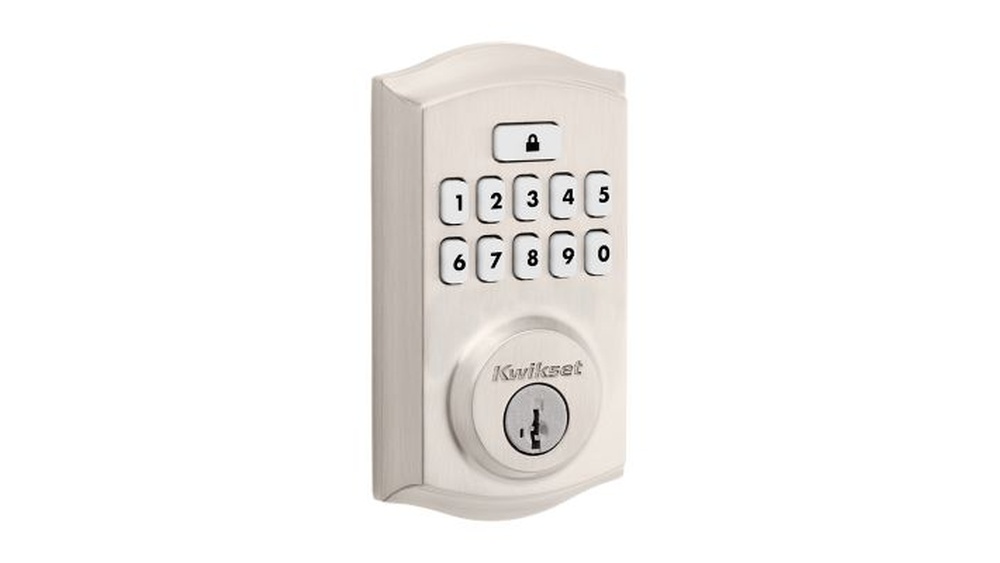
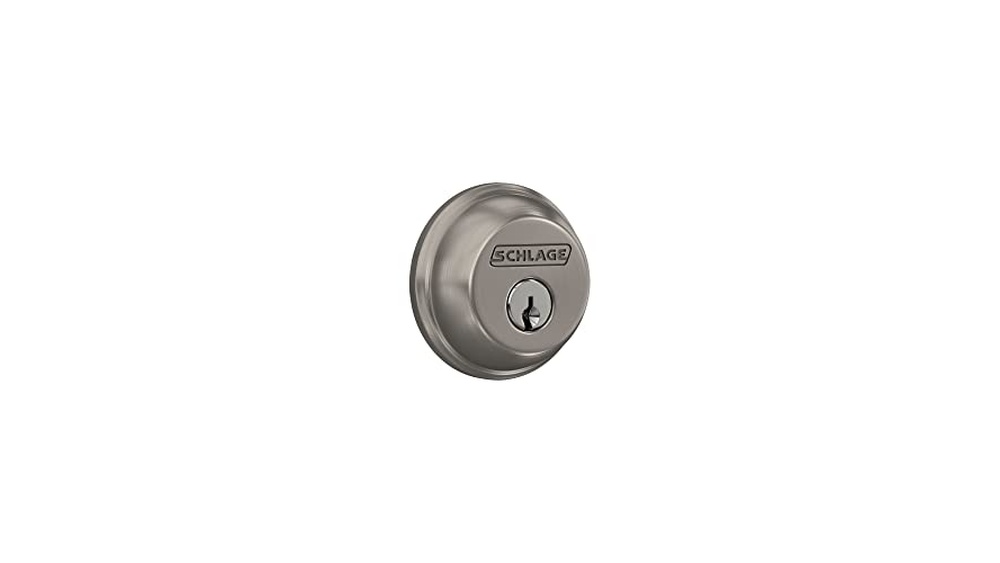
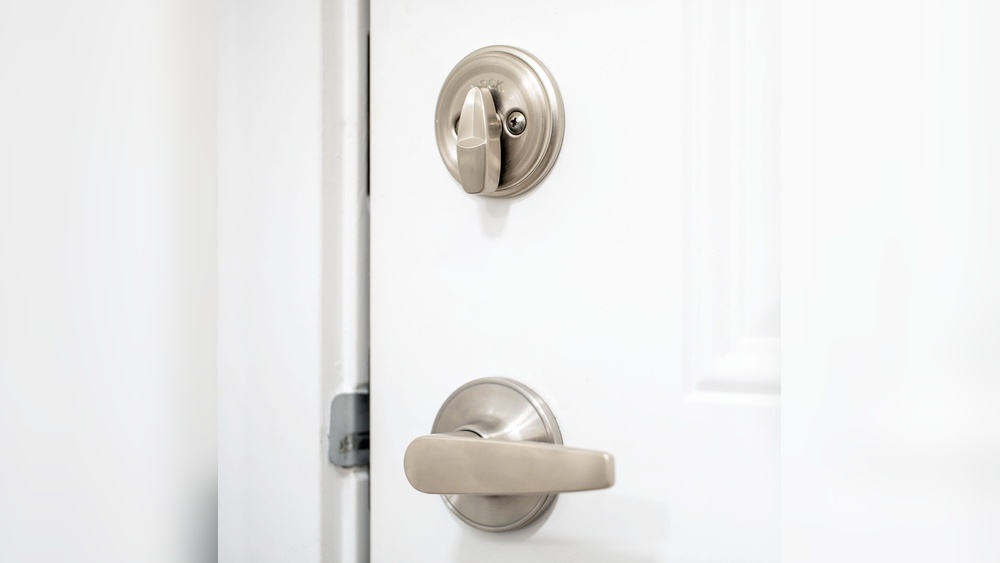
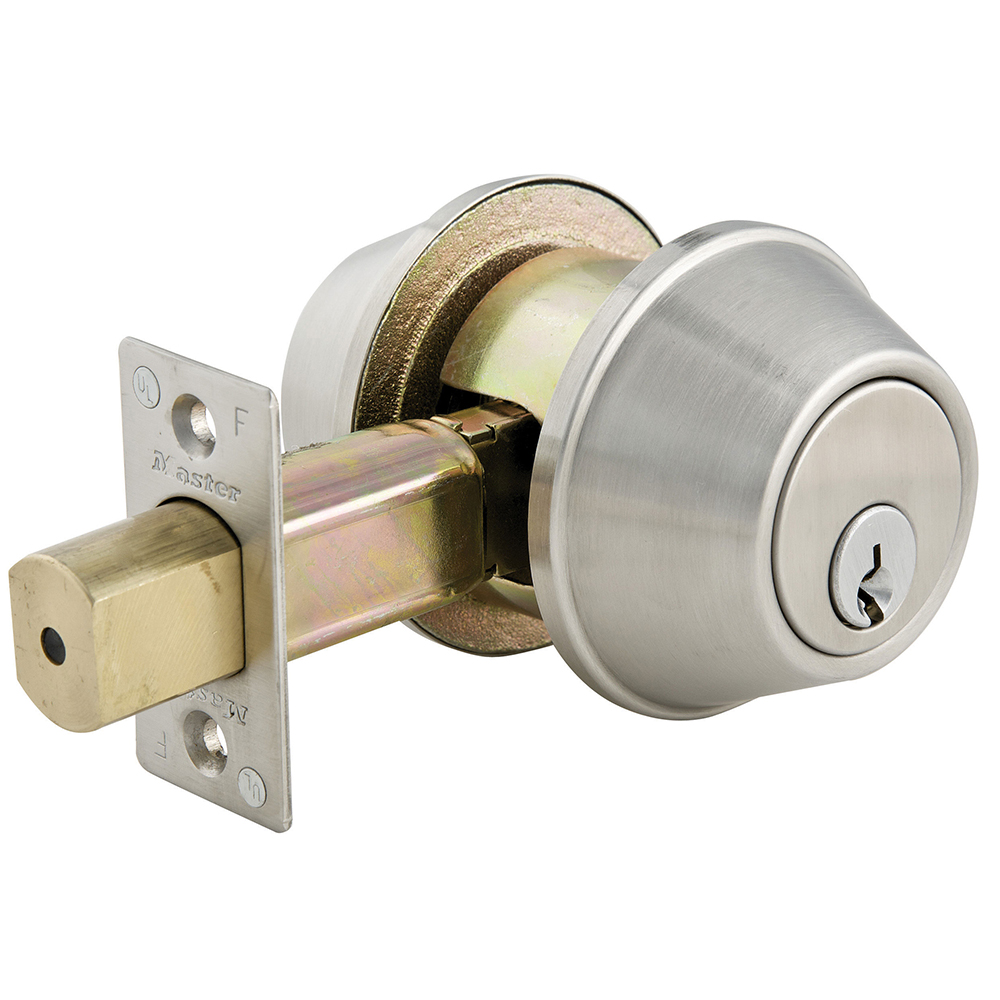
Deadbolts come in three main types: single-cylinder, double-cylinder, and lockable thumbturn. Single-cylinder deadbolts use a key outside and a thumbturn inside. Double-cylinder deadbolts need a key on both sides. Lockable thumbturns allow locking from inside with a key. Each type suits different needs and door types.
Material And Durability
Good deadbolts use strong materials like brass, steel, or bronze. Steel is tough and resists force. Brass offers rust resistance and smooth function. Durable materials last longer and withstand attempts to break in. Choose a deadbolt made of solid metal for better protection.
Security Ratings
Check security ratings like ANSI or BHMA grades. Grade 1 is the highest level of security. Grade 2 offers moderate protection, suitable for most homes. Grade 3 provides basic security and is less strong. Higher grades mean better resistance to picking and drilling.
Tools Needed For Installation
Installing a deadbolt requires some basic tools. These tools help you fit the lock securely on your door. Having the right tools makes the job easier and faster. Prepare everything before starting to avoid interruptions. Safety is important during installation to avoid injury or damage.
Essential Tools List
- Drill with drill bits
- Screwdriver (Phillips and flathead)
- Measuring tape
- Pencil or marker
- Chisel
- Hammer
- Hole saw (usually 2 1/8 inches)
- Safety glasses
Safety Precautions
Wear safety glasses to protect your eyes from wood chips. Keep your hands away from the drill bit when in use. Use the chisel carefully to avoid slips. Work in a well-lit area to see clearly. Keep your workspace clean to prevent accidents. Take breaks if you feel tired to stay alert.
Preparing The Door
Preparing the door is the first step to secure your home with a deadbolt. This step ensures the deadbolt fits perfectly and works smoothly. Careful preparation helps avoid problems later. It also makes locking easier and more reliable.
Measuring And Marking
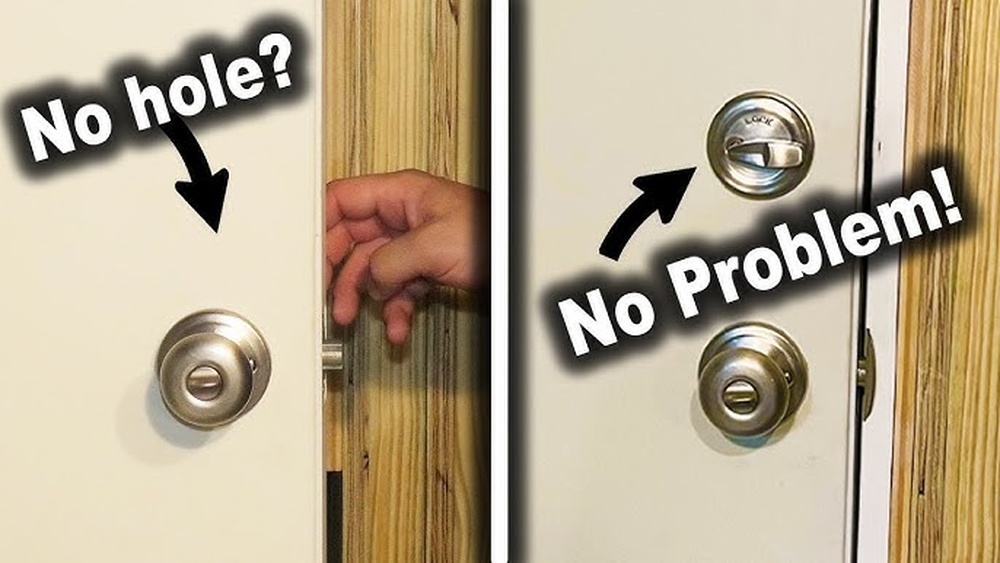
Start by measuring the correct height for the deadbolt. Usually, it is 6 to 12 inches above the doorknob. Use a tape measure to find the spot. Mark the door edge and face where the deadbolt will go. Use a pencil for clear, visible marks. Double-check measurements before drilling. Accurate marks prevent mistakes and save time.
Drilling Proper Holes
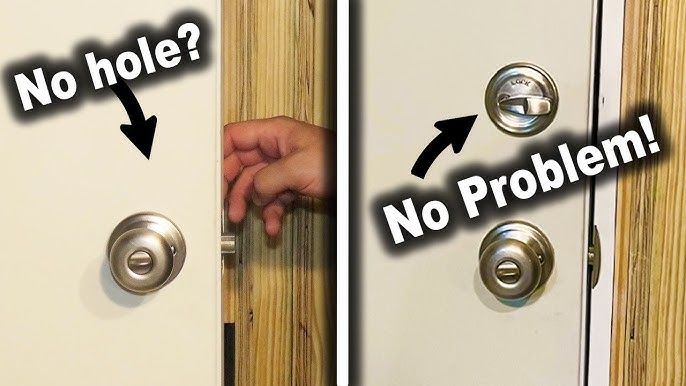
Choose the right drill bit size for the deadbolt parts. Drill a hole through the door face for the lock body. Then drill a hole in the door edge for the latch. Drill slowly to avoid splintering the wood. Clean the holes to remove dust and debris. Proper holes ensure the deadbolt fits snugly and operates well.
Credit: www.youtube.com
Installing The Deadbolt
Installing a deadbolt is a key step in securing your door. It strengthens the lock and makes your home safer. Follow these simple steps to install the deadbolt correctly. Each part must fit well for the lock to work smoothly.
Fitting The Lock Cylinder
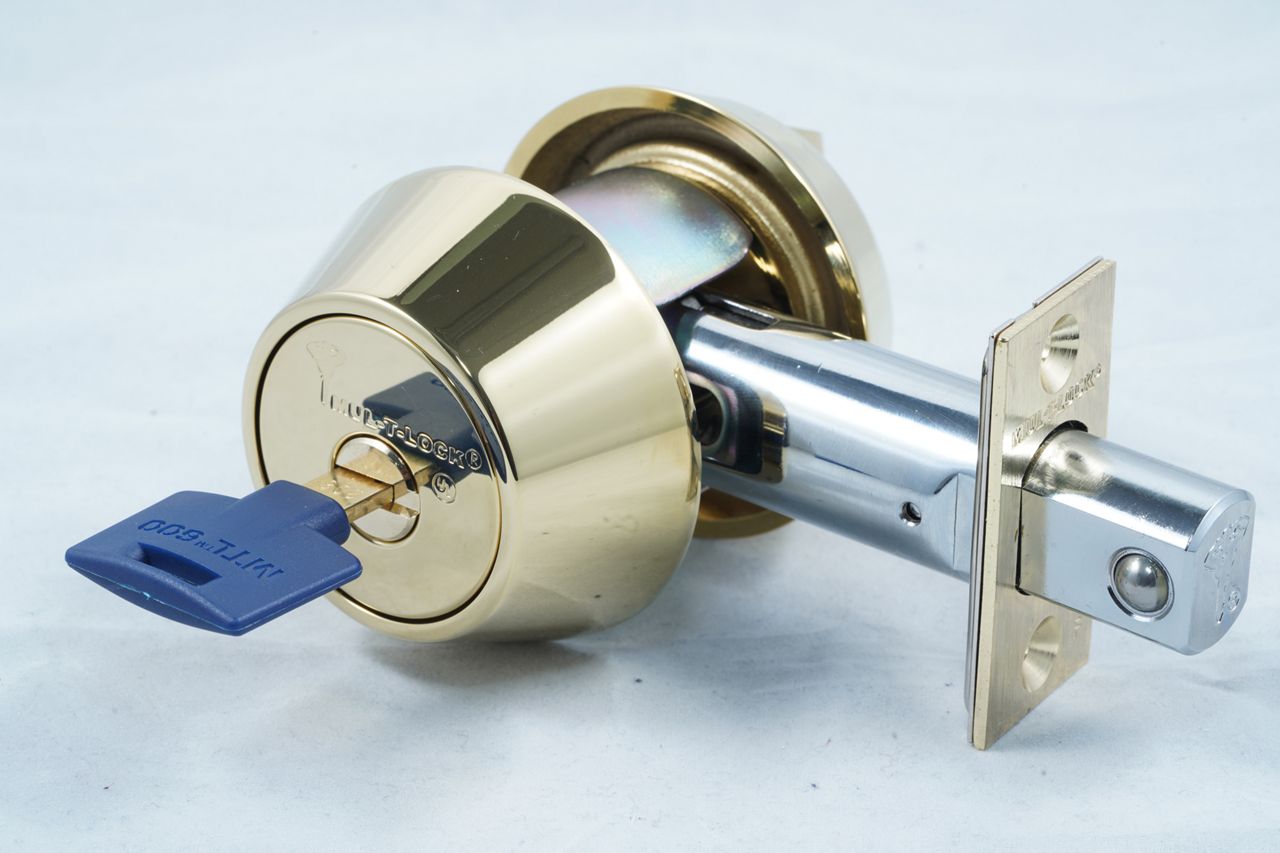
Start by placing the lock cylinder into the hole on the door. Make sure it fits snugly. Align the cylinder with the screw holes. Use screws to fix it firmly in place. The cylinder must turn easily without wobbling.
Securing The Bolt
Next, slide the bolt into the door edge. Check that it moves freely in and out. Attach the bolt using the screws provided. Tighten the screws but do not over-tighten. The bolt should extend fully when locked.
Attaching The Strike Plate
Fix the strike plate on the door frame. Align it with the bolt’s path. Use a pencil to mark screw spots. Drill pilot holes for the screws. Secure the plate tightly. This helps the bolt lock firmly in place.
Testing The Lock Mechanism
Testing the lock mechanism is a key step after installing a deadbolt. It ensures the lock works properly and keeps your home safe. This process helps find any problems early. Fixing issues now saves time and frustration later. Follow simple checks to confirm the deadbolt moves smoothly and fits well.
Checking Smooth Operation
Turn the key or thumb turn slowly. The deadbolt should slide in and out without force. Listen for any unusual sounds like grinding or sticking. Try locking and unlocking several times. Smooth action means the lock parts line up well. If it feels rough or jams, the lock needs adjustment.
Adjusting Alignment
Check the deadbolt’s position inside the door frame. It must fit perfectly into the strike plate hole. Misalignment causes the bolt to stick or not lock fully. Loosen the screws on the strike plate and move it slightly. Test the lock again after each move. Tighten screws only when the bolt slides easily.
Credit: www.mul-t-lock.com
Tips For Maximum Security
Securing your deadbolt properly is essential for home safety. Small changes can make a big difference. These tips help you get the most protection from your deadbolt.
Reinforcing The Door Frame
The door frame must be strong to resist forced entry. Use a metal plate around the lock area. This helps stop the door from splitting or breaking. A reinforced frame holds the deadbolt firmly in place.
Using Longer Screws
Standard screws are often too short. Replace them with screws at least 3 inches long. Longer screws reach the wall stud behind the frame. This makes the lock much harder to force open.
Regular Maintenance
Check your deadbolt often for wear or damage. Clean the lock to keep it working smoothly. Lubricate the moving parts with graphite powder. Tighten any loose screws to keep the lock secure.
Credit: www.masterlock.com
Frequently Asked Questions
How Do You Lock A Deadbolt From Outside?
To lock a deadbolt from outside, insert the key into the keyhole. Turn the key clockwise until the bolt slides fully into the door frame. Ensure the bolt is secure and the door cannot be opened without unlocking.
Can You Lock A Deadbolt Without A Key?
Yes, you can lock a deadbolt from inside without a key by turning the thumb turn or lever. This manually slides the bolt into place, securing the door from the inside.
How Do You Lock A Deadbolt Quickly?
To lock a deadbolt quickly, insert the key or use the thumb turn. Turn it firmly until you hear a click or feel resistance. This ensures the bolt is fully engaged for maximum security.
Is It Safe To Lock A Deadbolt From Inside?
Yes, locking a deadbolt from inside is safe and recommended. It provides an extra layer of security and prevents unauthorized entry when you are home.
Conclusion
Locking a deadbolt keeps your home safe and secure. Always turn the key or thumbturn fully. Check the door fits tightly after locking. Practice locking a few times to feel confident. A locked deadbolt adds peace of mind every day.
Small steps make a big difference in security. Stay safe by locking your deadbolt every time you leave. Simple habits protect your family and belongings well.