If you use a floor jack, you know how important it is to keep it working smoothly. But do you know how to put fluid in your floor jack the right way?
Adding the right fluid can make your jack lift better and last longer. In this guide, you’ll learn simple steps to refill your floor jack safely and easily. By the end, you’ll feel confident keeping your tool in top shape—so you can get the job done without any unexpected problems.
Keep reading to find out how to give your floor jack the care it needs!
Types Of Floor Jack Fluids
Choosing the right fluid for a floor jack is important. The fluid helps the jack lift heavy objects smoothly and safely. Different types of fluids work best for different floor jacks. Knowing these types helps you keep your jack in good shape.
Hydraulic Oil Varieties
Hydraulic oil is the most common fluid used in floor jacks. It comes in several varieties. Some are mineral-based, while others are synthetic. Mineral-based oils are good for basic use. Synthetic oils handle extreme temperatures better. They last longer and resist breakdown. Some hydraulic oils include additives to prevent rust and wear. Choosing the right hydraulic oil keeps the jack working well.
Recommended Fluid Grades
Floor jacks usually need specific fluid grades. The most common grade is ISO 32 hydraulic oil. This oil flows well and supports smooth lifting. Some jacks require ISO 46 or ISO 68 for heavier loads. Always check the jack’s manual for the right grade. Using the wrong grade can cause poor performance or damage. Stick to the recommended fluid grade for safety and efficiency.
Tools And Materials Needed
Before adding fluid to a floor jack, gather all necessary tools and materials. Having the right items makes the job easier and safer. This section lists everything needed to complete the task properly.
Essential Tools
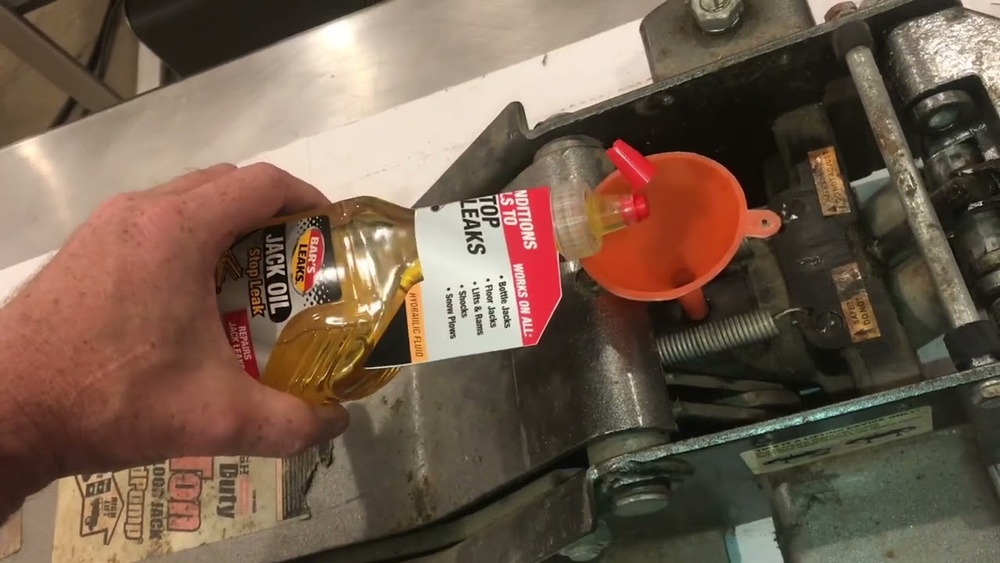
Start with a clean container of hydraulic jack fluid. A funnel helps pour fluid without spills. Use a wrench or screwdriver to open the jack’s fill plug. A clean rag or paper towels are handy for wiping spills. Keep a small container nearby to catch any old fluid. These tools ensure a smooth refill process.
Safety Equipment
Wear safety gloves to protect your hands from fluid contact. Safety goggles shield your eyes from splashes. Work in a well-ventilated area to avoid inhaling fumes. Have a fire extinguisher nearby just in case. These precautions keep you safe throughout the task.
Preparing The Floor Jack
Preparing your floor jack before adding fluid is important. It helps the jack work smoothly and last longer. Taking time to prepare keeps the jack safe and in good condition.
Locating The Fluid Reservoir
The fluid reservoir holds the hydraulic oil. Find it first. Usually, it is under a small plug or cap on the jack body. Look for a round or square cover. Sometimes it has a label or symbol showing fluid inside. Use a flashlight if needed to see clearly.
Cleaning The Jack
Clean the jack before opening the reservoir. Dirt and dust can enter the fluid. Wipe the jack’s surface with a clean cloth. Pay close attention around the reservoir cap. Remove any grease or grime. A clean jack prevents damage and keeps the oil pure.
Draining Old Fluid
Draining old fluid from a floor jack is key to keep it working well. Over time, fluid gets dirty and loses power. Removing old fluid helps avoid damage and ensures smooth lifting. The process is simple but must be done carefully. Follow the right steps to protect the jack and the environment.
Steps To Remove Old Fluid
First, place the floor jack on a flat surface. Open the release valve to lower the jack completely. Find the fluid fill plug or cap on the jack. Use a wrench or screwdriver to open it. Prepare a container to catch the old fluid. Tilt the jack carefully to let the fluid drain out. Wait until no more fluid flows out. Clean the fill hole before adding new fluid. Replace the fill plug tightly to avoid leaks.
Proper Disposal Methods
Old floor jack fluid is hazardous waste. Pour it into a sealed container to avoid spills. Do not dump it on the ground or down drains. Take the container to a recycling center or hazardous waste facility. Many auto shops accept used hydraulic fluid. Proper disposal protects water and soil from pollution. Follow local rules for safe handling and disposal.
Filling The Floor Jack
Filling the floor jack with fluid is a key step for its smooth operation. Proper fluid levels keep the jack working safely and efficiently. Without the right amount of fluid, the jack may not lift properly or could get damaged. Follow the steps carefully to add fluid correctly and avoid common problems.
Adding New Fluid
First, find the fluid fill plug on the floor jack. Clean the area around it to stop dirt from entering. Use the recommended hydraulic fluid for your jack. Slowly pour the fluid into the fill hole. Fill it until the fluid level reaches just below the fill hole. Do not overfill, as this can cause leaks or damage. Replace the fill plug securely after adding the fluid.
Avoiding Air Bubbles
Air bubbles can reduce the jack’s lifting power. To remove air, pump the jack handle several times after filling. This helps push air out of the system. Check the fluid level again after pumping. Add more fluid if needed to keep it at the correct level. Proper bleeding of the jack ensures smooth and safe use.

Credit: www.wikihow.com
Bleeding The Jack
Bleeding the floor jack is a vital step after adding hydraulic fluid. It removes air trapped inside the jack’s system. Air can cause the jack to lift unevenly or fail to hold pressure. Proper bleeding ensures smooth and safe operation of the jack.
Releasing Trapped Air
Start by opening the release valve slowly. This lets air escape from the hydraulic system. Pump the jack handle several times to push out more air. Close the release valve tightly once no air bubbles appear. This process clears the air pockets inside the fluid lines.
Testing For Smooth Operation
After bleeding, test the jack’s movement by pumping the handle. The lift should feel firm and steady without jerks. Lower the jack carefully and check for any leaks or softness. Repeat bleeding if the jack still feels spongy or weak.
Maintenance Tips
Maintaining your floor jack is key to keeping it safe and working well. Proper care helps avoid costly repairs and extends the jack’s life. Checking and managing the fluid inside the jack is a crucial part of this care.
Regular Fluid Checks
Check the fluid level often. Use the manufacturer’s guide to find the right level. Low fluid can make the jack fail or work slowly. Keep the area around the filler plug clean before opening it. This stops dirt from entering. Fill with the correct hydraulic fluid type only. Avoid overfilling, as it may cause leaks or damage.
Signs Of Fluid Leaks
Look for oil spots under the jack. Wet or oily parts on the jack also show leaks. Leaks lower the fluid level and reduce jack power. Check seals and hoses for cracks or wear. Fix leaks quickly to avoid bigger problems. Regular checks stop accidents and save money on repairs.

Credit: www.youtube.com

Credit: www.wikihow.com
Frequently Asked Questions
How Do I Refill Fluid In A Floor Jack?
To refill fluid, locate the fill plug on the jack’s reservoir. Remove it, then slowly pour hydraulic jack fluid inside until full. Avoid overfilling. Replace the plug securely to prevent leaks. Always use the recommended hydraulic fluid type for your jack model.
What Type Of Fluid Is Used In Floor Jacks?
Floor jacks require hydraulic jack fluid or specific hydraulic oil. Avoid using motor oil or brake fluid. Using the correct fluid ensures smooth operation and prevents damage. Check your jack’s manual for the recommended fluid type before refilling.
How Often Should I Change Floor Jack Fluid?
Change the fluid at least once a year or after heavy use. Old fluid can cause poor performance and corrosion. Regular maintenance helps extend your jack’s life and ensures safe lifting. Always drain and replace with fresh hydraulic fluid.
Can I Use Any Hydraulic Fluid In My Floor Jack?
No, not all hydraulic fluids are suitable. Use only the fluid specified in your jack’s manual. Incompatible fluid can damage seals and reduce efficiency. Always verify compatibility to maintain your jack’s safety and function.
Conclusion
Adding fluid to your floor jack keeps it working smoothly and safely. Always use the right type of fluid to avoid damage. Check the fluid level often to prevent problems. Clean any spills immediately to protect your workspace. Taking these simple steps helps your jack last longer.
Stay safe by following the correct filling process every time. Proper care makes lifting tasks easier and more reliable. Keep your floor jack ready for use whenever you need it.