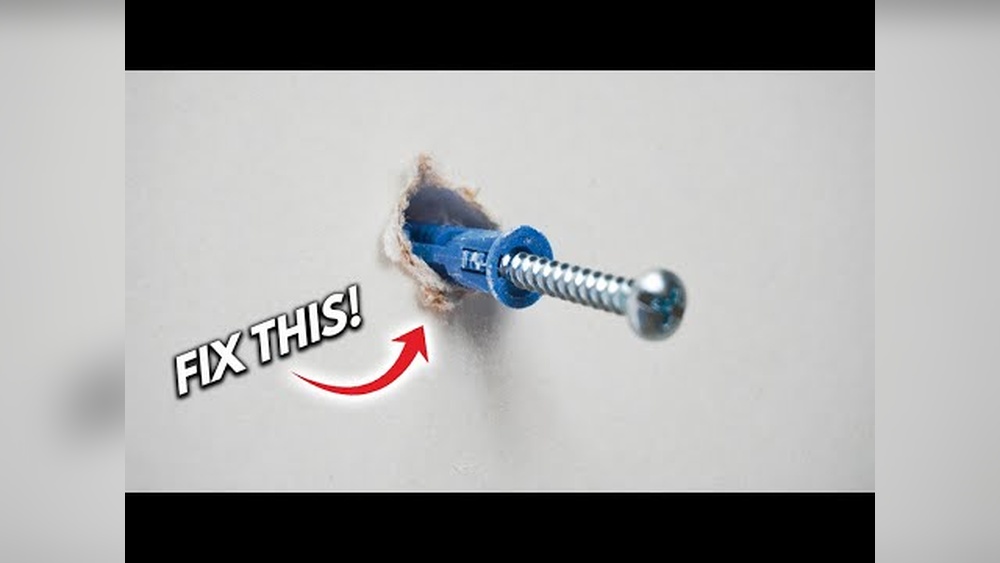
Are you planning to build or secure an interior wall to a concrete surface? Knowing how to anchor your wall properly can save you time, money, and frustration down the road.
Whether you’re working on a new room or reinforcing an existing structure, getting the right technique is key to a strong, lasting hold. In this guide, you’ll discover simple steps and expert tips that make anchoring your interior wall to concrete straightforward and reliable.
Keep reading to learn exactly what you need to do for a secure, professional finish you can trust.
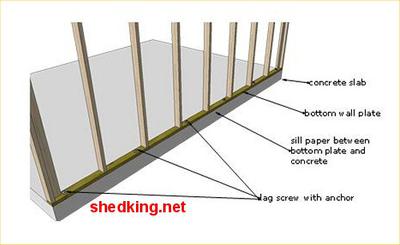
Credit: www.shedking.net
Choosing The Right Anchors
Choosing the right anchors is key to securing interior walls to concrete. The right anchor ensures strong support and safety. Using the wrong anchor can cause damage or weak holds. This section explains how to select anchors based on types and important factors.
Types Of Anchors For Concrete
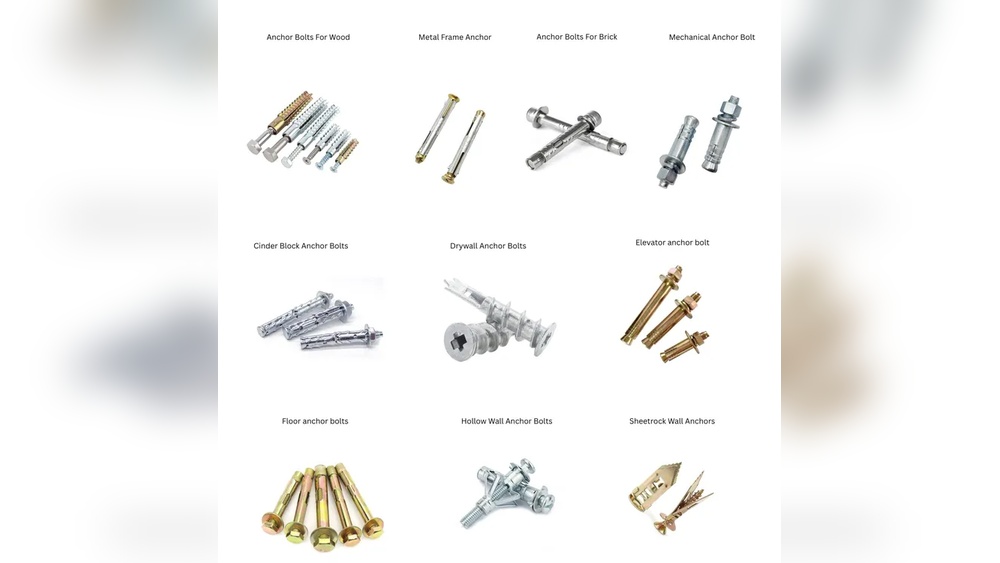
Concrete anchors come in several types. Expansion anchors fit tightly as they expand inside the hole. Sleeve anchors have a sleeve that grips the concrete. Wedge anchors use a wedge to hold firmly in place. Drop-in anchors are set flush inside the hole and work with threaded rods. Each type suits different wall and load needs.
Factors Influencing Anchor Selection
Wall weight affects anchor choice. Heavy walls need stronger anchors. Concrete hardness also matters; soft concrete needs different anchors than hard. Drill hole size and depth must match anchor size. Moisture and temperature can impact anchor material choice. Choose anchors made for the environment. Safety load ratings guide the strength needed for each anchor.
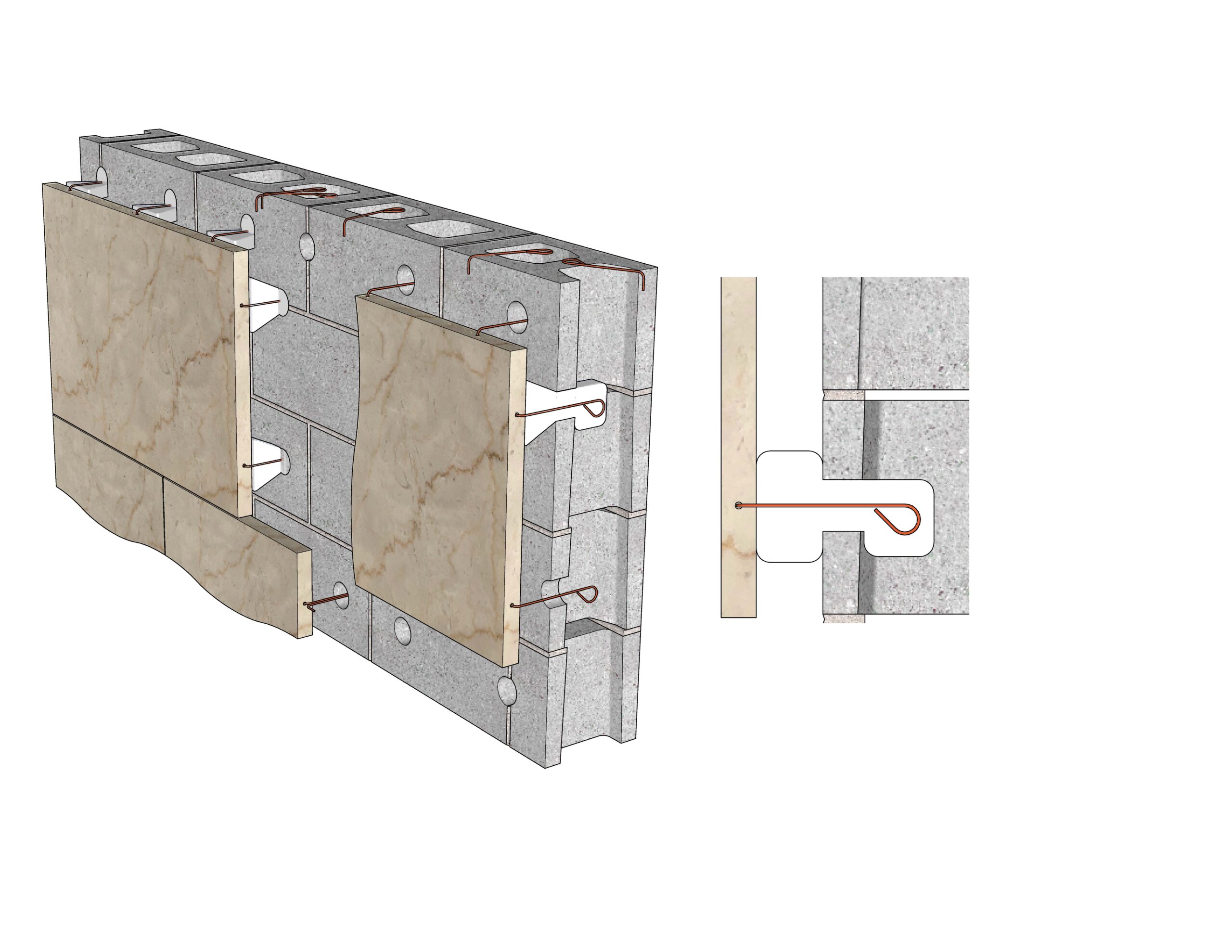
Credit: imiweb.org
Preparing The Concrete Surface
Preparing the concrete surface is a key step before anchoring an interior wall. A clean and well-marked surface ensures strong and safe anchoring. This step also makes the installation process smoother and faster.
Cleaning The Wall Area
Start by removing dust, dirt, and loose particles from the concrete. Use a wire brush or broom to scrub the wall surface. Wipe the area with a damp cloth to clear remaining dust. A clean surface helps the anchor stick firmly to the concrete.
Marking Anchor Points
Measure and mark where each anchor will go. Use a pencil or chalk for clear, visible marks. Check that the points are evenly spaced and level. Accurate markings guide the drilling and keep the wall stable.
Drilling Into Concrete
Drilling into concrete is a key step to anchor an interior wall securely. It requires the right tools and techniques to create clean, precise holes. Proper drilling avoids cracks and ensures strong support for your wall.
Selecting The Drill And Bit
Choose a hammer drill for concrete drilling. It combines rotation with a hammering action. This makes drilling easier and faster.
Use a masonry drill bit with a carbide tip. It is tough and designed to cut through concrete. Pick the correct size bit to match your anchor.
Drilling Techniques For Accuracy
Mark the drilling spot clearly with a pencil or tape. Keep the drill steady and perpendicular to the wall.
Start drilling at a low speed to avoid slipping. Apply firm, even pressure without pushing too hard.
Drill in short bursts and pull the bit out occasionally. This clears dust and prevents overheating.
Installing The Anchors
Installing anchors in a concrete wall is a key step in securing an interior wall. The right anchor type and proper installation ensure strong support. This section explains three common methods to install anchors. Each method fits different wall needs and materials. Follow the instructions carefully for a safe, solid hold.
Setting Expansion Anchors
Expansion anchors work by expanding inside the drilled hole. First, drill a hole that matches the anchor size. Clean the hole to remove dust and debris. Insert the anchor into the hole. Tap it gently with a hammer until it is flush with the surface. Tighten the bolt or screw to expand the anchor. This presses it firmly against the concrete walls. Check the anchor’s tightness to ensure a secure fit.
Using Sleeve And Wedge Anchors
Sleeve and wedge anchors provide strong support for heavy loads. Begin by drilling a hole slightly larger than the anchor diameter. Remove dust from the hole using a brush or compressed air. Insert the anchor with its sleeve into the hole. Tap it with a hammer to seat the anchor fully. Tighten the nut on the anchor’s threaded end. This pulls the wedge or sleeve tight against the hole walls. Make sure the anchor is secure before attaching the wall frame.
Securing With Epoxy Anchors
Epoxy anchors offer excellent holding power in cracked or uneven concrete. Drill a hole to the correct depth and diameter. Clean the hole well using a wire brush and compressed air. Inject epoxy resin into the hole using a special cartridge or syringe. Insert the threaded rod or anchor into the epoxy-filled hole. Rotate the anchor slightly to spread the epoxy evenly. Allow the epoxy to cure fully as per the manufacturer’s instructions. Once hardened, the anchor will hold very tightly in place.
Mounting The Interior Wall Frame
Mounting the interior wall frame to concrete is a key step in building strong walls. The frame must be set correctly to ensure stability and safety. This process involves careful alignment and secure fastening to concrete anchors. The right approach makes the wall sturdy and long-lasting.
Aligning The Wall Frame
Place the wall frame close to the concrete surface. Use a level tool to check the vertical and horizontal alignment. Adjust the frame until it stands straight and even. Mark the spots on the concrete where the anchors will go. These marks guide the drilling and fastening process.
Fastening The Frame To Anchors
Drill holes in the concrete at the marked points. Insert concrete anchors into the holes. Position the wall frame over these anchors. Use screws or bolts to fasten the frame firmly. Tighten each fastener to hold the frame securely. This step prevents movement and keeps the wall stable.
:strip_icc()/hammering-concrete-nails-7a5b81a6-89a6078f13fb4ec0899ebbf399fc755c.jpg)
Credit: www.bhg.com
Ensuring Stability And Safety
Ensuring the stability and safety of an interior wall anchored to concrete is crucial. A secure wall prevents accidents and damage over time. Proper checks help maintain the strength and reliability of the anchor points.
Checking Anchor Tightness
Begin by inspecting each anchor bolt. Use a wrench to test if the bolts are tight. Loose anchors can weaken the wall’s hold on concrete. Tighten any bolts that feel loose. Avoid over-tightening as it may damage the anchor or concrete. Regular checks keep the wall stable.
Testing Wall Support Strength
Apply gentle pressure to the wall to test its support. Push or pull slightly near the anchored points. A stable wall should not move or wobble. If the wall shifts, inspect the anchors and concrete for damage. Replace or reinforce weak anchors to improve safety. Strong support reduces risks of collapse or injury.
Common Mistakes To Avoid
Anchoring interior walls to concrete requires care and precision. Many mistakes can weaken the wall or cause damage. Avoiding these common errors saves time and ensures a strong hold.
Incorrect Anchor Placement
Placing anchors too close to edges can crack the concrete. Too far apart weakens the wall’s stability. Mark anchor points evenly for balanced support. Drilling at the wrong angle reduces anchor grip. Use a level and measure twice before drilling.
Using Incompatible Materials
Choosing the wrong anchors or screws leads to poor performance. Some anchors don’t work well in concrete walls. Use anchors designed specifically for concrete surfaces. Avoid cheap or rust-prone materials to prevent future damage. Match screw size to the anchor for a tight fit.
Tips For Long-lasting Support
Ensuring that an interior wall firmly anchors to concrete is key for safety and durability. Following some simple tips can extend the life of your wall support. Proper care and smart choices help prevent damage and costly repairs. These tips focus on maintaining strength over time.
Regular Inspection And Maintenance
Check the wall anchors regularly for signs of wear or damage. Look for cracks, rust, or loose fittings. Early detection stops small problems from growing. Tighten bolts and replace worn parts promptly. Clean the area around anchors to prevent debris buildup. Keeping the anchors clean helps avoid corrosion and weakening.
Choosing Quality Materials
Select anchors and fasteners made from durable materials like stainless steel. Avoid cheap or low-grade products that fail quickly. Use anchors designed specifically for concrete walls. Proper materials resist rust, moisture, and pressure. Good quality parts ensure firm hold and long service life. Always buy from trusted brands or suppliers.
Frequently Asked Questions
What Tools Are Needed To Anchor Interior Walls To Concrete?
You need a drill with a masonry bit, concrete anchors, screws, a hammer, and a level. These tools ensure secure and precise wall anchoring to concrete surfaces.
How Do You Prepare Concrete Before Anchoring Interior Walls?
Clean the concrete surface thoroughly and mark anchor points. Use a hammer drill to create holes for anchors at marked spots for firm attachment.
Which Anchors Work Best For Securing Walls To Concrete?
Use sleeve anchors, wedge anchors, or concrete screws. They provide strong holding power and resist vibrations, ensuring a stable interior wall attachment.
Can I Anchor Interior Walls Without Drilling Concrete?
No, drilling is essential to install anchors properly. It creates holes for screws or bolts to hold the wall securely to the concrete.
Conclusion
Anchoring an interior wall to concrete is not hard. Use the right tools and follow safety steps. Mark your spots carefully for strong support. Drill holes and insert anchors with care. Tighten bolts to keep the wall steady. Take your time for best results.
A solid wall means a safer home. Simple steps lead to lasting strength. Try it yourself and see the difference.