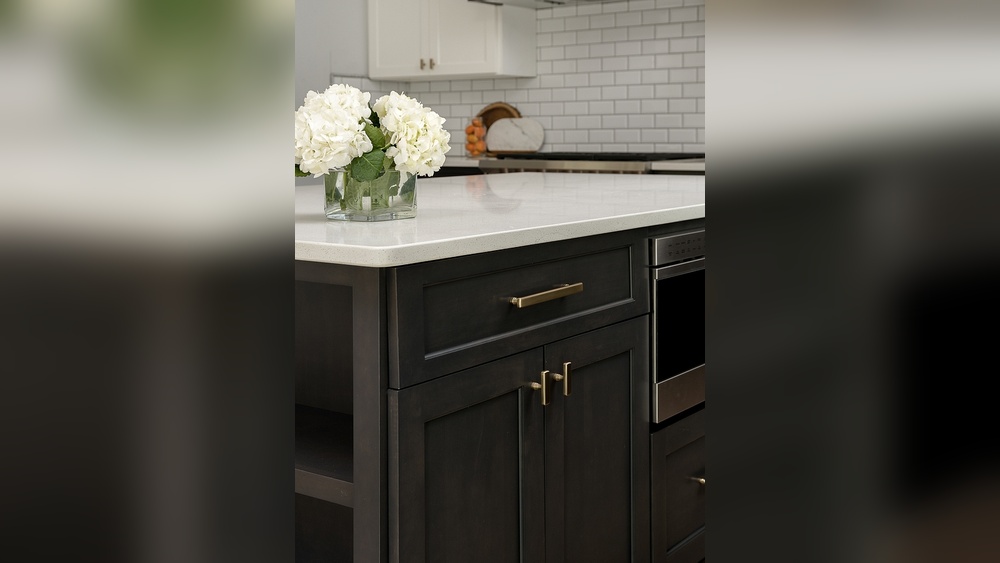
Are you wondering whether to leave your faux cabinets empty of hardware? This small design choice can make a big impact on how your space feels and functions.
You might think skipping handles or knobs saves money or creates a sleek look, but is it really the best move for your home? You’ll discover why hardware matters, how it affects your everyday use, and what options can elevate your cabinets from plain to perfect.
Keep reading to find out how a simple detail can transform your space in ways you didn’t expect.
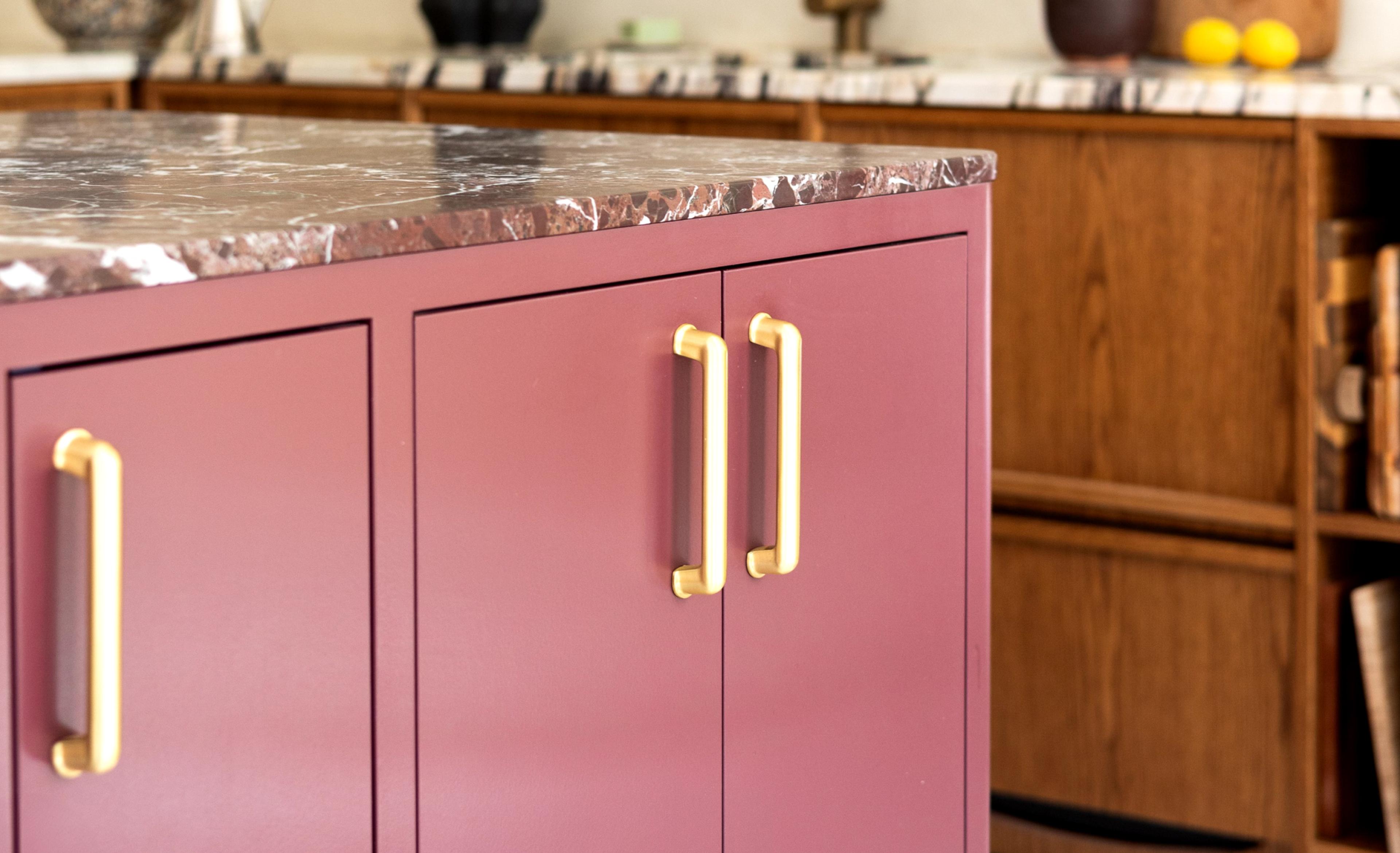
Credit: schoolhouse.com
Faux Cabinets Basics
Faux cabinets bring style and function to many home designs. They look like real cabinets but serve different purposes. Understanding their basics helps decide if they fit your space. This section explains what faux cabinets are and how they are used.
What Are Faux Cabinets
Faux cabinets are cabinet fronts without full storage space. They can be shallow or hollow. Some have no shelves inside. They mimic the look of regular cabinets. Often, they have no hardware or minimal handles. This design creates a clean and modern look. Faux cabinets save space and cut costs.
Common Uses In Home Design
Faux cabinets appear in kitchens, bathrooms, and living rooms. They cover unused wall areas or hide appliances. Sometimes they serve as decorative panels. They help create sleek lines and a clutter-free feel. Designers use them to make small rooms look bigger. Faux cabinets also help balance a room’s style.

Credit: www.elledecor.com
Pros Of Leaving Hardware Off
Leaving faux cabinets without hardware has benefits. It creates a modern, simple style. It also saves money and makes cleaning easier. Many people choose this look for its neat and practical feel. Here are some main advantages of skipping cabinet hardware.
Clean And Minimal Look
Cabinets without hardware look smooth and simple. No handles break the lines of the design. This gives a fresh and modern feel to the kitchen or bathroom. The clean look fits many styles, from classic to modern. It makes spaces feel larger and less busy.
Cost Savings
Hardware can be expensive. Leaving cabinets without it lowers the cost. No need to buy handles or knobs. Also, no tools or extra work for installation. This saves money and time. A budget-friendly option for home updates.
Ease Of Cleaning
No hardware means fewer spots for dust and dirt. Surfaces are easier to wipe and keep clean. No handles to catch grease or grime. A smooth surface makes daily cleaning fast and simple. This keeps kitchens and bathrooms tidy with less effort.
Cons Of Hardware-free Faux Cabinets
Choosing to leave faux cabinets without hardware may seem like a clean, modern choice. Yet, this decision brings several drawbacks. Hardware-free cabinets can affect usability, durability, and style in ways many overlook.
Functionality Challenges
Cabinets without handles are harder to open. Fingers slip on smooth surfaces. It takes more effort to access contents. This can frustrate daily use, especially in busy kitchens. Lack of hardware limits ease and comfort.
Potential Wear And Tear
Repeated pushing and pulling wears cabinet edges. Paint or finish may chip faster. Over time, marks and scratches appear more easily. Without hardware, cabinets face more direct contact damage. This reduces their lifespan and appeal.
Impact On Style
Hardware adds character and detail to cabinets. Without it, cabinets may look plain or incomplete. The room might feel less inviting or warm. Hardware helps balance minimalism with personality. Its absence can make the space feel cold or empty.
Alternatives To Traditional Hardware
Faux cabinets often look clean and modern without traditional knobs or pulls. Leaving them empty of hardware creates a smooth surface and a minimalist style. Still, you need ways to open and close these cabinets easily. Several clever options replace regular hardware. These alternatives keep your cabinets functional and stylish.
Push-to-open Mechanisms
Push-to-open systems let you open cabinets by pressing the door. No handles or knobs are needed. They work with a small spring inside the cabinet. A soft push releases the latch and opens the door. Push-to-open mechanisms suit sleek, modern kitchens and bathrooms.
Integrated Handles
Integrated handles blend into the cabinet design. They might be grooves or cut-outs along the cabinet edges. These handles add style without extra pieces sticking out. You get easy grip points while keeping the look clean. Integrated handles are strong and simple to use.
Magnetic Catches
Magnetic catches use magnets to keep doors closed. To open, you pull the door gently against the magnet force. This method works well with lightweight cabinet doors. Magnetic catches are quiet and require no visible hardware. They offer an elegant solution for faux cabinets.
Expert Tips For Styling Hardware-free Cabinets
Styling cabinets without hardware creates a sleek, modern look. It keeps spaces clean and simple. But it needs careful planning. Without handles or knobs, the design must still feel complete and inviting.
These expert tips help you style hardware-free cabinets with ease. Focus on finishes, balance, and lighting to make your cabinets stand out. Each detail adds charm and function to your room.
Choosing The Right Finish
Pick a finish that matches your room’s style. Matte finishes hide fingerprints and smudges well. Glossy finishes reflect light and look bright. Wood textures add warmth and natural beauty. Paint colors should blend or contrast with walls. Smooth finishes make cleaning easy.
Balancing With Other Design Elements
Use furniture and decor to balance the simple cabinets. Soft textiles like rugs or curtains add softness. Metal accents bring in shine and interest. Keep other features bold to avoid dullness. The mix of materials creates a rich, inviting space.
Lighting And Placement Tricks
Good lighting highlights the cabinet’s design. Use under-cabinet lights to add glow. Spotlights focus on key areas and create depth. Natural light works well with light finishes. Place cabinets where light enhances their look and feel.

Credit: caitlinmariedesign.com
When To Add Hardware To Faux Cabinets
Deciding when to add hardware to faux cabinets depends on several factors. Hardware can change how the cabinets look and function. It can make a big difference in daily use and style. Knowing the right time to add hardware helps create a balanced space. Consider these key points to make the best choice for your faux cabinets.
User Convenience
Hardware makes cabinets easier to open and close. Without it, you may struggle to grip the doors. Adding handles or knobs helps save time and effort. It is especially useful in busy kitchens or bathrooms. Hardware also reduces wear on cabinet edges from constant pushing or pulling.
Matching Room Aesthetic
Hardware can enhance the style of your room. Choose pieces that fit the cabinet design and overall decor. Sleek, modern knobs work well with minimalistic cabinets. Classic handles suit traditional or vintage faux cabinets. Hardware acts as a small detail that ties the whole space together.
Durability Considerations
Hardware protects cabinets from damage over time. Pulling on the cabinet surface can cause scratches or dents. Strong handles reduce this risk by providing a solid grip point. Quality hardware also lasts longer and withstands daily use. This helps keep your cabinets looking new for years.
Frequently Asked Questions
Should Faux Cabinets Be Left Empty Of Hardware?
Faux cabinets can be left empty for a sleek look. However, adding hardware improves functionality and enhances design appeal. Choose hardware that complements your décor for the best result.
Does Hardware Improve Faux Cabinet Usability?
Yes, hardware improves usability by making doors and drawers easier to open. It also protects the cabinet surface from damage caused by frequent handling.
Can Faux Cabinets Look Good Without Hardware?
Faux cabinets can look modern and clean without hardware. But, minimal hardware often adds character and balances style with practicality.
What Are Alternatives To Traditional Cabinet Hardware?
Alternatives include push-to-open mechanisms and integrated handles. These options maintain a seamless look while offering convenience and ease of use.
Conclusion
Faux cabinets without hardware can look clean and simple. But they might feel empty or unfinished. Hardware adds style and makes cabinets easier to use. Choose knobs or pulls that match your room’s design. Small details like these change the whole look.
Think about how you want your space to feel. Functional and pretty or plain and quiet? The right choice helps your home feel just right.