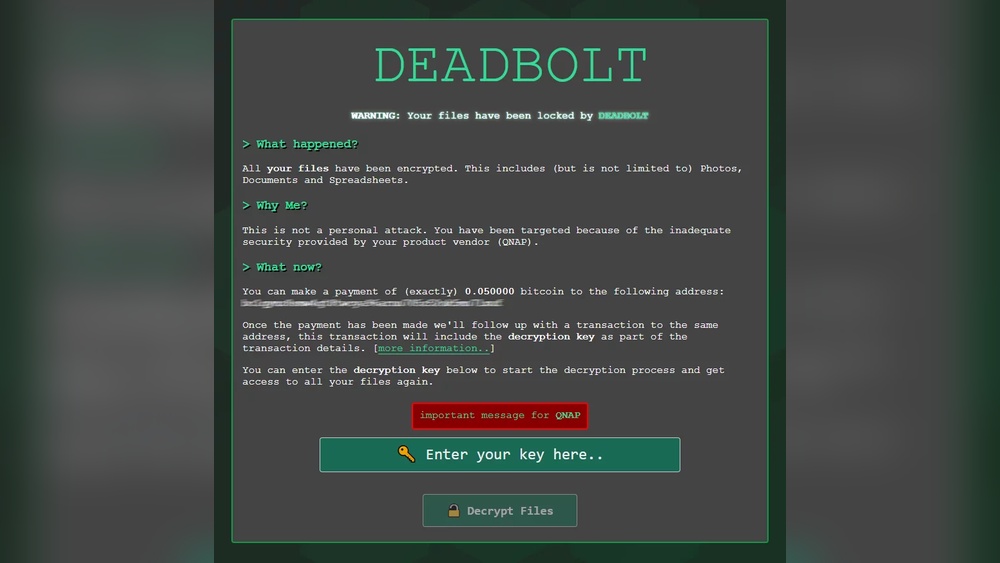
Have you ever found yourself locked out of your own files, staring at a Deadbolt-encrypted folder with no clear way in? If you’re struggling to access important documents or photos trapped behind this tough security, you’re not alone—and you’re in the right place.
This guide will walk you through simple, effective steps to decrypt Deadbolt files and regain control of your data. Keep reading, because your files shouldn’t stay locked forever.
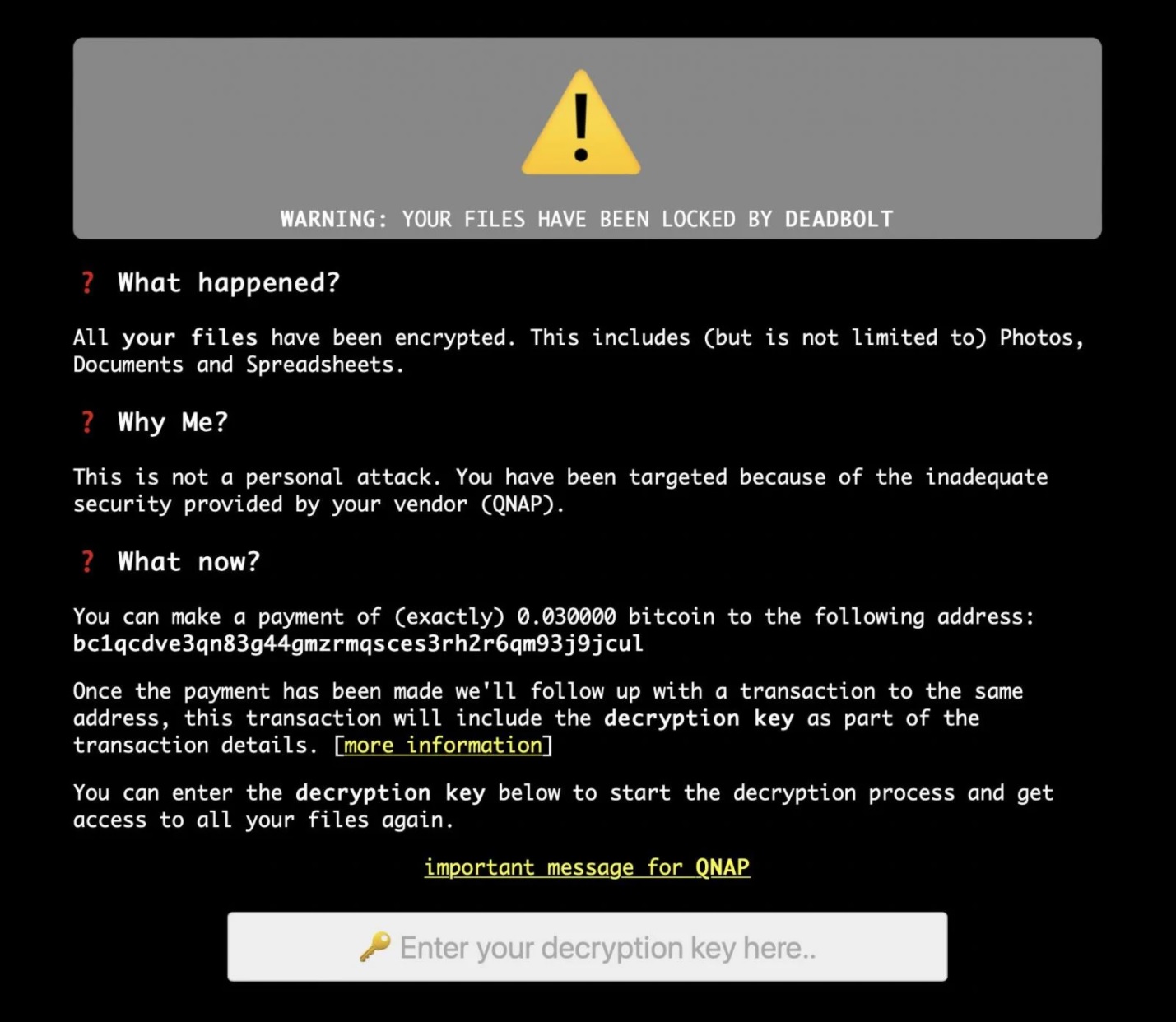
Credit: howtoremove.guide
What Are Deadbolt Files
Deadbolt files are a type of encrypted file created by the Deadbolt ransomware. This ransomware locks important data on your computer. It changes files so you cannot open them without a special key. Understanding what Deadbolt files are is the first step to dealing with them.
These files often have a new extension added by the ransomware. The extension helps identify which files are locked. Deadbolt targets various file types, including documents, images, and videos. Once encrypted, these files become unusable and show error messages when opened.
What Causes Deadbolt Files?
Deadbolt files result from a ransomware attack. The ransomware infects your system through unsafe downloads or email links. After infection, it searches for files to encrypt. The ransomware uses strong encryption methods to lock files quickly. This process prevents access without a decryption key.
How Do Deadbolt Files Look?
Deadbolt files look similar to original files but with a different extension. The names may have random letters or numbers added. File sizes might change slightly after encryption. Trying to open these files leads to error pop-ups or messages about corruption. This confirms the files are locked by Deadbolt.
Why Are Deadbolt Files Dangerous?
Deadbolt files can cause major data loss. Important work or personal files become inaccessible. Losing access can disrupt business operations or personal projects. Paying ransom does not guarantee file recovery. It is risky and often not recommended. Securing backups is essential to avoid losing data forever.
Common Causes Of Deadbolt Encryption
Deadbolt encryption happens when ransomware locks your files. This malware changes your files so you cannot open them. Understanding what causes Deadbolt encryption helps protect your data and find ways to recover it.
Many factors lead to Deadbolt ransomware attacks. Knowing these common causes can help you avoid risks and respond faster.
Phishing Emails
Phishing emails trick users into clicking harmful links or attachments. These emails look real but contain malware. Opening them can start the Deadbolt ransomware attack.
Weak Passwords
Weak or reused passwords make it easy for hackers to access systems. Once inside, they install Deadbolt ransomware quickly. Strong, unique passwords reduce this risk.
Unpatched Software
Outdated software often has security holes. Hackers use these holes to spread Deadbolt ransomware. Regular updates help close these gaps and protect your files.
Malicious Websites
Visiting unsafe websites can trigger ransomware downloads. These sites hide harmful code that infects your device silently. Avoiding suspicious sites lowers the chance of infection.
Remote Desktop Protocol (rdp) Exploits
Hackers target weak RDP settings to enter networks. They then deploy Deadbolt ransomware to encrypt files. Securing RDP access is essential to prevent attacks.
Tools Needed For Decryption
Decrypting Deadbolt files requires specific tools to ensure the process is safe and effective. These tools help identify, analyze, and decrypt encrypted files. Having the right tools saves time and reduces errors.
Each tool plays a unique role in the decryption process. Some focus on file recovery, while others handle cryptographic functions. Understanding these tools helps you decrypt files step-by-step.
File Identification Software
This software scans and identifies Deadbolt-encrypted files quickly. It helps you find all affected files on your system. Early identification is critical for efficient decryption.
Decryption Utilities
Decryption utilities use specific algorithms to unlock Deadbolt files. They work by reversing the encryption applied by Deadbolt ransomware. Choosing the correct utility depends on the file type and encryption method.
Backup And Recovery Tools
Backup tools restore important files from previous versions. Recovery tools can repair corrupted files. These tools are essential when decryption alone is not enough.
Security Software
Security software prevents further infection during decryption. It scans for malware and isolates threats. Running security checks protects your system throughout the process.
Technical Support Resources
Technical guides and forums offer helpful advice and updates. They provide step-by-step instructions and troubleshooting tips. Access to support improves your chances of success.

Credit: www.qnap.com
Step-by-step Decryption Process
Decrypting Deadbolt files requires careful steps. Follow this guide to recover your data safely. Each step helps avoid mistakes and ensures success.
Prepare Your System
Start by disconnecting from the internet. This stops further damage or data loss. Make sure your antivirus is up to date. Run a full scan to detect any remaining threats. Create a backup of your important files before starting the decryption.
Identify Encrypted Files
Look for files with unusual extensions or names. Deadbolt usually changes file extensions. Note which files are affected. This helps focus the decryption process. Keep a list to track your progress.
Use Decryption Software
Download a trusted Deadbolt decryption tool. Follow the software instructions carefully. Choose the folder with encrypted files. Start the decryption process and wait patiently. Avoid interrupting the tool to prevent errors.
Verify Data Integrity
After decryption, open your files to check content. Ensure files are complete and not corrupted. Compare with backups if possible. Delete any leftover ransomware files safely. Keep your system protected to avoid future infections.
Troubleshooting Decryption Issues
Decrypting Deadbolt files can sometimes be tricky. Problems may block your progress. This section helps you fix common issues during decryption.
Understanding basic troubleshooting steps saves time and effort. It also improves success chances. Here are key tips for solving decryption problems.
Handling Password Errors
Entering the wrong password is the main cause of errors. Double-check the password for typos. Passwords are case-sensitive. Make sure Caps Lock is off.
Try copying and pasting the password carefully. Avoid extra spaces before or after the password. If you forget the password, there is no way to recover the file.
Dealing With Corrupted Files
Corrupted files cannot decrypt properly. Check if the file size looks correct. Files that are too small or zero bytes may be damaged.
Try downloading the file again from the original source. Use file repair tools for minor corruptions. Backup copies are the safest option when available.
When Decryption Fails
Decryption might fail due to software glitches. Restart the decryption program and try again. Ensure the software is up to date.
Check system compatibility with the decryption tool. Run the program as an administrator to avoid permission issues. If problems persist, seek help from support forums or experts.
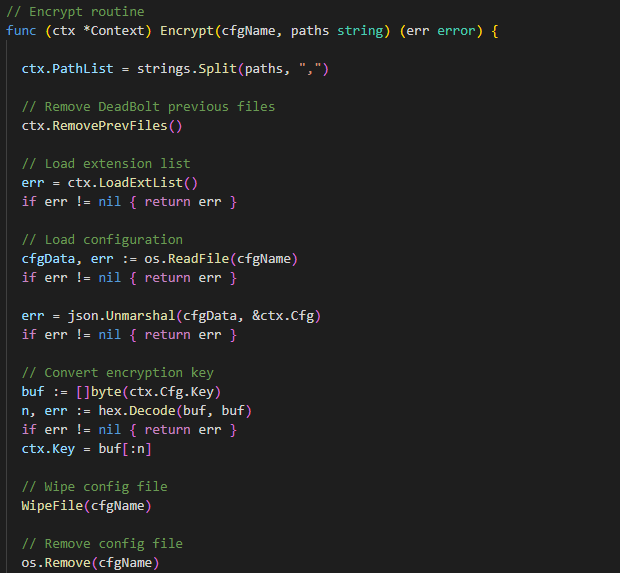
Credit: www.group-ib.com
Frequently Asked Questions
What Are Deadbolt Files And Why Decrypt Them?
Deadbolt files are ransomware-encrypted data files. Decrypting restores access to locked files without paying ransom. It helps recover important data safely and securely.
How Can I Decrypt Deadbolt Files Safely?
Use trusted decryption tools from cybersecurity experts. Avoid unknown software to prevent further damage. Backup your files before starting decryption.
Is There Free Software To Decrypt Deadbolt Files?
Some cybersecurity firms offer free Deadbolt decryption tools. Verify authenticity before downloading to avoid malware risks. Always follow official sources for safe decryption.
Can Antivirus Software Remove Deadbolt Ransomware?
Antivirus can detect and remove ransomware but cannot decrypt files. You need specialized decryption tools to unlock Deadbolt-encrypted files.
Conclusion
Decrypting Deadbolt files takes patience and the right steps. Start with trusted tools and follow clear instructions. Stay cautious and back up your data before trying anything. Remember, not all methods work for every case. Keep learning and stay safe online.
Your files can be recovered with care and attention.