Have you ever flipped a light switch only to find nothing happens? Before you call an electrician, there’s a simple step you can take: locate the right breaker.
Knowing how to find your light switch breaker can save you time, money, and frustration. In this guide, you’ll learn easy, practical steps to identify the breaker controlling your lights. By the end, you’ll feel confident handling minor electrical issues safely and quickly.
Keep reading to discover the simple tricks that professionals use every day.
Locate Your Main Electrical Panel
Finding the light switch breaker starts with locating your main electrical panel. This panel controls the power for your entire home. Knowing where it is helps you safely turn off power if needed. It also makes it easier to reset breakers when a switch trips.
The main electrical panel is usually a metal box mounted on a wall. Inside, you will see switches or breakers labeled for different areas or devices. Identifying the correct breaker is the first step to managing your home’s electricity safely.
Common Panel Locations
Most panels are in utility areas like basements or garages. Check near your water heater or furnace. Sometimes, they are in closets or hallways. Outside walls can also have the panel, especially in warmer climates. Look for a gray or metal box with a door.
Safety Precautions Before Opening
Always make sure your hands are dry before touching the panel. Wear rubber-soled shoes to avoid shock. Use a flashlight if the area is dark. Never touch wires inside the panel. If unsure, call a professional electrician for help.

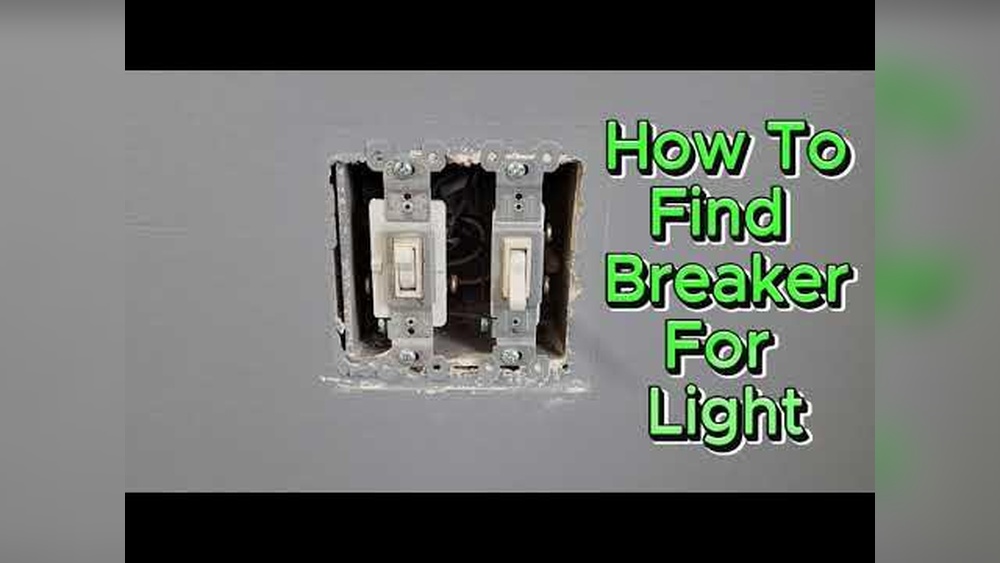
Credit: www.youtube.com
Identify The Circuit Breakers
Identifying the circuit breakers is the first step to find the correct light switch breaker. Circuit breakers control the flow of electricity in your home. Each breaker protects a specific area or device. Knowing how to recognize them helps you turn off power safely.
Every breaker has labels or markings. These show which part of the house they control. Understanding these labels saves time and prevents confusion. It also keeps you safe from electrical shocks.
Breaker Labels And Markings
Most circuit breakers have clear labels. The labels say what the breaker controls, like “kitchen” or “living room.” Look for these words on the breaker panel. Some panels use numbers or codes instead of words.
If labels are missing or unclear, test each breaker. Turn one off and check which lights or outlets lose power. Write down what each breaker controls for future use. This simple step makes future repairs easier.
Types Of Breakers
There are several types of circuit breakers. The most common is the standard breaker. It switches power on and off with a simple toggle.
Another type is the GFCI breaker. It protects against electric shocks near water. AFCI breakers protect against electrical fires caused by sparks.
Knowing the type helps you understand what each breaker does. This knowledge guides safe handling and proper repairs.
Test Breakers To Find The Light Switch
Testing breakers to find the light switch is a practical way to locate the right circuit. This method helps you identify which breaker controls the specific light. It avoids guesswork and saves time during electrical work.
You need basic tools like a circuit tester or just your hands and a helper. Safety is key. Always turn off breakers carefully and check for power.
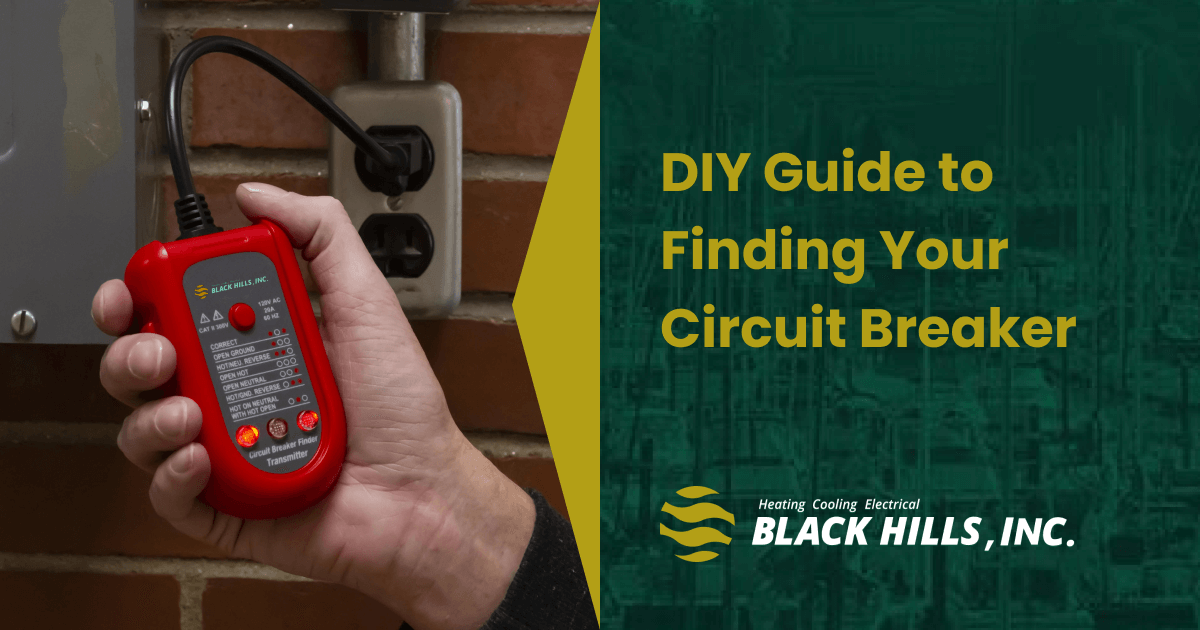
Using A Circuit Tester
A circuit tester is a small tool that checks electrical current. First, turn off all breakers in the panel. Then, turn on the light switch you want to test.
Next, turn on one breaker at a time. Use the tester near the light fixture or switch. If the tester lights up or beeps, this breaker controls the light.
This method is quick and safe. It gives clear results without touching wires directly.
Manual Testing Method
Manual testing uses a simple on-off approach. Start with all breakers off. Turn on the light switch you want to find.
Switch on one breaker. Check if the light turns on. If not, turn it off and try the next breaker.
Repeat until the light turns on. The breaker you switched on controls the light. This method needs no special tools but requires patience.
Credit: www.blackhillsinc.com
Marking The Correct Breaker
Marking the correct breaker is essential for safety and convenience. It helps you quickly find the right switch during repairs or emergencies. Clear markings save time and prevent mistakes. Proper identification keeps your home’s electrical system organized.
Labeling Tips
Use a permanent marker or printed labels for clarity. Write short, simple names that describe each area or device. For example, use “Kitchen Lights” or “Living Room Outlets.” Avoid vague terms like “Room 1” or “Area A.” Place labels next to each breaker switch for easy reading.
Maintaining Clear Breaker Identification
Check labels regularly to ensure they are still readable. Replace faded or damaged labels immediately. Keep a breaker map near your panel for quick reference. Update the map and labels after any electrical work. This habit keeps your system safe and efficient.
Troubleshooting Common Issues
Troubleshooting common issues with your light switch breaker helps you fix problems fast. Understanding these issues saves time and keeps your home safe. Here are solutions to two frequent problems you may face.
Breaker Trips Immediately
A breaker that trips right away signals a possible short circuit. Check the light switch wiring for loose or damaged wires. Remove the switch cover and look for burnt marks or melted plastic. If found, replace the switch or call a professional electrician.
Overloaded circuits also cause breakers to trip quickly. Make sure the switch does not control too many devices. Reduce the load or move some devices to a different circuit. This prevents frequent trips and keeps the breaker stable.
No Power After Switching Breaker
No power after turning on the breaker may mean a faulty breaker. Test the breaker with a voltage tester to see if it works. If the breaker shows no voltage, it likely needs replacement.
Loose connections inside the breaker panel cause power loss. Turn off the main power, then tighten all breaker screws carefully. Recheck the light switch for proper wiring and connection. Fixing loose wires often restores power quickly.
When To Call A Professional
Knowing when to call a professional is important for safety. Handling electrical issues alone can lead to serious risks. Some signs show it is time to get expert help. Understanding these signs helps protect your home and family.
Signs Of Electrical Problems
Flickering lights or frequent breaker trips signal a problem. Burning smells near switches or outlets are dangerous. Sparks or shocks when touching switches mean a risk. Warm or discolored outlets suggest wiring issues. Strange noises from the breaker box need attention. These signs mean stop and call a professional.
Hiring A Licensed Electrician
Only hire electricians with a valid license and insurance. Licensed experts follow safety rules and local laws. They have the right tools and knowledge for the job. A good electrician will inspect and fix problems safely. Avoid unlicensed workers to prevent further damage or danger.

Credit: www.reddit.com
Frequently Asked Questions
How Do I Identify The Light Switch Breaker?
Locate your electrical panel and look for labels. Find the breaker controlling the room’s light switch. Turn it off to test if the light stops working.
Can I Find The Light Switch Breaker Without Labels?
Yes, by turning off breakers one at a time. Check the light switch after each to see if power is cut. This method is safe and effective.
Why Is Finding The Light Switch Breaker Important?
It helps you safely work on electrical switches. Turning off the right breaker prevents electrical shocks or damage. Always ensure the power is off before repairs.
What Tools Help Locate A Light Switch Breaker?
Use a circuit breaker finder or non-contact voltage tester. These tools quickly identify the correct breaker without trial and error. They improve safety and efficiency.
Conclusion
Finding the right light switch breaker is not hard. Start by turning off the main power for safety. Check each breaker one by one until the lights go off. Label the breakers to save time in the future. Always use a flashlight when working in the dark.
If unsure, ask a professional for help. Knowing how to find the breaker keeps your home safe. Practice these steps to handle electrical issues confidently. Simple actions can prevent accidents and save energy. Stay safe and keep your home well-lit.