Are you struggling to find the perfect way to hang items on your concrete walls without damaging them? You’re not alone.
Concrete wall hooks are a simple, effective solution that can hold everything from tools to decorations securely and safely. But how do you choose the right hook, and more importantly, how do you use it correctly? Keep reading, and you’ll discover easy, step-by-step tips that make installing concrete wall hooks quick and hassle-free.
By the end, you’ll feel confident transforming your space with strong, reliable hooks that keep your belongings exactly where you want them.
Credit: www.aosdates.com
Choosing The Right Wall Hooks
Choosing the right wall hooks for concrete walls is important for strong support and lasting use. The right hooks hold your items safely without damaging the wall. Consider the hook type, weight capacity, and material before buying. These factors help you find hooks that fit your needs and style.
Types Of Concrete Wall Hooks
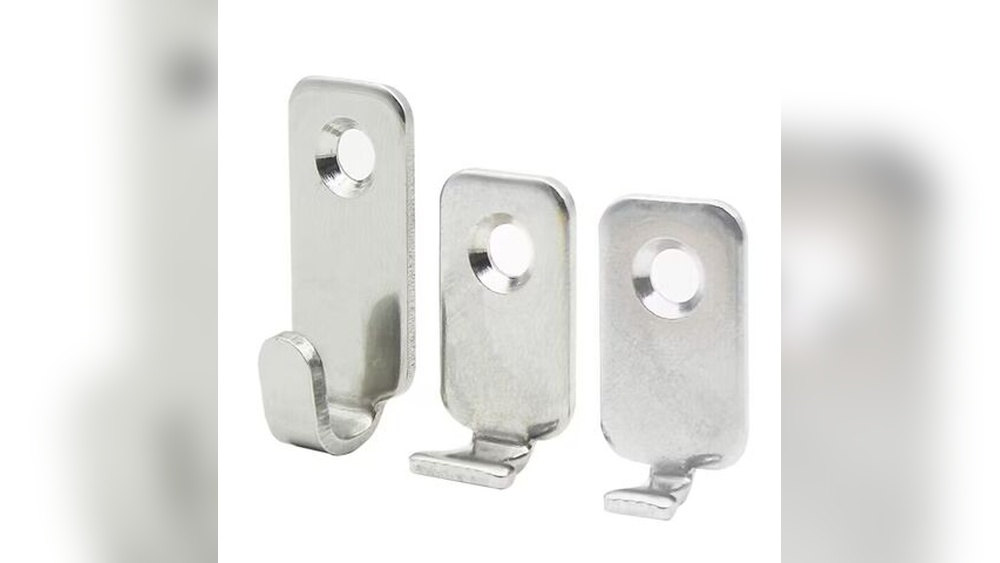
Concrete wall hooks come in many styles. Screw-in hooks fit directly into drilled holes. They offer strong hold for heavy items. Adhesive hooks stick to the wall without drilling. They are easy to install but hold less weight. Expansion hooks use anchors that spread inside the hole. These are great for medium to heavy loads. Choose a type based on the wall and items you hang.
Weight Capacity Considerations
Check the weight limit of wall hooks before use. Light hooks hold a few pounds, good for keys or small tools. Heavy-duty hooks support large items like bicycles or shelves. Always pick hooks with a higher weight capacity than your items. This prevents damage and keeps things secure. Never guess the weight; verify it from the product details.
Material And Finish Options
Wall hooks come in metal, plastic, and sometimes wood. Metal hooks last longer and hold more weight. Plastic hooks are lighter but less durable. Look for rust-resistant finishes for outdoor or damp areas. Chrome, stainless steel, and powder-coated finishes protect metal hooks. Choose a finish that matches your decor and resists wear. Proper material and finish increase hook life and appearance.
Tools And Materials Needed
Using concrete wall hooks requires specific tools and materials for a secure fit. This section covers the basics you need to prepare before starting. Having the right tools makes the job easier and safer.
Drills And Drill Bits
A power drill is essential for making holes in concrete walls. Choose a hammer drill for better performance. Use masonry drill bits designed for concrete. The drill bit size should match your anchors for a tight fit.
Anchors And Screws
Concrete anchors hold the hooks firmly in place. Select anchors based on the hook weight capacity. Use screws that fit the anchors properly. Together, anchors and screws keep the hooks secure.
Measuring And Marking Tools
Accurate measuring tools ensure correct hook placement. Use a tape measure for distance and height. Mark spots clearly with a pencil or chalk. Proper marking prevents mistakes and saves time.
Preparing The Wall Surface
Preparing the wall surface is a key step for strong and safe mounting. It helps hooks hold tight and last longer. Taking time here saves effort later.
Start by making sure the concrete is clean and smooth. Next, find the best spots to place the hooks. Avoid areas that could cause trouble.
Cleaning The Concrete
Remove dust, dirt, and grease from the wall. Use a brush or broom to sweep the surface. Wipe with a damp cloth to clear fine dust.
Let the wall dry fully before drilling or attaching hooks. Clean surfaces help hooks stick better and hold weight safely.
Locating Studs And Avoiding Obstacles
Check for studs or metal reinforcements inside the wall. Use a stud finder to locate these hidden parts. Mark spots where it is safe to drill.
Avoid electrical wires and pipes to prevent damage or injury. Tap the wall lightly to hear hollow or solid areas. Plan hook placement carefully for safety and strength.
Credit: www.homedepot.com
Step-by-step Installation Process
Installing concrete wall hooks is easier than most think. Follow these steps to ensure a strong hold and neat finish. Proper installation makes your hooks safe and durable. Each step builds on the last for best results.
Marking Hook Positions
Start by deciding where to place the hooks. Use a pencil to mark spots on the wall. Measure carefully to keep hooks level and spaced evenly. Clear marks guide your drilling for accurate holes.
Drilling Holes Safely
Select a drill bit that matches your anchor size. Wear safety goggles to protect your eyes from dust. Drill slowly at the marked spots to avoid wall damage. Keep the drill straight for clean, deep holes.
Inserting Anchors
Push anchors into the drilled holes gently. Tap lightly with a hammer if anchors don’t fit easily. Anchors provide strong support inside the concrete. They prevent hooks from loosening over time.
Securing The Hooks
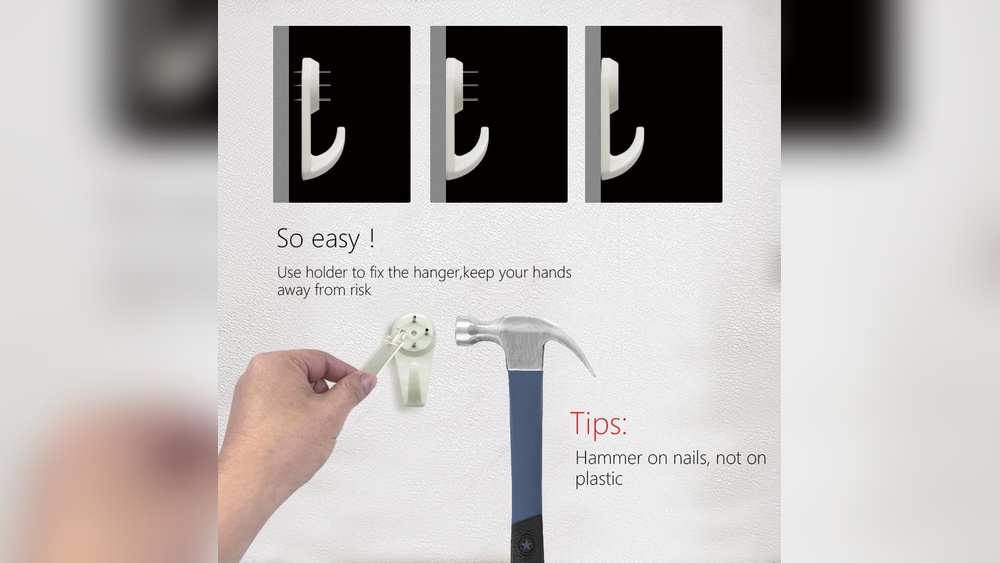
Align hooks with the anchors in the wall. Insert screws through the hook holes into anchors. Tighten screws firmly but avoid over-tightening. Check that hooks feel stable and ready to use.
Tips For Ensuring Strong Hold
Ensuring a strong hold for concrete wall hooks is key to safe and lasting use. Poor installation can cause hooks to fall or damage walls. Follow simple tips to secure hooks firmly and keep items safe.
Use the right tools and methods for best results. Understanding the right steps helps avoid common problems and makes your hooks reliable.
Choosing The Right Anchor Type
Select anchors made for concrete walls. Plastic anchors work for light items. Metal anchors or sleeve anchors hold heavier loads better.
Match the anchor size to your hook and load weight. Too small anchors may fail. Too large anchors can crack concrete.
Avoiding Common Mistakes
Do not drill holes too shallow or too deep. Follow anchor instructions for hole depth. Avoid using wrong drill bits for concrete.
Clean dust from holes before inserting anchors. Dust weakens the grip. Tighten hooks steadily, not too fast or too loose.
Testing Hook Stability
After installation, gently pull the hook down. Check for any movement or looseness. Test with a light load first.
Increase weight slowly to ensure the hook holds well. Recheck anchor tightness over time. This prevents accidents and damage.

Credit: www.amazon.com
Maintenance And Removal
Concrete wall hooks are strong and useful for hanging items. Taking care of these hooks keeps them working well. Sometimes, you may want to remove hooks without harming the wall. Proper maintenance and careful removal protect your wall and hooks.
Cleaning And Inspecting Hooks
Clean hooks regularly with a soft cloth. Remove dust and dirt to keep hooks safe. Check hooks for rust or damage. Replace hooks that look weak or broken. Clean hooks last longer and hold items better.
Removing Hooks Without Damage
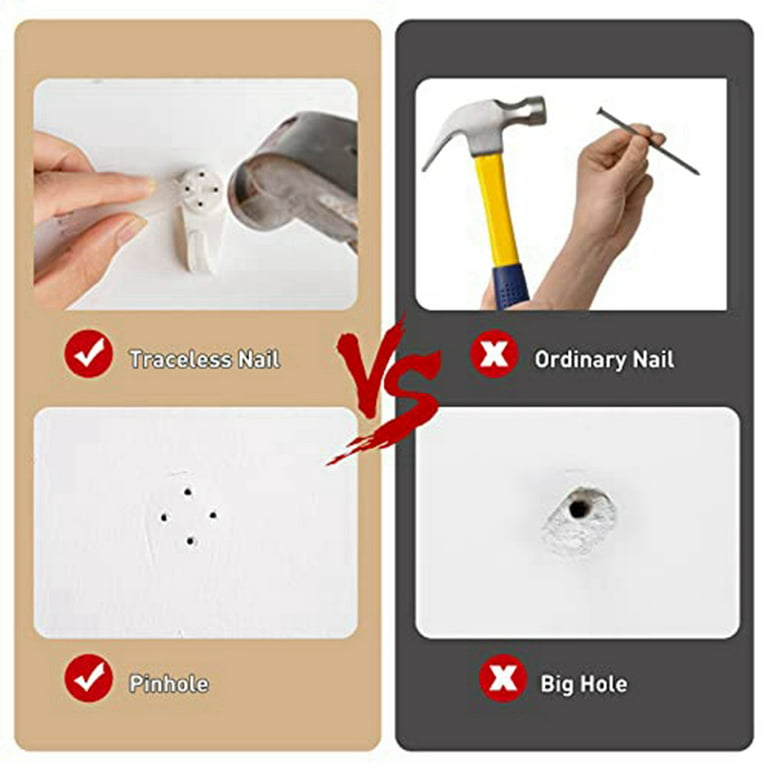
Remove hooks slowly to avoid wall damage. Use a screwdriver or pliers to loosen screws or nails. Pull hooks gently from the wall. For adhesive hooks, warm the glue with a hairdryer. Peel off hooks carefully to keep the wall smooth.
Repairing Wall After Removal
Fill small holes with wall putty or spackling paste. Smooth the surface with a putty knife. Let the filler dry completely before painting. Sand the area lightly for a clean finish. Paint to match the wall color for a neat look.
Frequently Asked Questions
What Tools Do I Need To Install Concrete Wall Hooks?
You need a hammer drill, masonry bit, wall plugs, screws, a pencil, and a measuring tape. These tools ensure secure and precise hook installation on concrete walls.
How Do I Choose The Right Concrete Wall Hook?
Select hooks based on weight capacity and wall type. Check product specifications to match your hanging needs and ensure durability on concrete surfaces.
Can I Remove Concrete Wall Hooks Without Damage?
Yes, carefully unscrew the hook and remove wall plugs. Minor wall patching may be required to fix any holes left behind.
Are Concrete Wall Hooks Suitable For Outdoor Use?
Many concrete wall hooks are weather-resistant and ideal for outdoor use. Choose rust-proof materials like stainless steel for lasting performance outside.
Conclusion
Concrete wall hooks make hanging items easy and secure. Choose the right hook for your wall type and weight needs. Use proper tools and follow simple steps for best results. These hooks save space and keep your area neat. With a little care, your hooks will hold strong for years.
Try them in your home or workspace today. Simple, practical, and useful.