Are you ready to master Operation Deadbolt and take control of your mission? Whether you’re a beginner or looking to sharpen your skills, this guide will walk you through every step clearly and confidently.
You’ll discover tips that make the process easier and strategies that boost your success. Stick with me, and by the end, you’ll have what it takes to complete Operation Deadbolt like a pro. Let’s dive in and get started!

Credit: www.callofduty.com
Choosing The Right Deadbolt
Choosing the right deadbolt is key to securing your home. It protects your doors from unwanted entry. Selecting a deadbolt fits your needs ensures safety and convenience. Consider the types, materials, and security features before buying.
Types Of Deadbolts
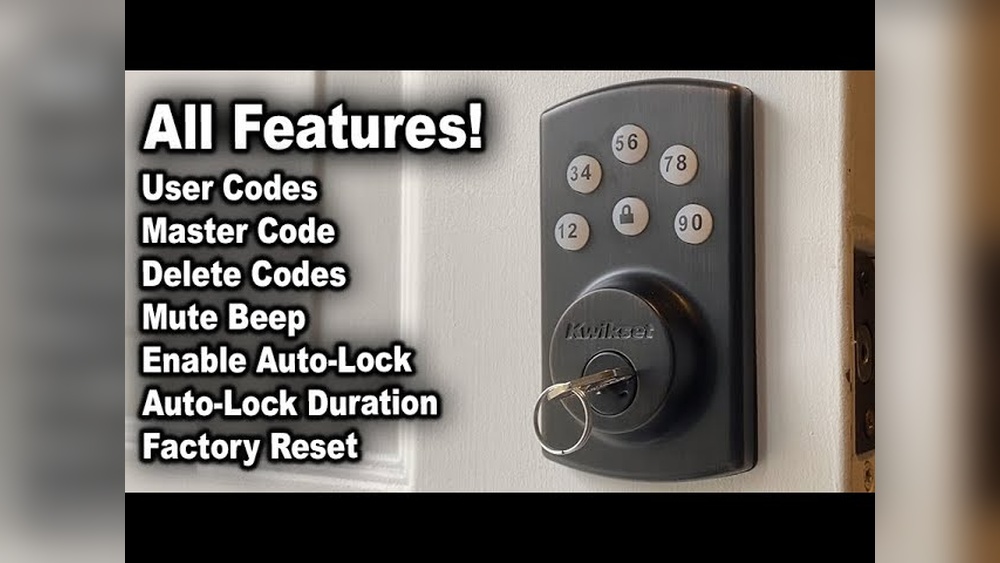
Single-cylinder deadbolts use a key outside and a thumb turn inside. They are common and easy to use. Double-cylinder deadbolts require a key on both sides. They add extra security but can be tricky in emergencies. Keyless deadbolts work with codes or electronic keys. They offer convenience and quick access.
Material And Finish Options
Deadbolts come in materials like brass, steel, and zinc. Steel offers strong resistance to force. Brass resists corrosion and looks good. Zinc is budget-friendly and durable. Finishes include polished brass, satin nickel, and oil-rubbed bronze. Choose a finish that matches your door and style.
Security Features To Consider
Look for deadbolts with hardened steel inserts to stop drilling. Anti-pick pins make lock picking harder. Some deadbolts have bump-resistant designs to block bump keys. Longer bolts provide deeper doorframe penetration. Check if the deadbolt meets safety standards like ANSI Grade 1 for best protection.
Tools And Materials Needed
To complete Operation Deadbolt, gather the right tools and materials first. Having everything ready makes the process smoother and faster. Using the correct tools helps avoid mistakes and damage. Below are the main items needed for the task.
Essential Tools
- Screwdriver (flathead and Phillips)
- Power drill with drill bits
- Measuring tape
- Hammer
- Chisel
- Level
Additional Supplies
- Deadbolt lock kit
- Wood screws
- Wood filler
- Pencil for marking
- Sandpaper
- Masking tape
Safety Gear
- Safety glasses to protect your eyes
- Work gloves to avoid splinters and cuts
- Dust mask to prevent inhaling dust
Preparing The Door
Preparing the door is the first step in completing Operation Deadbolt. This stage sets the base for a secure and smooth installation. Proper preparation saves time and avoids mistakes. It involves careful measuring, precise drilling, and cleaning the door surface. Each task must be done with attention to detail.
Measuring And Marking
Start by measuring the height for the deadbolt. Use a tape measure to find the exact spot. Mark the point clearly with a pencil. Measure twice to avoid errors. Mark the center for the lock and the latch. Accurate marks ensure the lock fits perfectly.
Drilling Holes
Choose the right drill bit size for the lock holes. Drill slowly and steadily to prevent splitting the wood. Make a hole through the door face for the lock cylinder. Drill another hole on the edge for the latch. Keep the drill straight for clean holes. Remove any wood debris after drilling.
Cleaning The Surface
Clear dust and wood chips from the drilled areas. Use a brush or cloth to wipe the surface clean. Clean surfaces help the lock parts fit well. A clean door edge prevents damage to the latch. Check the surface for smoothness before fitting the deadbolt.

Credit: www.ign.com
Installing The Deadbolt
Installing the deadbolt is a key step to improve your door security. It requires careful fitting and securing to work well. Follow these clear steps for a smooth installation.
Fitting The Deadbolt Mechanism
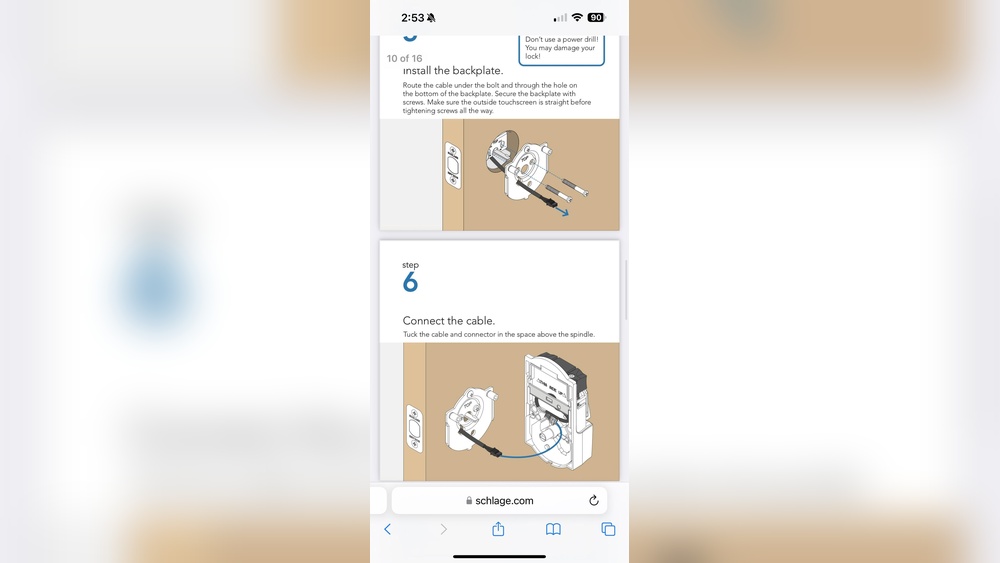
Start by placing the deadbolt into the door edge. Make sure the bolt slides easily. Align it with the pre-drilled hole. Use screws to fix the mechanism firmly. Check the bolt moves without sticking.
Securing The Lock Cylinder
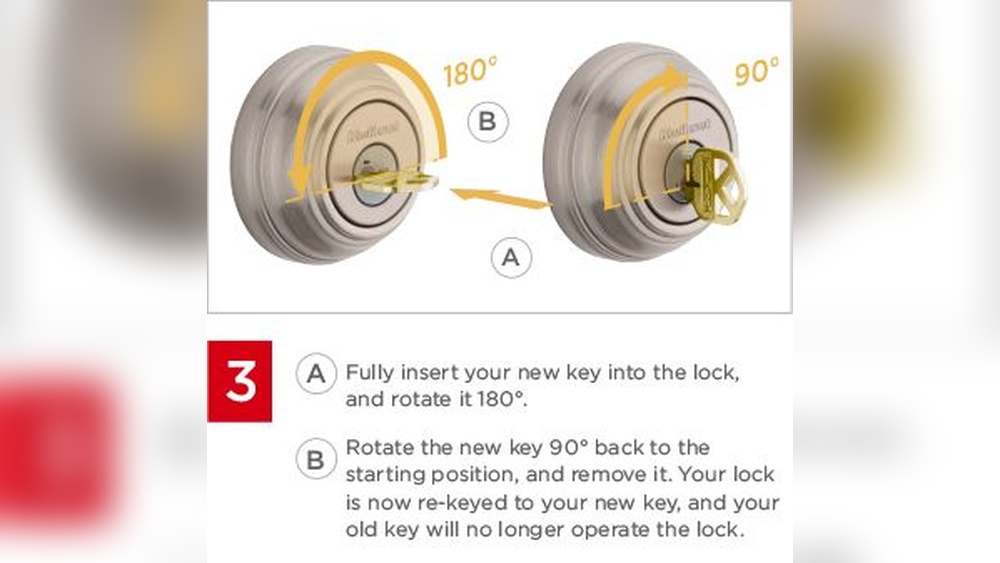
Insert the lock cylinder into the hole on the door face. Align it so the keyhole fits correctly. Secure the cylinder with screws from inside the door. Test the key to see it turns smoothly. Tighten the screws but avoid over-tightening.
Attaching The Strike Plate
Position the strike plate on the door frame. It must line up with the deadbolt. Mark the screw holes and drill pilot holes. Screw the plate firmly into place. Test the bolt to ensure it fits inside the strike plate easily.
Testing And Adjustments
Testing and adjusting the deadbolt is a key step to ensure strong security. This process helps confirm the lock works smoothly and fits perfectly. Small fixes may be needed to avoid future problems. Careful testing saves time and hassle later.
Checking Lock Functionality
Start by turning the key or thumb turn slowly. The bolt should slide out and retract without force. Make sure the lock clicks into place firmly. Test both sides of the door. Check that the key turns easily without sticking. A smooth action means the lock is working well.
Aligning The Strike Plate
The strike plate must line up with the bolt perfectly. Close the door and watch where the bolt hits the plate. It should enter the hole cleanly and fully. If not, loosen the screws and move the plate slightly. Tighten the screws once the bolt fits well. Proper alignment keeps the door secure and prevents damage.
Troubleshooting Common Issues
Check for resistance if the bolt sticks or jams. Dirt or paint might block the strike plate hole. Clean or sand the hole to clear the path. If the key does not turn, the lock might need lubrication. Use a graphite powder or silicone spray. Avoid oil-based lubricants as they attract dust. Tighten loose screws that cause wobbling. Re-test after each fix to ensure proper function.

Credit: www.youtube.com
Frequently Asked Questions
What Is Operation Deadbolt In Security Terms?
Operation Deadbolt refers to a tactical police raid targeting high-risk suspects. It aims to enhance community safety by removing dangerous offenders swiftly and efficiently.
How Do Officers Prepare For Operation Deadbolt?
Officers plan meticulously, gathering intelligence and coordinating teams. They use specialized gear and tactics to ensure safety during high-risk arrests.
What Legal Steps Are Involved In Operation Deadbolt?
Police obtain warrants based on solid evidence. Proper authorization ensures the operation complies with legal standards and protects civil rights.
How Long Does Operation Deadbolt Typically Take?
The operation duration varies but usually lasts a few hours. Efficiency and speed are crucial to minimize risks and complete objectives.
Conclusion
Completing Operation Deadbolt takes focus and careful steps. Stay calm and follow each instruction closely. Practice helps improve your speed and accuracy. Keep your tools ready and your mind clear. Success comes with patience and steady effort. You can finish the task well with time.
Remember, small details make a big difference. Stay confident and keep trying until you succeed.