Are you looking to hang something on your cement wall but unsure how to do it without damaging the surface? Putting hooks in a cement wall might seem tricky, but with the right steps, you can do it quickly and securely.
Imagine having the perfect spot for your favorite picture, a sturdy hook for your tools, or a place to hang your plants—all without cracks or holes that weaken the wall. In this guide, you’ll discover simple, effective techniques that anyone can follow.
Keep reading, and you’ll learn exactly how to put hooks in your cement wall so they stay strong and hold tight every time.
Tools And Materials Needed
Installing anchors in a cement wall is a key step to hang hooks securely. Anchors hold the hook tightly and stop it from falling out. Choosing the right anchor and inserting it correctly makes your work safe and lasting.
Types Of Anchors
Plastic anchors are easy to use and fit small hooks. They expand inside the hole and grip the cement.
Metal anchors provide stronger support. They are good for heavy items and last longer.
Wedge anchors are strong and hold heavy loads. They work well in solid cement walls.
Concrete screws go directly into the wall. They need a pre-drilled hole but are easy to remove.
Insertion Methods
First, drill a hole slightly smaller than the anchor size. Use a hammer drill for cement walls.
Clean out dust from the hole. Use a brush or air blower.
Push the anchor into the hole. Tap gently with a hammer if needed.
For screw anchors, insert the screw into the anchor after placing it.
Make sure the anchor sits flush with the wall surface. This keeps the hook stable.

Credit: www.wikihow.com
Choosing The Right Hook
Putting hooks in a cement wall might seem simple. Still, many make mistakes that cause damage or weak hold. Avoiding these common errors helps keep hooks secure and walls safe. Knowing what to watch for makes the task easier and more effective.
Incorrect Drill Bit Use
Using the wrong drill bit can harm the wall or make holes too big. Cement walls need masonry drill bits, not regular ones. Masonry bits are strong and designed to break through cement. Using a wood or metal bit can cause cracks or poor grip.
Ignoring Wall Condition
Not checking the wall before drilling is a big mistake. Cracks, moisture, or loose cement weaken the wall’s hold. Hooks will not stay firm if the wall is damaged. Always inspect the wall and choose a good spot to drill.
Overloading Hooks
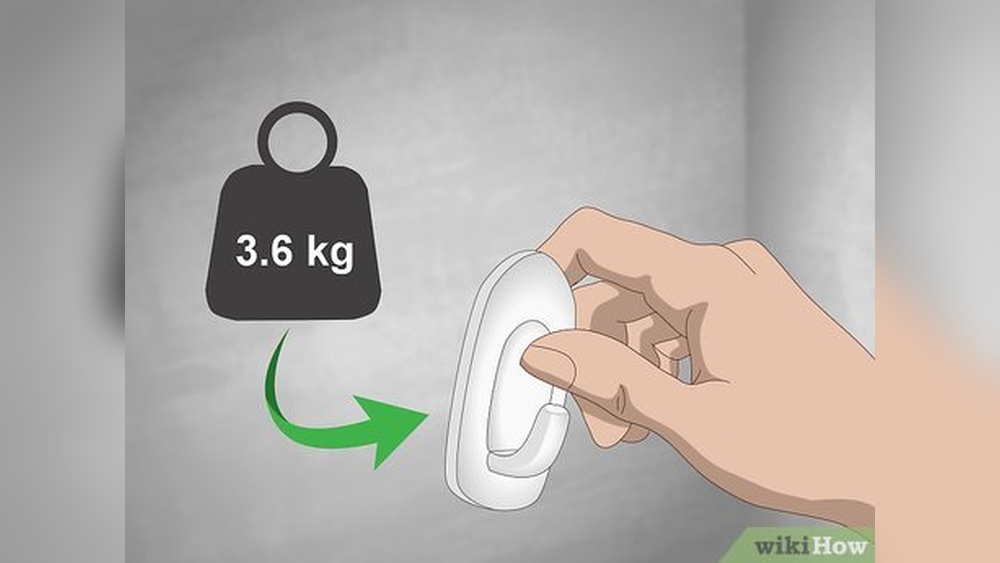
Hooks have weight limits. Putting too much weight on them causes them to pull out or break. Use hooks meant for the weight you want to hang. Overloading can damage the wall and make the hook unsafe.
Preparing The Wall
Maintaining hooks in a cement wall is important for safety and durability. Proper care helps prevent damage to the wall and keeps hooks strong. Regular maintenance saves time and money over the long term.
Regular Inspections
Check hooks often to spot any signs of wear or damage. Look for rust, cracks, or loose fittings. Inspect the wall around the hook for any cracks or crumbling. Early detection helps avoid accidents and costly repairs.
Replacing Worn Hooks
Replace hooks that show signs of weakness or damage. Using worn hooks can cause heavy items to fall. Choose hooks made for cement walls and follow installation steps carefully. Regular replacement keeps your wall secure and reliable.

Credit: www.amazon.com

Credit: www.amazon.com
Frequently Asked Questions
How Do You Choose The Right Hook For A Cement Wall?
Select hooks designed for masonry or concrete walls. Consider weight capacity and hook size. Use plastic anchors for extra support. Proper hook choice ensures secure mounting and prevents wall damage.
What Tools Are Needed To Install Hooks In Cement Walls?
You need a hammer drill, masonry bit, anchors, hooks, a hammer, and a screwdriver. Safety goggles and gloves protect you during installation. These tools make the process efficient and safe.
Can I Put Hooks Directly Into Cement Without Anchors?
No, hooks need anchors in cement walls. Anchors provide grip and hold the hook securely. Without anchors, hooks may loosen and damage the wall over time.
How Deep Should I Drill Holes For Cement Wall Hooks?
Drill holes slightly longer than the anchor length, usually 1. 5 to 2 inches. Proper depth ensures the anchor fits well and holds the hook firmly in place.
Conclusion
Putting hooks in a cement wall is simple with the right steps. Choose the correct hook and tools first. Mark the spot clearly and drill carefully. Insert anchors or plugs for a strong hold. Screw the hook tightly but gently.
Test the hook’s strength before hanging items. This method keeps hooks secure and walls safe. Practice makes the task easier and faster. Now, you can hang pictures, shelves, or decorations with confidence. Enjoy your neatly organized space!