Have you ever wondered how to connect a light switch to a light fixture yourself? It might seem tricky at first, but with the right steps, you can do it safely and confidently.
Imagine flipping a switch and instantly lighting up your room—all because you took control of your home’s wiring. This guide will walk you through the process in simple, clear terms, so you won’t feel overwhelmed or confused. By the end, you’ll know exactly what to do, saving time and money on electricians.
Ready to light up your space? Let’s get started!
Tools And Materials Needed
Connecting a light switch to a light fixture needs the right tools and materials. Having everything ready makes the task easier and safer. This section lists what you need before starting.
Essential Tools
A flathead screwdriver and a Phillips screwdriver are key for removing and securing screws. Wire strippers help remove the insulation from wires without damage. A voltage tester checks if wires have electricity before handling. Needle-nose pliers make bending and twisting wires simple. An electrical tape roll is handy to cover wire connections. A drill with bits may be required for mounting fixtures or switches.
Required Materials
Use a standard light switch rated for your electrical system. Electrical wires should be appropriate gauge and length for your setup. Wire nuts or connectors join wires safely. A light fixture or bulb holder completes the circuit. Install an electrical box to house the switch or fixture securely. Make sure to have screws and mounting brackets for all parts.

Credit: community.smartthings.com
Safety Precautions
Safety is the first step in any electrical work. Connecting a light switch to a light fixture involves electricity. Electricity can cause shocks or fires if handled wrong. Taking safety precautions protects you and your home.
Always prepare before starting. Know the risks and how to avoid them. Follow these safety tips to work safely and confidently.
Turn Off The Power
Switch off the circuit breaker for the area you will work on. Use a tester to confirm no electricity flows to wires. Never trust the switch alone to cut power. This step prevents electric shocks.
Use Proper Tools
Use tools with insulated handles to avoid shocks. Choose the right screwdriver and wire stripper for the job. Avoid using damaged or worn tools. Good tools make the job safer and easier.
Wear Protective Gear
Wear safety glasses to protect your eyes from sparks or debris. Use rubber-soled shoes to reduce shock risk. Avoid wearing metal jewelry or watches while working. These small steps increase your safety.
Check Wire Conditions
Inspect wires for damage before connecting. Do not use wires with cuts or frays. Replace old or worn wiring to avoid fire hazards. Safe wiring is key to a safe light connection.
Work In A Dry Area
Keep your work area dry and clean. Water and electricity are a dangerous mix. Avoid working in damp places or with wet hands. Dry conditions reduce the chance of shocks.
Identify Wiring Types
Identifying wiring types is the first step to safely connect a light switch to a light fixture. Different wires serve different purposes in your electrical system. Knowing which wire is which helps avoid mistakes and ensures a secure connection. This section explains common wiring types and how to recognize them.
Understanding Hot Wires
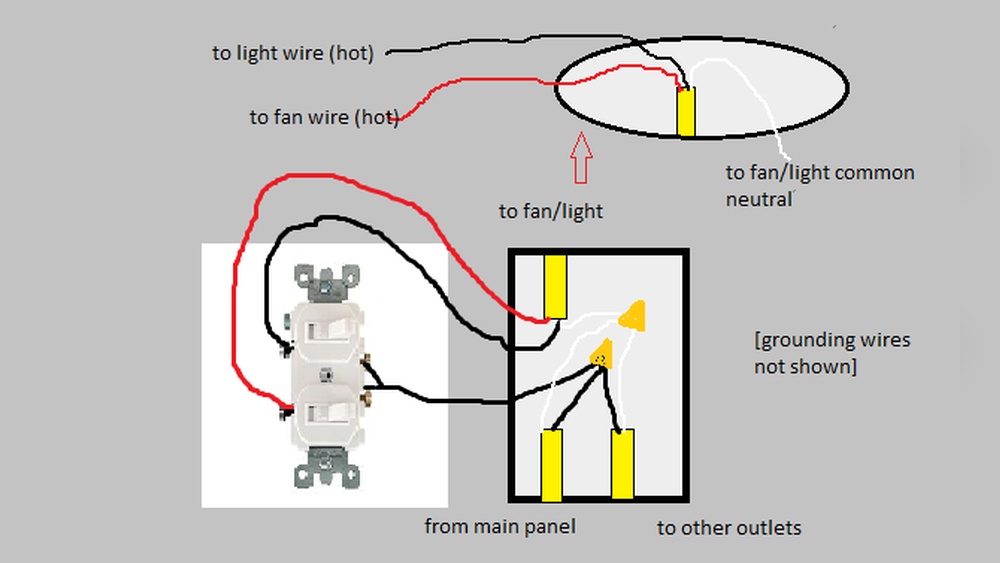
Hot wires carry electricity from the power source to the switch or fixture. They are usually black or red. Always treat hot wires with care because they have live current. Use a voltage tester to confirm if a wire is hot before touching it.
Recognizing Neutral Wires
Neutral wires carry electricity back to the electrical panel. They complete the circuit by returning current. Neutral wires are typically white or gray. They do not carry current when the switch is off but always handle them carefully.
Identifying Ground Wires
Ground wires protect you from electrical shocks. They provide a safe path for electricity during faults. Ground wires are either green or bare copper. Always connect ground wires to the metal box or grounding screw.
Credit: www.youtube.com
Turn Off Power Supply
Turning off the power supply is the first and most important step. It keeps you safe from electric shocks. Before starting any electrical work, always cut the power.
Working with electricity without switching off the power can cause serious injuries. It can also damage your electrical tools and devices. Safety comes first.
Locate The Circuit Breaker
Find the main circuit breaker box in your home. It is usually in the basement, garage, or utility room. The breaker box controls the electricity to different areas.
Switch Off The Correct Breaker
Identify the breaker that controls the light fixture or switch. Turn it off by flipping the switch to the “off” position. This stops the flow of electricity.
Double Check The Power
Use a voltage tester or multimeter on the light switch or fixture wires. Make sure no electricity is flowing. This confirms the power is truly off.
Inform Others In The House
Tell everyone in your home about the power cut. This prevents someone from turning the breaker back on accidentally. Keep the area safe for your work.
Remove Existing Fixtures And Switches
Removing old light fixtures and switches is the first step to installing new ones. This step clears the area and prepares the wiring for the new setup. Safety is very important during this process. Always turn off the power at the circuit breaker before starting work.
Take your time to avoid damaging wires or the wall. Use the right tools to make the job easier and safer. Clear instructions make the next steps smoother and more efficient.
Turn Off The Power
Locate your home’s circuit breaker box. Switch off the breaker that controls the light fixture and switch. Use a voltage tester to confirm there is no power. This step prevents electric shock during removal.
Remove The Light Fixture
Unscrew the fixture’s cover or glass shade carefully. Remove the screws holding the fixture to the ceiling or wall. Gently pull the fixture away to expose the wiring. Note how wires are connected before disconnecting them.
Disconnect The Switch
Unscrew the switch cover plate. Use a screwdriver to remove the switch from the electrical box. Carefully pull the switch out to access the wires. Disconnect the wires by loosening the screws or removing wire nuts.
Connect Wires To The Switch
Connecting wires to the light switch is a key step in wiring a light fixture. It controls the flow of electricity to turn the light on or off. Proper connection ensures safety and functionality. Follow clear steps to make secure wire connections.
Identify The Wires
Look for the black (hot), white (neutral), and green or bare (ground) wires. The black wire carries electricity to the switch. The white wire returns electricity to the panel. The ground wire protects from electrical shock.
Prepare The Wires
Strip about ¾ inch of insulation from each wire end. Use a wire stripper for clean removal. Avoid cutting the wire strands. Twisting the wire strands tightly helps secure a good connection.
Connect The Hot Wire To The Switch
Attach the black hot wire to the switch’s brass or black screw. Loop the wire clockwise around the screw. Tighten the screw firmly to hold the wire in place. A loose connection can cause sparks or failure.
Attach The Ground Wire
Connect the green or bare ground wire to the green screw on the switch. This step is vital for safety. If there is no ground screw, connect the wire to the metal switch box.
Cap Or Connect The Neutral Wires
Neutral wires usually do not connect to the switch. Twist the white wires together with a wire nut. Ensure no bare wire is exposed. This keeps the circuit complete and safe.
Wire The Light Fixture
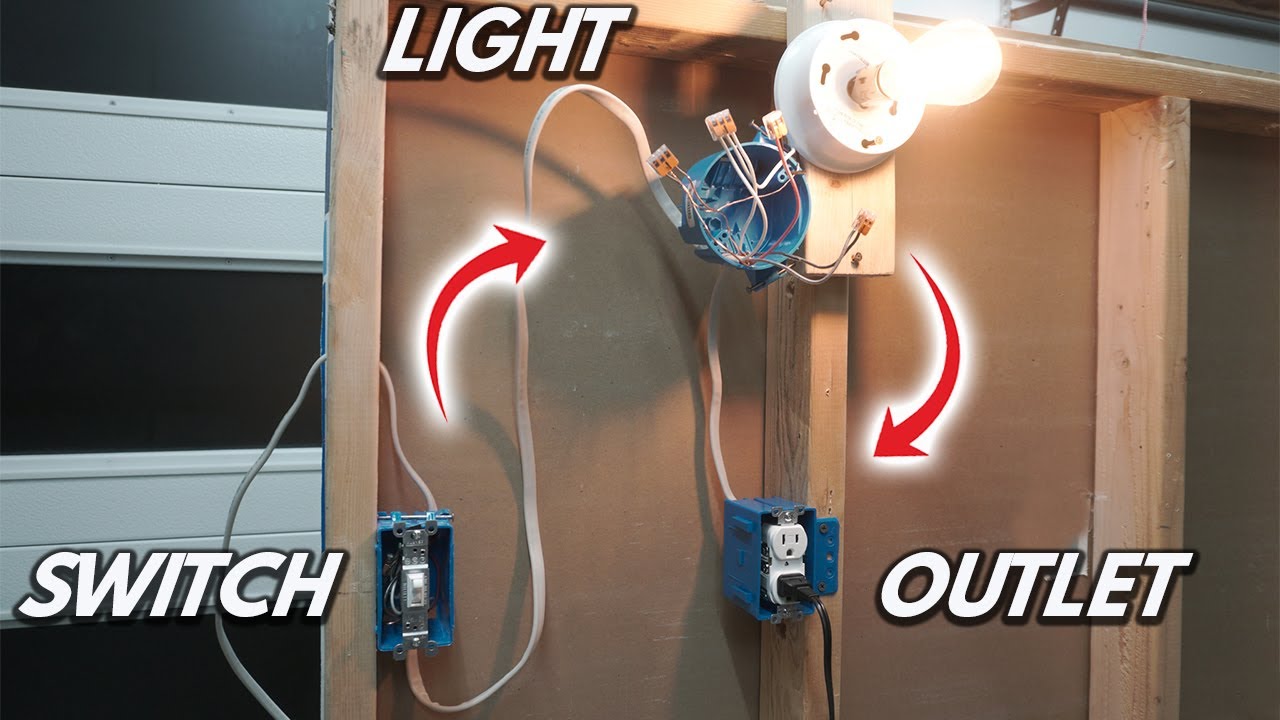
Connecting a light switch to a light fixture involves linking wires correctly. Start by turning off the power, then connect the black (hot) wire from the switch to the fixture. Finally, secure the white (neutral) and ground wires for safety.
Prepare The Wires
Start by turning off the power at the circuit breaker. Safety first. Remove the light fixture from its box carefully. Identify the wires: usually black (hot), white (neutral), and green or bare (ground). Strip about half an inch of insulation from each wire end to expose the copper. This helps make a solid connection.
Connect The Ground Wire
Locate the green or bare copper ground wire from the fixture. Attach it to the ground wire in the electrical box. Twist the wires together and secure with a wire nut. The ground wire prevents electrical shocks. Make sure it’s tight and secure.
Join The Neutral Wires
Find the white wire from the fixture. Connect it to the white wire in the electrical box. Twist them together and cap with a wire nut. Neutral wires carry the current back to the panel. Keep these connections firm to avoid flickering lights.
Attach The Hot Wires
Identify the black wire from the fixture and the black wire from the box. Twist these together and secure with a wire nut. Hot wires carry electricity to the fixture. Double-check all connections before moving on.
Secure The Fixture
Carefully tuck the wires into the electrical box. Mount the light fixture according to its instructions. Tighten screws to hold it firmly in place. Restore power to the circuit. Test the light switch to confirm the fixture works properly.
Secure Connections And Mount Fixtures
Secure connections and properly mounted fixtures are key to a safe light switch setup. Loose wires can cause short circuits or shocks. A firmly mounted fixture ensures the light stays in place without wobbling or falling.
Follow clear steps to connect wires tightly and fix the light fixture securely. This keeps the electrical system reliable and your home safe.
Strip And Twist Wires Correctly
Start by stripping about half an inch of insulation from each wire. Use wire strippers for a clean cut. Twist the exposed copper wires together clockwise. This tight twist helps the wires stay connected when you add the wire nut.
Use Wire Nuts For A Strong Hold
Place a wire nut over the twisted wires. Turn the nut clockwise until it feels tight. Tug lightly on each wire to check if it stays secure. Wire nuts protect wires and prevent sparks from loose connections.
Attach Ground Wire Safely
Connect the green or bare copper ground wire to the fixture’s grounding screw. Tighten the screw firmly. Grounding stops electric shocks by sending extra current into the earth. Never skip this step.
Secure The Fixture To The Electrical Box
Align the fixture’s mounting bracket with the electrical box holes. Use screws provided with the fixture. Tighten screws until the fixture does not move. A steady fixture looks neat and prevents damage over time.
Check Final Setup Before Power
Double-check all wire connections and mounting screws. Make sure no wires are exposed. Turn on the power and test the switch. The light should turn on and off smoothly without flickering.
Restore Power And Test
Restoring power and testing your new light switch connection is an important final step. It confirms the installation works and keeps you safe. Follow each step carefully to avoid any issues.
Restore Power At The Circuit Breaker
Go to your home’s circuit breaker panel. Find the breaker you switched off earlier. Flip it back to the ON position. This restores electricity to the switch and fixture.
Wait a few seconds for power to flow through the wires. This ensures the switch and light can operate properly. Stay clear of any exposed wires during this process.
Test The Light Switch
Return to the light switch you installed. Flip the switch up or down to test its function. The light fixture should turn on or off immediately.
If the light does not respond, double-check your wiring connections. Make sure all wires are secure and correctly matched. Test the switch again after any adjustments.
Check For Safety And Proper Operation
Observe the light fixture while the switch is on. Look for flickering or dim lighting. These signs may indicate wiring problems or a faulty bulb.
Ensure the switch feels stable and does not move loosely. A secure switch prevents accidental disconnections. Safety is key for long-term use.
Troubleshooting Common Issues
Troubleshooting common problems helps fix light switch and fixture connections fast. Simple checks often solve most issues. Knowing what to test saves time and avoids frustration. This guide covers frequent problems and easy fixes.
Check The Power Supply
Start by confirming the circuit breaker is on. A tripped breaker stops power to the switch and light. Use a voltage tester to check power at the switch box. No power means the breaker or wiring needs attention.
Inspect The Wiring Connections
Loose wires cause flickering or no light at all. Turn off power before touching wires. Ensure all connections are tight and match the wiring diagram. Look for damaged or corroded wires that need replacing.
Test The Light Bulb
Sometimes the bulb is the problem. Try a new bulb or test the old one in another socket. A burnt-out bulb will not light up, even if wiring is correct.
Check The Light Switch
The switch itself can fail. Use a tester to see if the switch turns power on and off. Replace the switch if it does not work properly. Faulty switches are common and easy to fix.
Look For Short Circuits
A short circuit trips breakers and stops power. Inspect wiring for exposed wires touching metal or each other. Fix any damaged insulation or wire contact. Safety first: always cut power before checking.

Credit: diy.stackexchange.com
Frequently Asked Questions
How Do I Wire A Light Switch To A Fixture Safely?
Turn off power at the breaker before starting. Connect the black (hot) wire from the power source to the switch. Connect the switch’s output wire to the fixture’s black wire. Connect all white (neutral) wires together. Secure grounding wires and use wire nuts.
What Tools Are Needed To Connect A Switch To A Light?
You need a voltage tester, wire stripper, screwdriver, wire nuts, and electrical tape. These tools help ensure safe and proper connections. Using the right tools prevents damage and electrical hazards during installation.
Can I Connect Multiple Light Fixtures To One Switch?
Yes, you can connect multiple fixtures to one switch. Run a wire from the switch to each fixture in parallel. Ensure the total wattage does not exceed the switch or circuit limits to avoid overheating.
How Do I Identify The Live Wire In My Switch Box?
Use a voltage tester to identify the live (hot) wire. The live wire carries current from the breaker. It’s usually black or red. Confirm with the tester before making any connections to ensure safety.
Conclusion
Connecting a light switch to a light fixture is simple with the right steps. Always turn off power before starting any work. Use the correct tools and follow wiring instructions carefully. Double-check all connections to avoid problems later. Taking your time makes the job safer and easier.
Now, you can control your light with confidence. Enjoy a well-lit space you installed yourself!