Are you struggling to hang heavy items securely on your walls? Knowing how to fit wall anchor bolts correctly can make all the difference between a stable fixture and a disaster waiting to happen.
Whether you’re mounting shelves, mirrors, or TV brackets, using the right technique ensures your walls hold strong and your belongings stay safe. In this guide, you’ll discover simple, step-by-step instructions that anyone can follow—no special tools or skills needed. Keep reading, and soon you’ll have the confidence to tackle your next project with ease and precision.
Credit: www.safeandvaultstore.com
Choosing The Right Wall Anchor Bolts
Choosing the right wall anchor bolts is important for a strong hold. Using the wrong anchor can cause damage or weak support. Understanding different types and matching them to your wall material ensures safety. This guide helps pick the best anchor bolts for your project.
Types Of Wall Anchor Bolts
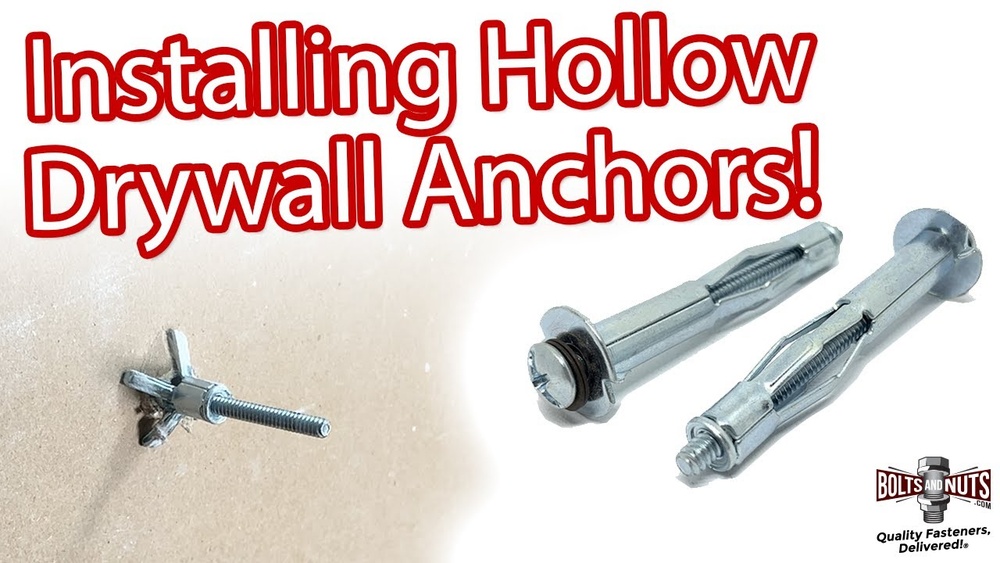
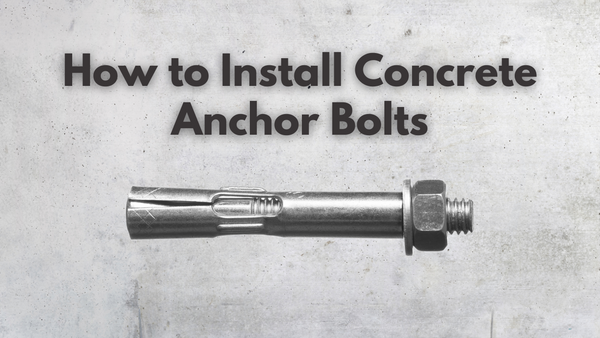
Wall anchor bolts come in various types. Expansion anchors spread inside the wall to hold tight. Sleeve anchors are good for solid walls like concrete. Toggle bolts work well for hollow walls, such as drywall. Each type fits specific needs and materials.
Matching Anchors To Wall Material
Different walls need different anchors. Drywall requires anchors that spread wide to grip. Concrete walls need anchors that expand inside the solid material. Brick walls work best with anchors that fit into the mortar or brick holes. Choosing the right match prevents damage and ensures strength.
Weight Capacity Considerations
Check the weight the anchor can hold before buying. Light items need smaller anchors. Heavy items need anchors with higher weight limits. Always pick anchors with a capacity above your item’s weight. This avoids accidents and keeps your wall safe.
Tools And Materials Needed
Fitting wall anchor bolts needs specific tools and materials. Using the right items makes the job safe and accurate. It helps to secure objects firmly to walls. Prepare well before starting the installation.
Essential Tools
Start with a drill suitable for your wall type. Use drill bits that match the anchor size. A hammer helps to tap anchors into place gently. A screwdriver or wrench tightens bolts securely. A tape measure ensures correct spacing and depth.
Safety Equipment
Protect your eyes with safety goggles. Wear gloves to avoid hand injuries. Use ear protection to reduce noise from drilling. A dust mask prevents inhaling wall dust. Dress in sturdy clothes to guard against debris.
Preparing The Work Area
Clear the area of furniture and obstacles. Cover floors with a drop cloth to catch dust. Mark the drill points clearly with a pencil. Check for wires or pipes behind walls. Ensure good lighting to see details clearly.
Preparing The Wall Surface
Preparing the wall surface is a key step to fit wall anchor bolts correctly. A clean and well-marked wall helps the bolts hold firmly. Proper preparation prevents damage and ensures safety. Follow these steps to prepare your wall for anchor bolts.
Locating Studs And Marking Points
First, find the studs behind the wall. Studs provide strong support for anchor bolts. Use a stud finder or tap the wall to hear solid spots. Mark these spots clearly with a pencil. Choose the best points where the bolts will hold tight.
Cleaning The Surface
Next, clean the wall surface around the marked points. Remove dust, dirt, and loose paint. Use a damp cloth or brush for cleaning. Dry the area well before drilling. A clean surface helps the anchor bolts stick better.
Measuring And Leveling
Measure the distance between marked points carefully. Use a tape measure for accuracy. Check the marks with a level tool to keep them straight. Correct leveling prevents uneven fitting and weak support. Accurate measuring makes the installation easier and safer.
Drilling The Anchor Holes
Drilling the anchor holes is a key step in fitting wall anchor bolts. Proper holes ensure the anchors hold tight and support the load. This step needs careful attention to size, depth, and angle. Poor drilling can cause weak fixing or wall damage.
Focus on the right drill bit size, drilling method, and common errors to avoid. These tips help create strong, secure anchor points for your bolts.
Choosing The Drill Bit Size
Select a drill bit that matches the anchor bolt diameter exactly. Too small and the anchor won’t fit. Too big and the anchor will be loose. Check the anchor package for the recommended drill bit size. Use a quality bit made for the wall material.
Proper Drilling Techniques
Hold the drill steady and straight to avoid angled holes. Start drilling slowly to keep control. Drill to the full depth of the anchor bolt. Clear dust from the hole with a brush or air blower. This helps the anchor grip better and sit flush.
Avoiding Common Mistakes
Do not force the drill or use too much speed. Avoid drilling too shallow or too deep. Do not reuse holes for new anchors. Avoid drilling near wall edges to prevent cracks. Always wear safety glasses to protect your eyes.
Installing The Wall Anchor Bolts
Ensuring wall anchor bolts stay strong over time requires careful attention. Proper care helps maintain safety and holds weight securely. Follow simple steps to keep your anchors reliable and durable.
Regular Inspections
Check wall anchor bolts regularly for signs of wear or damage. Look for rust, cracks, or movement around the bolt. Early detection of problems prevents bigger issues. Schedule inspections every few months, especially in damp areas.
Dealing With Loose Anchors
Loose anchors reduce support and can cause accidents. Tighten any bolts that feel loose using the right tools. If tightening does not fix the problem, remove and replace the anchor. Never ignore an anchor that moves or wiggles.
When To Replace Anchor Bolts
Replace anchor bolts if you see cracks, corrosion, or bending. Old anchors lose strength and may fail under pressure. Use new bolts designed for your wall type. Replacing on time ensures long-lasting and safe support.

Credit: gosforthhandyman.com

Credit: www.youtube.com
Frequently Asked Questions
What Tools Do I Need To Fit Wall Anchor Bolts?
You need a drill, drill bits, a hammer, a screwdriver, a pencil, and the correct wall anchors. These tools help you drill precise holes and securely fit the bolts.
How Do I Choose The Right Wall Anchor Bolt?
Select anchors based on wall material, weight load, and bolt size. Different anchors suit drywall, masonry, or concrete for safe and strong fixing.
Can I Fit Wall Anchor Bolts On Drywall?
Yes, use drywall-specific anchors like toggle or molly bolts. They provide strong grip and prevent damage when hanging heavy items.
What Is The Correct Drilling Depth For Wall Anchor Bolts?
Drill a hole slightly deeper than the anchor length. This ensures the anchor fits fully and holds the bolt securely.
Conclusion
Fitting wall anchor bolts is easier than it seems. Follow each step carefully for a strong hold. Choose the right anchor for your wall type. Drill the hole straight and clean before inserting the bolt. Tighten the bolt gently but firmly.
Check that your anchor holds well before hanging anything heavy. Good preparation ensures safety and durability. Small efforts bring big results. Keep these tips in mind for your next project. Simple steps can make a big difference.