Are you tired of flickering lights or switches that just don’t work right? Changing a light switch might seem tricky, but with the right guidance, you can do it yourself quickly and safely.
Imagine saving money on electrician fees and gaining confidence with simple home repairs. In this video guide, you’ll see exactly how to replace a light switch step-by-step. By the end, you’ll have the skills to fix your switch and brighten up your space with ease.
Keep reading to learn how to take control of your home lighting—it’s easier than you think!
Tools And Materials Needed
Before changing a light switch, gather the right tools and materials. This step saves time and keeps you safe. Having everything ready makes the process smooth and clear.
Each tool and material has a specific role. Using the right items ensures the switch works well after installation. Here are the essentials you will need.
Tools Required
A screwdriver is the most important tool. Choose a flathead and a Phillips head screwdriver. A voltage tester helps check if the power is off. Needle-nose pliers help in bending and holding wires. Wire strippers remove insulation without damaging wires. A flashlight is useful if the work area is dark.
Materials Needed
Buy a new light switch that matches your needs. Electrical tape keeps wires insulated and secure. Wire nuts connect wires safely. A wall plate covers the switch and adds a finished look. Use screws that fit your switch and wall plate.
Safety Equipment
Wear insulated gloves to protect against electric shocks. Safety glasses guard your eyes from dust and debris. Use a sturdy ladder or step stool to reach high switches safely. Make sure your workspace is dry to avoid accidents.
Credit: www.youtube.com
Safety Precautions
Safety is the first step before changing a light switch. Electricity can be dangerous. Taking proper precautions protects you from shocks and injuries.
Follow these safety tips carefully. They help you work safely and avoid accidents.
Turn Off The Power
Always switch off the power at the circuit breaker. Do not rely on the wall switch alone. Use a tester to confirm the power is off before touching wires.
Use The Right Tools
Use insulated tools designed for electrical work. Avoid metal tools without insulation. This lowers the risk of electric shock.
Wear Safety Gear
Wear rubber-soled shoes and safety glasses. Avoid wearing jewelry or loose clothing. These can cause accidents or get caught in wires.
Work In A Dry Area
Do not work in wet or damp conditions. Water increases the chance of electric shock. Keep your hands dry while working.
Understand The Wiring
Know the wiring setup before starting. Take pictures or notes to remember wire positions. This helps during reassembly and prevents mistakes.
Turning Off The Power
Turning off the power is the first step before changing a light switch. It keeps you safe from electric shock. Always treat electricity with respect.
Never start work without cutting the power. It prevents accidents and protects your tools. Safety must be your top priority.
Locate The Circuit Breaker
Find the main electrical panel in your home. Look for the circuit breaker box. Usually, it is in the basement, garage, or utility room.
Open the panel door carefully. Inside, you will see many switches. Each controls power to a part of your house.
Identify The Correct Breaker
Look for labels on the circuit breakers. They tell which breaker controls the light switch circuit. If labels are missing, test carefully.
Turn off one breaker at a time. Check if the light switch loses power. This helps find the right breaker.
Switch Off The Power
Flip the correct breaker to the OFF position. You should feel a click when it turns off. This stops electricity flow to the switch.
Double-check by toggling the light switch. It should not turn on. This confirms power is off and safe to work on.

Credit: www.amazon.com
Removing The Old Switch
Removing the old light switch is the first step in changing it safely. This part needs care and attention to avoid any accidents. Turn off the power at the breaker box to stop electricity flow. Use a voltage tester to check the switch wires for current. Only work if the wires are not live.
Gather Your Tools
Get a screwdriver, voltage tester, and flashlight ready. These tools help you remove the switch cover and see wires clearly. A small container for screws keeps them safe and easy to find.
Remove The Switch Cover Plate
Use the screwdriver to take out screws holding the cover. Gently pull the cover away from the wall. Keep the screws in your container for reinstallation later.
Unscrew The Old Switch
Locate screws holding the switch to the electrical box. Unscrew them carefully while holding the switch. Pull the switch out slowly to expose the wires.
Disconnect The Wires
Note the wire positions before removing them. Loosen the terminal screws or release wire clips. Take the wires off the switch one by one. Avoid letting wires touch each other or metal parts.
Identifying Wires
Identifying wires is an important step before changing a light switch. It helps to know which wire does what. This ensures safety and proper installation.
Wires inside a switch box usually have different colors. Each color has a specific job. Recognizing these colors makes the process easier and safer.
Understanding Wire Colors
Most homes use standard wire colors. Black or red wires carry electricity to the switch. These are called “hot” wires.
White wires usually return electricity to the power source. They are called “neutral” wires. Bare or green wires connect to the ground for safety.
Using A Voltage Tester
A voltage tester helps find the hot wire safely. Touch the tester to each wire. The hot wire makes the tester light up or beep.
Never touch wires with bare hands before testing. Turn off the power at the breaker box to stay safe.
Labeling Wires For Easy Installation
Label each wire after identifying it. Use tape or a marker for clear tags. This helps connect wires correctly to the new switch.
Correct labeling prevents mistakes and saves time. It also avoids electrical problems later on.
Wiring The New Switch
Wiring the new switch is an important step in changing a light switch. It connects the electrical wires to the switch. Correct wiring ensures the switch works safely and properly. Take your time and follow each step carefully.
Turn off the power at the breaker before touching any wires. Use a voltage tester to confirm no electricity flows. Safety first.
Identify The Wires
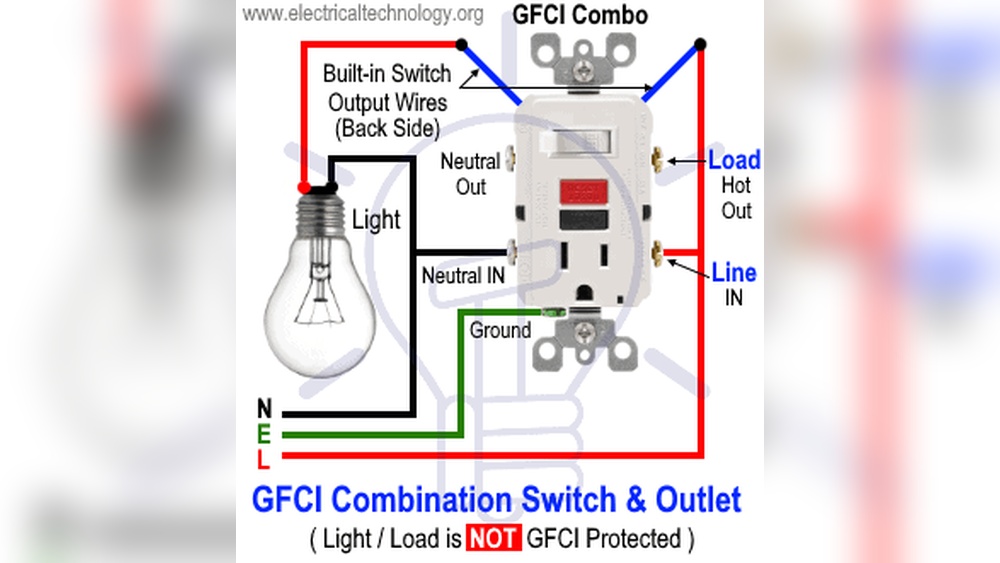
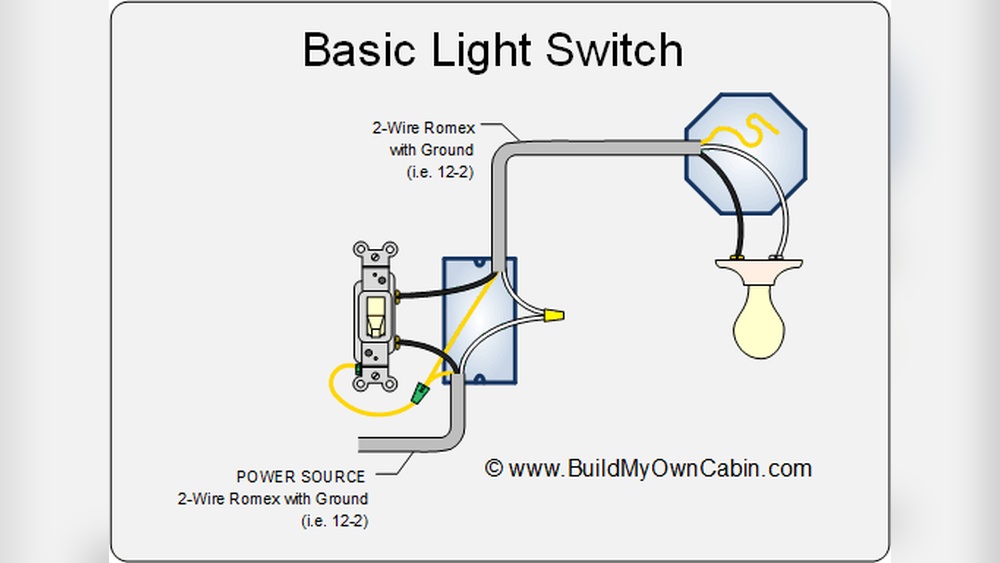
Look at the wires coming from the wall. Usually, there are three types: live (hot), neutral, and ground. The live wire carries electricity. The neutral wire completes the circuit. The ground wire protects you from shocks.
Connect The Live Wire
Attach the live wire to the switch’s brass or dark-colored screw. Wrap the wire clockwise around the screw. Tighten the screw firmly. A loose connection can cause problems.
Attach The Ground Wire
Find the green screw on the switch. Connect the ground wire to this screw. If the wire has a green or bare copper insulation, it is the ground wire. Secure it tightly.
Handle The Neutral Wire
Most switches do not need the neutral wire. It usually stays in the wall box, connected with other neutral wires. Leave it alone unless your switch instructions say otherwise.
Check Your Work
Double-check all wire connections. Make sure no wires touch each other. Carefully push wires back into the box. Screw the switch into place. Restore power and test the switch.
Securing The Switch
Securing the switch is a key step in changing a light switch. It keeps the switch steady and safe inside the wall. A loose switch can cause flickering lights or electrical problems.
Take your time to fix the switch properly. Use the right tools and follow simple steps for a secure fit. This helps the switch last longer and work well.
Check Switch Alignment
Make sure the switch fits evenly in the wall box. It should sit straight, not tilted. A well-aligned switch looks neat and works better. Adjust the position before tightening screws.
Tighten Mounting Screws
Use a screwdriver to tighten the screws that hold the switch. Tighten them firmly, but not too much. Over-tightening can break the switch or strip screws. Tight screws prevent the switch from moving.
Test The Switch Stability
After tightening, gently wiggle the switch. It should not move or feel loose. If it moves, check the screws again. A stable switch gives confidence that the job is done right.
Replace The Cover Plate
Put the cover plate back on the switch. Align it carefully and screw it in place. The cover protects the switch and hides wires. It also adds a clean, finished look.

Credit: www.amazon.com
Restoring Power And Testing
After replacing a light switch, restoring power and testing it are essential steps. These steps confirm the switch works correctly and safely. Follow each step carefully to avoid any hazards.
Restore Power At The Circuit Breaker
Find your home’s circuit breaker panel. Flip the switch back to the “on” position. This action restores electricity to the light switch. Check the switch area for any signs of sparks or burning smell. Stop immediately if you notice anything unusual.
Test The Light Switch Function
Press the switch up or down. The light should turn on or off smoothly. Test the switch several times to ensure consistent operation. If the light does not respond, turn off the breaker again and check your work.
Use A Voltage Tester For Safety
A voltage tester can check if power flows through the switch. Place the tester near the wires or terminals. It will show if electricity is present. This check confirms proper wiring and safety before final use.
Troubleshooting Common Issues
Troubleshooting common issues helps you fix problems fast after changing a light switch. Many people face simple mistakes that stop the switch from working. Knowing what to check saves time and avoids frustration.
Some issues come from wiring errors, loose connections, or a faulty switch. Others occur because the power is off or the breaker tripped. This section covers typical problems and easy ways to solve them.
Check The Power Supply
Confirm the power is on at the breaker box. Switch off the breaker before working on wires. Turn the breaker back on after installation. Use a voltage tester to verify power at the switch. No power means the switch won’t work.
Inspect The Wiring Connections
Loose wires cause switches to fail. Tighten all screws holding the wires. Make sure no copper wire is exposed outside the terminal. Check that wires connect to the correct terminals. Wrong wiring stops the switch from working properly.
Test The Switch Itself
Sometimes the new switch is defective. Use a continuity tester or multimeter to check the switch. A switch with no continuity when flipped is bad. Replace the switch if testing shows it is faulty.
Look For A Tripped Breaker Or Blown Fuse
A breaker may trip during installation. Reset the breaker and test the switch again. If the breaker trips again, check for wiring shorts. Replace blown fuses to restore power.
Verify The Light Fixture
The problem could be the light fixture, not the switch. Test the bulb in another socket. Check the fixture wiring for damage. Fix or replace the fixture if it causes the issue.
Frequently Asked Questions
How Do I Safely Turn Off Power Before Changing A Switch?
Always turn off the circuit breaker controlling the switch. Use a voltage tester to confirm no power is present before starting work.
What Tools Do I Need To Change A Light Switch?
You need a screwdriver, voltage tester, wire stripper, and electrical tape for a safe and efficient switch replacement.
How Do I Identify The Correct Wires On A Light Switch?
Typically, the black wire is live, white is neutral, and green or bare is ground. Confirm with a tester before handling.
Can I Replace A Light Switch Without Professional Help?
Yes, if you follow safety steps carefully and understand basic wiring. When unsure, consult a licensed electrician.
Conclusion
Changing a light switch can be simple with the right steps. Always turn off power before starting work. Take your time and follow safety rules carefully. Using a video guide helps you see each part clearly. Practice makes the task easier and less stressful.
Soon, you will feel confident handling basic home repairs. A small fix can save money and boost your skills. Keep learning and improving with every project you try. Simple tasks like this can make a big difference at home.