Are you worried about the security of your door but don’t have a deadbolt? You’re not alone, and the good news is that there are simple, effective ways to make your door much safer without one.
Whether you’re renting, on a budget, or just looking for extra protection, this guide will show you easy steps you can take right now. Keep reading to discover practical tips that will help you feel more secure and protect what matters most to you.
Your safety is worth it.
Assessing Door Security
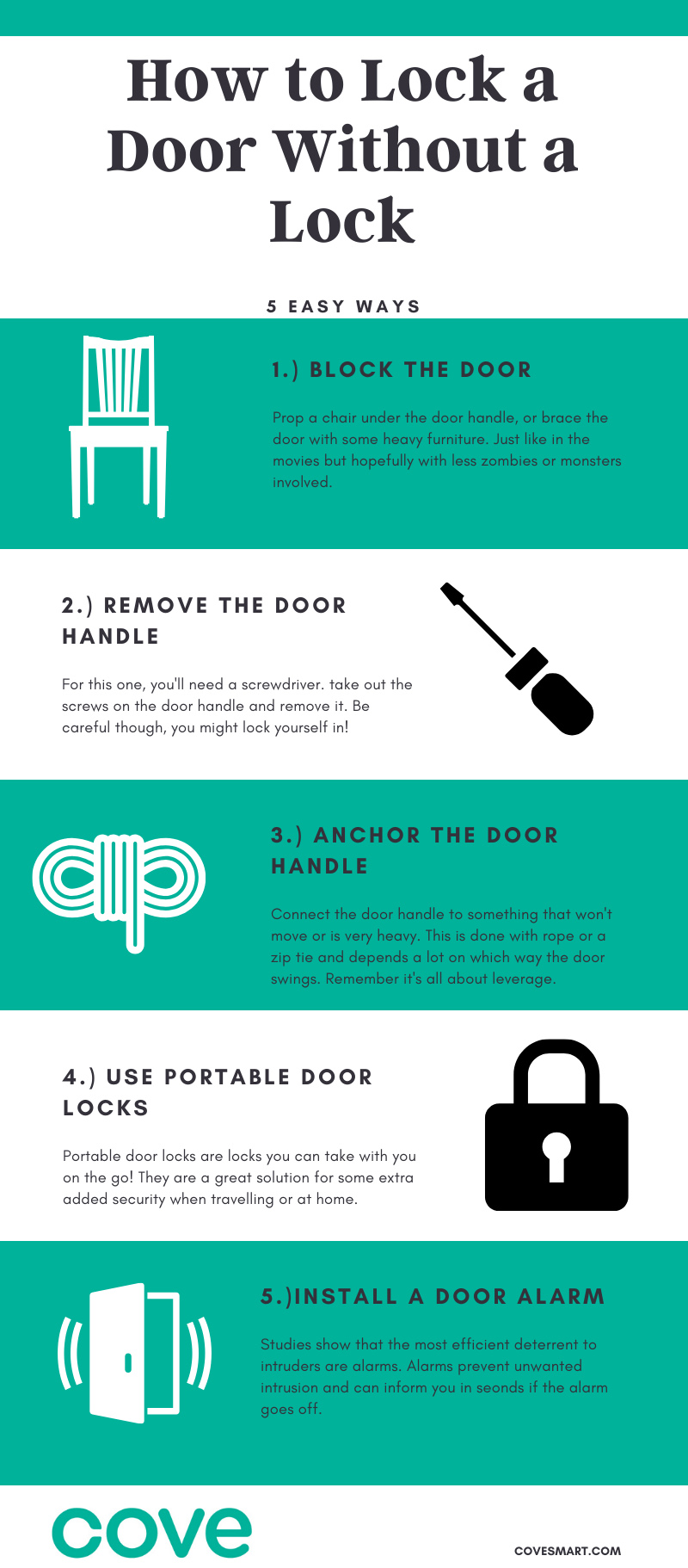
Securing a door without a deadbolt starts with understanding its current security level. Assessing the door helps find weak spots and decide the best way to protect it. This step is important for safety and peace of mind. Below are key points to check in your door’s security.
Identifying Vulnerable Points
Look closely at the door’s edges and locks. Check for gaps or cracks that might let someone force entry. Hinges outside can be removed easily. The area around the handle and lock may show wear or damage. These spots often need extra protection or repair.
Evaluating Door Material And Frame
Door strength depends on the material and frame quality. Solid wood or metal doors offer better security than hollow ones. The frame should be sturdy and fit tightly around the door. Weak or rotten frames reduce overall protection. Reinforcing the frame can prevent the door from being pushed open.
Alternative Locking Mechanisms
Securing a door without a deadbolt requires different strategies. Alternative locking mechanisms provide extra safety. These options help strengthen your door quickly and affordably. They offer simple solutions to improve home security.
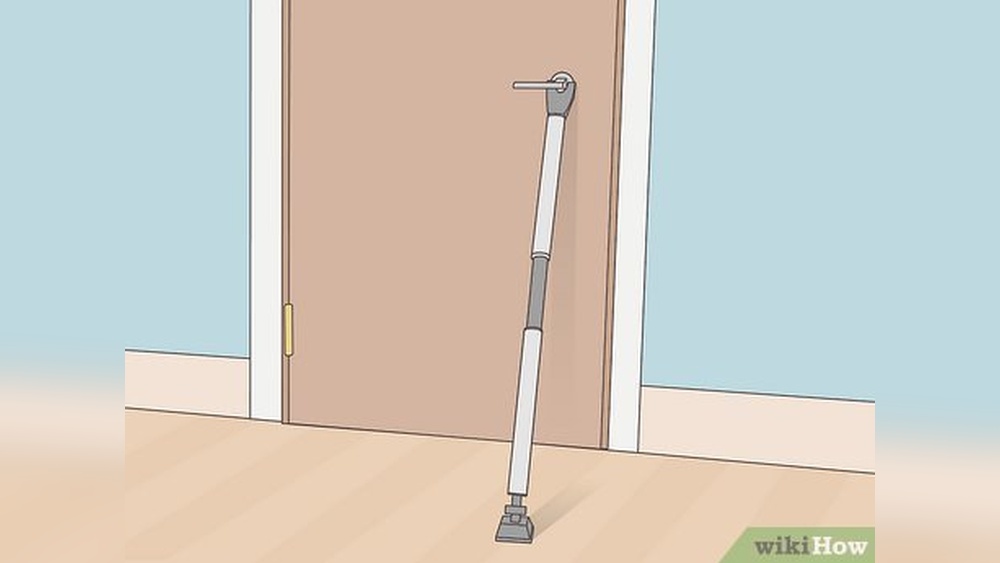
Using Door Barriers And Security Bars
Door barriers and security bars block forced entry. They fit under the door handle or across the door. These bars stop the door from opening outward. They are easy to install and remove. Steel or heavy-duty materials work best for strength. Security bars add a visible deterrent to burglars. They keep your door firmly closed during nighttime or travel.
Installing Chain Locks And Slide Bolts
Chain locks allow partial door opening for safe communication. They are small and affordable security tools. Slide bolts secure the door from the inside. They lock the door by sliding a metal bolt into a frame. Both options add layers to your door’s security. Install them at a comfortable height for easy use. Use strong screws to fix locks firmly.
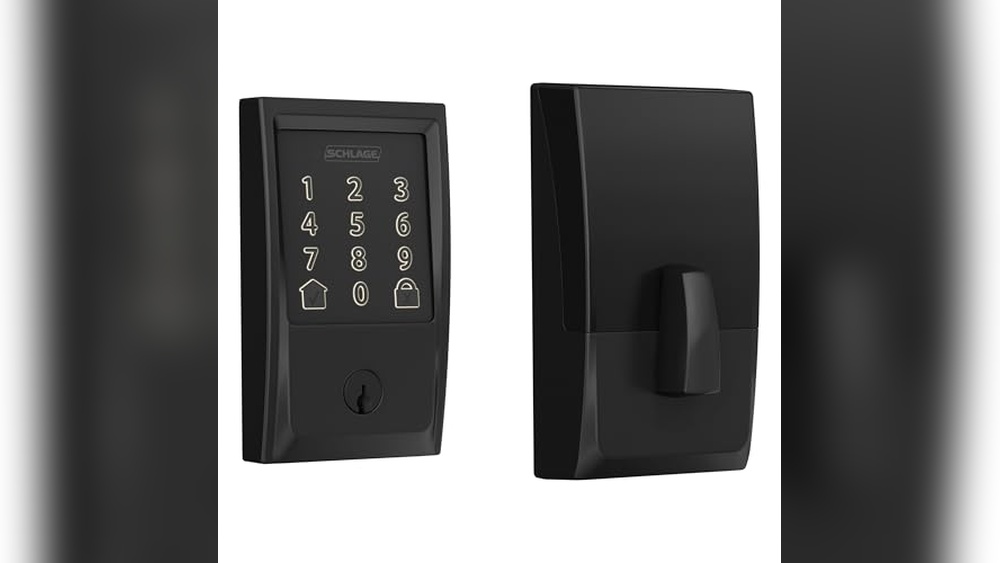
Leveraging Smart Locks And Keyless Options
Smart locks offer keyless entry with digital codes or apps. They eliminate the need for physical keys. These locks allow remote locking and unlocking. Some models include alarms and auto-lock features. Smart locks improve convenience and safety simultaneously. Make sure to choose models compatible with your door type. Regularly update passwords to keep security tight.
Reinforcing Door And Frame
Reinforcing the door and frame adds strong protection without a deadbolt. It stops forced entry by making the door harder to break. Simple changes can make a big difference in security. Use strong materials and smart fixes to keep your home safe.
Adding Strike Plate Reinforcements
The strike plate holds the latch in place on the door frame. A weak strike plate can fail under pressure. Replace it with a heavy-duty metal plate. Use long screws to attach it deep into the wall stud. This holds the door firmly and resists kicking or prying.
Strengthening Hinges And Screws
Door hinges are often a weak point in security. Replace short screws with longer ones that reach the wall frame. This stops the door from being pulled off its hinges. Check hinges regularly for rust or looseness. Tighten or replace them as needed to keep the door secure.
Applying Door Armor Kits
Door armor kits add metal plates to vulnerable areas. They cover the latch, hinges, and frame edges. These kits are easy to install and increase door strength. Use them to protect against forced entry and break-ins. This simple upgrade boosts security without a deadbolt.
Credit: freedomforallamericans.org
Diy Security Enhancements
Securing a door without a deadbolt is possible with simple DIY methods. You can add layers of protection using easy tools and smart ideas. These solutions help keep your home safer without complex installations or high costs.
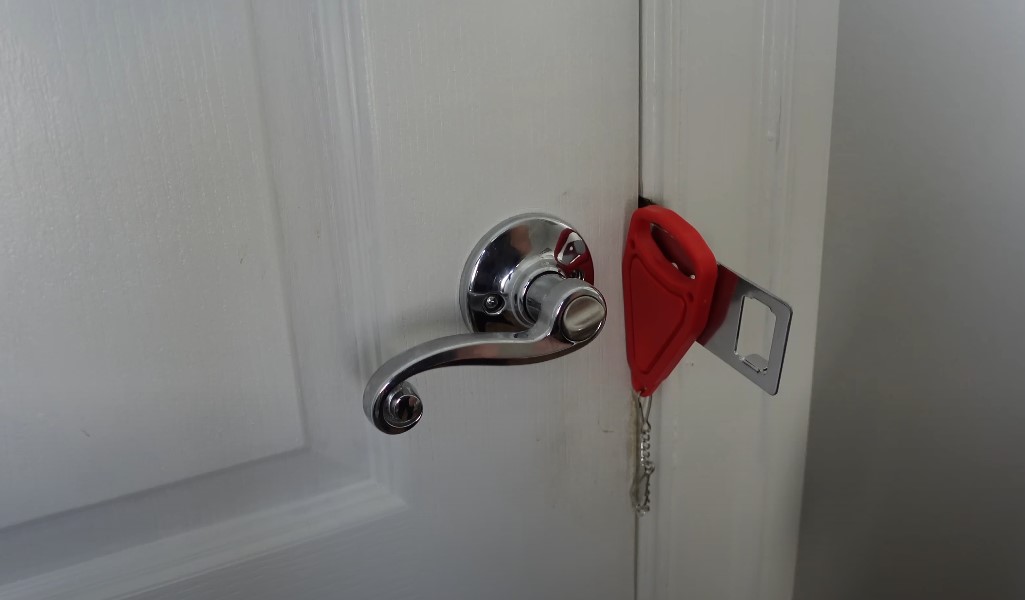
Using Temporary Door Locks
Temporary door locks offer extra security when needed. They are easy to install and remove. Many types fit different door styles. These locks block the door from opening fully. They work well for renters or travelers. You can carry them anywhere for quick protection.
Employing Portable Door Alarms
Portable door alarms alert you if someone tries to enter. They are battery-operated and simple to attach. The loud sound scares off intruders and warns you. These alarms do not require wiring or tools. They are affordable and effective for added safety.
Installing Peepholes And Security Cameras
Peepholes let you see who is outside before opening. They are small, easy to put in any door. Security cameras provide real-time video of your entrance. Many cameras connect to your phone for remote viewing. Both tools improve your awareness and control over access.
Preventive Measures
Securing a door without a deadbolt needs smart preventive measures. These actions reduce the risk of break-ins and keep your home safe. Small efforts can make a big difference in home security.
Securing Windows Near Doors
Windows close to doors are common weak spots. Lock them firmly and consider installing security film. This film makes glass harder to break. Use window sensors or alarms for extra safety. Keep curtains or blinds closed at night. This stops outsiders from seeing inside.
Maintaining Outdoor Lighting
Bright outdoor lights scare off intruders. Place lights near doors and walkways. Use motion-sensor lights for sudden movement detection. Check bulbs regularly to ensure they work. Good lighting helps neighbors notice unusual activity. It also makes your home less attractive to thieves.
Creating Visible Deterrents
Visible deterrents warn intruders to stay away. Signs like “Beware of Dog” or security system stickers work well. Place fake cameras or alarm boxes near entrances. Keep the yard tidy to avoid hiding spots. These simple steps make your home look protected and less inviting to criminals.
Credit: stovare.se
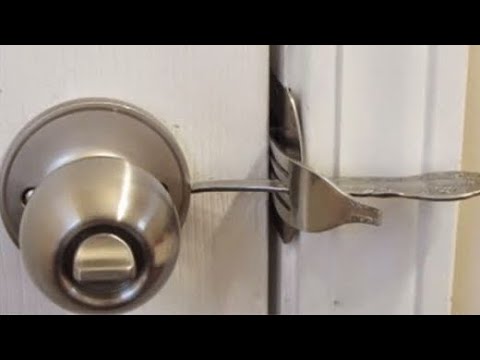
Credit: www.youtube.com
Frequently Asked Questions
How Can I Secure A Door Without A Deadbolt?
You can use door security bars, reinforced strike plates, or smart locks. Adding a door jammer or security chain also boosts safety. These options enhance door strength without needing a deadbolt.
Are Security Bars Effective Without A Deadbolt?
Yes, security bars block forced entry by reinforcing the door. They distribute force across the door frame. Bars are a strong alternative when deadbolts are not available.
Can Smart Locks Replace A Deadbolt For Security?
Smart locks provide keyless entry and strong encryption. They offer convenience and can alert you of unauthorized access. While not a direct replacement, they improve door security effectively.
What Is The Best Way To Reinforce Door Frames?
Install metal strike plates with long screws into the frame. Reinforce weak spots with door jamb armor kits. Strong frames resist forced entry and enhance overall door security.
Conclusion
Securing a door without a deadbolt is possible and practical. Use strong locks, door jammers, or security bars to add protection. Reinforce the door frame and hinges for extra safety. Simple steps can keep your home safer every day. Stay aware and check your door’s security often.
Small changes create big differences in home safety. Your door can be secure without complex tools. Keep your space safe with smart, easy methods.