Have you ever walked into a dark room, fumbled around, and struggled to find the light switch? It can be frustrating and even a little stressful, especially when you need light fast.
But what if you could learn simple tricks to spot the light switch quickly every time? You’ll discover easy tips and clever methods to locate light switches in any room without wasting a second. Keep reading, and you’ll never have to stumble in the dark again.

Credit: www.reddit.com
Common Light Switch Locations
Finding a light switch quickly saves time and frustration. Many homes and buildings place switches in common spots. These spots make it easy to turn lights on or off. Knowing these places helps you locate switches fast.
Near Doorways
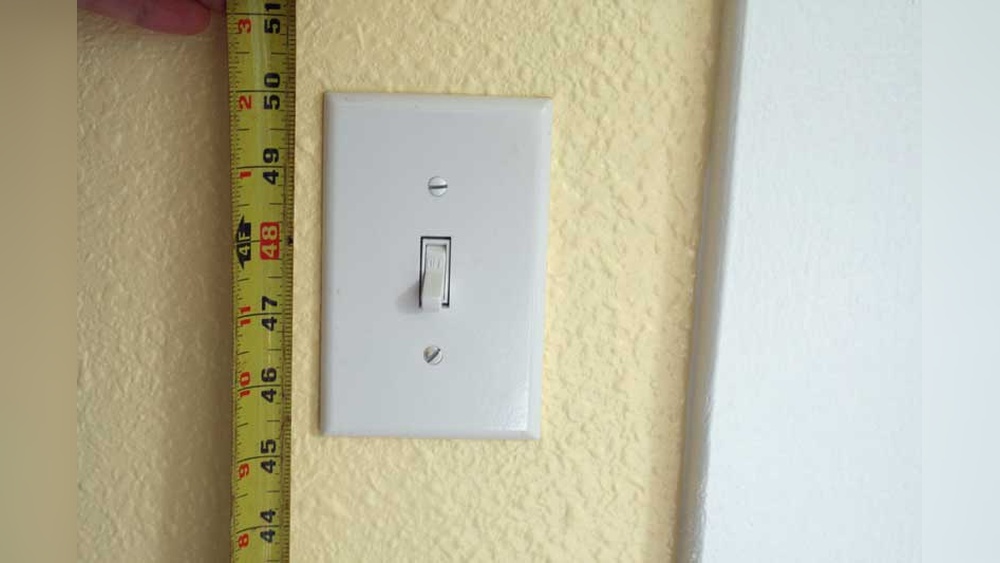
Light switches often sit near doorways. This location allows you to turn lights on when entering. Usually, switches are about five feet from the floor. They stand next to the door frame on the wall.
This spot is common in rooms, kitchens, and bathrooms. It helps you see the room right after opening the door. The switch is easy to find without searching.
By Bedside
Many bedrooms have light switches near the bed. This lets you control lights without getting up. Some homes use wall switches, others use lamps with switches.
This location is handy for reading or going to sleep. The switch sits on the wall beside the bed or on a nightstand. It keeps lights close and easy to reach.
In Hallways
Hallways often have switches at each end. This setup allows light control from either side. Switches usually mount near the hallway entrances.
They help light the path between rooms or floors. This makes walking safer and easier at night. The switches stay in plain sight for quick use.

Credit: www.youtube.com
Identify Switch Types
Identifying the type of light switch helps you find and use it quickly. Different switches look and work differently. Knowing their shapes and functions makes your search easier and faster.
Toggle Switches
Toggle switches are the most common type. They have a small lever that flips up or down. You push it up to turn the light on. Push it down to turn it off. These switches are easy to spot on walls.
Rocker Switches
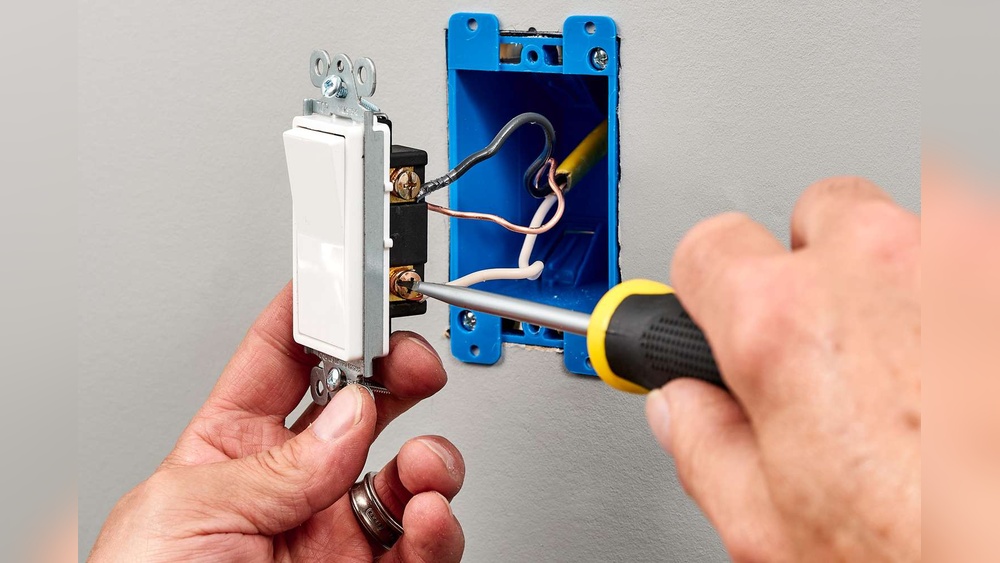
Rocker switches are flat and wide. They rock back and forth instead of flipping. Press the top part to turn the light on. Press the bottom to turn it off. These switches blend well with modern decor.
Dimmer Switches
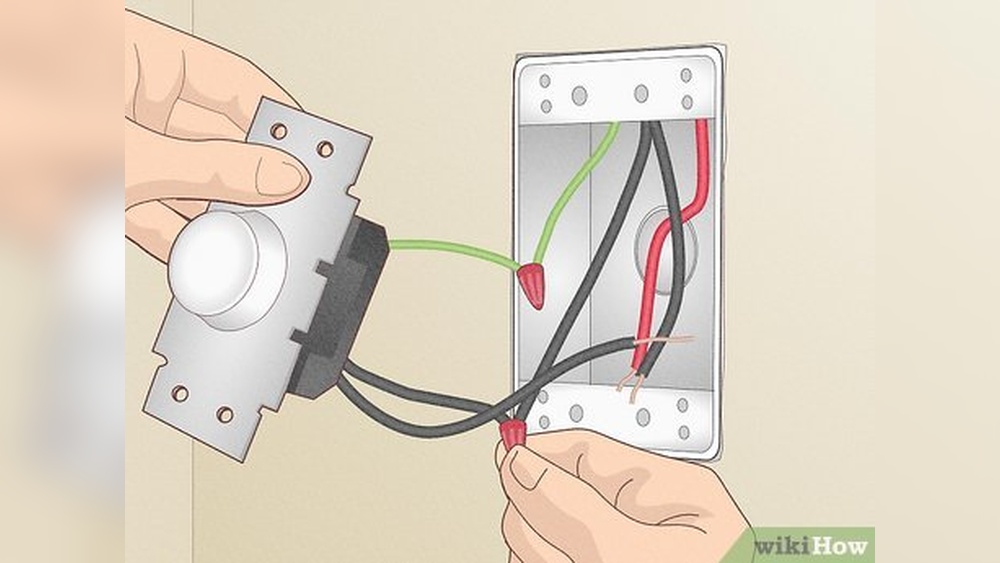
Dimmer switches control light brightness. They often have a sliding knob or a rotating dial. Slide or turn to adjust the light level. Some dimmers also have buttons for on and off. These switches add comfort by changing light intensity.
Use Visual And Tactile Clues
Finding a light switch can be easy by using your eyes and hands. Visual and tactile clues help you spot switches quickly. These clues guide you to the right spot on the wall.
Look For Wall Plates
Wall plates usually surround light switches. They are flat and often white or beige. The color can blend with the wall, but their shape stands out. Look for rectangular or square plates near doors. These plates often hide the switch inside.
Feel For Switch Texture
Light switches have a different texture than the wall. Use your fingers to find a small, raised surface. Switches may feel smooth or have a slight ridge. The texture is easy to notice in low light or dark rooms. This touch method helps when you cannot see well.
Check For Labels
Some switches have labels near or on the plate. Labels show the light or device the switch controls. They may be printed or handwritten. Look closely for small text or symbols. Labels can save time and make it clear which switch to use.
Use Technology To Help
Technology makes finding light switches easier in dark or unfamiliar places. It offers tools that guide you quickly and safely. These tools fit well in smart homes and regular spaces alike.
Smart Home Apps
Many homes have smart lighting controlled by apps. These apps show you which lights are on or off. You can turn lights on or off with a tap. This helps find switches without moving in the dark.
Some apps map out your home’s rooms and lights. They give clear labels for each switch. You see exactly where to press, saving time and effort.
Flashlight Assistance
A flashlight app on your phone can guide your hand. Shine light on walls to spot switches quickly. The bright beam helps you see switch shapes and colors clearly.
Use the flashlight to scan along the wall edges. Switches often sit near door frames or furniture. This makes finding them less frustrating in dark rooms.
Voice Commands
Voice assistants like Alexa or Google help control lights by speaking. Say “turn on the living room light” to avoid searching. This works well if your home uses smart bulbs or plugs.
Voice commands reduce the need to move in the dark. They provide hands-free control, making life easier for many people.
Ask For Help
Sometimes, finding a light switch can be tricky. Instead of guessing or searching aimlessly, asking for help saves time. People around you often know the layout better. They can point you directly to the switch. It makes your task easier and faster.
Family Members
Family members know the house well. They live there daily and use the lights often. Asking them is the quickest way to find the switch. They can also share tips on where switches usually hide. This knowledge helps you in the future.
Roommates
Roommates share the space with you. They understand the room setup and where switches might be. You can ask them for help politely. Most roommates will gladly guide you. It builds good communication and saves effort.
Hosts
Hosts want guests to feel comfortable. They know every corner of their home. Asking the host for the light switch is normal and expected. They will show you the switch easily. This also starts a friendly conversation.
Prevent Future Confusion
Preventing confusion about light switches saves time and reduces frustration. Clear steps can help you find switches easily in your home. Simple methods make everyday tasks smoother and safer.
Organizing and marking switches now avoids guessing later. This section shares three easy ways to keep your switches clear and easy to use.
Label Switches
Label each switch with a small tag or sticker. Use simple words like “Living Room” or “Kitchen.” This helps you know which switch controls what. Labels stay clear even in the dark. Change labels if you rearrange your home.
Install Night Lights
Night lights near switches guide your hand in the dark. They make switches visible without turning on a big light. Choose soft, warm lights that do not glare. Night lights help avoid fumbling or accidents at night.
Create A Map
Draw a simple map showing where each switch is. Include the room and the switch’s function. Keep the map near your front door or on the fridge. This map acts as a quick guide for all household members.

Credit: www.designboom.com
Frequently Asked Questions
Where Is The Light Switch Usually Located In A Room?
Light switches are typically near room entrances, about 48 inches from the floor. Check walls beside doors or entryways for easy access.
How Can I Find A Hidden Or Unusual Light Switch?
Look for dimples or small plates on walls. Use a flashlight to spot switch outlines or unusual wall textures.
What Should I Do If The Light Switch Doesn’t Work?
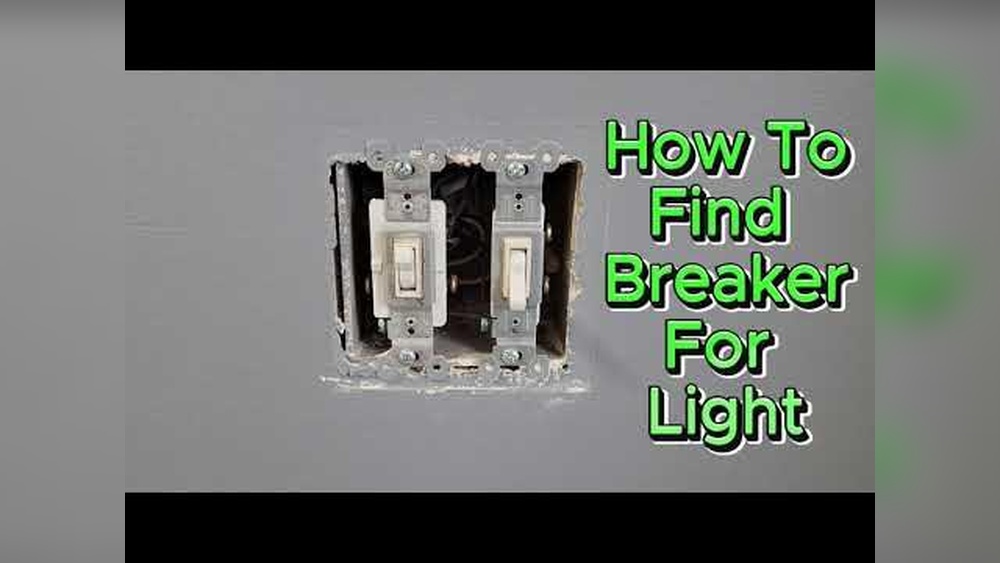
Check the circuit breaker first. If power is on, test the bulb or call an electrician for safety and repair.
Can Smart Home Devices Replace Traditional Light Switches?
Yes, smart switches allow remote control via apps. They offer convenience and energy savings but require Wi-Fi and installation.
Conclusion
Finding a light switch does not have to be hard. Most switches sit near doorways or entrances. Check walls at about waist or chest height. Sometimes switches hide behind furniture or decorations. Using a flashlight can help in dark rooms.
Remember, switches often control the main lights in a space. Keep these tips in mind for quick results. Now, turning lights on or off is easy. Simple steps make your search faster every time. Light up your space with confidence and ease.