Are you struggling to hang heavy items on your walls without worrying about nails or screws pulling out? Installing wall anchors with a screwdriver is the simple solution you need.
Once you learn this easy skill, you’ll be able to secure shelves, pictures, and mirrors safely and confidently. In this guide, you’ll discover step-by-step instructions that anyone can follow—even if you’ve never done it before. Keep reading, and you’ll find out exactly how to make your walls strong enough to hold what matters most to you.
Choosing The Right Wall Anchors
Choosing the right wall anchors is key for a secure hold. Different anchors fit different walls and weights. Picking the wrong type can cause your item to fall. This guide helps you select the best anchors for your project.
Types Of Wall Anchors
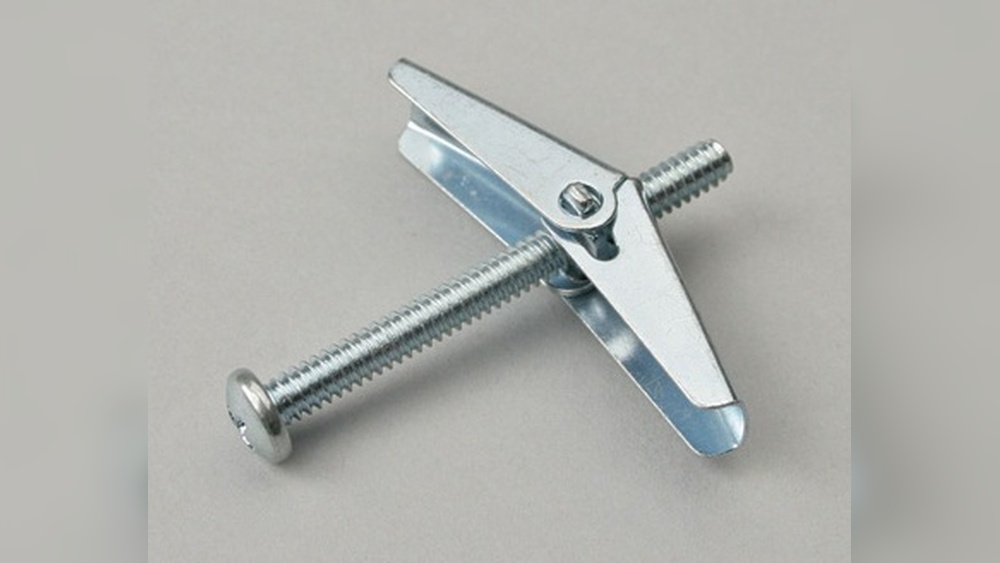
Plastic anchors are common and good for light loads. They expand in drywall to hold screws firmly. Metal anchors are stronger and fit heavier objects. Toggle bolts open inside the wall for extra support. Each type works best in specific situations.
Matching Anchors To Wall Material
Drywall needs plastic or toggle anchors for a strong grip. Concrete or brick walls require heavy-duty metal anchors. Hollow walls call for anchors that spread inside the space. Know your wall type before choosing anchors. This step ensures a safe and lasting hold.
Weight Capacity Considerations
Check the anchor’s weight limit before buying. Light anchors hold small pictures or decorations. Heavy anchors support shelves or large mirrors. Overloading anchors risks damage to walls and items. Choose anchors that fit the weight you plan to hang.

Credit: www.bobvila.com
Tools And Materials Needed
Installing wall anchors with a screwdriver requires the right tools and materials. Using proper equipment makes the job easier and safer. It also ensures the anchors hold firmly in place. Prepare all items before starting the task. This saves time and avoids interruptions.
Essential Tools
You need a few basic tools to install wall anchors. A screwdriver is the main tool. A drill might be helpful to make pilot holes. A measuring tape helps place anchors accurately. A pencil marks the spots on the wall. A level keeps your installation straight and even. These tools help complete the job smoothly.
Safety Gear
Safety is important during installation. Wear safety goggles to protect your eyes from dust. Use gloves to avoid scrapes and blisters. A dust mask prevents inhaling particles. Proper clothing covers your skin from debris. Safety gear keeps you safe and comfortable while working.
Selecting The Right Screwdriver
Choose a screwdriver that fits the screw head perfectly. Phillips and flathead screwdrivers are common types. Using the correct size prevents slipping and damage. A screwdriver with a comfortable grip reduces hand strain. Select a manual screwdriver for better control. The right screwdriver makes installation easier and cleaner.
Preparing The Wall
Preparing the wall is the first step to install wall anchors with a screwdriver. This step ensures the anchors hold firmly and the screws stay secure. Proper preparation saves time and avoids damage to the wall.
Locating The Spot
Choose the exact spot where you want to place the anchor. Pick a place that can support the item’s weight. Avoid weak or damaged areas on the wall. Use a level to keep your spot straight and even.
Marking The Drill Point
Mark the drill point with a pencil. A clear mark helps guide your drill or screwdriver. Keep the mark small but visible. Check the mark twice to avoid mistakes.
Checking For Obstacles
Check behind the wall for pipes, wires, or studs. Use a stud finder or knock gently to find studs. Avoid drilling into electrical wires or plumbing. Safety is crucial when working on walls.
Credit: www.bobvila.com
Installing The Wall Anchors
Installing wall anchors is a key step for hanging items securely. This process strengthens the hold in drywall or plaster. It prevents screws from pulling out or damaging the wall. The following steps explain how to install wall anchors using a screwdriver.
Drilling The Pilot Hole
Start by marking the spot where the anchor goes. Use a drill bit the same size as the anchor. Drill a hole straight into the wall. Keep the hole shallow, just deep enough for the anchor. Clean out dust from the hole for a better fit.
Inserting The Anchor
Push the wall anchor into the pilot hole. Tap gently with a hammer if needed. The anchor should sit flush with the wall surface. Avoid forcing it too hard to prevent damage. Check that the anchor is secure and stable.
Securing With A Screwdriver
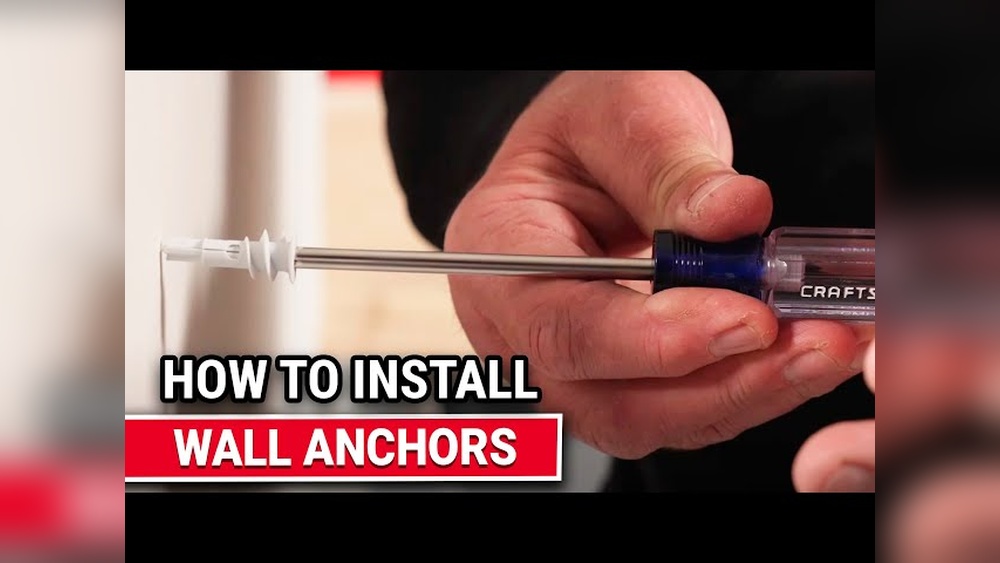
Place the screw into the anchor. Use a screwdriver to turn the screw clockwise. Tighten until the screw is snug but not too tight. This secures the anchor inside the wall. The screw now holds firmly for your item.
Tips For Secure Installation
Installing wall anchors correctly is key to holding heavy items safely. Small mistakes can cause damage or weak support. Follow these simple tips for secure installation.
Avoiding Wall Damage
Choose the right anchor size for your wall type. Drill a small pilot hole first. This prevents cracks and breaks in the wall. Use gentle pressure with the screwdriver to avoid stripping the anchor.
Ensuring Anchor Stability
Push the anchor flush against the wall surface. Turn the screw slowly to expand the anchor inside the wall. Stop tightening as soon as the anchor feels firm. Over-tightening can weaken the hold.
Testing The Anchor Strength
After installation, gently tug the screw to check the grip. If it moves, remove and reinstall the anchor. Test with light weight before hanging heavy objects. This ensures the anchor holds securely.

Credit: www.youtube.com
Common Mistakes To Avoid
Installing wall anchors with a screwdriver is simple, but mistakes can cause problems. Avoiding common errors saves time and prevents damage. Follow these tips to ensure a secure hold and smooth installation.
Using Incorrect Anchors
Choosing the wrong anchor weakens the hold. Use anchors made for your wall type. Plastic anchors work for drywall but fail on concrete. Metal anchors fit better in harder surfaces. Match anchors to weight and wall material for safety.
Overtightening Screws
Tightening screws too much can strip anchors or damage walls. Stop turning once the screw feels snug. Over-tightening causes anchors to lose grip. A firm but gentle approach keeps everything secure and intact.
Ignoring Wall Type
Different walls need different anchors. Drywall, plaster, brick, and concrete all react differently. Using the wrong anchor type leads to failure. Identify your wall type first. Choose anchors that fit the surface for strong support.
Frequently Asked Questions
What Tools Are Needed To Install Wall Anchors?
You need a screwdriver, drill, wall anchors, and screws. A drill helps make pilot holes. Screwdrivers drive screws into anchors securely. These basic tools ensure proper wall anchor installation.
How Do I Choose The Right Wall Anchor?
Select anchors based on wall type and weight load. Plastic anchors suit light loads and drywall. Metal anchors handle heavier items and thicker walls. Match anchor size to screw size for a secure fit.
Can I Install Wall Anchors Without A Drill?
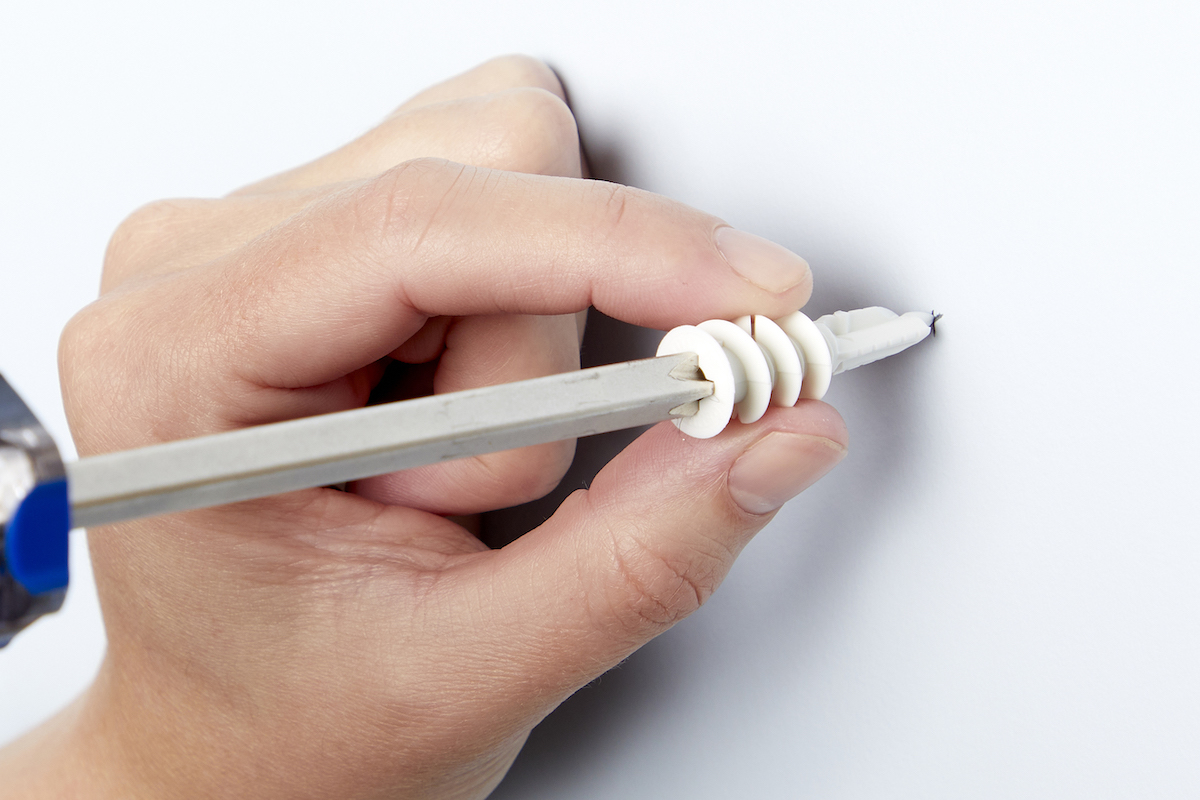
Yes, you can use a screwdriver if the wall is soft. Gently twist the anchor into the drywall first. Then insert the screw with a screwdriver. This method works for light loads and soft walls.
How Deep Should I Drill For Wall Anchors?
Drill a hole slightly smaller than the anchor length. This ensures a tight fit for the anchor. Avoid making the hole too large or too shallow. Correct depth improves anchor stability and holding power.
Conclusion
Installing wall anchors with a screwdriver is simple and effective. Start by choosing the right anchor for your wall type. Use a screwdriver to create a steady, clean hole. Gently push the anchor in until it sits flush with the wall.
Then, insert the screw and tighten it carefully. This method ensures a strong hold for your items. With practice, the process becomes quick and easy. Now, you can hang shelves, pictures, or hooks with confidence. Give it a try and see the difference yourself.