Are you planning to update your laundry area and wondering how to rehook your washer into the wall? Connecting your washer properly is key to avoiding leaks, saving space, and making your laundry routine smoother.
But if you’re unsure where to start or worried about making mistakes, don’t worry—you’re in the right place. This guide will walk you through easy steps to safely and efficiently rehook your washer to the wall. By the end, you’ll feel confident handling the job yourself and keeping your laundry area neat and functional.
Keep reading to learn the simple tricks that can save you time and hassle.

Credit: heatline.com
Tools And Materials Needed
Preparing to reroute your washer hook up into the wall requires the right tools and materials. Having everything ready saves time and avoids frustration. This section lists the essentials you need for a smooth project.
Basic Plumbing Tools
You need a pipe wrench to tighten or loosen fittings. A basin wrench helps reach tight spots behind the washer. Channel-lock pliers provide a strong grip on pipes and hoses. A pipe cutter ensures clean cuts on copper or PVC pipes. Have a plumber’s tape to seal threaded connections and stop leaks.
Materials For Re-routing
Use flexible water supply hoses to connect the washer to the wall. Copper or PEX pipes work well for new water lines. Wall plates keep the pipes neat and protect the wall. Use pipe fittings like elbows and tees to change pipe direction. A valve lets you control water flow easily.
Additional Helpful Items
Keep a bucket nearby to catch water from old pipes. Use a level to ensure pipes run straight inside the wall. Safety gloves protect your hands during work. A flashlight helps see inside dark wall cavities. Have rags ready for quick cleanups of water or debris.

Credit: www.amazon.com
Preparing The Work Area
Preparing the work area is the first step in rerouting your washer hook up into the wall. A clean, organized space helps you work safely and efficiently. It also protects your home from damage during the project.
Clear the area around the washer. Remove laundry baskets, cleaning supplies, and other items. This gives you enough room to move and access the plumbing easily.
Gather Necessary Tools And Materials
Collect all tools before starting. You may need a drill, wrench, pipe cutter, and plumber’s tape. Also, have new pipes and fittings ready. This saves time and avoids interruptions.
Turn Off Water Supply And Power
Locate the main water valve and shut it off. Turn off the power to the washer at the circuit breaker. This step prevents water leaks and electric shocks during work.
Protect Floors And Walls
Lay down a waterproof tarp or old towels on the floor. Cover nearby walls with plastic sheets. These precautions stop water damage and keep your home clean.
Check For Electrical And Plumbing Lines
Use a stud finder or similar tool to locate pipes and wires inside the wall. Mark their positions clearly. This avoids drilling into pipes or electrical wires by mistake.
Shutting Off Water Supply
Shutting off the water supply is the first step in retrofitting a washer hook-up into a wall. It stops water flow and prevents leaks during the project. Safety comes first. Take your time to do it right.
Locate The Main Water Valve
Find the main water valve in your home. It is often near the water meter or where the main pipe enters. Turn it clockwise to close. This stops water from reaching the washer area.
Turn Off The Washer Water Valves
Next, close the hot and cold water valves near the washer. These valves control water flow to the washer hook-up. Turn each valve clockwise until tight. This isolates water supply to the washer.
Open Faucets To Drain Water
Open the washer faucets or nearby sinks. This releases water left in the pipes. Draining water reduces pressure and prevents spills. Wait until water stops flowing before proceeding.
Check For Water Flow
After closing valves, check if water is still flowing. Use a bucket or cloth to catch drips. No water flow means the supply is fully shut off. Now, you can safely work on the washer hook-up.
Removing Old Washer Hook Up
Removing the old washer hook up is the first step in rerouting your laundry connections. This task prepares the wall for the new installation. Taking the right approach helps avoid damage and makes the process smoother.
Start by turning off the water supply. This stops leaks and keeps the area dry. Next, disconnect the hoses from the old hook up. Use a wrench to loosen any tight fittings carefully.
After disconnecting, check for any water left in the pipes. Drain it out to prevent spills. Then, remove the mounting screws or brackets holding the old hook up in place. Gently pull the fixture away from the wall.
Inspect the wall surface for damage or mold. Clean the area before adding new fixtures. Proper preparation ensures the new washer hook up fits well and works properly.
Turn Off Water Supply
Locate the main water valve or the valve near the washer. Turn it clockwise until it stops. This cuts off water flow to the washer hook up.
Disconnect Water Hoses
Use a wrench to loosen hose connections. Turn counterclockwise to remove hoses from the old hook up. Keep a towel handy for leftover water.
Remove Mounting Hardware
Find screws or brackets holding the hook up. Use a screwdriver to remove them. Pull the hook up gently away from the wall.
Inspect And Clean Wall Area
Check for cracks, mold, or dirt on the wall. Clean the surface with a mild detergent. Let it dry completely before proceeding.
Inspecting Wall And Plumbing
Inspecting the wall and plumbing is the first step to retrofit a washer hook up. This step helps to avoid problems during installation and use. Careful inspection ensures the wall can hold the new fittings. It also confirms the plumbing is safe and ready for connection.
Check for any damage to the wall, such as cracks or moisture. Weak walls can cause leaks or fittings to come loose. Examine the plumbing pipes for rust, leaks, or old materials. Good plumbing prevents water damage and ensures proper water flow to the washer.
Checking Wall Condition
Look closely at the wall area where the washer hook up will go. Tap lightly and listen for hollow sounds. These sounds may mean the wall is damaged inside. Use a flashlight to spot any water stains or mold. These signs show moisture problems that need fixing first.
Examining Plumbing Pipes
Identify the type of plumbing pipes in the wall. Copper, PVC, or galvanized pipes require different care. Look for leaks or corrosion around joints and valves. Test valves by turning them off and on to ensure they work well. Replace any damaged or old pipes before starting retrofit.
Measuring Space And Placement
Measure the space inside the wall for the new hook up box. Make sure there is enough room for pipes and fittings. Confirm the hook up will be at a good height for washer hoses. Proper placement helps avoid bends and kinks in hoses.
Marking Placement For New Hook Up
Marking the placement for a new washer hook up is a key step. It sets the foundation for a smooth installation and avoids future issues. Accurate marks ensure water lines and electrical connections align perfectly with the washer.
Take your time to measure and mark carefully. Proper placement keeps the washer stable and prevents leaks or damage.
Measure The Space And Washer Dimensions
First, measure the available wall space. Check the washer’s width, height, and depth. Note where water valves and the drain should go. Mark these spots clearly on the wall. Use a pencil for easy adjustments.
Use A Level To Align Marks
A level tool helps keep marks straight. Horizontal alignment is crucial for water flow and drainage. Place the level against the wall. Draw lines to guide the placement of valves and pipes. This step stops crooked installations.
Mark Stud Locations For Secure Mounting
Find wall studs behind the drywall. Studs provide strong support for hook up fixtures. Use a stud finder or tap the wall to locate them. Mark stud positions near your water lines. Secure mounting reduces risk of leaks or breaks.
Double Check Measurements Before Drilling
Review all marks carefully. Confirm distances and alignment with the washer’s manual. Double checking prevents costly mistakes. Adjust marks if needed before drilling or cutting the wall.
Cutting Wall For Installation
Cutting the wall for a washer hookup installation requires care and planning. This step creates space for water and power connections inside the wall. Proper cutting avoids damage to pipes, wires, or the wall structure.
Measure twice, cut once. Mark the exact spot where the hookup box will fit. Use a level to keep lines straight. This helps the hookup sit flush against the wall.
Gathering The Right Tools
Use a drywall saw or a utility knife for cutting. Have a tape measure, pencil, and level ready. Wear safety goggles and a dust mask to protect yourself.
Marking The Wall
Draw the shape of the hookup box on the wall. Double-check the measurements. Make sure the area is clear of wires or pipes behind the drywall.
Cutting The Drywall
Cut slowly along the marked lines. Avoid forcing the saw. A clean cut ensures the hookup box fits well. Remove any loose drywall pieces carefully.
Checking For Obstacles
Before cutting, use a stud finder. Find studs, pipes, and electrical wiring. Avoid cutting into these to prevent damage and extra repairs.
Installing New Washer Hook Up
Installing a new washer hook up in the wall helps save space. It also creates a cleaner look for your laundry area.
Setting up the hook up correctly ensures your washer works well. It prevents leaks and water damage in your home.
Choosing The Right Location
Pick a spot near existing water lines and drains. The area should have enough space for the washer hoses. Check for wall studs and avoid electrical wires behind the wall.
Turn off the main water valve before starting work. This stops water flow and prevents flooding. Open nearby taps to drain remaining water in the pipes.
Cutting The Wall Opening
Mark the size of the hook up box on the wall. Use a drywall saw to cut carefully along the lines. Remove debris and smooth the edges for a clean fit.
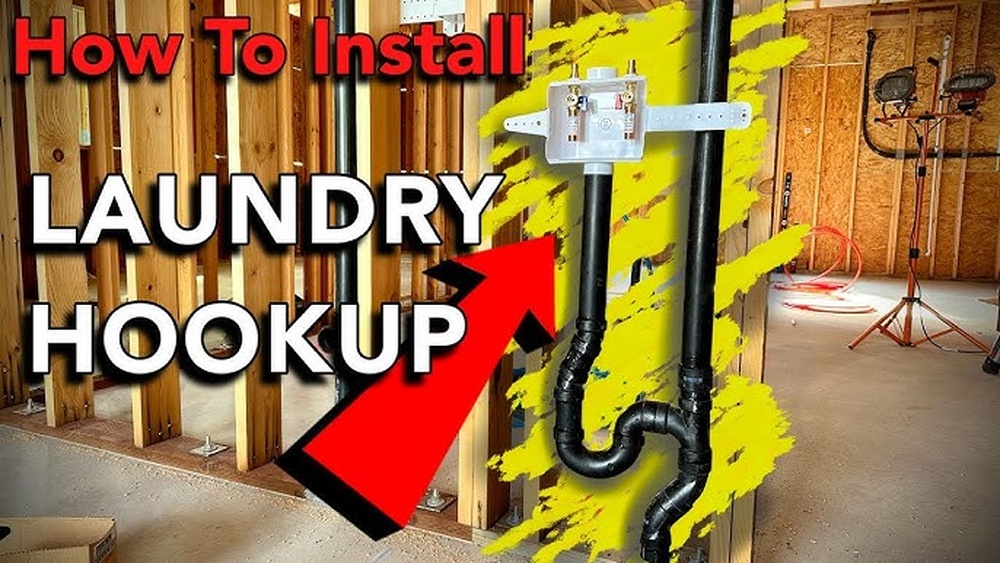
Installing The Hook Up Box
Place the hook up box into the wall opening. Secure it to the wall studs with screws. Make sure it is level and stable before connecting pipes.
Attach hot and cold water supply lines to the hook up valves. Use plumber’s tape on threads to prevent leaks. Tighten connections firmly but avoid over-tightening.
Connecting The Drain Pipe
Fit the drain hose into the drain pipe adapter. Secure it with a clamp to avoid leaks. Ensure the hose has a proper slope to allow water flow.
Turn the water supply back on slowly. Check all connections for any dripping or moisture. Tighten or reseal any spots that leak before finishing.
Connecting Water Lines
Connecting water lines is an important step in retrofitting your washer hookup into a wall. Proper connections prevent leaks and ensure steady water flow. This task requires care and the right tools.
Start by turning off the main water supply. This stops water flow and keeps the work area dry. Next, gather flexible hoses or copper pipes for the connection. Use thread seal tape on threaded fittings to avoid leaks.
Shutting Off The Water Supply
Locate the main water valve and turn it off fully. Open nearby faucets to drain leftover water. This reduces pressure in the pipes and prevents water spills.
Preparing The Pipes And Fittings
Check the pipes for damage or rust. Clean pipe ends before attaching new fittings. Wrap thread seal tape tightly around threaded parts. This creates a watertight seal.
Connecting The Water Lines To The Washer
Attach hot and cold water hoses to the correct valves. Tighten connections with a wrench, but do not over-tighten. Test for leaks by slowly turning the water supply back on.
Testing For Leaks
Testing for leaks is an important step after you rehook up your washer. It helps to catch any water drips early. This prevents water damage and keeps your home safe.
Check every connection carefully. Even small leaks can cause big problems over time. Use simple methods to find leaks before finishing the job.
Turn On The Water Supply Slowly
Open the water valves slowly. This prevents sudden pressure that can cause leaks. Watch the hoses and connections as water flows through.
Look for any drops or moisture around the fittings. If you see water, tighten the connections gently.
Use A Dry Cloth To Check For Moisture
Wipe each connection with a dry cloth or paper towel. This makes it easier to spot small leaks. Damp spots mean there is a leak.
Keep checking for moisture for a few minutes. Some leaks may appear slowly as pressure builds.
Inspect The Drain Hose Connection
Leaks can happen at the drain hose too. Make sure it fits snugly into the drain pipe. Check for any water pooling around the base.
Tighten or adjust the hose if you notice any leaks. A loose drain hose can cause flooding.
Sealing And Finishing Wall
Sealing and finishing the wall after rerouting a washer hook up is important. It protects the wall from water damage and keeps the area clean. A well-finished wall also improves the look of your laundry space. Follow simple steps to seal and finish the wall properly.
Clean And Prepare The Wall Surface
Start by removing dust and debris from the wall. Use a brush or vacuum to clear the area around the hookup. Clean surfaces help sealants and paint stick better. Wipe the wall with a damp cloth. Let it dry completely before moving on.
Apply Waterproof Sealant Around The Hookup
Use a waterproof sealant to stop water from entering gaps. Apply the sealant around pipes and fittings. Smooth it out with a putty knife or your finger. Check for any spaces left open. Let the sealant dry as instructed on the package.
Patch Holes And Uneven Areas
Fill holes or cracks with spackle or wall filler. Use a putty knife to spread the filler evenly. Allow it to dry completely. Sand the patched areas smooth with fine sandpaper. This creates a flat surface for painting.
Prime And Paint The Wall
Apply a coat of primer over patched and sealed areas. Primer helps paint stick and last longer. After primer dries, paint the wall with your chosen color. Use paint that resists moisture for better protection. Let the paint dry fully before using the laundry space.
Safety Tips And Best Practices
Safety is the top priority when retrofitting a washer hook up into a wall. Following best practices reduces risks and ensures a smooth installation. Small mistakes can cause water leaks or electrical hazards. Proper preparation and caution protect your home and health.
Use these safety tips to work confidently and avoid common problems. Stay organized and double-check every step. Safety is simple with the right approach.
Turn Off Water And Power Supplies
Always shut off the main water supply before starting work. This prevents leaks and flooding. Also, cut power to the washer’s circuit at the breaker box. Avoid electric shocks or short circuits by working with no power.
Wear Protective Gear
Wear gloves to protect your hands from sharp edges and debris. Use safety glasses to shield your eyes from dust and splashes. Dress in clothes you don’t mind getting dirty or wet. Safety gear keeps injuries away.
Check Wall Structure
Inspect the wall where you will install the hook up. Make sure it can hold the weight and plumbing work. Avoid drilling into electrical wires or pipes behind the wall. Use a stud finder or scanner to locate obstacles.
Use Proper Tools And Materials
Select tools designed for plumbing and electrical tasks. Use correct fittings and quality pipes to avoid leaks. Follow manufacturer instructions for all parts. Good materials last longer and work better.
Test For Leaks And Functionality
After installation, turn on water and power carefully. Check all connections for leaks and tightness. Run a short cycle on the washer to confirm everything works. Fix issues immediately to prevent damage.

Credit: www.amazon.com
Frequently Asked Questions
How Do I Prepare For Retrofitting Washer Hook Up?
First, turn off water supply and power. Measure space for the new hook up. Gather necessary tools like wrenches and pipe cutters. Clear the wall area for easy access and installation.
What Materials Are Needed For Washer Hook Up Retrofit?
You’ll need hoses, adapters, shutoff valves, mounting brackets, and pipe fittings. Use corrosion-resistant materials for durability. Make sure all parts fit your washer model and local plumbing codes.
Can I Retrofit Washer Hook Up Myself Safely?
Yes, if you follow instructions carefully and use proper tools. Turn off water and electricity before starting. If unsure, consult a professional plumber to avoid leaks or damage.
How Long Does Retrofitting Washer Hook Up Take?
Typically, it takes 1 to 3 hours depending on wall access and skill level. Allow extra time for measuring, cutting, and testing connections to prevent leaks.
Conclusion
Rerouting your washer hook up into the wall saves space and looks neat. It takes some tools and patience but is doable. Follow each step carefully for a safe and strong setup. Double-check all connections to avoid leaks or damage.
Taking time now means fewer problems later. A clean, tucked-in washer area feels better and works well. Keep safety in mind and ask for help if unsure. Your laundry space will thank you for the effort.