Are you ready to take control of your home lighting and save money by doing it yourself? Connecting a light fixture to a switch might sound tricky, but with the right steps, you can do it safely and easily.
Imagine flipping your switch and instantly brightening up your room exactly how you want. In this guide, you’ll learn simple, clear instructions that anyone can follow—even if you’ve never worked with electricity before. Keep reading, and by the end, you’ll have the confidence to make your lights work just the way you need them to.

Credit: community.smartthings.com
Tools And Materials Needed
Connecting a light fixture to a switch requires some basic tools and materials. Having these ready makes the job easier and safer. This section covers all you need before starting the work.
Essential Tools
You will need a few common tools. A screwdriver set is important for removing and securing screws. Wire strippers help remove insulation from wires safely. A voltage tester checks if wires have power. Pliers assist in bending and twisting wires.
Required Materials
Materials include electrical wires, usually 14 or 12 gauge, suitable for lighting circuits. Wire nuts connect wires securely. Electrical tape insulates exposed wire ends. A light fixture and a compatible switch are also necessary.
Safety Equipment
Safety is key. Wear insulated gloves to protect from electrical shocks. Safety glasses shield your eyes from debris. A sturdy ladder helps reach ceiling fixtures safely.
Safety Precautions
Always turn off the power at the circuit breaker before starting any electrical work. Use a voltage tester to ensure no electricity flows through the wires. Wear insulated gloves and follow all local safety codes to prevent accidents.
Turn Off The Power
Always switch off the power at the circuit breaker. This stops electricity from flowing. It keeps you safe from electric shocks. Never trust just the wall switch. Use a voltage tester to confirm power is off.
Use Proper Tools
Use insulated tools to avoid electric shocks. Choose screwdrivers and pliers with rubber handles. Avoid using damaged or worn tools. Proper tools make the job safer and easier.
Wear Safety Gear
Wear rubber-soled shoes to reduce shock risk. Safety goggles protect your eyes from dust and sparks. Gloves keep your hands safe from cuts and electricity. Safety gear reduces injury risks during work.
Double Check Wiring
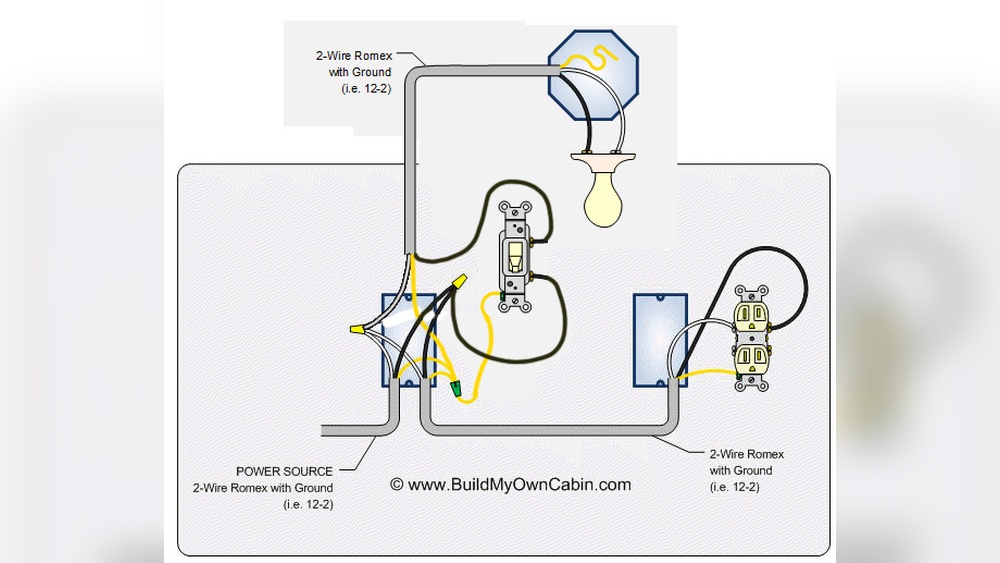
Check wiring colors and connections carefully. Follow the wiring diagram exactly. Wrong wiring can cause short circuits or fires. Take your time to avoid mistakes.
Identify The Wiring Components
Before connecting a light fixture to a switch, identify the wiring parts. Knowing each wire helps you work safely and correctly.
Wiring can look confusing at first. Each wire has a special job in the circuit. Recognizing these parts makes the task easier.
Understanding The Hot Wire
The hot wire carries electricity from the power source. It usually has black or red insulation. This wire connects to the switch to control the light.
Identifying The Neutral Wire
The neutral wire completes the circuit by carrying current back to the panel. It typically has white insulation. It connects directly to the light fixture.
Spotting The Ground Wire
The ground wire protects against electrical faults. It is often bare copper or green. This wire connects to the metal parts of the fixture and switch box.
Recognizing Traveler Wires (for Three-way Switches)
Traveler wires carry current between two switches in a three-way setup. These wires usually have black or red insulation. They allow control of one light from two locations.
Turn Off Power Supply
Turning off the power supply is the first and most important step before connecting a light fixture to a switch. It keeps you safe from electric shocks and prevents damage to your electrical system. Never start any electrical work without cutting off the power.
Electricity runs through wires even if the light is off. So, just flipping the switch does not stop the flow of electricity. You must turn off the power at the circuit breaker or fuse box. This stops all electricity to the wires you will work on.
Locate The Circuit Breaker
Find the main electrical panel in your home. It is usually in the basement, garage, or utility room. The panel holds circuit breakers or fuses for different parts of your house.
Look for the breaker labeled for the room or area where you will work. If there is no label, turn off the main breaker to cut power to the whole house.
Switch Off The Power
Flip the circuit breaker switch to the “off” position. This stops electricity from flowing to the wires. If you have fuses, unscrew the fuse for the correct circuit.
Double-check that the power is off. Use a voltage tester on the wires or the light switch. The tester should show no electricity present before you start work.
Confirm Safety Before Proceeding
Never touch wires until you are sure the power is off. Test all wires with a voltage tester. Test the black (hot) wire, white (neutral) wire, and ground wire.
Only begin connecting the light fixture once you confirm no current is flowing. Safety first. This simple step protects your health and your home.
Prepare The Switch And Fixture
Preparing the switch and light fixture is the first step in connecting them safely. Proper preparation makes the installation easier and prevents electrical problems. It also helps avoid damage to the parts or injury during the process.
Take your time to gather tools and check the components. Clear understanding of the parts will guide you through the wiring and assembly. Clean and organize the work area for a smooth process.
Turn Off Power At The Breaker
Safety is the top priority. Switch off the power at the breaker box to avoid shocks. Use a voltage tester to confirm the power is off. Never skip this step.
Remove Old Switch And Fixture
Unscrew the existing switch cover and fixture carefully. Disconnect the wires from the old switch and fixture. Keep track of wire positions and connections for reference.
Inspect And Prepare Wires
Check wires for damage or wear. Trim and strip the wire ends to expose fresh copper. Straighten the wires to make connecting easier and secure.
Check The New Switch And Fixture
Examine the new switch and fixture for any defects. Read the manufacturer’s instructions carefully. Understand where each wire must connect on both parts.

Credit: diy.stackexchange.com
Connect The Wires To The Switch
Connecting the wires to the switch is a key step in wiring a light fixture. It controls the power flow to the light. Proper connections ensure the switch works safely and correctly. Take your time and follow each step carefully.
Before starting, turn off the power at the circuit breaker. Use a voltage tester to confirm no power is running. Safety first. Wear insulated gloves for extra protection.
Identify The Wires
Look inside the switch box. You will see three types of wires: black, white, and ground. The black wire is the hot wire. It carries electricity to the switch. The white wire is neutral. The bare copper or green wire is the ground. Identifying these wires is essential for correct connections.
Connect The Ground Wire
Attach the ground wire to the green screw on the switch. If the box has a ground wire, connect it to the switch’s ground as well. This connection helps prevent electrical shocks. Tighten the screw firmly to hold the wire in place.
Attach The Hot Wires
Connect the black (hot) wire from the power source to one brass screw on the switch. Then, connect the black wire leading to the light fixture to the other brass screw. These connections allow the switch to control the flow of electricity to the light.
Handle The Neutral Wire
The neutral wire does not connect to the switch. Instead, it should be twisted together with other neutral wires inside the box. Use a wire nut to secure them. This keeps the circuit complete and safe.
Connect The Wires To The Light Fixture
Connecting the wires to the light fixture is a key step in installing a new light. It ensures the electrical flow reaches the bulb and the switch controls the light properly. Careful handling of wires keeps the connection safe and secure.
Follow simple steps to connect wires correctly. Use the right tools and check each wire before joining. This will help avoid common problems like flickering or no light at all.
Identify The Wires On The Light Fixture
Start by looking at the wires coming from the light fixture. Usually, there are three wires: black, white, and green or bare copper. The black wire is the hot wire, carrying electricity. The white wire is neutral. The green or bare wire is for grounding.
Match The Fixture Wires To House Wires
Match the black wire from the fixture to the black wire in the ceiling box. Connect the white wire from the fixture to the white house wire. Attach the green or bare copper wire to the ground wire in the box.
Secure The Wire Connections
Use wire nuts to twist wires together tightly. Make sure no copper shows outside the nut. Wrap electrical tape around the wire nuts for extra safety. This prevents wires from coming loose over time.
Attach The Fixture To The Ceiling
After wiring, push the wires back into the box carefully. Align the fixture base with the mounting bracket. Use screws to fasten the fixture tightly to the ceiling. Check that the fixture is stable and flush with the surface.
Secure All Connections
Securing all connections is a key step in wiring a light fixture to a switch. Loose or poor connections can cause flickering lights or even electrical hazards. Taking time to ensure each wire is properly joined keeps the installation safe and reliable.
Properly secured connections also help your light fixture work smoothly every time you flip the switch. This step requires attention to detail but is easy to do with the right tools and care.
Strip The Wire Ends Correctly
Use a wire stripper to remove about half an inch of insulation. Avoid cutting too much or too little. Exposed wire should be clean and smooth for a strong connection.
Twist Wires Firmly Together
Hold the stripped ends side by side. Twist them tightly in a clockwise direction. This creates a solid bond before applying a wire nut.
Use Wire Nuts For Safety
Choose the right size wire nut for the wires. Screw the nut on until tight. Give it a gentle tug to check if it stays secure.
Wrap With Electrical Tape
Wrap electrical tape around the wire nuts and exposed wires. This adds extra protection and prevents accidental contact with metal parts.
Double Check All Connections
Look over every wire and nut to confirm tightness. Loose wires can cause shorts or stop the light from working. Careful checks prevent future problems.
Test The Light Fixture
Testing the light fixture is a key step after connecting it to a switch. It confirms the wiring works and the fixture lights up safely. This step helps spot any issues early before final installation. Follow simple checks to ensure your light fixture functions properly.
Turn On The Power
First, restore power at the circuit breaker. Make sure the switch is off before turning on power. Then, flip the switch to test the light. The fixture should light up immediately. If not, double-check your wiring connections.
Check The Switch Operation
Flip the switch several times. The light should turn on and off without flickering. Flickering may signal a loose wire or bad connection. Fix any loose wiring before proceeding. A steady light means the switch works correctly.
Inspect The Fixture For Safety
Look for any sparks, buzzing, or unusual smells. These signs indicate electrical problems. Turn off the power at the breaker if you notice any issues. Correct wiring or replace faulty parts to avoid hazards. Safety is the top priority.
Troubleshooting Common Issues
Connecting a light fixture to a switch can sometimes lead to issues. Troubleshooting helps find and fix these problems quickly. Understanding common issues saves time and effort. It also prevents damage and keeps you safe.
Check For Loose Wires
Loose wires often cause lights not to work. Turn off power first. Then, inspect all wire connections. Tighten any loose wires using a screwdriver. Make sure wires fit securely in terminals. Loose connections can stop electricity flow.
Test The Switch Functionality
The switch might be faulty. Use a multimeter to test it. Set the multimeter to continuity mode. Press the switch and check for a beep sound. No beep means the switch is bad. Replace the switch if needed.
Verify Power Supply
No power means no light. Check the circuit breaker or fuse box. Make sure the breaker is not tripped. Reset the breaker if needed. If the fuse is blown, replace it. Confirm power is reaching the light fixture.
Inspect The Light Bulb
A burned-out bulb is a common reason for darkness. Remove the bulb and try a new one. Use the correct bulb type and wattage. A bad bulb stops the light from turning on.
Look For Incorrect Wiring
Incorrect wiring causes many problems. Follow the wiring diagram carefully. Confirm the hot, neutral, and ground wires connect correctly. Mixing wires can cause flickering or no light. Correct wiring ensures safe operation.

Credit: www.youtube.com
Frequently Asked Questions
How Do I Safely Turn Off Power Before Wiring?
Always switch off the circuit breaker to cut power. Use a voltage tester to confirm no electricity flows. This prevents shocks and ensures a safe wiring process. Safety is crucial when working with electrical fixtures.
What Tools Are Needed To Connect A Light Fixture?
You need wire strippers, screwdrivers, voltage tester, wire nuts, and electrical tape. These tools help strip wires, secure connections, and test power safely. Having the right tools makes the installation process smoother and safer.
How To Identify Wires For Light Fixture Connection?
Black or red wires are usually hot, white is neutral, and green or bare is ground. Properly identifying wires prevents incorrect connections and potential hazards. Always double-check wire colors before proceeding.
Can I Connect A Light Fixture To A Single Switch?
Yes, most light fixtures connect easily to one switch. The switch controls the hot wire, turning the light on or off. Ensure the wiring matches the switch’s function for proper operation.
Conclusion
Connecting a light fixture to a switch is easier than it seems. Follow safety steps and use the right tools. Double-check your wiring before turning the power back on. Take your time and don’t rush the job. A properly connected light switch adds convenience and safety to your home.
You can handle this task with patience and care. Always ask for help if unsure. Simple steps lead to great results.