Are you looking to hang something sturdy on your wall without the hassle? Learning how to put a screw hook in a wall is easier than you think—and it can save you time and money.
Whether you want to hang a plant, a picture, or your favorite keys, the right screw hook will hold it all securely. In this guide, you’ll discover simple steps that anyone can follow, even if you’ve never done it before.
Keep reading, and you’ll have the confidence to install screw hooks like a pro in no time.
Choosing The Right Screw Hook
Choosing the right screw hook is key for a strong and safe hold. The right hook depends on the wall type and what you want to hang. Picking the wrong hook can cause damage or falling items. This guide helps you find the best screw hook for your needs.
Types Of Screw Hooks
Screw hooks come in many shapes and sizes. Some have a closed loop, while others are open hooks. There are cup hooks, eye hooks, and J-hooks. Each type serves a different purpose. Closed loops hold items securely. Open hooks work for easy hanging and removal.
Selecting Based On Wall Material
Wall material affects the hook choice. Drywall needs anchors for strong support. Wood walls allow direct screwing of hooks. Concrete or brick walls require special anchors or plugs. Using the correct hook for the wall keeps it safe and stable.
Weight Capacity Considerations
Check the weight limit of the screw hook. Light hooks hold small items like keys or decorations. Heavy-duty hooks support heavier objects like plants or tools. Always choose a hook that can carry more than your item’s weight. Safety first.
Tools And Materials Needed
Putting a screw hook in a wall requires a few basic tools and materials. Having the right items makes the job easier and safer. This section lists what you need before starting.
Essential Tools
- Drill or screwdriver for making holes
- Drill bits matching the screw hook size
- Measuring tape or ruler for precise placement
- Level to keep the hook straight
- Pencil to mark the spot on the wall
- Screw hook with the correct length and thickness
Safety Gear
- Safety glasses to protect your eyes
- Work gloves to protect your hands
- Dust mask if drilling into drywall or plaster
Optional Accessories
- Wall anchors for added support in drywall
- Stud finder to locate studs behind the wall
- Hammer to tap anchors into place
Preparing The Wall
Preparing the wall is the first step to safely install a screw hook. This process ensures the hook stays secure and the wall remains undamaged. Proper preparation helps avoid mistakes and makes the job easier.
Locating Studs Or Anchors
Find a stud or use a wall anchor for strong support. Studs are wooden beams inside the wall. Use a stud finder tool or tap the wall to locate them. Anchors work well for drywall without studs. Choose the right spot for heavy items.
Marking The Spot
Mark the exact spot for the screw hook with a pencil. Use a level to keep it straight. Clear markings make drilling precise. This avoids holes in the wrong place. Take your time to get it right.
Checking For Obstructions
Check for pipes, wires, or cables behind the wall. Use a wire detector tool to be safe. Avoid hitting anything that can cause damage or injury. Look twice before drilling. Safety first in every step.

Credit: www.youtube.com
Drilling Pilot Holes
Drilling pilot holes is a key step before installing a screw hook in a wall. It helps guide the screw and prevents the wall from cracking. A well-drilled pilot hole makes it easier to screw in the hook and holds it securely.
Choosing Drill Bit Size
Select a drill bit slightly smaller than the screw hook’s shaft. This size allows the screw to grip the wall tightly. Using a too-large bit makes the hook loose. A too-small bit can crack the wall or bend the screw.
Drilling Techniques
Hold the drill steady and start slowly to avoid slipping. Drill straight into the wall, matching the screw hook’s angle. Drill just deep enough to fit the screw hook’s length. Pull the drill out carefully to keep the hole clean.
Avoiding Wall Damage
Check the wall for pipes and wires before drilling. Use a stud finder if possible to avoid hidden hazards. Drill gently to stop the wall from cracking. Clean dust from the hole to help the hook stay firm.
Installing The Screw Hook
Installing a screw hook in a wall is a straightforward task. It allows you to hang items like plants, lights, or decorations easily. Follow simple steps to ensure the hook stays strong and safe.
Hand-twisting Method
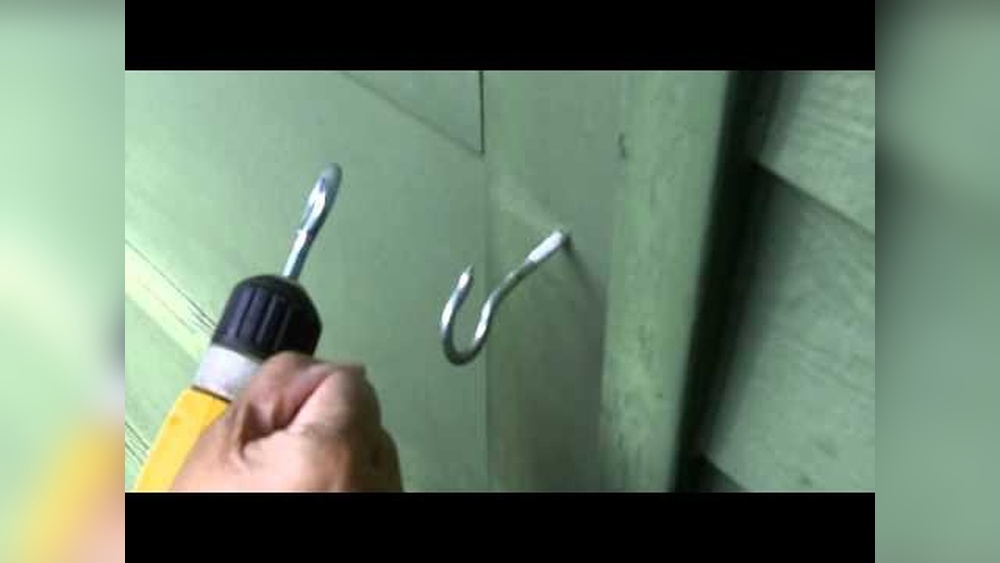
Start by placing the tip of the screw hook on the wall where you want it. Turn the hook slowly with your fingers. Push gently while twisting. The hook will begin to bite into the wall. Keep turning until it feels tight and secure. This method works best for drywall or wood.
Using Tools For Tightening
Some screw hooks have a straight end that fits into a tool. Use pliers or a wrench to hold this end. Turn the hook with the tool to make it tighter. This method helps if the hook is hard to twist by hand. It also ensures the hook goes deeper for a stronger hold.
Ensuring Secure Mounting
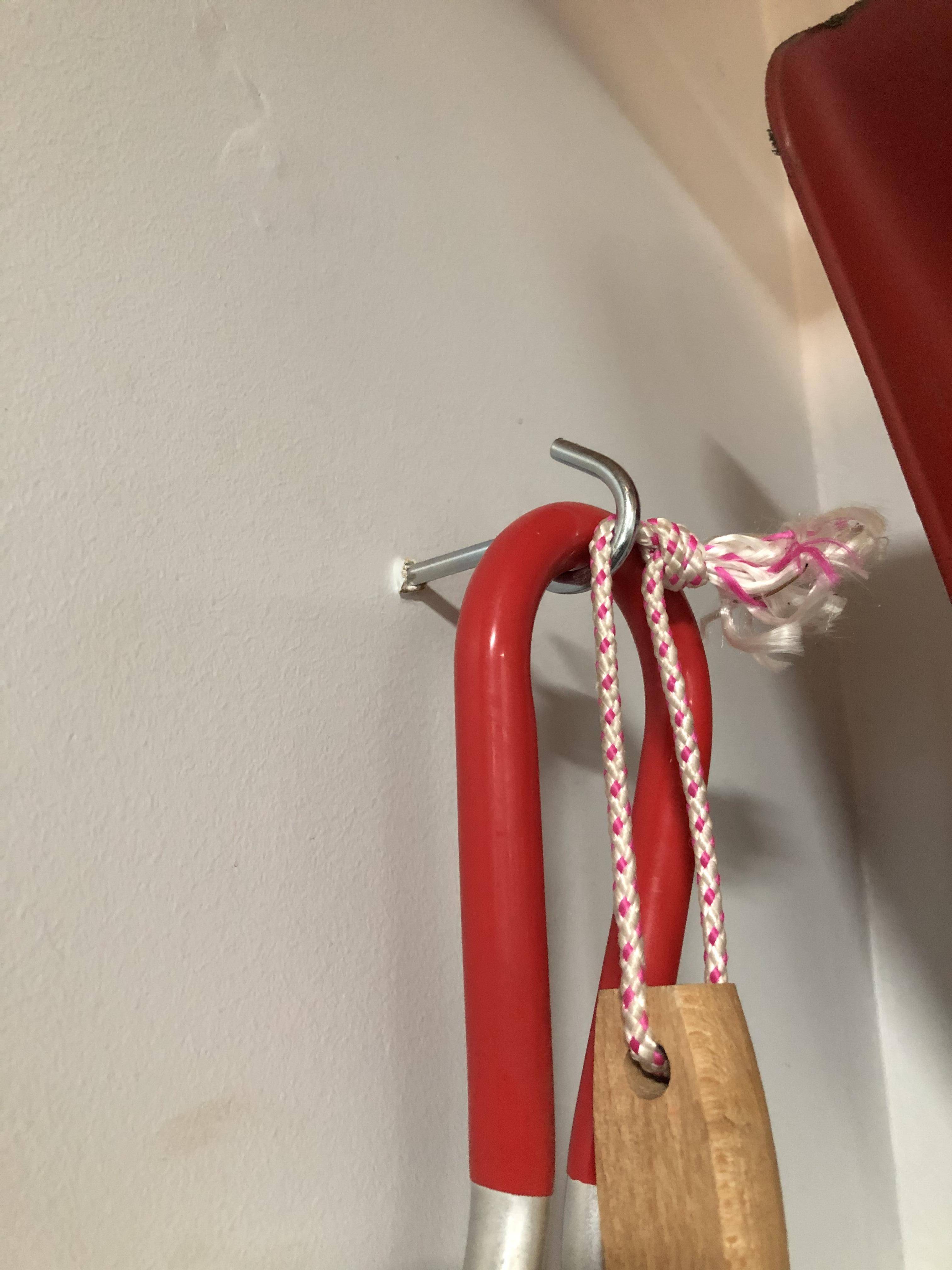
Check the hook by pulling it gently. It should not move or wiggle. If the wall feels soft, use a wall anchor first. Anchors give extra support for heavy items. Make sure the hook is straight and fully screwed in. A secure hook keeps your items safe and stable.

Credit: www.wikihow.com
Testing And Adjustments
Testing and adjusting your screw hook after installation is important for safety and durability. This step ensures the hook stays secure and holds the weight you need. It can prevent accidents and damage to your wall or items hung on the hook.
Checking Stability
Start by gently wiggling the screw hook. It should feel firm and not move side to side. If it feels loose, the hook may not be tight enough or the wall may be weak. Check the area around the hook for cracks or damage. Stability means the hook is ready to hold weight safely.
Making Corrections
If the hook is loose, try tightening it more with your hand or a tool. Avoid overtightening, which can damage the wall or hook. For very loose hooks, remove and reinsert in a better spot. Use a wall anchor if the wall material is weak. Correcting early stops bigger problems later.
Weight Testing Tips
Test the hook with light weight first. Use items that weigh less than what you plan to hang. Slowly increase the weight to check how the hook holds. Watch for any movement or slipping. Stop if the hook feels unstable. Proper weight testing keeps your wall and belongings safe.
Tips For Different Wall Types
Different walls need different ways to put in a screw hook. The type of wall changes how you prepare and install the hook. Knowing the wall type helps keep the hook strong and safe. Below are tips for drywall, plaster walls, and concrete or brick.
Drywall
Drywall is soft and easy to damage. Use a wall anchor to hold the screw hook firmly. Drill a small hole first, then push in the anchor. Screw the hook into the anchor slowly. This prevents the drywall from cracking or breaking.
Plaster Walls
Plaster walls can be fragile and thick. Drill a pilot hole carefully to avoid cracks. Use a plastic anchor if the hook will hold weight. Screw the hook into the anchor with gentle pressure. Avoid forcing the hook to keep the plaster safe.
Concrete And Brick
Concrete and brick walls are very hard. Use a masonry drill bit to make a hole. Insert a heavy-duty anchor into the hole. Screw the hook into the anchor tightly. This method keeps the hook stable and holds heavy items well.
Credit: diy.stackexchange.com
Frequently Asked Questions
How Do I Choose The Right Screw Hook For My Wall?
Select a screw hook based on wall material and weight capacity. Use heavy-duty hooks for drywall and sturdy hooks for wood or masonry.
What Tools Do I Need To Install A Screw Hook?
You need a drill, screwdriver, wall anchors, a pencil, and a measuring tape for accurate screw hook installation.
Can I Install A Screw Hook In Drywall Without Anchors?
No, drywall alone can’t support screw hooks. Use wall anchors to ensure secure installation and prevent damage.
How Deep Should I Drill Before Inserting A Screw Hook?
Drill a pilot hole slightly smaller than the screw hook’s diameter. This ensures a tight, secure fit in the wall.
Conclusion
Putting a screw hook in a wall is simple and quick. Choose the right spot and mark it clearly. Drill a small hole to make screwing easier. Turn the hook in by hand until it feels tight. Check if it holds well before hanging anything.
This small task can help organize your space better. Practice makes it easier next time. Enjoy your neat and tidy wall!


