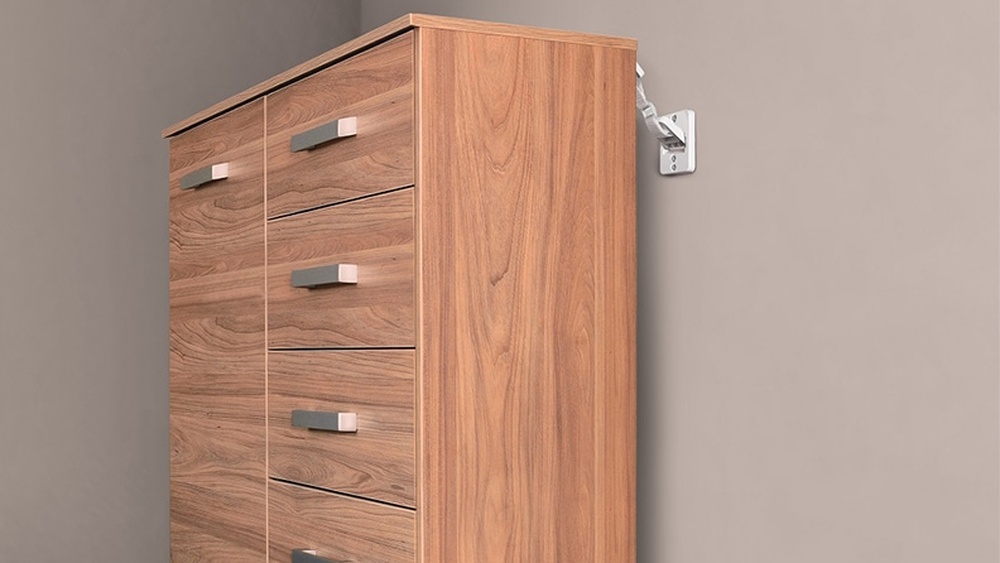
Are you worried your tall cabinet might tip over and cause damage or injury? Securing it to the wall is the safest way to keep your space secure and your belongings protected.
But how do you do it correctly without drilling into the wrong spots or damaging your walls? In this guide, you’ll discover simple, step-by-step tips to anchor your tall cabinet firmly and safely. By the end, you’ll feel confident that your cabinet is stable and your home is safer.
Keep reading to learn exactly what you need to do.

Credit: www.reddit.com
Tools And Materials Needed
Anchoring a tall cabinet to the wall keeps it stable and safe. You need the right tools and materials before starting. This list helps you prepare everything needed to secure your cabinet properly.
Tools Needed
- Drill with drill bits
- Screwdriver or power driver
- Stud finder
- Level
- Measuring tape
- Pencil for marking
- Socket wrench (optional)
Materials Required
- Wall anchors or toggle bolts
- Long screws (usually 2-3 inches)
- Metal brackets or L-brackets
- Wood screws for cabinet attachment
- Protective gloves (optional)
Gathering these tools and materials makes the process smooth and quick. Each item plays a role in holding the cabinet firmly and safely.
Choosing The Right Wall Anchors
Choosing the right wall anchors is key to safely securing a tall cabinet. The correct anchors keep the cabinet steady and prevent accidents. Not all anchors fit every wall or cabinet type. Understanding different anchors helps pick the best one for your wall and cabinet weight.
Types Of Wall Anchors
Plastic expansion anchors are common for light loads. They expand when a screw is inserted, gripping the wall. Metal anchors offer stronger support for heavier cabinets. Toggle bolts use spring-loaded wings to hold tightly behind the wall. Molly bolts are good for medium loads and hollow walls. Each anchor type suits different weight and wall conditions.
Selecting Based On Wall Material
Drywall needs anchors that spread weight well, like toggle bolts or molly bolts. Concrete or brick walls require heavy-duty anchors like sleeve anchors or masonry screws. Wood walls allow direct screwing into studs, which is very secure. Check your wall type before buying anchors. This ensures strong support for the cabinet and safety in your home.
Preparing The Cabinet And Wall
Preparing the cabinet and wall is the first step in anchoring a tall cabinet securely. This stage ensures the cabinet stays stable and prevents accidents. Proper preparation saves time and avoids damage to walls or furniture.
Focus on finding strong support points and marking exact spots. Accurate measurements lead to safe and effective anchoring. Take your time to prepare well before drilling or attaching hardware.
Locating Studs
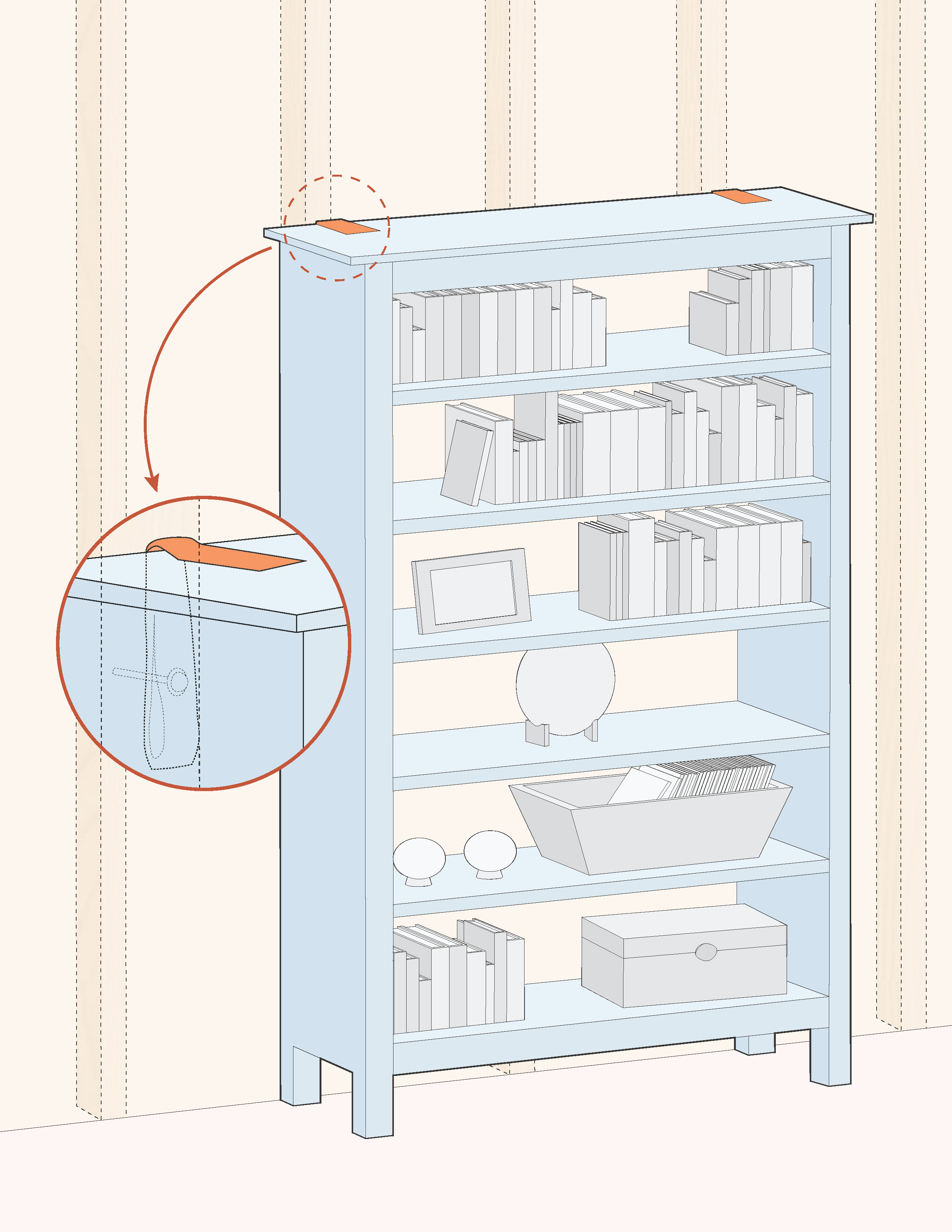
Studs are vertical wooden beams inside the wall. They provide the best support for heavy cabinets. Use a stud finder tool to locate them quickly and easily. Move the tool slowly across the wall surface. Mark the edges of each stud with a pencil. Find at least two studs to secure the cabinet properly. Avoid anchoring into drywall only, as it is weak.
Marking Anchor Points
Measure the cabinet height and width to plan anchor points. Mark spots on the cabinet back where screws will go. Align these points with the wall studs you found. Use a level to ensure marks are straight and even. Double-check measurements before drilling. Correct marks help keep the cabinet balanced and safe.
Step-by-step Anchoring Process
Anchoring a tall cabinet to the wall is key for safety and stability. This step-by-step process makes it easy. Follow each step carefully for a secure fit. No special tools needed, just basic hardware and a drill.
Drilling Pilot Holes
Start by marking where the screws will go. Use a pencil to mark through the cabinet’s mounting holes onto the wall. Choose a drill bit slightly smaller than the screws. Drill pilot holes into the wall at the marked spots. This prevents the wall from cracking and helps anchors fit better.
Installing Anchors
Select anchors that match your wall type and screw size. Push or tap anchors gently into the pilot holes. Make sure they sit flush with the wall surface. Anchors give screws a strong grip, especially in drywall or plaster. Avoid forcing anchors to prevent damage.
Securing The Cabinet
Align the cabinet’s mounting holes with the installed anchors. Insert screws through the cabinet into the anchors. Tighten screws using a screwdriver or drill with a driver bit. Check the cabinet for firmness. Tighten screws just enough to hold firmly, not to crush the wall or cabinet.
Safety Tips And Precautions
Anchoring a tall cabinet to the wall requires care and attention. Safety is the top priority to avoid accidents or damage. Follow these safety tips and precautions to secure your cabinet properly.
Use The Right Tools
Choose tools that fit the job. A drill, screwdriver, level, and stud finder are essential. Using the wrong tools can cause injury or damage the wall.
Find Wall Studs Correctly
Locate studs behind the drywall before anchoring. Studs provide strong support. Avoid attaching the cabinet to drywall alone. It can lead to falls and injuries.
Wear Safety Gear
Protect your eyes with safety glasses. Use gloves to avoid splinters and cuts. Wear a mask if drilling creates dust. Safety gear reduces risks during installation.
Check Cabinet Stability
Before anchoring, ensure the cabinet stands evenly. Uneven cabinets can tip over. Adjust the base or use shims to level it first.
Secure Heavy Items First
Place heavy objects on the bottom shelves. This lowers the center of gravity. It helps keep the cabinet steady once attached.
Follow Manufacturer Instructions
Read the cabinet’s manual for mounting guidelines. Use recommended anchors and screws. Following instructions ensures a strong and safe hold.
Credit: www.earthquakecountry.org
Common Mistakes To Avoid
Anchoring a tall cabinet to the wall is important for safety and stability. Many people make simple mistakes that can cause the cabinet to fall or wobble. Avoiding these errors saves time and keeps your home safe.
Not Locating Wall Studs Correctly
Wall studs provide strong support for heavy cabinets. Using a stud finder helps find them easily. Anchoring only to drywall will not hold the weight and can cause damage.
Using Wrong Anchors Or Screws
Choose screws and anchors made for your wall type. Drywall anchors are not strong enough for heavy cabinets. Wood screws into studs work best for secure fixing.
Ignoring Cabinet Weight And Load
Estimate the cabinet’s weight and what it will hold. Use more anchors for heavier cabinets or extra load. One or two screws are often not enough.
Skipping Leveling Before Anchoring
Check that the cabinet is level before drilling holes. A tilted cabinet can cause items to fall inside. Use a spirit level for accuracy.
Not Pre-drilling Pilot Holes
Drill small pilot holes in the studs before screwing. This prevents wood from splitting and makes screwing easier. It also helps keep screws straight.
Maintaining Stability Over Time
Maintaining stability over time is key to keeping your tall cabinet safe and secure. Cabinets can loosen or tilt with daily use. Constant pressure or movement can weaken wall anchors. Regular checks and care help prevent accidents and damage.
Stable cabinets last longer. They protect your belongings and keep your space tidy. Simple steps can keep the cabinet steady for years.
Check Anchors Regularly
Look at the wall anchors every few months. Make sure screws and brackets stay tight. Tighten any loose parts with a screwdriver. Loose anchors can cause the cabinet to lean or fall.
Inspect Wall And Cabinet Condition
Look for cracks or damage on the wall. Watch for signs of the cabinet shifting or wobbling. Early signs mean it needs attention before problems grow. Repair small issues fast to avoid bigger risks.
Avoid Overloading Shelves
Keep weight evenly spread inside the cabinet. Don’t place heavy items on top shelves. Too much weight adds pressure on anchors and walls. Lighten loads often to maintain balance.
Use Safety Straps Or Braces
Add extra support with safety straps or braces. These help hold the cabinet tight to the wall. Use strong straps made for furniture safety. Replace worn or damaged straps quickly.

Credit: ikeahackers.net
Frequently Asked Questions
How Do I Anchor A Tall Cabinet Safely?
Use wall studs to secure the cabinet with heavy-duty brackets. Locate studs with a stud finder for strong support. Ensure screws are long enough to penetrate studs deeply. This prevents tipping and enhances stability, making your cabinet safe for daily use.
What Tools Are Needed To Anchor A Tall Cabinet?
You need a stud finder, drill, screwdriver, level, measuring tape, and heavy-duty screws. These tools help locate studs and securely attach the cabinet to the wall. Using the right tools ensures a strong and safe installation.
Can I Anchor A Tall Cabinet On Drywall Only?
No, drywall alone cannot support a tall cabinet’s weight. Always anchor into wall studs for proper support. If studs are unavailable, use heavy-duty wall anchors designed for your wall type. This prevents accidents and cabinet damage.
How High Should I Anchor A Tall Cabinet?
Anchor the cabinet near the top to prevent tipping, typically 2-3 inches below the upper edge. This placement offers optimal stability and keeps the cabinet flush against the wall. Adjust based on cabinet design and wall stud location.
Conclusion
Anchoring a tall cabinet to the wall keeps it stable and safe. Always find the studs for a strong hold. Use the right tools and screws for your wall type. Take your time to measure and mark carefully. A secure cabinet prevents accidents and protects your items.
This simple step improves your home’s safety and organization. Follow these tips, and your cabinet will stand firm for years. Safety and peace of mind go hand in hand.


