Are you struggling to securely anchor poles to your wall? Whether you’re setting up a clothesline, installing a handrail, or mounting a decorative feature, knowing the right way to anchor poles can make all the difference.
If your poles aren’t firmly attached, they can wobble, fall, or cause damage. But don’t worry—this guide will walk you through simple, effective steps to ensure your poles stay strong and steady. Keep reading, and you’ll gain the confidence to tackle this task like a pro.

Credit: www.midwestpermacolumn.com
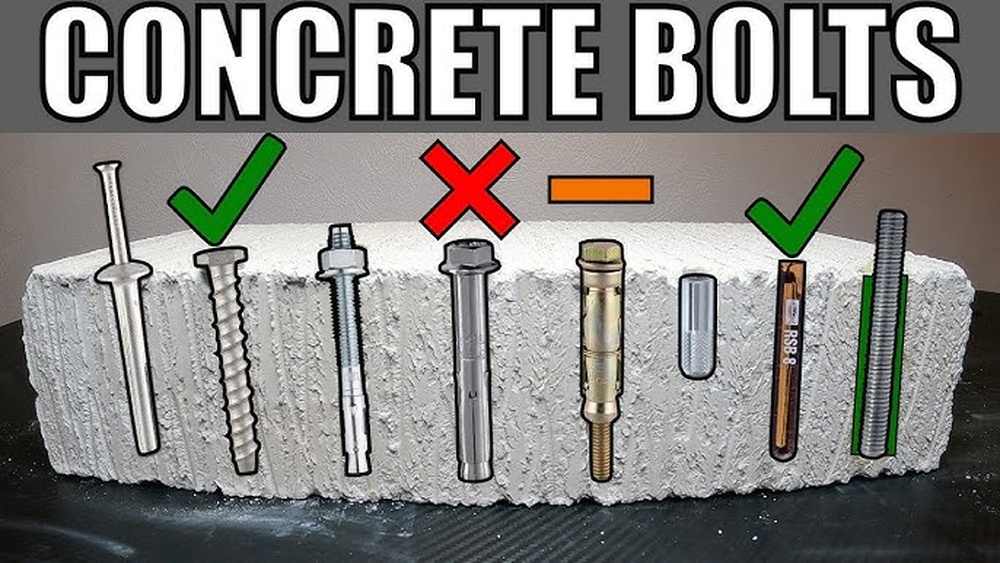
Choosing The Right Anchor
Preparing the wall surface is a key step before anchoring poles. A well-prepared surface ensures the anchors hold strong. This step helps avoid damage to the wall and makes the installation safe. Follow each task carefully for best results.
Cleaning The Area
Start by removing dirt, dust, and loose paint from the wall. Use a brush or cloth for cleaning. A clean surface helps anchors stick better. Avoid greasy or oily spots as they weaken the hold.
Marking Anchor Points
Measure and mark the exact spots where poles will attach. Use a pencil for clear, removable marks. Check the spacing to keep poles balanced. Precise marks guide drilling and prevent mistakes.
Checking For Obstacles
Look inside the wall for pipes, wires, or studs. Use a stud finder or tap the wall lightly. Avoid drilling into obstacles to prevent damage. Confirm the wall is safe to work on before drilling.

Credit: www.lightmart.com
Gathering Tools And Materials
Drilling holes for anchors is a key step in securing poles to a wall. Proper holes ensure strong support and keep poles stable. This process needs careful attention to tools and technique. Poor drilling can weaken the wall or cause anchors to fail. Follow the right steps to drill clean, precise holes that hold anchors firmly.
Choosing The Right Drill Bit
Select a drill bit that matches the anchor size. Use masonry bits for brick or concrete walls. Wood bits work best for wooden surfaces. Check the drill bit diameter to fit the anchor snugly. A bit too large or small can cause loose fitting. Ensure the drill bit is sharp for clean holes.
Drilling Techniques
Mark the drilling spot clearly on the wall. Hold the drill steady and start at low speed. Increase speed gradually for deeper holes. Drill straight to avoid angled holes that weaken anchors. Use a depth stop or tape to drill the correct depth. Pull the drill out slowly to clear dust from the hole.
Avoiding Wall Damage
Check for wires or pipes behind the wall before drilling. Use a stud finder or scanner to locate hazards. Drill gently to prevent cracks or chips in the wall. Avoid pressing too hard with the drill. Clean dust from the hole to improve anchor grip. Protect surrounding areas with painter’s tape if needed.
Preparing The Wall Surface
Ensuring stability and safety is key when anchoring poles to a wall. A strong anchor prevents accidents and damage. It holds the pole firmly in place under pressure or wind. Poorly anchored poles can loosen, fall, or cause injury. Taking time to verify every step boosts confidence in your setup.
Double-checking Connections
Always inspect all bolts, screws, and brackets after installation. Make sure they are tight and secure. Use a wrench to tighten any loose fasteners. Check that the pole sits flush against the wall. Look for any gaps or misalignments. A loose connection can weaken the whole structure.
Load Testing
Test the pole’s strength by applying pressure gently. Push or pull the pole to see if it moves. Any wobble or shift means the anchor is weak. Use weights or hold the pole firmly to simulate real conditions. Repeat the test after making adjustments. This ensures the pole can handle stress.
Regular Maintenance Tips
Inspect anchored poles every few months. Look for rust, cracks, or worn parts. Replace damaged screws or brackets immediately. Clean the anchor area to remove dirt and debris. Lubricate moving parts if needed to prevent wear. Regular care keeps the anchor strong and safe over time.

Credit: utilitymetals.com
Frequently Asked Questions
How Do You Securely Anchor Poles To A Wall?
Use heavy-duty wall anchors and appropriate brackets. Drill pilot holes, insert anchors, and screw the pole brackets tightly. This ensures strong support and stability for the poles.
What Tools Are Needed To Anchor Poles Properly?
You need a drill, wall anchors, screws, brackets, a screwdriver, and a level. These tools help ensure precise and secure pole installation on walls.
Can I Anchor Poles On Different Wall Types?
Yes, but choose anchors suited for your wall type. Use masonry anchors for brick or concrete, and toggle bolts for drywall to ensure firm attachment.
How To Prevent Poles From Loosening Over Time?
Use high-quality anchors and screws, tighten them securely, and check periodically. Adding washers can also increase grip and prevent loosening due to vibrations or weight.
Conclusion
Anchoring poles to a wall is simple with the right tools and steps. Secure the pole tightly to keep it steady and safe. Check the wall and pole materials before starting work. Use strong anchors and screws for better support.
Take your time to measure and mark spots carefully. Following these tips helps ensure a firm and lasting hold. Now, you can confidently anchor poles for your projects.