Are you tired of watching your pictures, shelves, or decorations fall off the wall? Anchoring things securely can be tricky, but it doesn’t have to be.
Whether you want to hang a heavy mirror or mount a floating shelf, knowing how to anchor things to the wall properly makes all the difference. In this guide, you’ll learn simple, effective steps that anyone can follow to keep your items safe and steady.
Keep reading, and you’ll discover the secrets to a strong, reliable hold every time.
:max_bytes(150000):strip_icc()/how-to-use-and-discard-anchor-screws-1822671-Final-ec8091ccf65241b1b1f888549f25003a.jpg)
Credit: www.thespruce.com
Choosing The Right Anchor
Choosing the right anchor is key to securing items on your wall safely. The correct anchor prevents damage and holds weight properly. Different anchors work best for different walls and objects. Understanding your options helps you make the best choice for your project.
Types Of Wall Anchors
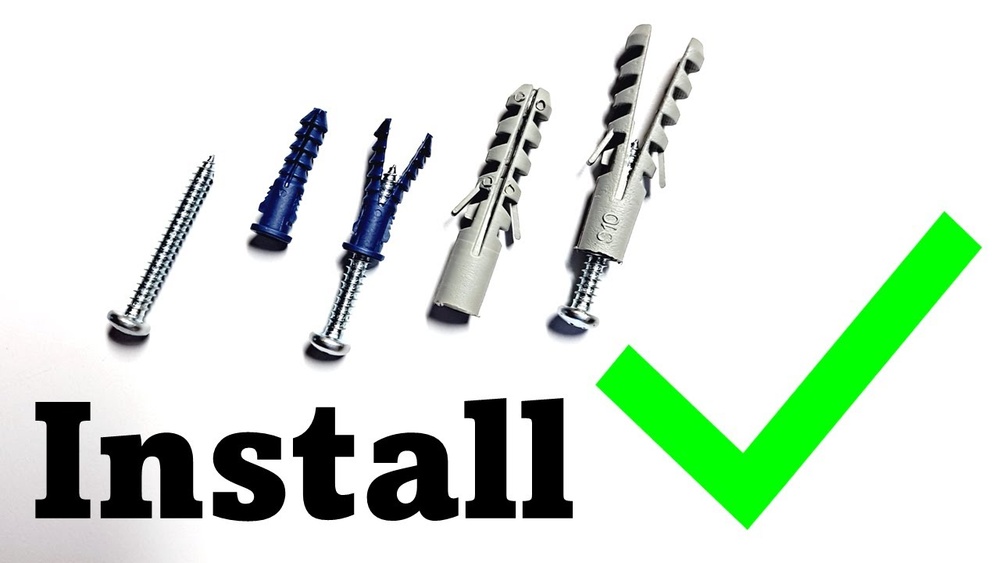
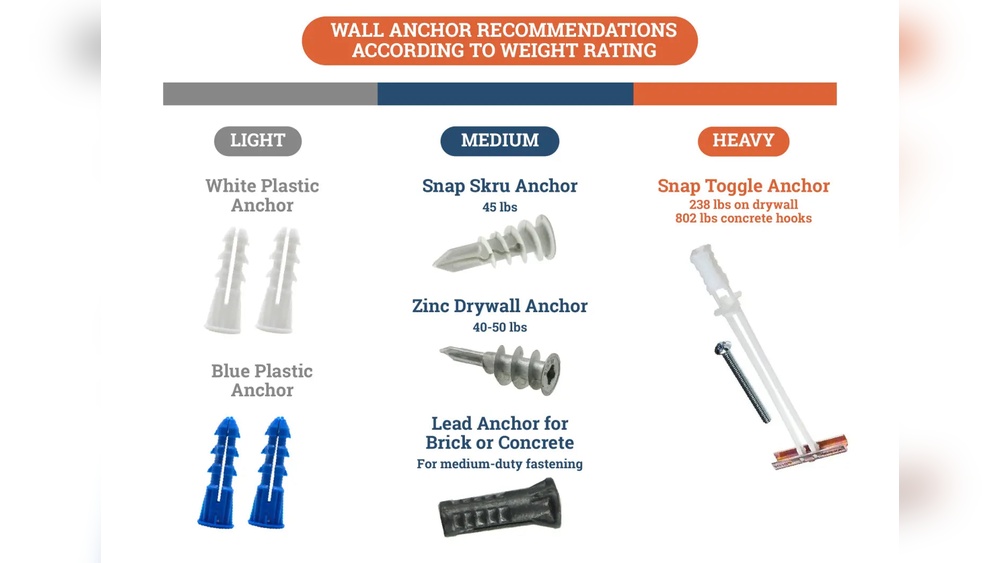
Wall anchors come in many types. Plastic expansion anchors are good for light items. They expand inside the wall for grip. Toggle bolts have wings that open behind the wall. These support heavier items on drywall. Molly bolts are metal anchors that expand inside the wall. They offer strong support in hollow walls. Concrete anchors are made for solid walls like brick or concrete. Choose the anchor type that fits your wall and weight needs.
Matching Anchors To Wall Material
Different walls need different anchors. Drywall is soft and hollow. Plastic anchors or toggle bolts work well here. Plaster walls are harder but brittle. Molly bolts provide strong hold without cracking plaster. Brick and concrete walls need special anchors. Use concrete anchors or sleeve anchors. Matching the anchor to wall material keeps your wall safe. It also ensures the item stays secure.
Weight Considerations
Consider the weight of what you want to hang. Light items need simple anchors like plastic ones. Medium-weight items require stronger anchors like molly bolts. Heavy items need heavy-duty anchors such as toggle or concrete anchors. Check the weight limit on the anchor package. Always choose an anchor rated for more than your item’s weight. This prevents accidents and wall damage.

Credit: abutterflyhouse.com
Tools You’ll Need
Anchoring things to the wall requires the right tools. Using proper tools makes the job easier and safer. It also ensures the anchor holds well. Here are the main tools you will need.
Drills And Bits
A drill helps create holes in the wall for anchors. Choose the right drill bit size for your anchor. Use a masonry bit for brick or concrete walls. For drywall, a standard bit works fine. Keep the drill steady and drill slowly.
Screwdrivers And Screws
Screwdrivers drive screws into anchors and walls. Use a screwdriver that matches the screw head type. Phillips or flathead are common types. Screws must fit the anchor size. Too long or short screws may fail to hold.
Measuring And Leveling Tools
Measure spots carefully before drilling. A tape measure works well for distance. Use a level to keep anchors straight. Level tools prevent crooked or uneven hanging. Mark spots lightly with a pencil for accuracy.
Preparing The Wall
Preparing the wall is the first step in anchoring things securely. A well-prepared wall ensures the anchors hold tight and the items stay safe. This process involves finding the best spots to place anchors and avoiding hidden obstacles. Careful preparation saves time and prevents damage to your wall.
Locating Studs
Studs are wooden beams inside the wall. Anchors placed in studs hold much better than those in drywall. Use a stud finder to find these beams easily. Move the finder slowly across the wall. Mark the edges of each stud to find its center. Anchoring into the stud gives strong support.
Marking Anchor Points
Measure and mark where you want to place the anchors. Use a pencil to make small marks on the wall. Check the height and level to keep anchors even. Double-check your measurements before drilling. Clear, precise marks guide where to drill holes for anchors.
Checking For Obstacles
Look for wires, pipes, or other hidden objects in the wall. A wire detector or stud finder with this feature helps. Avoid drilling where there are electrical wires or plumbing. Drilling into obstacles can be dangerous and cause damage. Take time to scan the wall thoroughly before starting.
Credit: www.youtube.com
Step-by-step Mounting Process
Mounting objects on a wall needs care and the right steps. Follow this clear process to make sure your items stay secure. This guide helps you do it correctly and safely. Each step is simple and quick to follow.
Drilling Pilot Holes
Mark the spot where you want to mount. Use a pencil to make a small dot. Choose a drill bit that matches the anchor size. Drill a hole straight into the wall. Drill slowly to avoid cracking or damage. The hole must be deep enough for the anchor.
Inserting Anchors
Pick the right anchor for your wall type. Push the anchor into the pilot hole. Tap gently with a hammer if needed. The anchor should fit snugly and not move. This holds the screw tightly in place. Do not force the anchor or the wall may break.
Securing Screws
Choose screws that fit your anchors and object. Place the screw into the anchor hole. Turn the screw with a screwdriver or drill. Tighten until the object feels secure. Avoid over-tightening; it can damage the anchor. Check that the mounted item is steady and firm.
Tips For Different Wall Types
Anchoring items to walls needs different tools and methods based on wall types. Each wall material has its own strength and texture. Using the right anchor keeps your items safe and prevents damage.
Drywall Mounting
Drywall is soft and can easily break under weight. Use plastic anchors or toggle bolts for heavy items. Drill a small hole first. Push the anchor in and then screw your item. Avoid just screwing into drywall alone.
Concrete And Brick Walls
Concrete and brick are very hard and strong. Use a hammer drill with masonry bits to make holes. Insert plastic or metal anchors made for masonry. Tighten screws slowly to avoid cracking the wall. This method holds heavy frames and shelves well.
Plaster Walls
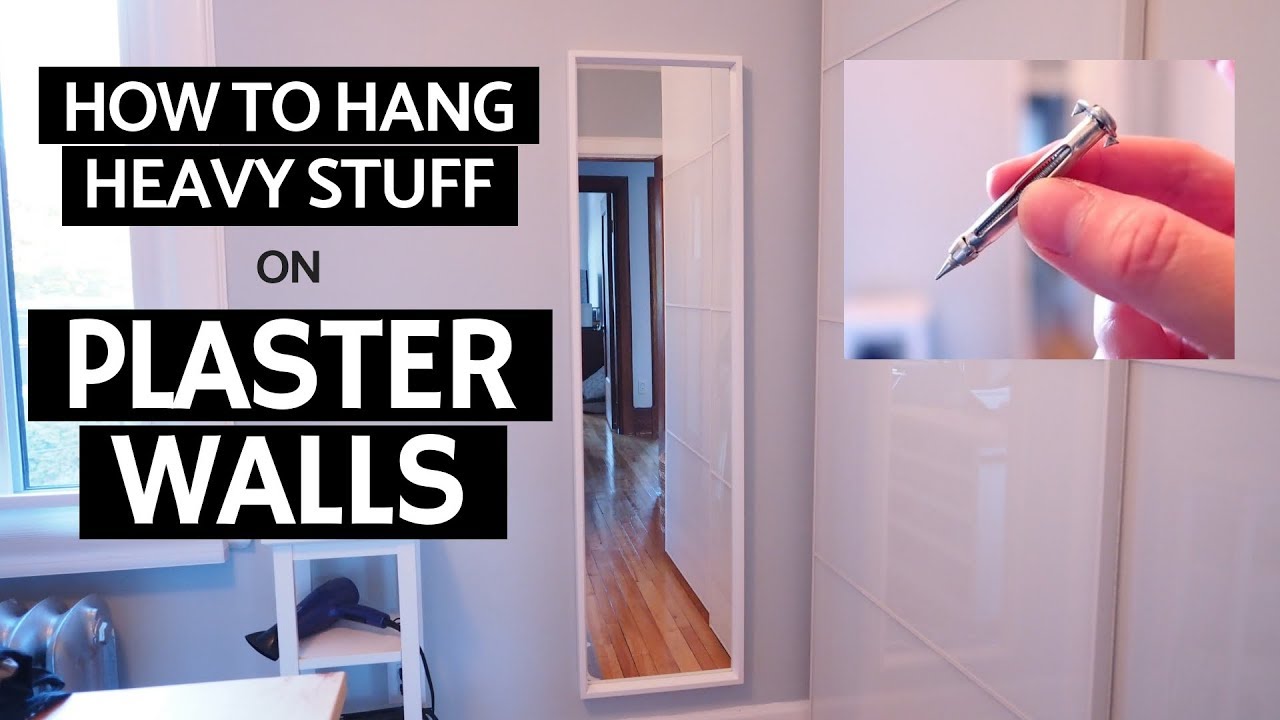
Plaster walls are fragile and can crack easily. Find wooden studs behind plaster for strong support. Use anchors designed for plaster if no stud is found. Drill carefully with a small bit. Tighten screws gently to prevent damage.
Common Mistakes To Avoid
Anchoring things to the wall seems simple. Many people make mistakes that cause damage or weak holds. Avoiding these errors helps keep your walls safe. It also ensures your items stay secure and stable.
Overloading Anchors
Every anchor has a weight limit. Putting too much weight on an anchor can make it fail. This causes the item to fall and damage walls or floors. Always check the anchor’s weight rating before use. Use multiple anchors for heavy objects. This spreads the weight and keeps things safe.
Ignoring Wall Material
Walls are not all the same. Drywall, plaster, brick, and concrete need different anchors. Using the wrong anchor weakens the hold. It can also cause wall damage. Identify your wall type first. Choose anchors designed for that specific material.
Incorrect Drill Bit Size
Drill bits must match anchor size. A hole too small makes it hard to insert the anchor. A hole too big makes the anchor loose. Both cause weak support. Measure the anchor diameter carefully. Use the drill bit size recommended on the anchor package.
Safety Precautions
Anchoring things to the wall can be simple. Safety is key to avoid accidents. Taking the right precautions keeps you safe and protects your home. Here are important safety tips to follow.
Using Protective Gear
Wear safety glasses to protect your eyes from dust and debris. Use gloves to guard your hands from sharp tools. A dust mask helps prevent breathing in harmful particles. Protective gear reduces the risk of injury while working.
Avoiding Electrical Wires
Check the wall for electrical wires before drilling. Use a stud finder with wire detection. Avoid drilling near switches and outlets. Striking a wire can cause shocks or fires. Stay safe by knowing where wires run inside walls.
Proper Ladder Use
Choose a stable ladder that fits your height needs. Place the ladder on flat, firm ground. Always face the ladder and keep three points of contact. Do not overreach or lean too far to one side. Proper ladder use prevents falls and injuries.
Frequently Asked Questions
What Tools Do I Need To Anchor Things To The Wall?
You need a drill, wall anchors, screws, a screwdriver, a level, and a pencil. These tools ensure secure and precise installation.
How Do I Choose The Right Wall Anchor Type?
Select anchors based on wall material and object weight. Use plastic anchors for light loads, metal for heavy items.
Can I Anchor Heavy Objects On Drywall Safely?
Yes, use toggle bolts or molly bolts for heavy items on drywall. These anchors distribute weight effectively.
How Deep Should I Drill Holes For Wall Anchors?
Drill holes slightly deeper than the anchor length. This allows the anchor to fit fully and securely.
Conclusion
Anchoring things to the wall keeps them safe and stable. Choose the right anchor for your wall type. Drill carefully and insert anchors firmly. Tighten screws gently to avoid damage. This simple process helps your items stay secure. Try these steps for a neat, strong hold.
Keep your space organized and safe today.