Are you tired of struggling to remove Command Hooks without damaging your walls? You’re not alone.
Many people worry about leaving sticky residue or peeling paint behind. The good news is, taking Command Hooks off your wall can be quick and hassle-free when you know the right steps. You’ll discover simple tricks to get the job done cleanly and easily.
Keep reading to learn how to protect your walls and say goodbye to those hooks for good.
Tools You’ll Need
Removing Command hooks from walls is simple with the right tools. These tools help protect your wall and make the process easier. Gather supplies before you start for a smooth experience.
Gathering Basic Supplies
You need a few basic items to remove Command hooks safely. Start with dental floss or fishing line. This helps slide behind the hook’s adhesive strip. A plastic card, like a credit card, can also help lift the hook gently. Have a clean cloth or sponge ready for wiping any residue. A little rubbing alcohol can remove leftover sticky spots.
Optional Tools For Stubborn Hooks
Some hooks stick very well and need extra help. A hair dryer can warm the adhesive, making it softer and easier to remove. A plastic scraper or putty knife helps lift the edges without damaging the paint. Use these tools carefully to avoid wall damage.
:max_bytes(150000):strip_icc()/how-to-remove-command-strips-5089679-08-f1a503a270af4f05a47e576b957c8f6b.jpg)
Credit: www.thespruce.com
Preparing The Area
Preparing the area is an important first step before removing Command hooks from your wall. Taking time to get the space ready helps avoid damage and makes the process smoother. It also keeps your wall clean and safe.
Clearing Surrounding Space
Remove any items near the hook. Clear shelves, tables, or furniture around it. This gives you room to work comfortably. Avoid knocking things over or breaking items. A clear space helps you focus on removing the hook carefully.
Protecting Your Wall Surface
Place a soft cloth or towel under the hook. This protects the wall from scratches or marks. Avoid using sharp tools near the wall. Gentle care keeps your paint and wallpaper intact. If the wall is painted, test a small area first. This ensures the surface stays safe during removal.
Removing Command Hooks Safely
Removing Command hooks safely protects your walls and keeps surfaces clean. These hooks use adhesive strips designed for easy removal without damage. Careful removal helps avoid paint peeling or wall marks. Follow simple steps to take them off correctly.
Peeling The Strip Downwards
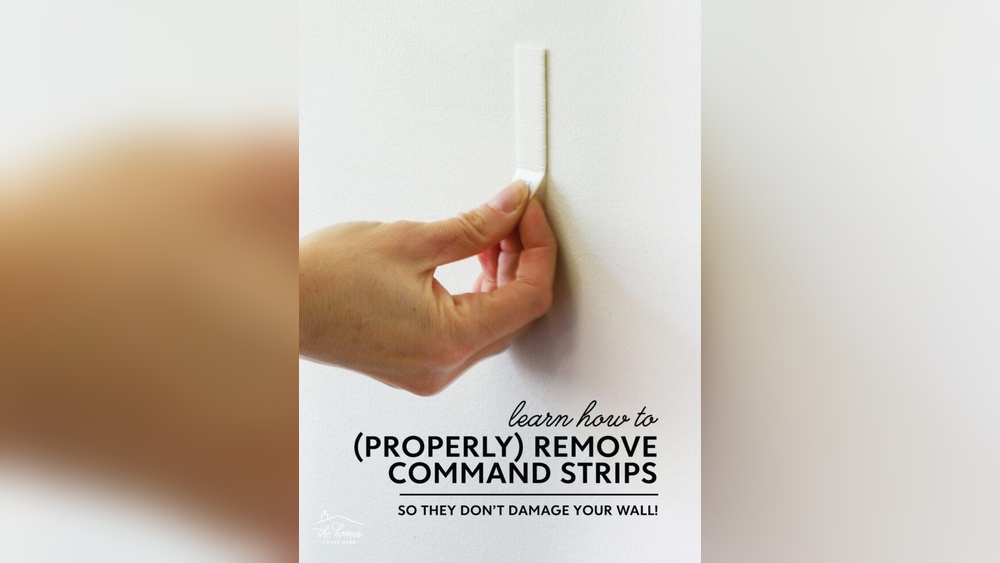
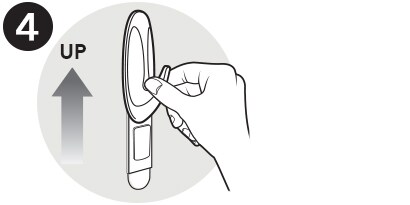
Grip the bottom of the adhesive strip firmly. Pull the strip slowly straight down, staying close to the wall. Stretch the strip along the wall, not away from it. This gentle stretch releases the adhesive without harming paint. Stop if you feel resistance. Give the strip more time to loosen before pulling again.
Avoiding Common Mistakes
Do not pull the strip outward or upwards. This can damage the wall surface or paint. Avoid using sharp objects to pry the hook off. Sharp tools can cause scratches or holes. Do not rush the removal process. Pulling too fast may tear the strip, making removal harder. Always follow the instructions on the package for best results.
Tips For Stuck Or Old Hooks
Some Command hooks stick strongly to the wall, especially if they are old. Removing these hooks needs care to avoid wall damage. Using special techniques can help loosen the adhesive safely. These tips work well for stubborn hooks that refuse to budge.
Using Heat To Loosen Adhesive
Heat softens the glue behind the hook. A hair dryer works well for this. Hold it near the hook and warm the area for about 30 seconds. The heat makes the adhesive easier to pull off. Avoid overheating to protect your wall paint.
Applying Gentle Pressure Techniques
Pull the hook gently but firmly. Use slow, steady pressure instead of quick yanks. Try to pull the tab straight down, not outwards. This reduces the risk of tearing the wall. If the hook resists, pause and apply more heat before trying again.
Cleaning Up Residue
Removing Command hooks can leave sticky residue on your walls. Cleaning this residue is important to keep walls looking neat. The right approach helps avoid damage and keeps surfaces clean. Follow these simple steps to clean residue safely and effectively.
Removing Sticky Residue
Sticky residue can be tricky to remove. Start by rubbing the area gently with your fingers. This can loosen some of the sticky material. For stubborn spots, use a soft cloth dampened with warm water.
Apply small amounts of rubbing alcohol or vinegar to the cloth. Test it on a hidden spot first to check for wall damage. Gently rub the residue until it starts to lift. Avoid harsh scrubbing to protect the paint.
Safe Cleaning Products For Walls
Choose cleaning products that are gentle on paint and wallpaper. Mild dish soap mixed with water works well. Apply the solution with a soft sponge or cloth. Wipe the area softly to remove leftover adhesive.
Avoid bleach or strong chemicals. These can damage wall surfaces. Always test cleaning products on a small area first. This prevents unexpected damage or discoloration.
Credit: www.commandbrand.com.au
Preventing Wall Damage
Removing Command Hooks without damaging your wall is possible. Careful steps protect paint and drywall from peeling or holes. Follow these tips to keep walls looking great after removal.
Proper Removal Timing
Remove Command Hooks at room temperature. Cold walls make the adhesive harder to pull. Warm walls soften the glue, easing removal. Wait at least one hour after sticking the hook. This lets the adhesive set properly. Avoid removing hooks right after installation.
Avoiding Paint Peeling
Pull the adhesive strip slowly downwards, not outwards. Stretch the strip gently along the wall to release the glue. Do not yank or pull the hook away fast. Use your hand to support the wall around the hook. This reduces stress on the paint. If paint starts to peel, stop and try warming the strip with a hairdryer. Heat softens the adhesive for easier removal.
Reusing Command Hooks
Reusing Command hooks saves money and reduces waste. These hooks work well again if handled carefully. Removing them without damage helps keep their strength and look. Simple steps help you reuse hooks on different surfaces.
Checking Hook Condition
Look closely at the hook before reusing it. Check for cracks or bent parts. A damaged hook will not hold well. Make sure the plastic is clean and dry. Dirt or sticky residue lowers the hook’s grip. Wipe it gently with a damp cloth if needed.
Replacing Adhesive Strips
Old adhesive strips lose their stickiness fast. Remove used strips completely from the hook. Buy new Command adhesive strips made for your hook size. Apply the new strip firmly to the hook’s back. Press the hook against a clean wall for 30 seconds. This helps the adhesive stick well again.

Credit: www.youtube.com
Frequently Asked Questions
How Do You Safely Remove Command Hooks From Walls?
To safely remove Command hooks, gently pull the adhesive strip downward. Avoid pulling it outward or too quickly to prevent wall damage. Slowly stretch the strip until it releases completely.
Can Command Hooks Damage Painted Walls?
Command hooks usually don’t damage painted walls if removed properly. Stretch the adhesive strip slowly downward to avoid paint peeling or wall marks. Using the correct removal technique preserves wall integrity.
What Is The Best Way To Remove Stuck Command Hooks?
For stuck Command hooks, try warming the adhesive with a hairdryer. This softens the glue, making it easier to pull the strip down slowly without damaging the wall.
Are Command Hooks Reusable After Removal?
No, Command hooks are generally single-use. Once removed, the adhesive loses its strength. To reuse, replace the adhesive strips with new ones designed for Command hooks.
Conclusion
Removing Command Hooks does not have to be hard. Use gentle pulling to avoid wall damage. Take your time and follow the steps carefully. This will help keep your walls clean and smooth. You can reuse hooks if you want or try other options.
Knowing how to remove hooks makes changing decorations easier. Keep your space neat without leaving marks behind. Simple care can save your walls and your time.