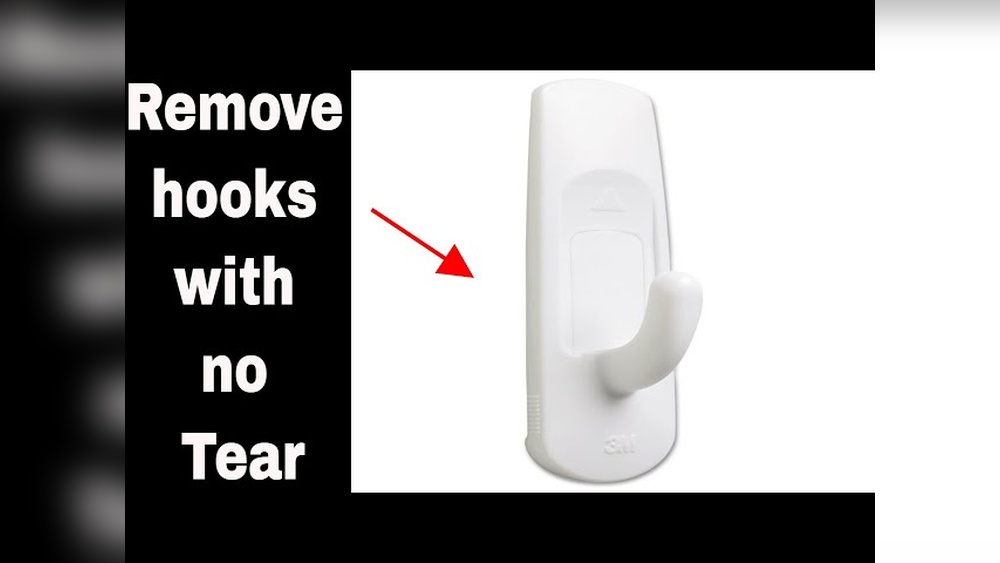
Are you struggling to remove sticky wall hooks without damaging your walls? You’re not alone.
Those handy hooks can be a real lifesaver for organizing, but when it’s time to take them down, they often leave behind sticky residue or even peel off paint. Don’t worry—you don’t have to live with the mess or spend hours scrubbing.
You’ll discover simple, effective ways to get those hooks off cleanly and easily. Keep reading to save your walls and your sanity!
Types Of Sticky Wall Hooks
Sticky wall hooks are popular for hanging items without nails or screws. They come in different types, each with unique features and uses. Knowing these types helps you remove them safely and without damage.
Adhesive Strips
Adhesive strips stick to walls with a strong glue. They hold light to medium weight items. The glue is designed to stay put but can peel off cleanly. Removing them usually involves pulling the strip down slowly.
Gel-based Hooks
Gel-based hooks use a sticky gel pad to attach to surfaces. The gel is flexible and can hold uneven surfaces well. These hooks are good for bathrooms or kitchens. The gel can be soft, so removal requires gentle peeling to avoid damage.
Command Hooks
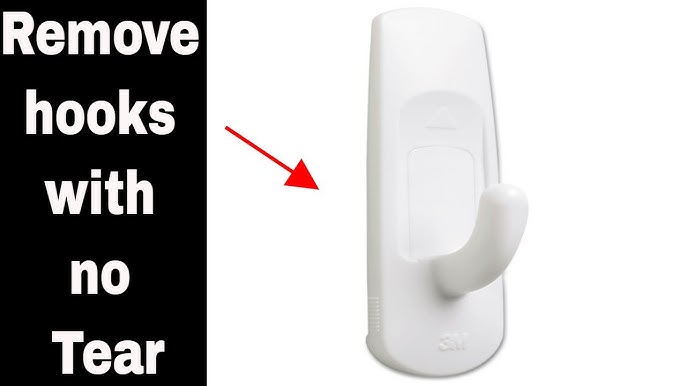
Command hooks use special adhesive strips made for easy removal. They hold heavier items compared to regular strips. The strips stretch down to release the hook without leaving marks. These hooks are popular for damage-free hanging on walls.
Credit: www.familyhandyman.com
Tools You’ll Need
Removing sticky wall hooks can be tricky without the right tools. Having a few simple items ready makes the job easier and safer for your walls. These tools help soften the adhesive and lift the hook without damage. Prepare these items before starting.
Hair Dryer Or Heat Source
Heat softens the glue holding the hook to the wall. A hair dryer is ideal for this. Set it on medium heat. Hold it close to the hook for about 30 seconds. This loosens the adhesive, making removal smoother. Avoid very hot settings to protect paint or wallpaper.
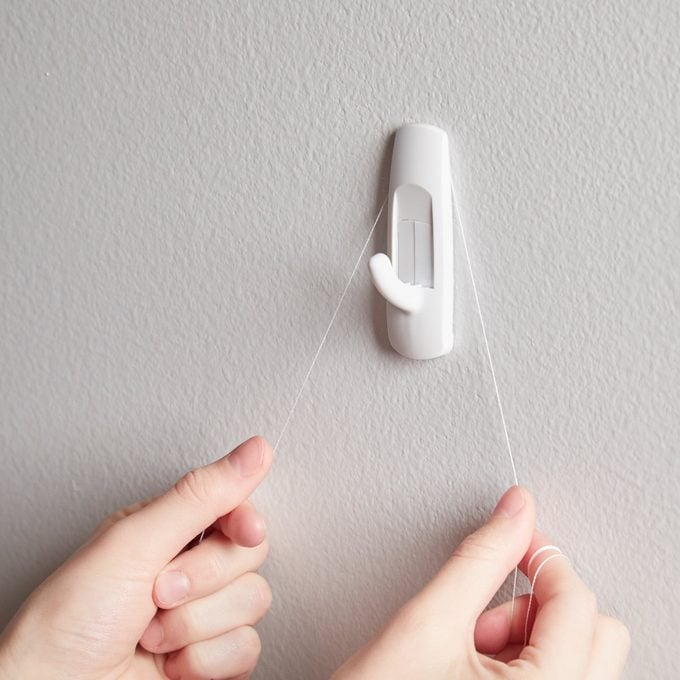
Fishing Line Or Dental Floss
Thin, strong lines work well to cut through sticky glue. Fishing line or dental floss slides behind the hook easily. Use a gentle sawing motion to separate the hook from the wall. This method reduces wall damage and keeps the surface clean.
Plastic Scraper
A plastic scraper helps lift any glue residue left behind. It is safer than metal tools that can scratch walls. Use the scraper gently to avoid marks. This tool cleans up the surface after removing the hook. It also helps remove small sticky bits.
Cleaning Supplies
After removing the hook, clean the wall surface. Mild soap and water work well. Use a soft cloth or sponge to wipe the area. Avoid harsh chemicals that can damage paint. Cleaning removes leftover adhesive and prepares the wall for new hooks or paint.
Preparation Steps
Preparation is key before removing sticky wall hooks. Taking some simple steps can protect your walls and make removal easier. These steps help avoid damage and save time.
Start by organizing your space and materials. Then, check how the hook reacts to your removal method. Follow these preparation steps carefully for best results.
Clear The Area
Remove items near the hook to avoid accidents. Clear shelves, furniture, or decorations close to the wall hook. This creates space to work and prevents damage.
Test A Small Spot
Pick a hidden spot near the hook. Test your removal method there first. This shows if the wall surface can handle the removal safely. Avoid surprises later on.
Gather Materials
Collect tools like a hairdryer, dental floss, or rubbing alcohol. Have a soft cloth or sponge ready for cleaning. Proper materials make the process smoother and protect your walls.

Credit: www.reddit.com
Heat Method For Removal
The heat method is a simple way to remove sticky wall hooks without damage. Heat softens the glue, making it easier to peel off the hook. This method works well on many surfaces, like painted walls or tiles. It reduces the risk of peeling paint or leaving sticky residue behind.
Warm The Adhesive
Use a hairdryer on medium heat. Hold it a few inches from the hook. Move it around the edges slowly. Warm the glue for about one to two minutes. The heat makes the adhesive soft and less sticky. Be careful not to overheat and damage the wall.
Gently Peel Off Hook
Once warm, try to lift the hook’s edge. Use your fingers or a plastic card. Pull the hook slowly and steadily. Avoid quick or harsh movements. If it resists, warm the glue again. Keep peeling until the hook comes off cleanly.
Fishing Line Technique
Using a plastic scraper helps remove sticky wall hooks safely. It prevents damage to your walls and keeps the surface smooth.
This tool gently lifts the hook’s edges without scratching paint or wallpaper. The plastic material is soft but firm enough to ease the hook off.
Loosen Edges
Start by sliding the plastic scraper under the hook’s edges. Move it slowly to avoid tearing the wall surface.
Work the scraper around the hook to loosen all sides. This step softens the adhesive’s hold, making removal easier.
Lift Hook Slowly
After loosening the edges, lift the hook carefully using the scraper. Pull it gently to avoid pulling paint or wallpaper.
Keep the scraper close to the wall for support. Patience prevents damage and helps remove the hook cleanly.
Using Plastic Scraper
Sticky wall hooks leave behind sticky residue after removal. Cleaning this residue helps keep your walls neat. It also prevents dirt and dust from sticking to the surface. Use simple household items to remove the leftover adhesive. Follow these easy steps for a clean wall.
Use Rubbing Alcohol
Dab a cotton ball with rubbing alcohol. Gently rub the sticky area in small circles. The alcohol breaks down the adhesive. Wipe the residue away with a clean cloth. Repeat if some sticky spots remain. This method works well on most surfaces.
Try Mild Soap And Water
Mix mild soap with warm water. Dip a soft cloth into the solution. Rub the sticky residue softly to loosen it. Rinse the cloth and wipe the area clean. Dry the wall with a towel afterward. Soap and water are safe for painted walls.
Remove Sticky Leftovers
Use a plastic scraper or old credit card to lift stuck bits. Avoid metal tools to prevent damage. Apply gentle pressure to avoid scraping paint. Clean off any loosened residue with a damp cloth. Repeat cleaning steps if needed until the wall is smooth.
Cleaning Residue
Removing sticky wall hooks can be tricky without harming your walls. Walls are delicate and need gentle care. Damage can cause paint to peel or leave marks. Use the right methods to keep walls clean and smooth. These tips help you protect your walls while taking off hooks.
Avoid Sharp Tools
Never use knives or metal tools to pry off hooks. Sharp tools can scratch or gouge your wall surface. Use soft items like a plastic card or your fingers instead. This reduces the risk of permanent damage. Gentle tools work better for sticky hooks.
Apply Even Pressure
Pull the hook slowly with steady, even force. Uneven pressure can tear paint or drywall. Stretch the adhesive gently along the wall. This technique loosens the hook without ripping the wall finish. Steady pressure makes removal safer and cleaner.
Take Your Time
Do not rush the process. Slow and careful removal lowers the chance of wall damage. Let the adhesive soften if possible before pulling. Patience helps keep walls intact and smooth. Taking your time means less work fixing damage later.
Tips To Avoid Wall Damage
Removing sticky wall hooks can be simple with the right steps. Sometimes, the task becomes tricky or risky. Calling a professional might save time and prevent damage. Knowing when to seek help is important for good results.
Severe Wall Damage
Wall damage can happen if hooks pull off paint or drywall. Large cracks or holes need expert repair. Professionals know how to fix walls without making problems worse. Avoid trying to fix severe damage alone.
Stubborn Adhesive
Some adhesives stick very hard to walls. Removing them may cause peeling or marks. Experts have special tools and products to remove tough glue safely. This prevents damage and keeps walls clean.
Delicate Wall Surfaces
Walls like wallpaper or textured finishes need careful handling. Sticky hooks can tear or ruin these surfaces. Professionals understand how to protect delicate walls. They use gentle methods to remove hooks without harm.
Credit: www.youtube.com
Frequently Asked Questions
How Do I Safely Remove Sticky Wall Hooks?
To safely remove sticky wall hooks, gently pull the tab straight down. Avoid pulling outward to prevent wall damage. Use warm soapy water to clean residue. Pat dry before reapplying new hooks or decorations. This method preserves your wall’s surface effectively.
Can Sticky Hooks Damage My Paint Or Wallpaper?
Sticky hooks can damage paint or wallpaper if removed improperly. Pulling hooks sideways can peel paint or tear wallpaper. Always pull the adhesive tab straight down slowly. Use a hairdryer to soften adhesive for easier removal. This prevents surface damage and keeps walls intact.
What Should I Do If Sticky Hook Residue Remains?
If residue remains, use warm soapy water or rubbing alcohol. Apply gently with a cloth to dissolve adhesive. Avoid harsh scrubbing to protect the wall’s finish. After cleaning, wipe dry and inspect for any leftover stickiness. This ensures a clean, damage-free surface.
Are Sticky Wall Hooks Reusable After Removal?
Most sticky wall hooks are not reusable after removal. Adhesive loses strength once detached from the wall. For best results, use new hooks for reapplication. Some brands offer refill adhesive strips for reuse. Always check product guidelines for specific reuse instructions.
Conclusion
Removing sticky wall hooks can be easy and damage-free. Use gentle heat or oil to loosen the adhesive. Pull slowly and steadily to avoid wall marks. Clean the area well after removal for best results. These simple steps help keep your walls neat and safe.
Try these tips next time you need to remove hooks. Your walls will thank you.