Are you ready to lift your car safely and easily but unsure how to use a floor jack? Knowing the right steps can save you time, protect your vehicle, and keep you safe.
You’ll discover simple, clear instructions that anyone can follow. Plus, we’ll guide you to the best YouTube videos that show exactly how to handle a floor jack like a pro. Keep reading—you’ll gain the confidence and know-how to get the job done right every time.
Credit: www.achydraulic.com
Choosing The Right Floor Jack
Choosing the right floor jack is key for safe and easy vehicle lifting. The right jack fits your car and your workspace. It helps you work faster and prevents accidents. This guide breaks down the main points to help you pick the best one.
Types Of Floor Jacks
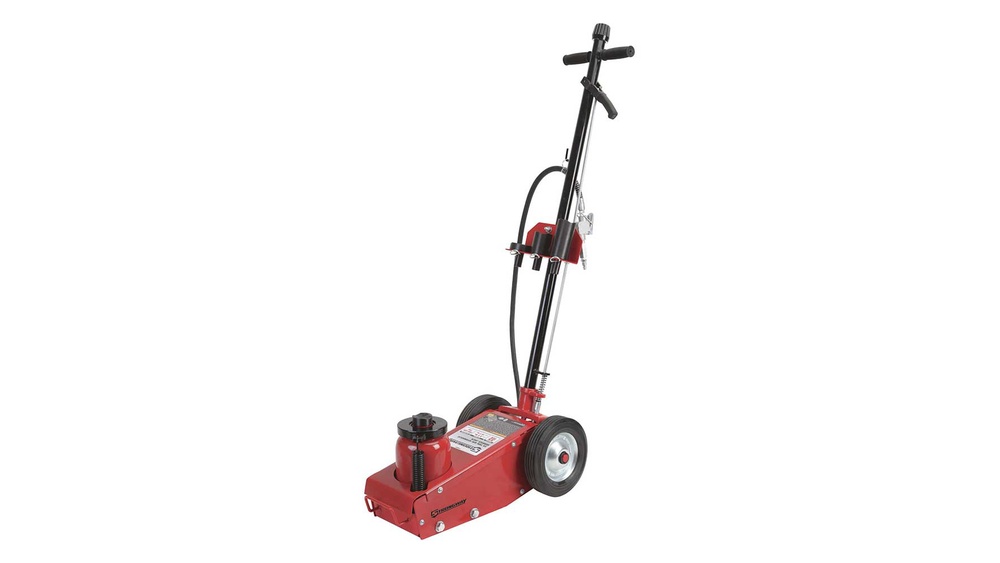
There are three main types of floor jacks: hydraulic, scissor, and bottle jacks. Hydraulic jacks are common and easy to use. They lift heavy loads smoothly. Scissor jacks are smaller and fit in tight spaces. Bottle jacks are tall and strong but less stable. Choose the type that suits your car and storage space.
Weight Capacity And Size
Check the weight capacity before buying. Your jack must lift your vehicle’s weight safely. Most cars need a 2-3 ton jack. Bigger vehicles need stronger jacks. Also, consider the jack’s size. A large jack might not fit under low cars. A small jack may not lift high enough. Balance size and strength for your needs.
Safety Features To Look For
Safety is the top priority. Look for a jack with a wide base for stability. A safety valve prevents overload and damage. Non-slip pads protect your vehicle and keep it steady. Smooth lifting and lowering controls reduce risk. These features help you work without worries.

Credit: burgertuning.com
Preparing For Lifting
Preparing for lifting your vehicle with a floor jack is an important step. It ensures safety and helps you lift the car correctly. You need to be careful and organized before starting.
Selecting A Stable Surface
Choose a flat and hard surface for the floor jack. Avoid soft ground or slopes. A stable surface keeps the jack steady and prevents accidents. Concrete or asphalt are best options. Never use a floor jack on uneven or slippery floors.
Locating The Jack Points On Your Vehicle
Find the correct jack points on your car. These are strong spots designed to hold the car’s weight. Check your vehicle’s manual for exact locations. Using wrong spots can damage your car or cause it to fall. Look under the car near the wheels for these points.
Gathering Necessary Tools
Collect all tools before lifting your car. You need the floor jack, wheel chocks, and jack stands. Wheel chocks stop the car from rolling. Jack stands support the car after lifting. Having everything ready saves time and keeps you safe.
Operating The Floor Jack
Operating a floor jack is simple but requires care. Proper use keeps you safe and protects your vehicle. This section explains how to operate the floor jack safely and effectively.
Positioning The Jack Correctly
First, place the jack on a flat, solid surface. Avoid soft or uneven ground. Find the vehicle’s recommended lifting points. These are often near the wheels or under the frame. Position the jack’s saddle directly under the lifting point. Make sure the jack is centered to avoid slipping.
Pumping The Handle To Lift
Hold the jack handle firmly. Pump it up and down slowly. Each pump raises the vehicle a little. Keep pumping until the vehicle lifts to the needed height. Stop before the tires leave the ground fully. Do not rush or force the handle.
Checking Stability While Lifting
Watch the vehicle’s movement as you lift. The car should stay steady without tilting. Stop if you see any wobbling or shifting. Use jack stands for extra support once lifted. Never rely on the jack alone to hold the vehicle.

Credit: www.youtube.com
Securing The Vehicle After Lifting
Securing the vehicle after lifting is a critical step in any repair or maintenance task. It keeps you safe and prevents accidents. Simply lifting the car with a floor jack is not enough. You need to make sure the vehicle stays stable and does not move. This section explains how to secure your vehicle properly.
Using Jack Stands Safely
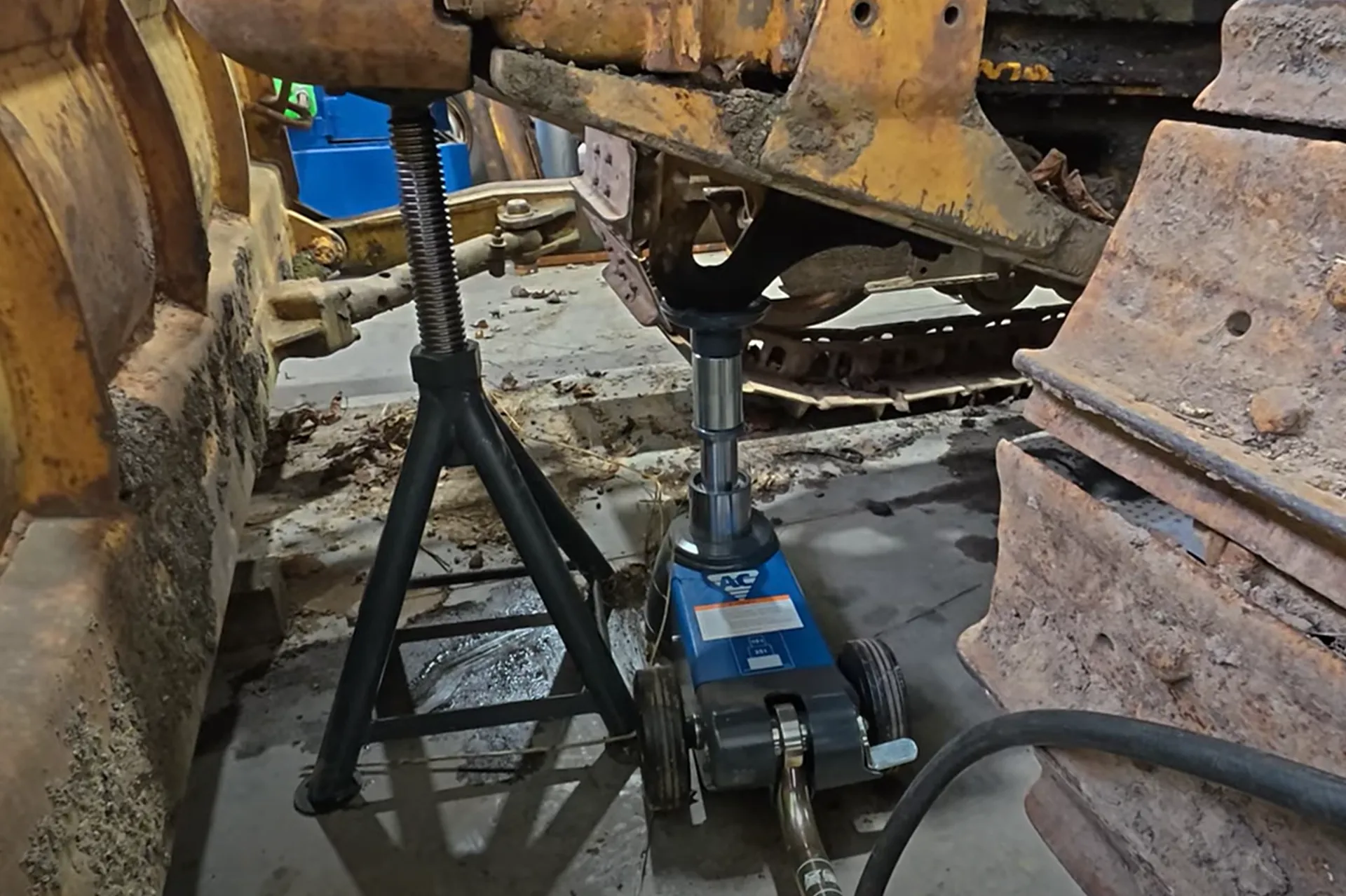
Place jack stands under strong points of the vehicle. These are usually near the frame or designated lifting points. Never rely on the floor jack alone to hold the vehicle. Slowly lower the car onto the jack stands. Make sure the stands are firmly in place and upright. Check that the vehicle sits evenly on the stands before working under it.
Avoiding Common Mistakes
Do not lift the vehicle on uneven ground. Always use a flat, solid surface. Avoid placing jack stands on soft dirt or gravel. Never skip using jack stands after lifting. Avoid rushing the process. Take your time to position everything correctly. Do not work under a vehicle supported only by a jack. This is very dangerous.
Ensuring Vehicle Stability
After placing the jack stands, gently shake the vehicle. This test shows if it is stable. If it moves, reposition the stands. Use wheel chocks on the opposite wheels to stop rolling. Double-check all equipment before starting any work. Stability is key to your safety during repairs.
Lowering The Vehicle Safely
Lowering a vehicle safely is one of the most important steps when using a floor jack. This process requires care and attention to avoid accidents and damage. Taking your time and following the right steps ensures you lower the car smoothly and safely.
Releasing The Jack Slowly
Turn the jack’s release valve gently. Do it slowly to control the speed of descent. Quick release can cause the vehicle to drop suddenly. This sudden drop may damage the car or cause injury. Keep your hands and feet clear of the vehicle’s path. Watch the car as it lowers to ensure smooth movement.
Removing Jack Stands
After the vehicle is close to the ground, remove the jack stands. Lift each stand carefully from under the car. Place them away from the work area. Do not rush this step to avoid the vehicle shifting. Make sure the car stays stable on the floor jack before removal.
Final Safety Checks
Double-check that the vehicle sits firmly on the ground. Confirm no tools or objects remain under the car. Check the jack handle is secure and the jack is fully lowered. Look around the vehicle for any signs of instability. Only then can you safely move away from the car.
Maintenance Tips For Floor Jacks
Maintaining a floor jack keeps it safe and working well. Regular care helps avoid costly repairs and accidents. Simple steps protect your investment and make lifting easier. Follow these tips to keep your floor jack in top shape.
Regular Inspection And Cleaning
Check your floor jack before each use. Look for cracks, rust, or leaks. Clean dirt and grease from all parts. Use a dry cloth or mild cleaner. Avoid water to protect metal parts. Removing debris stops damage and keeps the jack smooth.
Lubrication And Storage
Lubricate moving parts often to reduce friction. Apply light machine oil to wheels and joints. Do not over-oil to avoid attracting dirt. Store the jack in a dry, cool place. Keep it off the ground to prevent rust. Proper storage extends the jack’s life.
Troubleshooting Common Issues
If the jack lifts slowly, check the hydraulic fluid. Add fluid if levels are low. Air in the system can cause problems. Bleed the jack to remove trapped air. Stuck wheels or handles may need cleaning or oil. Fix minor issues early to prevent bigger damage.
Frequently Asked Questions
How Do I Safely Position A Floor Jack?
Place the floor jack under the vehicle’s recommended lifting point. Ensure the jack is on a flat, stable surface. Double-check for secure contact before lifting to prevent accidents or damage.
What Are The Basic Steps To Use A Floor Jack?
Start by placing the jack under the vehicle’s lift point. Pump the handle to raise the vehicle. Always use jack stands after lifting for added safety before working underneath.
Can I Use A Floor Jack On Uneven Ground?
No, using a floor jack on uneven ground is unsafe. It can cause instability and potential accidents. Always operate the jack on a flat, solid surface for proper support.
How Do I Lower A Vehicle With A Floor Jack?
Slowly turn the release valve or handle counterclockwise. Lower the vehicle gently to avoid sudden drops. Ensure the area is clear and the vehicle is stable during lowering.
Conclusion
Using a floor jack safely makes car work easier and faster. Always check the jack’s condition before use. Place it on a flat, strong surface for stability. Lift the car slowly and watch carefully. Never go under the car without support stands.
Practice these steps to avoid accidents. A floor jack helps with tire changes and repairs. Keep your workspace clean and well-lit. Simple care keeps the jack working well for years. Follow these tips, and you will handle your floor jack with confidence.
Safety first, every time.