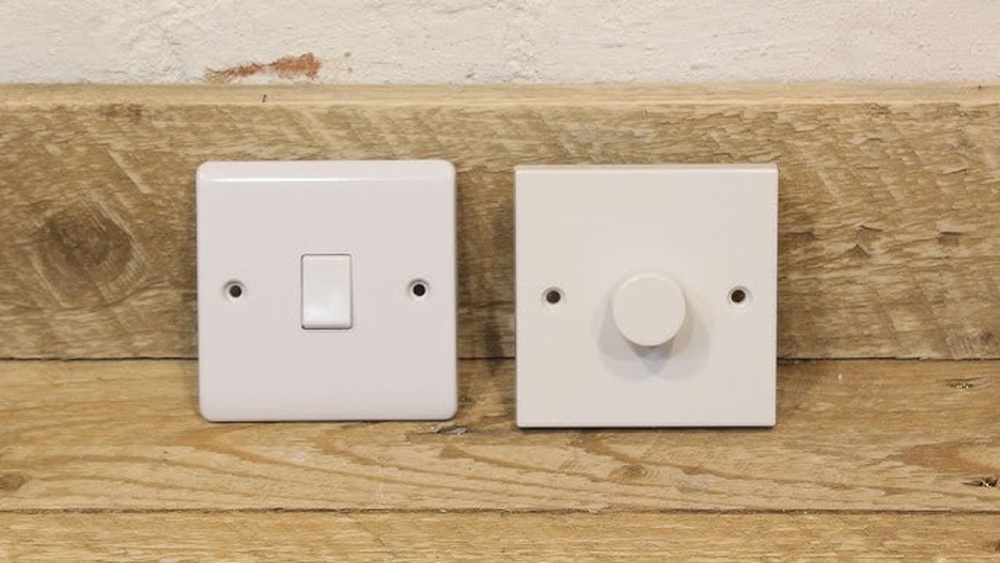
Are you tired of harsh, bright lights that make your room feel cold and uninviting? Imagine having the power to adjust your lighting with just a simple touch, creating the perfect mood anytime you want.
Changing your regular light switch to a dimmer switch is easier than you think—and it can completely transform your space. In this guide, you’ll learn step-by-step how to make the switch safely and quickly, even if you’re not an expert.
Ready to take control of your lighting and add a cozy, stylish touch to your home? Keep reading, and you’ll find out exactly how to do it.
Tools And Materials Needed
Changing a light switch to a dimmer switch is simple with the right tools and materials. Having everything ready saves time and makes the job easier. It also keeps you safe during the process. Below is a list of what you need to start this project.
Tools Needed
- Screwdriver (flathead and Phillips) for removing switch plates and screws
- Voltage tester to check if the power is off
- Wire stripper to remove insulation from wires
- Needle-nose pliers for bending and holding wires
- Electrical tape to secure wire connections
- Wire nuts to connect wires safely
Materials Needed
- Dimmer switch compatible with your light fixture
- Wall plate to cover the dimmer switch
- Light bulbs suitable for dimming (LED or incandescent)
Credit: www.homedepot.com
Choosing The Right Dimmer Switch
Choosing the right dimmer switch is an important step in changing a light switch to a dimmer. The correct dimmer switch ensures smooth control of light brightness. It also protects your bulbs and wiring from damage. Before buying, consider the type of dimmer and its compatibility with your bulbs. This helps avoid flickering, buzzing, or poor performance.
Types Of Dimmer Switches
There are several types of dimmer switches. The most common are rotary, slide, and toggle dimmers. Rotary dimmers turn a knob to adjust light levels. Slide dimmers use a sliding control for smooth changes. Toggle dimmers combine a switch with dimming control. Choose a type that fits your room’s style and your preference for control.
Dimmers also differ by technology. Leading-edge dimmers work well with incandescent bulbs. Trailing-edge dimmers suit LED and CFL bulbs better. Trailing-edge dimmers are quieter and offer finer control. Pick a dimmer type that matches your bulb technology for best results.
Compatibility With Bulbs
Not all dimmers work with every bulb type. Incandescent and halogen bulbs are easy to dim with most switches. LED and CFL bulbs need special dimmers designed for low wattage. Using the wrong dimmer causes flickering or damage to bulbs. Check the dimmer’s packaging for bulb compatibility information.
Some dimmers support a wide range of bulbs. Others work only with specific brands or models. Match the dimmer switch to your bulbs to get smooth dimming and long bulb life. This step is crucial for safe and efficient lighting control in your home.
Safety Precautions
Changing a light switch to a dimmer switch can improve your room’s lighting. Safety is very important during this task. Follow the right precautions to avoid accidents or damage.
Turn Off Power At The Circuit Breaker
Always switch off the power at the circuit breaker. Do not rely only on the wall switch. This stops electricity from flowing while you work. Test the switch with a voltage tester to confirm power is off.
Use Proper Tools And Equipment
Use insulated tools made for electrical work. Avoid metal tools without insulation. Wear rubber-soled shoes to reduce electric shock risk. Keep your workspace dry and clear of clutter.
Handle Wires Carefully
Do not touch bare wires with your hands. Use wire nuts or electrical tape to cover exposed wire ends. Keep wires separated to prevent short circuits. Check for damaged or frayed wires before connecting.
Understand Your Dimmer Switch
Read the instructions that come with your dimmer switch. Make sure it matches your light type and wattage. Using the wrong dimmer can cause overheating or flickering lights.
Seek Help If Unsure
If you feel unsure, ask a professional electrician. Do not take risks with electrical work. A small mistake can cause serious injury or fire.
Turning Off The Power
Turning off the power is the first and most important step before changing a light switch to a dimmer switch. It keeps you safe from electric shock and prevents damage to the electrical system.
Always treat electrical work with caution. Never skip this step. Safety must come first.
Locate The Circuit Breaker
Find the main electrical panel in your home. It is usually in the basement, garage, or utility room. Open the panel door carefully.
Look for the breaker labeled for the room or area where the light switch is installed. It might say “Living Room,” “Kitchen,” or “Lights.”
Turn Off The Correct Breaker
Flip the switch on the breaker to the OFF position. This stops electricity from flowing to the switch you want to change.
Double-check by flipping the switch firmly. Make sure it stays in the OFF position before continuing.
Test The Power Is Off
Use a non-contact voltage tester or a simple electrical tester to check the switch. Place the tester near the wires or terminals.
If the tester shows no power, it is safe to proceed. If the tester still detects electricity, turn off the breaker again or try another one.
Removing The Existing Switch
Removing the existing light switch is the first step to install a dimmer switch. This process requires care and attention for safety. Turn off the power at the circuit breaker before starting. Confirm the power is off by testing the switch.
Use a screwdriver to remove the wall plate covering the switch. This exposes the screws holding the switch to the electrical box. Remove these screws carefully. Gently pull the switch out from the wall.
Look at the wiring connected to the switch. Note how the wires attach to the terminals. Take a photo or make a drawing to remember the setup. This helps with connecting the dimmer switch later.
Loosen the terminal screws to disconnect the wires. Carefully pull the wires away from the switch. Avoid touching the wires together. Remove the old switch completely from the wall.
Turn Off The Power
Switch off the circuit breaker that controls the light switch. Use a voltage tester to check the switch for power. This step prevents electric shock during work.
Remove The Wall Plate
Use a flat-head screwdriver to remove the screws on the wall plate. Gently pull the plate away from the wall. Set the wall plate and screws aside safely.
Unscrew The Light Switch
Remove the screws holding the switch to the electrical box. Pull the switch out slowly. Keep the switch steady to avoid wire damage.
Disconnect The Wires
Note the wire locations before loosening screws. Use a screwdriver to loosen terminal screws. Carefully detach wires from the old switch.
Credit: www.homedepot.com
Wiring The Dimmer Switch
Wiring the dimmer switch is a key step in the installation process. It controls the light’s brightness by adjusting the electrical flow. Proper wiring ensures the dimmer works safely and effectively. This part requires careful attention to details and safety guidelines.
Connecting Wires Correctly
Start by turning off the power at the breaker. Use a voltage tester to confirm no electricity flows. Identify the wires in the wall box. Typically, there is a black (hot) wire, a white (neutral) wire, and a green or bare copper (ground) wire.
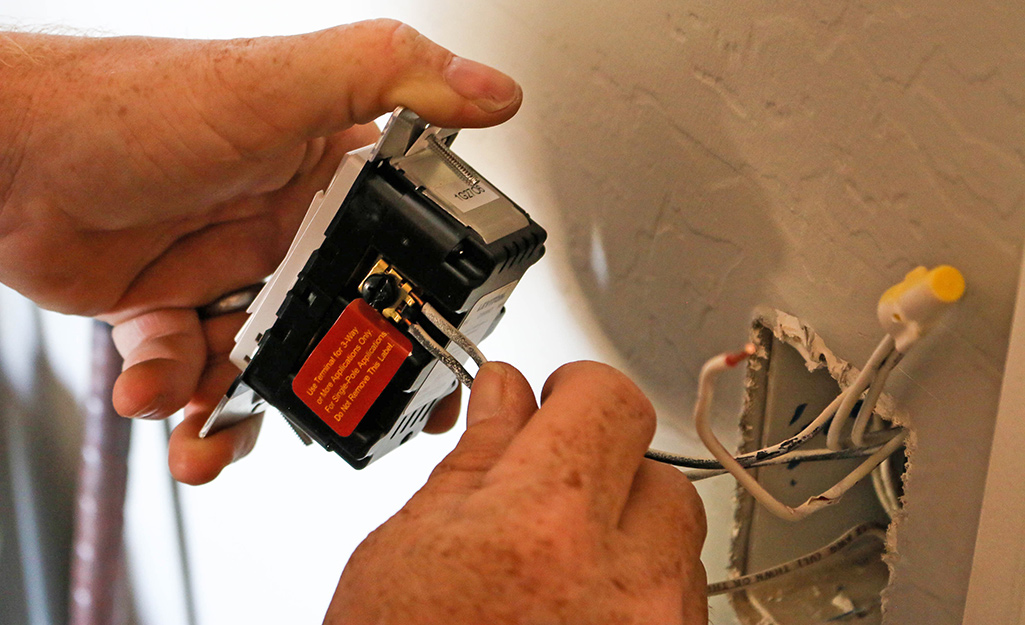
Connect the dimmer’s wires to the matching wires in the wall. Usually, the dimmer has two black wires and a green ground wire. Attach each black wire to the black wire from the wall. Connect the green or bare wire from the dimmer to the ground wire in the box. Do not connect the neutral wires to the dimmer unless the instructions say so.
Securing The Connections
Use wire nuts to secure each pair of connected wires. Twist the wire nuts clockwise until tight. Give each wire a gentle tug to check security. Wrap the wire nuts and exposed wires with electrical tape for extra safety.
Push the wires neatly back into the box. Avoid sharp bends or pinches. Attach the dimmer switch to the wall box with screws. Turn on the power and test the dimmer for smooth operation.
Mounting The Dimmer Switch
Mounting the dimmer switch is a key step in upgrading your lighting. This process secures the switch to the wall and connects it properly. Careful mounting ensures safety and smooth operation.
Start by positioning the dimmer switch in the electrical box. Align it so the screw holes match the box’s holes. This keeps the switch stable and flush with the wall.
Secure The Dimmer Switch With Screws
Use the screws provided with your dimmer switch. Insert them into the holes and tighten evenly. Tighten enough to hold the switch firmly, but do not overtighten.
Attach The Wall Plate
Place the wall plate over the dimmer switch. Line it up with the screw holes. Use the small screws to fasten the plate. The wall plate protects wires and gives a finished look.
Test The Dimmer Switch
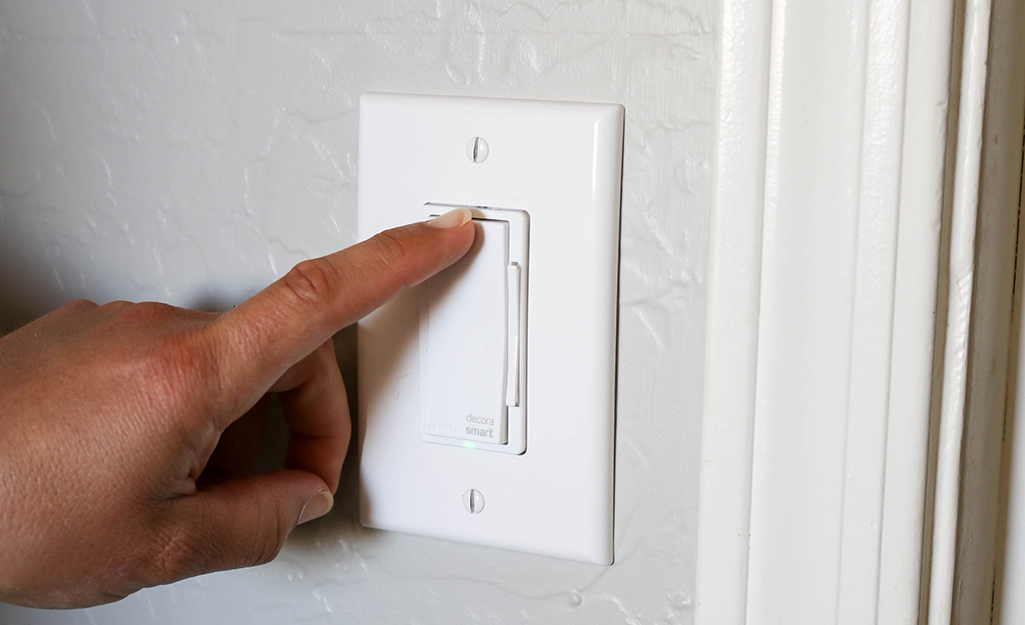
Turn the power back on at the breaker. Adjust the dimmer knob or slider to check if the light changes brightness smoothly. If it works correctly, the switch is mounted properly.
Testing The Dimmer Switch
Testing the dimmer switch is an important step after installation. It ensures the switch works properly and controls the light brightness as expected. This step helps avoid any electrical problems or flickering lights.
Before testing, double-check all wires are connected tightly. Make sure the power is turned back on at the circuit breaker. Safety first.
Turn On The Power
Switch the circuit breaker back on. This restores electricity to the dimmer switch. Then, flip the dimmer switch to the “on” position. The light should come on without flickering or delay.
Adjust The Dimmer Control
Slowly move the dimmer slider or rotate the knob. The light should get dimmer or brighter smoothly. If the light flickers or stays the same, check the wiring again.
Check For Warmth Or Noise
Feel the dimmer switch for heat. A slight warmth is normal. Loud buzzing or excessive heat means a problem. Turn off power and inspect the installation.
Troubleshooting Common Issues
Troubleshooting common issues helps fix dimmer switch problems quickly. Problems may occur during or after installation. Understanding simple fixes saves time and effort. This section guides through common dimmer switch issues and solutions.
Check For Loose Wiring Connections
Loose wires cause flickering or no light at all. Turn off power before inspecting wires. Tighten all wire nuts and screws securely. Ensure wires are connected to correct terminals.
Verify Dimmer Switch Compatibility
Not all dimmers work with every bulb type. Use dimmers designed for LED, incandescent, or CFL bulbs. Check the packaging for compatibility details. Using the wrong dimmer causes flicker or no dimming.
Inspect The Circuit Breaker
A tripped breaker can stop your dimmer switch from working. Check your home’s breaker panel. Reset any tripped breakers to restore power. This simple step often solves power issues.
Replace Faulty Bulbs
Burned-out or incompatible bulbs cause dimming problems. Test bulbs in another socket to confirm they work. Replace bulbs that flicker or do not dim correctly. Use bulbs recommended for dimmer switches.
Test The Dimmer Switch Function
Sometimes the dimmer switch itself is faulty. Use a multimeter to test for electrical continuity. Replace the dimmer if it shows no continuity. A new dimmer restores proper lighting control.

Credit: www.youtube.com
Frequently Asked Questions
What Tools Are Needed To Change A Light Switch To A Dimmer?
You will need a screwdriver, voltage tester, wire stripper, and a compatible dimmer switch. Always turn off power before starting.
Can I Install A Dimmer Switch Myself Safely?
Yes, if you follow safety steps and local codes. Turn off power and use a voltage tester to avoid shocks.
Will A Dimmer Switch Work With All Types Of Bulbs?
Dimmer switches work best with incandescent and dimmable LED bulbs. Check bulb compatibility to ensure proper dimming function.
How Do I Know If My Wiring Supports A Dimmer Switch?
Most standard switch wiring supports dimmers. Look for a hot wire, neutral wire, and ground wire in the box.
Conclusion
Changing a light switch to a dimmer switch is simple and useful. It lets you control brightness and save energy. Always turn off power before starting any work. Follow steps carefully to avoid mistakes or accidents. With a little patience, you can enjoy soft lighting in any room.
This small change makes your space feel cozy and inviting. Try it yourself and see the difference it brings.

