Are you looking to add a convenient power outlet right next to your light switch? Whether you want to charge your devices or plug in a lamp without running long cords, adding a receptacle to a light switch can be a simple and smart solution.
But how do you do it safely and correctly? In this guide, you’ll discover easy steps to install a new outlet alongside your switch, saving you time and avoiding costly mistakes. Keep reading to learn exactly what you need and how to get the job done right.
Tools And Materials Needed
Before adding a receptacle to a light switch, gather all the tools and materials. Having the right items makes the job easier and safer. Prepare everything in advance to save time and avoid mistakes.
Basic Electrical Tools
Start with essential tools like a screwdriver set. Use both flathead and Phillips screwdrivers. Wire strippers help remove insulation from wires. A voltage tester checks if wires are live. Pliers assist in bending and holding wires.
Materials For Installation
Get a standard electrical receptacle that matches your home’s voltage. Use electrical wire, usually 14/2 or 12/2 gauge depending on circuit needs. Wire nuts secure wire connections safely. An electrical box fits into the wall to hold the receptacle.
Safety Equipment
Wear insulated gloves to protect from electric shock. Safety glasses shield your eyes from debris. A non-contact voltage tester adds extra safety by detecting live wires without touching them. Turn off power at the breaker before starting work.
Safety Precautions
Safety is the top priority when adding a receptacle to a light switch. Electrical work can be dangerous without the right steps. Taking precautions protects you and your home from harm. Follow simple safety rules to avoid accidents.
Turn Off Power At The Circuit Breaker
Always switch off the power to the circuit before starting work. Do not rely on the light switch to cut power. Use the circuit breaker to ensure no electricity flows through the wires.
Use A Voltage Tester
Check that the wires are not live using a voltage tester. Test all wires inside the switch box. This step confirms the power is off and safe to handle.
Wear Protective Gear
Wear rubber-soled shoes and insulated gloves. These help reduce the risk of electrical shock. Avoid working in wet or damp areas to stay safe.
Follow Local Electrical Codes
Check local rules before starting your project. Codes ensure safe and proper wiring methods. Use approved materials and correct wire sizes for the job.
Do Not Work Alone
Have someone nearby while working on electrical circuits. They can help in case of an emergency. Never work in isolation when dealing with electricity.
Locate The Existing Switch Box
Start by finding the switch box where the light switch is installed. This box holds the wires needed to add a new receptacle. Check behind the switch cover to see the wiring inside.
Start by finding the switch box that controls the light. This box holds the wiring and switch for the light fixture. Knowing its location is important before adding a receptacle.
Most switch boxes sit on the wall near the door. They are usually about 48 inches from the floor. You can spot the switch plate easily by sight or touch.
Turn off power at the circuit breaker for safety. Use a voltage tester to confirm no electricity flows in the wires. Safety first.
Check The Switch Box Size And Space
Open the switch box carefully. Look inside to see how much space is free. You need enough room for the new receptacle wires and device.
Standard boxes may be small. Sometimes, you may need a bigger box or a box extender. This helps keep wiring neat and safe.
Identify The Wires Inside The Box
See how many wires are inside the switch box. Usually, you will find a hot wire, a neutral wire, and a ground wire. These are needed for the new receptacle.
Use a flashlight to get a clear view. Label wires with tape to avoid confusion. Correct wire identification prevents wiring mistakes.
Turn Off Power Supply
Turning off the power supply is the first and most important step before adding a receptacle to a light switch. It keeps you safe from electric shocks and prevents damage to your electrical system. Always take this step seriously to avoid accidents.
Electricity can be dangerous. Even a small mistake can cause serious injury. So, never skip turning off the power before starting any electrical work.
Locate The Circuit Breaker
Find your home’s main electrical panel. It is usually in the basement, garage, or utility room. Look for the circuit breaker that controls the light switch you want to work on.
Switch Off The Correct Breaker
Flip the breaker switch to the “off” position. This stops the flow of electricity to the switch and outlet area. Double-check that you turned off the right breaker to avoid surprises.
Test For Power
Use a voltage tester or a non-contact tester. Touch it to the wires or switch terminals. If the tester shows no power, it is safe to proceed with your work.
Remove Switch Cover And Switch
Removing the switch cover and switch is the first step to add a receptacle. It allows access to the wiring inside the wall. This step must be done carefully to avoid damage or injury.
Start by turning off the power at the circuit breaker. This stops electricity flow and keeps you safe during the process.
Unscrew The Switch Cover Plate
Use a screwdriver to remove the screws holding the cover plate. Place screws somewhere safe to avoid losing them. Gently pull the cover plate away from the wall.
Test For Power
Use a non-contact voltage tester near the switch wires. Confirm no electricity flows before touching any wires. Safety first.
Remove The Switch From The Wall Box
Unscrew the screws holding the switch to the wall box. Carefully pull the switch out to see the wires connected to it. Do not pull too hard to avoid wire damage.
Note Wire Placement
Take a picture or mark each wire’s position on the switch. This helps during reconnection or new wiring steps. Clear notes reduce errors.
Disconnect The Switch Wires
Loosen the terminal screws to free the wires. Carefully remove each wire from the switch. Keep wires separated and avoid touching them together.
Identify Wiring Configuration
Identifying the wiring configuration is the first step to adding a receptacle to a light switch. This process helps you understand how the wires connect inside the switch box. Correct identification ensures safety and proper function of the new outlet.
Wiring setups can vary widely. Knowing the type of wiring prevents mistakes and electrical hazards. It also guides you on which wires to connect to the new receptacle.
Turn Off The Power
Always switch off the power at the circuit breaker before inspecting wires. This step protects you from electric shock. Use a voltage tester to confirm the power is off.
Remove The Switch Cover Plate
Unscrew the cover plate from the light switch box carefully. This exposes the wires and the switch terminals. Take a picture of the wiring setup for reference.
Identify The Wire Types
Look for black, white, and ground wires inside the box. Black wires usually carry power. White wires are neutral. Bare copper or green wires serve as ground.
Check The Switch Wiring
Note which black wires connect to the switch terminals. Some switches have one black wire for power and one for the light fixture. Others may have more wires for different functions.
Locate The Power Source And Load
Find the power source wire bringing electricity into the box. Identify the load wire that leads to the light fixture. This distinction helps you add the receptacle without disrupting the circuit.
Use A Circuit Tester
Test each wire with a circuit tester to verify its function. Confirm which wire is live, neutral, or ground. Accurate testing avoids wiring errors and keeps the installation safe.
Install Electrical Box For Receptacle
Installing an electrical box for a receptacle is a key step in adding power to a light switch. This box holds the outlet securely and protects the wiring. Proper installation keeps everything safe and works well.
Follow simple steps to place the box correctly. This ensures a neat and safe setup for the new receptacle.
Choose The Right Electrical Box
Select a box made for wall mounting and suitable for the wall type. Plastic boxes are light and easy to use. Metal boxes offer strong support and protection.
Turn Off Power
Switch off electricity at the breaker. Test the switch with a voltage tester to confirm power is off. Safety is very important before starting work.
Mark The Box Location
Decide where the receptacle will go, near the light switch. Use a pencil to mark the wall. Check the height matches other outlets for a clean look.
Cut The Wall Opening
Use a drywall saw or utility knife to cut the marked area. Cut carefully to avoid damage. The opening should fit the electrical box snugly.
Install The Electrical Box
Insert the box into the wall opening. Use screws or clamps to fix it firmly. Make sure the box is flush with the wall surface.
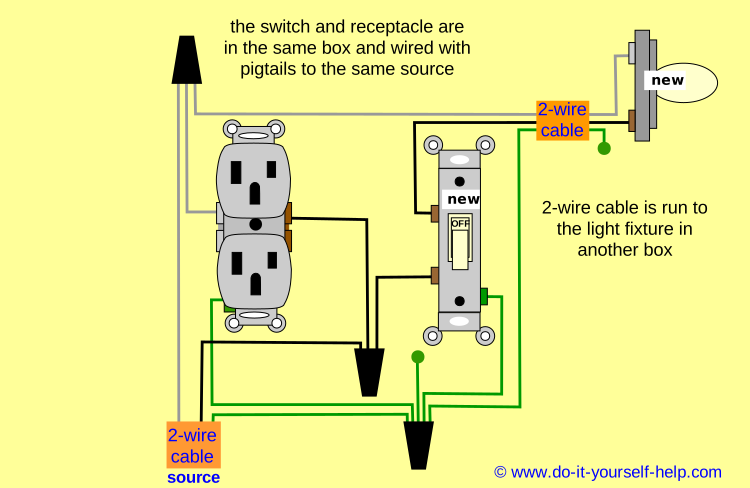
Credit: www.do-it-yourself-help.com
Run Cable From Switch To Receptacle
Running cable from a light switch to a receptacle is a key step in this wiring project. It connects power from the switch box to the new outlet. Proper cable running ensures safe and reliable power flow.
Take time to plan the cable route before starting. Use the right type of cable for your home wiring. Most often, NM (non-metallic) cable is suitable for indoor use.
Gather Necessary Tools And Materials
Prepare tools like a wire stripper, drill, fish tape, and screwdriver. Get the correct length of cable. Ensure the cable matches your circuit’s amperage and local codes.
Turn Off Power At The Breaker
Safety first. Switch off the circuit breaker that controls the light switch. Use a voltage tester to confirm the power is off. Never work on live wires.
Drill Access Holes If Needed
Check the wall studs between the switch and receptacle. Drill holes to run the cable through. Keep holes centered in the studs to avoid damage and maintain structure.
Feed Cable Through Wall Cavities
Push the cable carefully through the drilled holes. Use fish tape for long or tricky runs. Pull the cable gently to avoid damage to the insulation.
Leave Extra Cable Length
At both the switch and receptacle boxes, leave about 6 to 8 inches of cable slack. This helps with easy connections and future repairs.
Connect Wires To Receptacle
Connecting wires to a receptacle is a crucial step when adding a new outlet to a light switch. This process ensures that the electrical current flows correctly and safely to the receptacle. Understanding how to connect the wires properly helps prevent shorts and electrical hazards.
Before starting, always turn off power at the breaker. Use a voltage tester to confirm no electricity is running through the wires. Safety first.
Identify The Wires
Look for the black, white, and ground wires in the switch box. The black wire is the hot wire. The white wire is the neutral. The bare or green wire is the ground. Knowing each wire’s role is key to proper connection.
Attach The Hot Wire
Connect the black wire to the brass-colored screw on the receptacle. Wrap the wire clockwise around the screw. Tighten the screw firmly to hold the wire in place. This step powers the outlet.
Connect The Neutral Wire
Attach the white wire to the silver-colored screw. Like the hot wire, wrap it clockwise around the screw. Tighten the screw securely. The neutral wire completes the electrical circuit.
Secure The Ground Wire
Fasten the ground wire to the green grounding screw on the receptacle. This connection protects against electrical faults. Make sure the wire is tightly connected and not loose.
Double-check Connections
Inspect each wire to confirm tight, correct placement. Loose wires can cause sparks or failure. Tug gently on each wire to test security. Proper connections ensure safe and reliable operation.

Credit: diy.stackexchange.com
Modify Switch Wiring If Needed
Check the existing wiring before adding the receptacle. Change switch wires only if needed to ensure safety and proper function. Use a tester to confirm the power is off before making any changes.
Check Existing Switch Wiring
Start by turning off the power at the breaker. Use a voltage tester to confirm no power flows to the switch. Remove the switch cover and pull out the switch gently. Note how the wires connect to the switch. Typical switches have two or three wires: a hot wire, a load wire, and sometimes a ground wire.
Identify if the switch controls only the light or also a receptacle. Some switch boxes have a shared circuit for both. This affects how you modify the wiring.
Determine Wiring Type
Look for a neutral wire in the box. Many older homes lack neutral wires in switch boxes. A neutral wire is essential to add a receptacle properly. Without it, you cannot power the receptacle safely from this location.
If you find a neutral wire, check if it is connected or capped off. Also, verify if the switch uses a single-pole or three-way setup. This impacts the wiring changes needed.
Rewire For Receptacle Power
To power a new receptacle, connect the neutral wire to the receptacle’s neutral terminal. Connect the hot wire from the breaker to the receptacle’s hot terminal. The switched wire should go to the light only.
If the switch wiring doesn’t have a neutral, run a new neutral cable from the main box. This step may need a professional electrician.
Use Proper Wire Connectors
Always use wire nuts or push-in connectors rated for your wire size. Secure all wire connections tightly. Loose wiring causes shorts or sparks. Cap unused wires safely to avoid accidental contact.
Label wires with tape for easy identification during reassembly. Keep the wiring neat inside the box to close the cover properly.
Secure Devices And Install Covers
Securing devices and installing covers is a key step in adding a receptacle to a light switch. This step keeps everything safe and neat. It protects wires and prevents accidents. Taking the time to do this right helps the installation last longer and work well.
Always double-check that all wires are tightly connected. Loose wires can cause sparks or power loss. Use a screwdriver to firmly secure the receptacle and switch to the electrical box. Make sure nothing moves or wiggles. A steady device is safer and more reliable.
Secure The Receptacle To The Electrical Box
Align the receptacle with the box holes. Use screws to fix it tightly in place. Avoid over-tightening, which can crack the device. The receptacle should sit flush and not tilt. This helps the cover fit properly later.
Secure The Light Switch Firmly
Push the switch gently into the box. Screw it in using the provided holes. Ensure the switch does not move or shake. A solid switch improves safety and function. Check the wiring again before closing the box.
Install Wall Plates Or Covers
Choose a cover plate that matches your devices. Place it over the switch and receptacle. Secure it with small screws. The cover hides wires and sharp edges. It also gives a clean, finished look to the wall.
Check For Proper Fit And Safety
Look closely at the installed covers. Make sure no wires show outside. The plate should sit flat without gaps. Test the switch and receptacle to confirm they work. A proper fit protects your home and family.
Restore Power And Test
After wiring the new receptacle and securing all connections, restoring power is the next step. This process confirms that your installation works correctly and safely. Testing ensures the switch and receptacle function as intended. Follow these steps carefully to complete your project.
Turn On The Circuit Breaker
Locate the circuit breaker that controls the switch’s power. Flip the breaker to the “On” position. This restores electricity to the switch and the new receptacle. Wait a few seconds for power to stabilize before testing.
Test The Light Switch
Flip the light switch on and off. The connected light should respond immediately. If the light does not turn on, double-check your wiring. Make sure all connections are tight and correct.
Test The New Receptacle
Use a simple voltage tester or plug in a small device. The tester should show power or the device should work. If not, turn off the breaker and inspect the wiring again. Safety first.
Check For Proper Grounding
Confirm the receptacle is grounded properly. Use a receptacle tester for this task. Proper grounding prevents electrical shocks. It also ensures your installation meets safety codes.
Troubleshooting Common Issues
Adding a receptacle to a light switch can be straightforward. Yet, some common problems might arise during or after installation. Knowing how to troubleshoot these issues saves time and effort.
This section covers typical problems and how to fix them. Follow each step carefully for safety and success.
Check For Power Supply Issues
First, ensure the power is off before starting any checks. Use a voltage tester to confirm no electricity flows. If the receptacle does not work, check the circuit breaker. A tripped breaker might be the cause. Reset the breaker and test the receptacle again.
Inspect Wiring Connections
Loose or wrong connections cause many problems. Open the switch box and look at the wires. Tighten any loose screws. Make sure black wires connect to black terminals and white wires to white terminals. Ground wires must be attached properly for safety.
Test The Switch Functionality
The switch itself might be faulty. Use a multimeter to check if the switch allows current to pass. Replace the switch if it does not work. A bad switch can stop the receptacle from getting power.
Verify Receptacle Installation
The receptacle might be installed backward or damaged. Check the receptacle for cracks or burns. Ensure the hot and neutral wires connect to the correct terminals. Swap the receptacle with a new one if needed.
Look For Overloaded Circuits
Too many devices on one circuit can cause problems. Unplug some devices and test the receptacle again. Overloading can trip breakers and damage wiring. Spread devices across different circuits to avoid issues.
Credit: www.reddit.com
Frequently Asked Questions
How Do I Add A Receptacle To A Light Switch?
To add a receptacle, turn off power first. Then, connect the receptacle’s hot, neutral, and ground wires to the switch box wiring. Use a proper electrical box and secure all connections. Finally, restore power and test the receptacle.
Can I Wire A Receptacle And Switch On One Circuit?
Yes, you can wire both on one circuit. Ensure the circuit can handle the combined load. Use proper gauge wires and follow local electrical codes for safety and compliance.
What Tools Are Needed To Add A Receptacle To A Switch?
You need a voltage tester, wire stripper, screwdriver, wire nuts, electrical box, and receptacle. Safety gloves and a flashlight can help. Always double-check power is off before starting.
Is It Safe To Add A Receptacle To A Light Switch?
It is safe if done correctly. Follow electrical codes, use proper tools, and ensure connections are secure. If unsure, consult a licensed electrician to prevent hazards.
Conclusion
Adding a receptacle to a light switch can save space and add convenience. The process is simple when you follow the right steps carefully. Always turn off the power before starting any electrical work. Use the proper tools and check local codes for safety.
Taking your time makes the job easier and safer. With patience, you can improve your home’s electrical setup. Give it a try, and enjoy the added functionality. Safety first, and good luck with your project!