Are you looking to hang something quickly and securely on your wall? Knowing how to put screw hooks into the wall can save you time and frustration.
Whether it’s for hanging plants, pictures, or tools, the right technique makes all the difference. In this guide, you’ll learn simple steps that anyone can follow, even if you’ve never done it before. By the end, you’ll feel confident and ready to tackle your next project with ease.
Let’s get started!
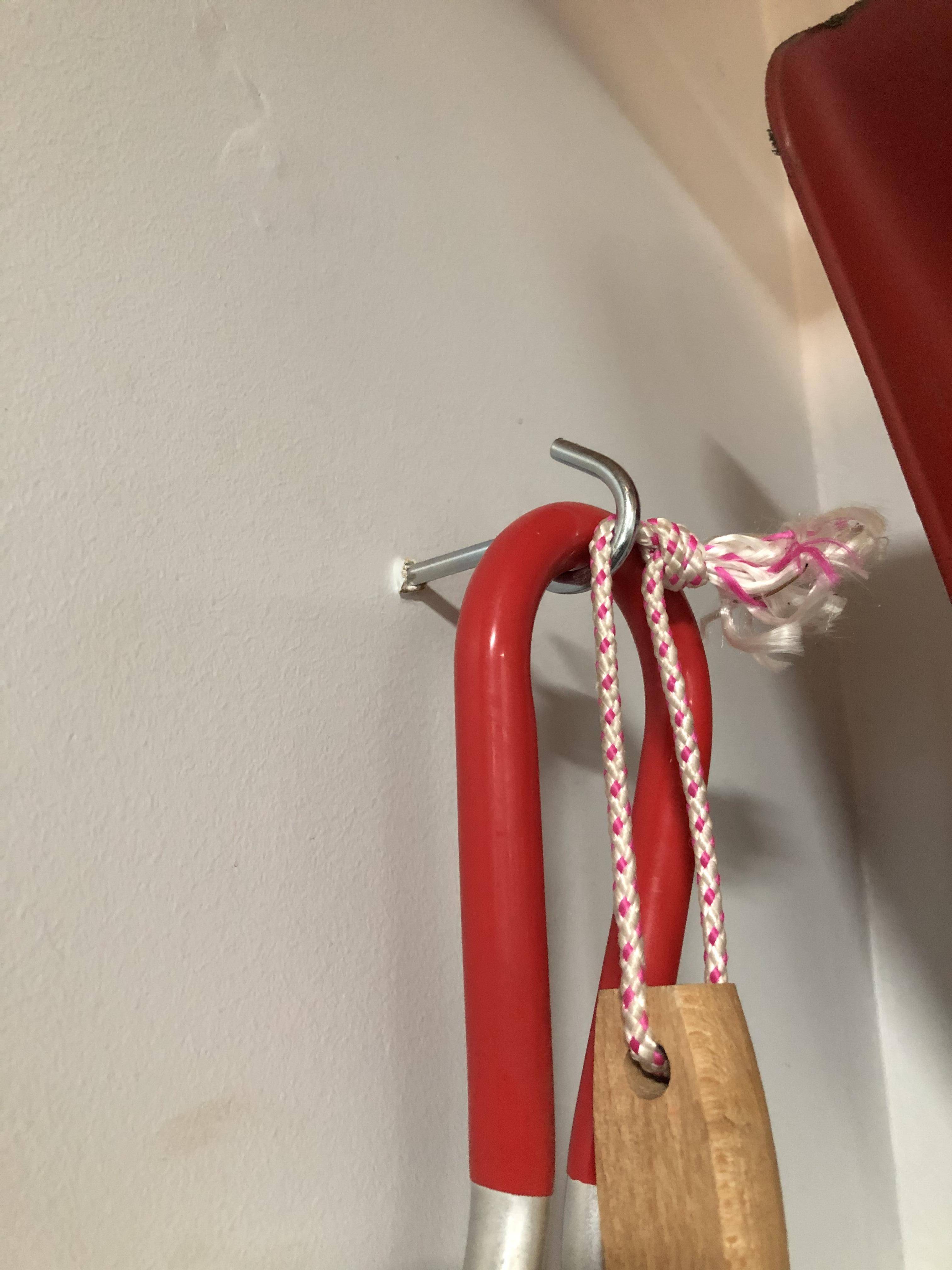
Credit: diy.stackexchange.com
Choosing The Right Screw Hooks
Choosing the right screw hooks is important for a safe and strong hold. The right hook fits your wall type and the weight of your items. It also lasts longer and keeps your wall damage-free.
Types Of Screw Hooks
Screw hooks come in many shapes and sizes. Some have a simple curved shape for hanging light items. Others have a closed loop for extra security. Choose a type that matches what you want to hang.
Material Considerations
Common materials include steel, brass, and stainless steel. Steel is strong and good for heavy loads. Brass looks nice but suits lighter items. Stainless steel resists rust and is good for damp places.
Weight Capacity
Every screw hook has a weight limit. Check this limit before buying. Use hooks that can hold more than your item’s weight. This keeps your items safe and prevents wall damage.
Tools And Materials Needed
Putting screw hooks into the wall needs the right tools and materials. These help you work fast and safely. Having everything ready makes the job easier and better. Below are the key items you will need.
Essential Tools
You need a drill or screwdriver for making holes. A pencil helps mark the spot on the wall. Use a tape measure to check the exact place. A level keeps the hook straight. Pliers can help turn the screw hook if needed.
Safety Gear
Wear safety glasses to protect your eyes from dust. Gloves protect your hands from sharp edges. Use a dust mask if drilling creates a lot of dust. Always keep your work area clean to avoid accidents.
Wall Anchors And Accessories
Wall anchors support the screw hook in drywall or plaster. Choose anchors based on your wall type. Plastic or metal anchors work well for different weights. Have a set of different sizes ready for various tasks. These accessories keep the hook strong and secure.
Preparing The Wall
Preparing the wall is the first step to safely and securely put screw hooks into the wall. This step ensures the hooks hold well and do not cause damage. Take time to prepare the wall correctly. It saves effort and prevents problems later.
Selecting The Location
Choose a spot that fits the item you want to hang. Pick a place that is easy to reach and looks good. Avoid very thin or weak wall areas. These spots may not hold the hook firmly. Look for a flat surface for better grip.
Checking For Studs And Wires
Use a stud finder to locate wooden studs behind the wall. Screwing into a stud gives better support. Avoid drilling near electrical wires or plumbing. These hidden items can cause danger or damage. Use a wire detector or stud finder with wire detection.
Marking The Spot
Mark the exact spot with a pencil. Make a small dot where the hook will go. Double-check the spot for level and position. This step helps to place the hook straight. It avoids mistakes and uneven hanging.

Credit: www.wikihow.com
Drilling Pilot Holes
Drilling pilot holes is the first step to putting screw hooks into the wall. It helps guide the hook and keeps the wall from cracking. This makes the hook hold better and last longer. You need the right drill bit, good drilling techniques, and the correct depth and angle.
Choosing The Right Drill Bit
Pick a drill bit slightly smaller than the screw hook’s shaft. This size lets the hook bite into the wall. Use a bit made for the wall material, like wood or drywall. A wrong bit can damage the wall or make the hole too big.
Drilling Techniques
Hold the drill steady and start slowly. Push gently to avoid cracking the wall. Keep the drill straight to make a clean hole. Stop drilling as soon as you reach the needed depth. Too much pressure can cause damage.
Depth And Angle Tips
Drill the hole as deep as the hook’s threaded part. Measure this before you start. Keep the drill at a right angle to the wall. Angling the hole can make the hook loose or unstable. A straight, deep hole ensures the hook fits tightly.
Installing The Screw Hooks
Installing screw hooks into the wall is a simple task that anyone can do. It helps to hang items like pictures, plants, or keys. The right method makes the hook strong and safe.
Below, learn how to install screw hooks the best way. Follow these steps to get a secure hold without damage.
Hand-twisting Vs. Using Tools
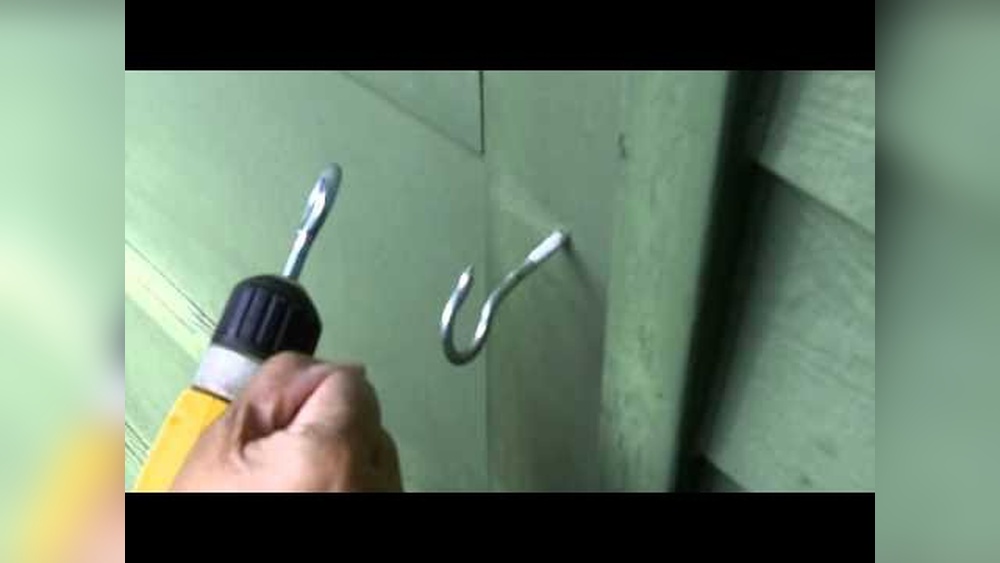
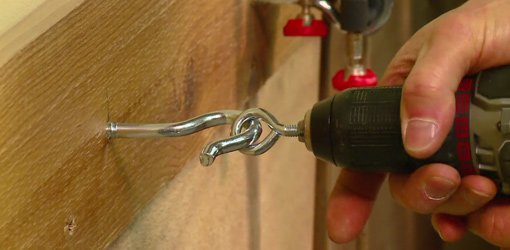
You can twist screw hooks by hand for small jobs. It works well in soft materials like drywall. Use your fingers to turn the hook clockwise until it feels firm.
For harder surfaces, tools help a lot. Pliers or a screwdriver provide more grip and power. Wrap the hook with cloth to avoid scratches, then twist slowly. Tools save time and effort.
Securing The Hook Firmly
Make sure the hook is tight and steady. After twisting, pull gently to test its hold. The hook should not move or wiggle.
If the hook feels loose, remove and try again. Use a wall anchor for added support on drywall. This prevents the hook from pulling out easily.
Avoiding Common Mistakes
Do not force the hook in too fast. Turning slowly prevents wall damage and bending the hook.
Avoid installing hooks too close to edges or studs. This can cause cracks or weak support.
Check the weight limit before hanging heavy items. Overloading hooks can cause them to fail and fall.
Testing The Installation
Testing the installation of screw hooks is an important step. It ensures the hooks hold well and stay secure on the wall. This process helps avoid accidents or damage later. Take time to check the strength and fit of each screw hook. A small test now saves trouble later.
Assessing Stability
Gently pull or push the screw hook to check its hold. It should not wiggle or feel loose. Try hanging a light object first to see if it stays in place. The wall should not show cracks or damage near the hook. A firm and stable hook means a safe installation.
Adjusting If Necessary
If the screw hook feels loose, tighten it carefully. Turn the hook clockwise a bit more until it fits snugly. For very loose hooks, remove and reinsert using a wall anchor. Make sure the hook is straight and aligned properly. Repeat the stability test after each adjustment to confirm security.
Maintaining Screw Hooks
Maintaining screw hooks is key to keeping them strong and safe. Regular care stops damage and helps hooks last longer. Check them often and fix small problems early.
Regular Checks
Look at the screw hooks every few weeks. Check if they are loose or bent. Tighten any loose hooks carefully. See if the wall around the hook is cracking or soft. Early checks prevent bigger troubles later.
Handling Wear And Tear
Screw hooks can wear out from use. Avoid hanging heavy items beyond the hook’s limit. Replace hooks that show rust or breakage. Use gentle force when putting items on or taking them off. This helps keep hooks safe and strong for a long time.
Credit: todayshomeowner.com
Frequently Asked Questions
How Do I Choose The Right Screw Hook For My Wall?
Select a screw hook based on wall type and weight capacity. Use plastic anchors for drywall to ensure secure holding. For masonry walls, use masonry anchors. Match the hook size to your item’s weight for safety.
What Tools Do I Need To Install Screw Hooks?
You need a drill with the correct bit, a screwdriver, wall anchors, a pencil, and a level. These tools help create precise holes and secure the screw hooks safely into the wall.
Can I Install Screw Hooks Without Wall Anchors?
You can install screw hooks without anchors only in wooden studs or solid walls. Drywall alone won’t support weight well without anchors. Anchors provide extra grip, preventing the hook from loosening or damaging the wall.
How Deep Should I Drill Before Inserting A Screw Hook?
Drill a pilot hole 1 to 2 inches deep, slightly smaller than the screw hook’s diameter. This makes insertion easier and prevents wall damage. Proper hole depth ensures the hook fits securely and holds weight effectively.
Conclusion
Putting screw hooks into the wall is simple and useful. First, choose the right size for your task. Next, mark the spot clearly and drill a small hole if needed. Twist the hook in slowly and firmly. Check that it feels secure before hanging anything.
With these easy steps, you can hang items neatly and safely. Practice makes it easier each time. This small skill can help organize your space better. Give it a try and see how handy it becomes.