Are you tired of those stubborn removable wall hooks leaving marks or damaging your walls? You’re not alone.
Removing them can feel tricky, but it doesn’t have to be. In this guide, you’ll discover simple, effective ways to take down your hooks without leaving a trace. Whether you’re moving out, redecorating, or just changing things up, knowing how to remove these hooks safely will save you time, money, and frustration.
Keep reading to find out the best tips and tricks that anyone can use!

Credit: www.youtube.com
Types Of Removable Wall Hooks
Removable wall hooks come in several types. Each type works differently and suits different needs. Knowing the types helps you choose the right hook for your wall. It also makes removing them easier and safer.
Adhesive Hooks
Adhesive hooks stick directly to the wall. They use a sticky glue that holds the hook in place. These hooks are good for light objects. They can leave marks if removed roughly. Peeling slowly helps prevent wall damage.
Command Strips
Command strips have a special adhesive that is easy to remove. They hold strong but peel off cleanly. These strips often come with hooks attached. Pulling the tab stretches the adhesive and releases it without damage.
Suction Hooks
Suction hooks use suction cups to stick to smooth surfaces. They work well on glass, tiles, or mirrors. These hooks do not use glue, so no residue is left. Pressing the cup firmly creates a vacuum seal for holding weight.
Magnetic Hooks
Magnetic hooks work only on metal surfaces. The magnet sticks tightly to metal without glue. These hooks are easy to move and remove. They do not damage walls or surfaces. Good for refrigerators, metal doors, or cabinets.
Tools Needed For Removal
Removing removable wall hooks is easier with the right tools. These tools help protect your wall and make the process smooth. You don’t need many items, but each one plays a key role. Gather these tools before you start to avoid any damage or stress.
Hair Dryer Or Heat Gun
A hair dryer or heat gun softens the adhesive on the hook. Warm air loosens the glue. It helps the hook peel off gently. Use low heat to avoid wall damage. Keep the device moving to spread heat evenly.
Plastic Card Or Spatula
A plastic card or spatula slides under the hook’s edge. It lifts the hook without scratching the wall. Avoid metal tools that can leave marks. A credit card or old gift card works well. Use slow, gentle movements to separate the hook.
Rubbing Alcohol
Rubbing alcohol removes sticky residue left behind. It breaks down glue without harming paint. Apply a small amount on a cloth. Dab the sticky spots until they disappear. Alcohol dries quickly and cleans well.
Cleaning Cloth
A soft cleaning cloth wipes the wall after removal. It removes dust, glue, and alcohol residue. Use a clean cloth to avoid spreading dirt. A microfiber cloth is ideal for gentle cleaning. Keep the wall smooth and ready for new hooks.
Preparing The Area
Preparing the area is the first step in removing removable wall hooks safely. It helps avoid damage and keeps your space clean. Taking time to get ready makes the removal process smooth and stress-free.
Clear Surroundings
Remove items near the wall hook. Clear shelves, tables, and floors around it. This prevents things from falling or getting damaged. A clear area gives you space to work freely. It also stops accidents during hook removal.
Protect Furniture And Floors
Cover nearby furniture with cloth or plastic sheets. Use drop cloths or old towels on the floor. Protection stops scratches, stains, and debris from causing harm. It keeps your home safe while you work. Small effort here saves cleaning time later.
Removing Adhesive Hooks
Removing adhesive hooks from walls can be tricky. The glue sticks firmly but you want to avoid damage. Using the right method helps to take the hook off cleanly. This section explains easy steps to remove adhesive hooks safely.
Heating The Adhesive
Warm the glue with a hairdryer. Heat softens the sticky part. Hold the dryer close but not too hot. Move it around for one to two minutes. This loosens the glue’s grip on the wall.
Peeling Off Slowly
Start lifting the hook gently from one edge. Pull the hook back slowly and evenly. Keep a steady, slow motion. Fast pulling may tear the paint or wall surface. If it resists, stop and heat again.
Using Plastic Card For Assistance
Slide a plastic card under the hook’s edge. Use the card to separate the glue from the wall. Move the card carefully side to side. This helps release the adhesive without damage. Avoid metal tools to keep the wall safe.
Removing Command Strips
Removing Command Strips is simple if done the right way. These strips stick well to walls but come off cleanly when handled correctly. The key is to pull the adhesive tab slowly and carefully.
This method helps avoid damage to paint or drywall. Knowing how to apply gentle pressure and pull the tab downward makes removal easy. Follow the steps below for best results.
Pulling The Tab Downward
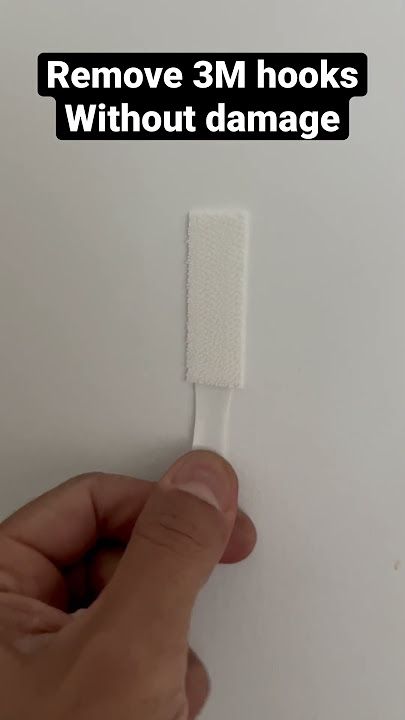
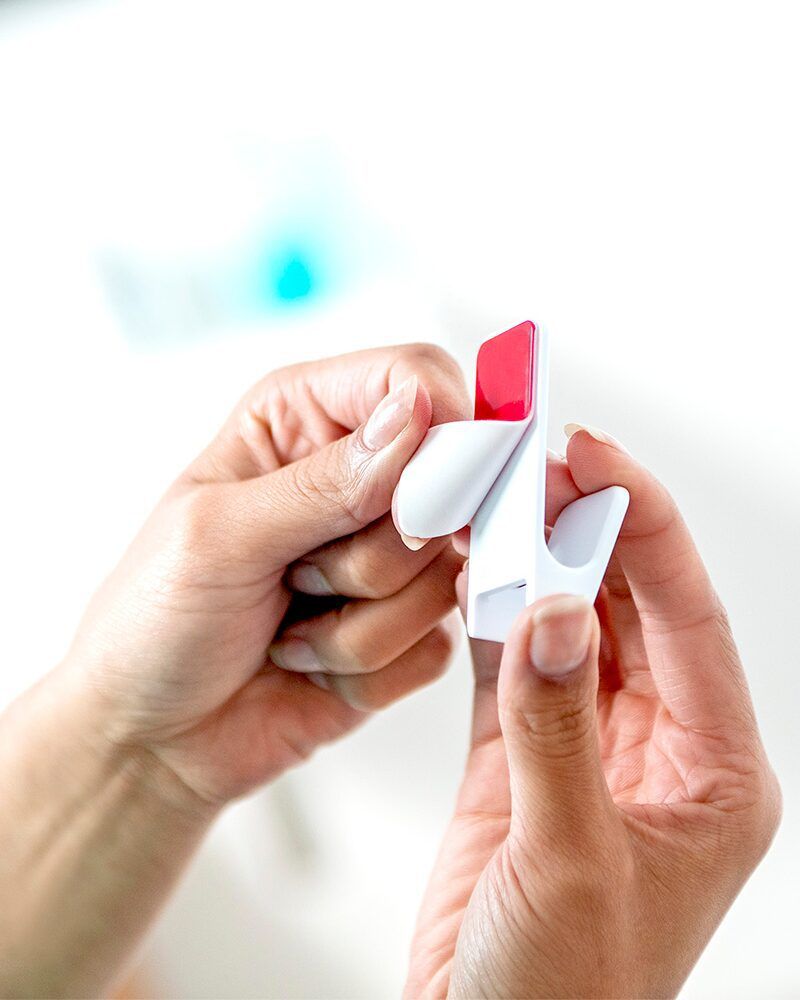
Start by finding the small adhesive tab at the bottom of the strip. Hold the hook with one hand. With the other, pull the tab straight down. Pull slowly and keep the strip flat against the wall.
Pulling downward stretches the adhesive. This weakens the bond without causing damage. Do not pull the strip outward or upward. That may peel paint or leave marks.
Applying Gentle Pressure
Use gentle pressure while pulling the tab. Avoid sudden or hard tugs. A slow, steady pull lets the adhesive release smoothly. This reduces the risk of wall damage.
If the tab breaks, try loosening the strip from the edges. Press gently on the edges to soften the glue. Patience helps remove the strip cleanly.
Avoiding Wall Damage
Keep the strip close to the wall during removal. Do not yank or twist the strip. If the wall surface is delicate, pull even slower. Using heat from a hair dryer can soften the adhesive.
Always check for residue after removal. Clean the area with mild soap and water. This keeps your walls smooth and ready for new decor.
Credit: www.youtube.com
Handling Suction And Magnetic Hooks
Removing suction and magnetic hooks from walls requires a gentle approach. These hooks stick firmly but can be taken off without damage. Knowing the right steps helps protect your wall’s surface and keeps hooks reusable.
Releasing Suction
Start by finding the small tab or edge on the suction cup. Gently pull this tab away from the wall. This lets air in and breaks the suction seal. Avoid pulling the whole hook quickly. Slowly peel the cup from the wall to stop paint or wallpaper from peeling.
If the suction cup is stubborn, use a damp cloth. Wet the edge slightly and try pulling the tab again. Warm water can soften the suction and make removal easier. Take your time. Rushing can damage your wall.
Detaching Magnets Safely
Magnetic hooks stick with strong magnets, but removal is easy. Hold the base of the hook firmly. Slide the hook sideways off the magnetic plate. Do not pull the hook straight away. Pulling can cause wall damage or break the magnet.
If the magnet is glued, gently wiggle the hook back and forth. Use a thin plastic card to separate the glue. Avoid using sharp tools to prevent scratches. Keep the wall surface smooth for future use.
Cleaning Residue
After removing removable wall hooks, some sticky residue often stays on the wall. Cleaning this residue is important for a smooth, clean surface. It helps the wall look neat and ready for new paint or decorations. Simple household items can remove leftover glue quickly and safely.
Using Rubbing Alcohol
Rubbing alcohol works well to break down sticky glue. Soak a cotton ball or cloth with rubbing alcohol. Gently rub the residue in a circular motion. The glue will start to dissolve and lift off the wall. Use small amounts to avoid damaging paint or wallpaper.
Removing Sticky Leftovers
For stubborn sticky spots, use a soft scraper or credit card. Carefully scrape off the softened glue without scratching the wall. Avoid sharp tools that can leave marks. Repeat rubbing alcohol application if needed. Patience helps to remove all sticky bits cleanly.
Wiping And Drying
After removing residue, wipe the wall with a damp cloth. This removes any leftover rubbing alcohol and glue. Use clean water to avoid stains or marks. Finally, dry the wall with a soft towel. A dry wall surface prevents new dirt from sticking.
Credit: www.velcro.com
Tips To Prevent Wall Damage
Removing removable wall hooks can be tricky. The main goal is to protect your wall from damage. Small mistakes can cause paint to peel or leave marks. Follow simple tips to keep your walls smooth and clean.
Avoiding Sharp Tools
Do not use knives or sharp tools. They can scratch or gouge the wall surface. Instead, use your fingers or a plastic card to gently pull off hooks. Sharp objects increase the risk of permanent damage. Keep the removal process safe and gentle.
Applying Heat Correctly
Warm the hook area with a hairdryer. Heat softens the adhesive, making removal easier. Hold the dryer a few inches away to avoid overheating. Too much heat can peel paint or damage wallpaper. Heat just enough to loosen the hook.
Taking Your Time
Remove hooks slowly and patiently. Quick yanks can pull off paint or leave holes. Pull the hook at a low angle, close to the wall. Let the adhesive release naturally. A careful approach saves you time and repair work later.
Frequently Asked Questions
How Do I Safely Remove Removable Wall Hooks?
To safely remove removable wall hooks, gently pull the tab straight down. Avoid pulling outward to prevent wall damage. Use a hairdryer to warm adhesive for easier removal if needed. Clean leftover residue with mild soap and water.
Can Removable Wall Hooks Damage My Paint?
Removable wall hooks usually don’t damage paint if removed correctly. Pull the adhesive strip slowly downward to avoid peeling paint. Avoid forceful removal or pulling hooks outward. Test on a small area first for delicate surfaces.
What Should I Do With Leftover Adhesive On Walls?
Use warm soapy water or rubbing alcohol to remove leftover adhesive. Apply gently with a soft cloth to avoid damaging paint. Avoid harsh scrubbing to prevent marks. For stubborn residue, try commercial adhesive removers designed for walls.
Are Removable Wall Hooks Reusable After Removal?
Most removable wall hooks are designed for one-time use only. Adhesive strips lose effectiveness after removal. Some brands offer refill strips to reuse hooks. Check manufacturer instructions for specific product reusability guidelines.
Conclusion
Removing removable wall hooks is simple with the right steps. Apply heat or twist gently to avoid damage. Clean leftover marks with mild soap and water. Take your time to protect your walls. This method saves effort and keeps surfaces safe.
Now, you can change your decor anytime without worry. Easy, quick, and mess-free. Give it a try and see the difference yourself.